

Sporting Goods Freight China to USA: Your Ultimate Shipping Guide
Importing sporting goods from China to the USA presents both immense opportunity and complex logistical challenges. Successfully managing sporting goods freight China to USA requires a deep understanding of various shipping methods, customs regulations, and cost factors. This comprehensive guide, brought to you by Top China Freight, will help you streamline your supply chain and ensure your products reach market efficiently.

Why is Sporting Goods Freight from China to USA Complex?
Shipping sporting goods from China to the USA involves more than just booking a container. Indeed, the diverse nature of sports equipment, from bulky gym machines to delicate electronics, demands specialized handling. Moreover, varying import regulations and fluctuating freight rates add layers of complexity.
Consequently, businesses often face challenges such as extended transit times, unexpected customs delays, and escalating shipping costs. Understanding these intricacies is paramount for maintaining a competitive edge. Therefore, a strategic approach to logistics is absolutely essential for importing sports equipment from China.
Understanding Key Shipping Methods for Sporting Goods
When planning your sporting goods freight China to USA, selecting the appropriate shipping method is a critical decision. Each option offers distinct advantages concerning speed, cost, and capacity. Furthermore, your choice will significantly impact your delivery schedule and overall supply chain efficiency.
Considerably, aligning the shipping method with your product type, urgency, and budget is vital. This section explores the primary ways to transport your athletic wear and fitness products across the Pacific. Ultimately, the right choice ensures timely and cost-effective delivery.
Sea Freight: The Cost-Effective Choice
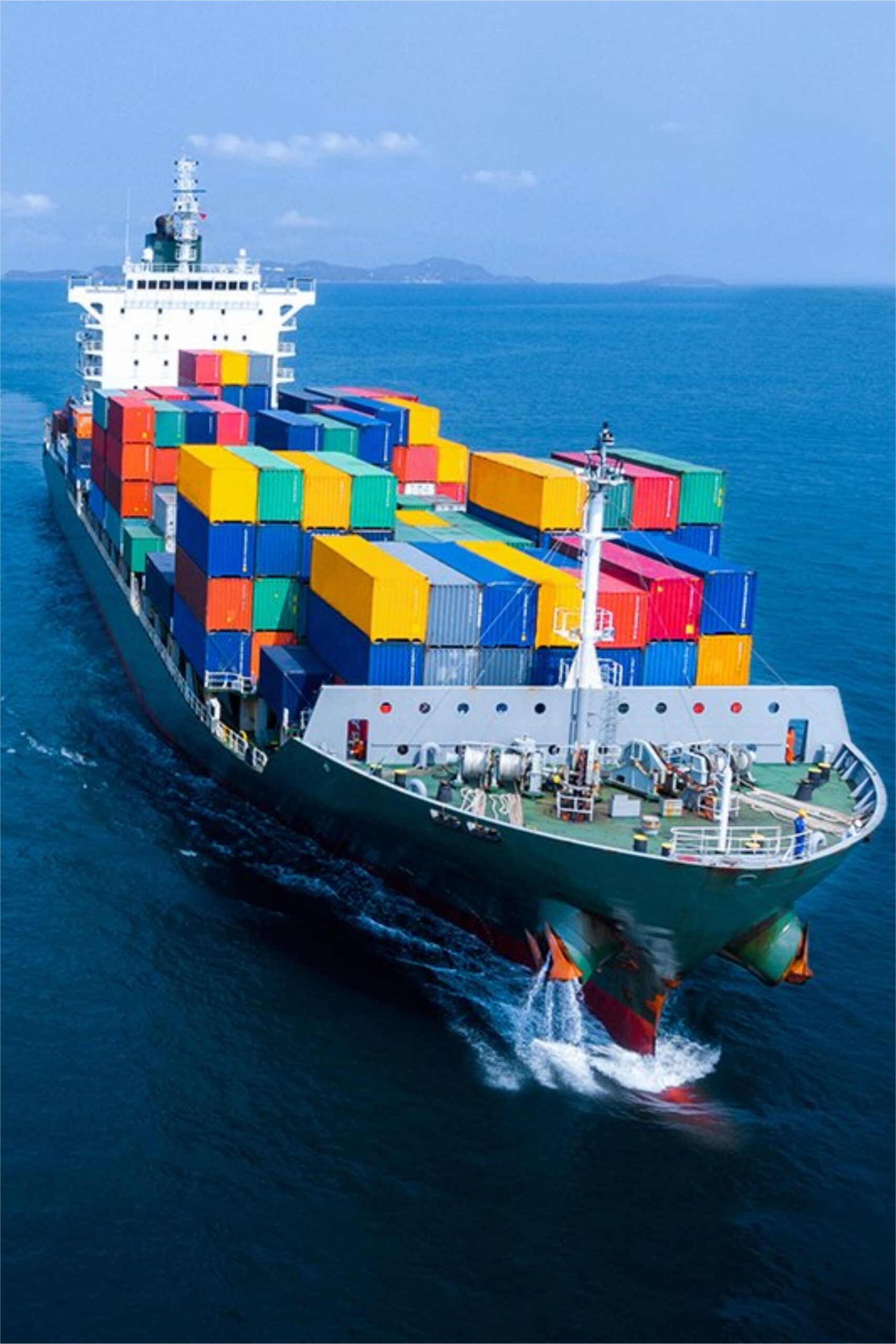
For large volumes of sporting goods, sea freight remains the most economical option. This method is ideal for heavy or bulky items like gym equipment, bicycles, or large quantities of apparel. Furthermore, it offers significant cost savings compared to air cargo, especially for non-urgent shipments.
However, sea freight entails longer transit times, typically ranging from 18 to 40 days to USA ports. Businesses must plan their inventory carefully to accommodate these schedules. Therefore, it is best suited for businesses with predictable demand and ample lead time.
Air Freight: Speed for High-Value or Urgent Goods
When speed is paramount, air freight provides the fastest solution for your sporting goods freight China to USA. This method is perfect for high-value items, seasonal products, or urgent replenishment orders. For example, new product launches often benefit from air shipping to meet market demand quickly.
Nevertheless, air freight is considerably more expensive than sea freight. Its cost-effectiveness diminishes rapidly with increasing cargo weight and volume. Consequently, it is generally reserved for smaller, lighter, or time-sensitive shipments of sports equipment from China.
Express Shipping: When Every Day Counts
For extremely time-sensitive or small-package sporting goods, express shipping offers unparalleled speed. Major couriers provide door-to-door services, often with delivery in just 3-7 business days. This is particularly useful for samples, prototypes, or urgent spare parts.
Despite its speed, express shipping carries the highest per-unit cost among all options. Therefore, businesses typically use it for critical, low-volume shipments rather than bulk imports. It is a premium service for immediate logistical needs.
How Does Each Shipping Method Compare for Sporting Goods Freight China to USA?
A clear comparison helps in making an informed decision for your sporting goods freight China to USA. Understanding the trade-offs between cost, speed, and suitability is crucial. Moreover, the optimal choice often depends on your specific product and business model.
This table outlines the key differences, providing a quick reference for importers of fitness products and athletic wear. Ultimately, it empowers you to select the best way to import fitness products from China.
| Shipping Method | Cost Range (per kg) | Transit Time (China to USA) | Best For | Limitations |
|---|---|---|---|---|
| Sea Freight (FCL/LCL) | Low ($0.05 – $0.20) | 18-40 days | Bulky, heavy, non-urgent orders (e.g., gym equipment, bikes) | Slow, potential port delays, minimum volume requirements |
| Air Freight | Medium-High ($2.50 – $6.00+) | 5-10 days | High-value, time-sensitive, smaller volumes (e.g., electronics, seasonal apparel) | High cost, weight/volume restrictions, fuel surcharges |
| Express Shipping | High ($7.00 – $15.00+) | 3-7 days | Samples, prototypes, urgent small packages, e-commerce direct (e.g., specific sports accessories) | Very high cost, strict package size/weight limits, less suitable for bulk |
Navigating Customs and Regulations for Sports Equipment
Customs clearance is a critical, often complex, stage in sporting goods freight China to USA. Non-compliance can lead to significant delays, fines, and even seizure of goods. Therefore, understanding import regulations sports goods is essential for a smooth process.
Notably, different types of sporting goods may have specific requirements. For instance, firearms accessories or certain protective gear might face stricter scrutiny. Furthermore, partnering with a knowledgeable customs brokerage service is highly recommended to ensure adherence to all US import laws.
Essential Documentation for Importing Sporting Goods
Accurate and complete documentation is the backbone of efficient customs clearance. Missing or incorrect paperwork can cause substantial delays. Consequently, preparing all necessary documents in advance is a proactive measure.
Key documents typically include a commercial invoice, packing list, bill of lading (for sea freight) or air waybill (for air freight), and a customs bond. Furthermore, some specialized sporting goods may require additional permits or certifications, such as FDA approval for certain fitness devices.
Duty Rates and HS Codes for Sports Products
Understanding Harmonized System (HS) codes is crucial for determining the correct duty rates for sports items. These international codes classify products for customs purposes. Incorrect classification can lead to overpayment of duties or penalties.
For example, golf clubs, athletic footwear, and gym equipment each fall under different HS codes with varying tariff rates. Importers should research applicable duties and taxes carefully. This ensures accurate cost estimation for their sporting goods freight China to USA.
Moreover, certain trade agreements or special programs might influence the final duty amount. Consulting with a customs expert can help identify potential savings or compliance requirements.
What are the Costs Involved in Shipping Sporting Goods?
The overall cost to ship sporting goods to USA extends beyond just the freight rate. A comprehensive understanding of all expenses is vital for accurate budgeting and pricing. Indeed, unexpected charges can significantly impact your profit margins.
Therefore, consider every element from origin to destination to gain a clear financial picture. This holistic view helps businesses manage their logistics trends effectively and avoid surprises. Ultimately, transparent cost planning is key for successful imports.
Factors Influencing Freight Rates
Several variables dictate the freight rates for sporting goods from China. These include the shipping method chosen, the volume and weight of the cargo, and the specific origin and destination ports. Furthermore, market demand and carrier capacity play a significant role.
Seasonal peaks, such as before major holidays or sports seasons, often drive rates higher. Fuel surcharges, port congestion, and geopolitical events can also cause fluctuations. Accordingly, obtaining current quotes is always advisable, as rates can change rapidly.
For instance, during Q4 peak season, rates for container shipping often increase by 15-25%. As of Q1 2025, freight rates from China to the USA have shown some stabilization after recent global disruptions, but remain dynamic.
Hidden Costs to Watch Out For
Beyond the headline freight cost, several ‘hidden’ charges can accumulate. These often include terminal handling charges (THC) at both origin and destination, documentation fees, and customs clearance fees. Additionally, drayage (trucking from port to warehouse) adds to the final delivery expense.
Furthermore, insurance costs, storage fees (demurrage or detention), and potential examination fees from customs can arise. Therefore, always request a detailed quote that itemizes all potential charges. This transparency prevents unexpected expenses in your sporting goods freight China to USA operations.
Optimizing Your Supply Chain for Sporting Goods Imports
An optimized supply chain is crucial for efficient sporting goods freight China to USA. Strategic planning can reduce costs, minimize transit times, and enhance overall operational fluidity. Consequently, businesses can better meet customer demand and improve profitability.
This involves careful consideration of warehousing, distribution, and inventory management. Furthermore, leveraging technology and expert partnerships can significantly streamline your logistics for outdoor goods. Ultimately, a robust supply chain is a competitive advantage.
Consolidation Strategies for Smaller Shipments
For businesses importing smaller volumes of sporting goods, Less than Container Load (LCL) consolidation is an excellent strategy. This involves combining your cargo with other shippers’ goods into one container. As a result, you only pay for the space your items occupy.
This approach significantly reduces costs compared to shipping a partially filled container (FCL). However, LCL shipments may experience slightly longer transit times due to the additional handling involved. Despite this, it remains a cost-effective solution for many small to medium-sized importers of sports equipment from China.
Choosing the Right Incoterms
Incoterms (International Commercial Terms) define the responsibilities of buyers and sellers for the delivery of goods. Selecting the appropriate Incoterm is vital for managing risk and cost in your sporting goods freight China to USA. For example, FOB (Free On Board) is a common choice, where the seller covers costs until goods are loaded onto the vessel.
Conversely, DDP (Delivered Duty Paid) places maximum responsibility on the seller, including customs duties. Understanding these terms prevents disputes and ensures clear accountability. Consequently, choosing the right Incoterms directly impacts your landed cost and liability.
Leveraging Door-to-Door Services
For ultimate convenience and reduced logistical burden, consider a door-to-door shipping service. This comprehensive solution handles every step from your supplier’s factory in China to your warehouse or even direct to Amazon FBA in the USA. This includes pickup, customs clearance, and final delivery.
Such services are particularly beneficial for businesses without extensive in-house logistics teams. They simplify the process, offering a single point of contact and often a single, all-inclusive price. Therefore, it is an efficient way to manage the delivery of gym equipment and other sports items.
Furthermore, this approach minimizes potential delays and coordination issues across multiple service providers. This allows you to focus on sales and marketing rather than complex shipping arrangements.
Case Studies: Real-World Sporting Goods Shipping Scenarios
Examining real-world examples can illuminate the complexities and solutions in sporting goods freight China to USA. These case studies highlight practical applications of different shipping methods and strategies. Furthermore, they offer insights into typical costs and timelines.
These scenarios, based on Q3 2024 market rates, demonstrate how various factors influence logistics decisions. Understanding these examples can help you plan your own import operations more effectively. Ultimately, successful logistics is about informed choices.
Case Study 1: Large Volume of Athletic Apparel
A US-based athletic wear brand needed to import a substantial volume of new season apparel. Given the product’s relatively low per-unit value and non-urgent nature, sea freight was the most cost-effective solution.
The goal was to balance cost savings with a reasonable transit time to meet their retail launch window. This case exemplifies typical bulk sporting goods freight China to USA.
Note: Freight rates are subject to change based on fuel costs, carrier capacity, and seasonal demand. Contact us for a current quote tailored to your specific shipment.
| Detail | Value |
|---|---|
| Route | Shanghai, China -> Los Angeles, USA |
| Cargo | Athletic Apparel (T-shirts, shorts), 60 CBM, 15,000 kg |
| Container | 1 x 40HQ |
| Carrier/Service | COSCO |
| Port of Loading | Shanghai |
| Port of Discharge | Los Angeles |
| Route Type | Direct |
| Ocean Freight | $3,200 |
| Origin Charges (THC, documentation) | $450 |
| Destination Charges (DDC, chassis, port fees) | $600 |
| Customs & Duties (estimated) | $1,500 |
| Total Landed Cost (excluding inland drayage) | $5,750 |
| Booking to Loading | 5 days |
| Sea Transit | 18 days |
| Customs Clearance | 3 days |
| Total Port-to-Port | 26 days |
| Key Insight | Sea freight for volume apparel offers best value; direct route minimizes transit time to West Coast. |

Case Study 2: Urgent Delivery of Specialized Sports Electronics
A retailer required an urgent replenishment of high-demand sports electronics (e.g., GPS watches, fitness trackers) due to unexpected sales spikes. Speed was the primary concern, outweighing the higher cost.
This scenario demonstrates the utility of air freight for time-critical and high-value sporting goods freight China to USA. It allowed the retailer to capitalize on market demand.
Note: Freight rates are subject to change based on fuel costs, carrier capacity, and seasonal demand. Contact us for a current quote tailored to your specific shipment.
| Detail | Value |
|---|---|
| Route | Shenzhen, China -> Chicago, USA |
| Cargo | Sports Electronics, 5 CBM, 800 kg |
| Container | Air Cargo (General) |
| Carrier/Service | Cathay Pacific Cargo |
| Airport of Loading | Shenzhen (SZX) |
| Airport of Discharge | Chicago O’Hare (ORD) |
| Route Type | Direct |
| Air Freight | $4,000 |
| Origin Charges (handling, documentation) | $300 |
| Destination Charges (handling, security) | $250 |
| Customs & Duties (estimated) | $800 |
| Total Landed Cost (excluding inland drayage) | $5,350 |
| Booking to Loading | 2 days |
| Air Transit | 3 days |
| Customs Clearance | 1 day |
| Total Door-to-Airport | 6 days |
| Key Insight | Air freight ensures rapid delivery for high-value, time-sensitive electronics, mitigating stock-out losses. |
Case Study 3: Importing Mixed Sporting Goods for Amazon FBA
An e-commerce seller needed to import a mix of yoga mats, resistance bands, and small accessories directly to an Amazon FBA warehouse. They required a streamlined process including labeling and final delivery.
This case highlights the benefits of a combined LCL sea freight with Amazon FBA prep and delivery for diverse sporting goods. It provided an efficient solution for their logistics for outdoor goods.
Note: Freight rates are subject to change based on fuel costs, carrier capacity, and seasonal demand. Contact us for a current quote tailored to your specific shipment.
| Detail | Value |
|---|---|
| Route | Ningbo, China -> Dallas FBA Warehouse, USA |
| Cargo | Yoga Mats, Resistance Bands, Accessories, 12 CBM, 2,500 kg |
| Container | LCL (Less than Container Load) |
| Carrier/Service | Major NVOCC (Non-Vessel Operating Common Carrier) |
| Port of Loading | Ningbo |
| Port of Discharge | Houston |
| Route Type | Transshipment via Busan |
| Ocean Freight (LCL) | $1,080 ($90/CBM) |
| Origin Charges (THC, documentation) | $350 |
| Destination Charges (CFS, DDC) | $450 |
| Customs & Duties (estimated) | $600 |
| FBA Prep & Inland Delivery (Houston to Dallas) | $700 |
| Total Landed Cost | $3,180 |
| Booking to Loading | 7 days |
| Sea Transit | 30 days |
| Customs Clearance | 4 days |
| Inland Delivery to FBA | 3 days |
| Total Door-to-FBA | 44 days |
| Key Insight | LCL combined with FBA services offers a cost-effective, hands-off solution for mixed cargo direct to Amazon fulfillment centers. |
Which Option Should You Choose for Your Sporting Goods?
Deciding on the best shipping strategy for your sporting goods freight China to USA hinges on several key factors. There is no one-size-fits-all solution; indeed, each business has unique priorities. Carefully evaluating your needs will guide you to the most suitable choice.
Consider your budget, time constraints, and the specific characteristics of your cargo. This decision framework helps clarify the optimal path for your imports. Consequently, you can make informed choices that align with your business objectives.
Budget Priority
If minimizing shipping costs is your top concern, and you have ample lead time, sea freight is unequivocally the best option. Specifically, LCL is ideal for smaller shipments, while FCL (Full Container Load) is for larger volumes. This provides the most economical cost to ship sporting goods to USA.
However, be prepared for longer transit times and potential port delays. This strategy works well for routine replenishment of inventory. It is a cornerstone for cost-effective supply chain for athletic wear.
Speed Priority
When speed is critical, perhaps for a new product launch or urgent stock replenishment, air freight is the preferred method. This ensures quick delivery of gym equipment or other time-sensitive items. Express shipping offers even greater speed for very small, critical packages.
Nevertheless, be aware that these options come with significantly higher freight rates. This trade-off is often justified for high-value goods or to prevent stock-outs during peak seasons. Prioritizing speed can save sales opportunities.
Cargo Type Considerations
The nature of your sporting goods also influences the shipping method. Bulky, heavy items like weightlifting equipment are best suited for sea freight. Conversely, fragile electronics or high-fashion athletic wear might benefit from the faster, more secure handling of air cargo.
Special handling requirements, such as temperature control for certain materials, also play a role. Therefore, match the method to the product’s specific needs. This ensures the safe and efficient delivery of gym equipment and other diverse items.
Volume Thresholds for Switching Methods
Consider your shipment volume when evaluating methods. For instance, LCL sea freight is typically more economical for shipments under 15-20 CBM. Above this volume, a dedicated 20GP or 40GP FCL container often becomes more cost-effective.
For very small volumes, particularly under 100-200 kg, express air cargo can sometimes compete with standard air freight on a per-shipment basis. Regularly reviewing these thresholds helps optimize your logistics for outdoor goods. This allows for dynamic adjustments based on order size.
Streamlining Your Sporting Goods Logistics with a Freight Partner
Navigating the complexities of sporting goods freight China to USA can be daunting for businesses. Partnering with an experienced freight forwarder significantly simplifies the process. Indeed, a reliable partner offers expertise across all shipping modes and customs procedures.
Such a partnership provides invaluable support, from selecting the best way to import fitness products to managing documentation. Consequently, it allows you to focus on your core business operations. Ultimately, a good freight forwarder becomes an extension of your team.
Comprehensive Services for Importers
A full-service freight forwarder, such as Top China Freight, offers a suite of services tailored to your needs. This includes cargo handling, warehousing, and local distribution. Furthermore, they can provide assistance with customs brokerage and insurance.
They can also help with specialized requirements, like FBA prep for sporting goods if you sell on Amazon. This holistic approach ensures seamless coordination across the entire supply chain. Therefore, it reduces your administrative burden and potential errors.
Ensuring Compliance and Reducing Risk
Compliance with US import regulations is paramount for sporting goods freight China to USA. A professional freight forwarder stays abreast of the latest changes in customs laws, duty rates for sports items, and trade policies. This expertise minimizes the risk of delays and penalties.
Moreover, they can advise on proper labeling, packaging, and necessary certifications. This proactive approach safeguards your shipments and reputation. Consequently, you gain peace of mind knowing your logistics are in expert hands.
Cost-Saving Strategies and Efficiency
Beyond managing the logistics, a skilled freight forwarder can identify cost-saving opportunities. This might involve optimizing container utilization, recommending alternative routes, or consolidating shipments. For example, they can advise on the cost to ship sporting goods to USA using various methods.
They can also negotiate better rates with carriers due to their volume. This leads to more efficient freight rates and improved overall supply chain performance. Ultimately, their expertise translates into tangible savings for your business.
Conclusion: Master Your Sporting Goods Freight China to USA
Effectively managing sporting goods freight China to USA is a cornerstone of success for many businesses. From selecting the right shipping method to navigating complex customs regulations, every step demands careful attention. Moreover, strategic partnerships and informed decisions are vital for a smooth supply chain.
By understanding the nuances of sea, air, and express freight, along with customs requirements and potential costs, you can make smarter logistical choices. This guide aims to equip you with the knowledge needed to confidently import sports equipment. Ultimately, partnering with an expert freight forwarder ensures your sporting goods reach their US destination efficiently and cost-effectively.
Ready to streamline your logistics?
Ready to optimize your sporting goods freight China to USA? Contact Top China Freight today for a personalized consultation and a competitive quote. Our experts are prepared to streamline your import process and help your business succeed. Send us your inquiry now!
Request Quote