

Shipping Requirements for Textiles from China to UK: A Complete Guide
Navigating the complex world of international shipping can be challenging, especially when importing goods like textiles. Understanding the specific shipping requirements for textiles from China to the UK is crucial for businesses aiming for efficiency and compliance. This comprehensive guide breaks down the essential steps, regulations, and best practices to ensure your textile shipments arrive smoothly and on schedule.
✦
What Are the Key Regulations for Importing Textiles from China to the UK?
Importing textiles into the UK from China involves adhering to various regulations. These rules cover product safety, labeling, and environmental standards. Consequently, thorough preparation is vital for a compliant and efficient process.
Specifically, businesses must ensure their textile products meet UK and EU safety standards, even post-Brexit. This often includes flammability tests for certain fabrics and chemical restrictions. Therefore, verifying compliance at the manufacturing stage in China is highly recommended.
Understanding UK Textile Import Duties and VAT
When importing textiles, duties and VAT are significant cost factors. The specific duty rate depends on the commodity code (HS code) of your textile products. Generally, textiles fall under various chapters in the Harmonized System.
Furthermore, UK VAT is currently 20% on the total value of the goods, including freight and duty. Therefore, accurately classifying your textiles is essential to calculate these costs correctly. Engaging a customs broker can help streamline this process.
Essential Documentation for Textile Shipments to the UK
Correct and complete documentation is paramount for smooth customs clearance. Missing or incorrect papers can lead to significant delays and penalties. Thus, organizing all necessary documents in advance is a critical step.
Moreover, the primary documents required include the commercial invoice, packing list, and bill of lading or air waybill. Additionally, you may need certificates of origin, quality certificates, and product conformity declarations. Ensuring these are accurate and consistent across all documents is crucial.
| Document Type | Purpose | Key Details |
|---|---|---|
| Commercial Invoice | Proof of sale, customs valuation | Exporter/Importer details, HS codes, unit price, total value |
| Packing List | Details of cargo contents | Number of packages, weight, dimensions, item description |
| Bill of Lading (B/L) | Contract of carriage, title to goods | Carrier, shipper, consignee, port of loading/discharge |
| Certificate of Origin | Proof of country of manufacture | Issued by Chamber of Commerce, required for preferential tariffs |
| Product Conformity | Compliance with UK/EU standards | Test reports, declarations (e.g., REACH, flammability) |
How to Choose the Right Shipping Method for Your Textile Imports?
Selecting the appropriate shipping method heavily influences cost, speed, and reliability. Your decision will depend on factors like urgency, budget, and cargo volume. Consequently, evaluating all options thoroughly is vital for successful shipping from China to Europe.
Generally, two main methods dominate the China to UK route: sea freight and air freight. Each offers distinct advantages and disadvantages. Understanding these differences will help you make an informed choice for your textile supply chain.
Sea Freight for Textiles: Cost-Effective and Reliable
Sea freight is typically the most economical option for shipping textiles from China to the UK. It is ideal for large volumes and non-urgent shipments. However, transit times are considerably longer compared to air freight.
Furthermore, you can choose between Full Container Load (FCL) or Less than Container Load (LCL) services. FCL is suitable for shipments large enough to fill a container, offering better security and faster transit within ports. Conversely, LCL combines multiple smaller shipments into one container, which can be cost-effective for smaller textile orders. Explore sea freight options for your bulk textile needs.
Typical transit times for sea freight from major Chinese ports to UK ports like Felixstowe or Southampton range from 30 to 38 days. Seasonal variations and port congestion can sometimes extend these durations. Therefore, planning with sufficient lead time is always advisable.
Air Freight for Textiles: Speed and Urgency
When time is of the essence, air freight provides the fastest delivery solution for textiles. It is perfect for high-value goods, fashion samples, or urgent replenishment orders. However, this speed comes at a higher cost.
Moreover, air freight transit times from China to the UK are typically 5-7 days, including customs clearance. This can be critical for fast-moving fashion trends or seasonal collections. Consider air freight for time-sensitive textile shipments.
While more expensive, air freight reduces inventory holding costs and allows for quicker market response. Nevertheless, it is generally less suitable for very bulky or heavy textile shipments due to cost implications. Weight and volumetric weight calculations are crucial here.
How Does Sea Freight Compare to Other Shipping Options?
When planning your textile imports, understanding the trade-offs between different shipping methods is essential. Each option presents unique benefits and drawbacks concerning cost, speed, and capacity. Consequently, a detailed comparison helps in strategic decision-making.
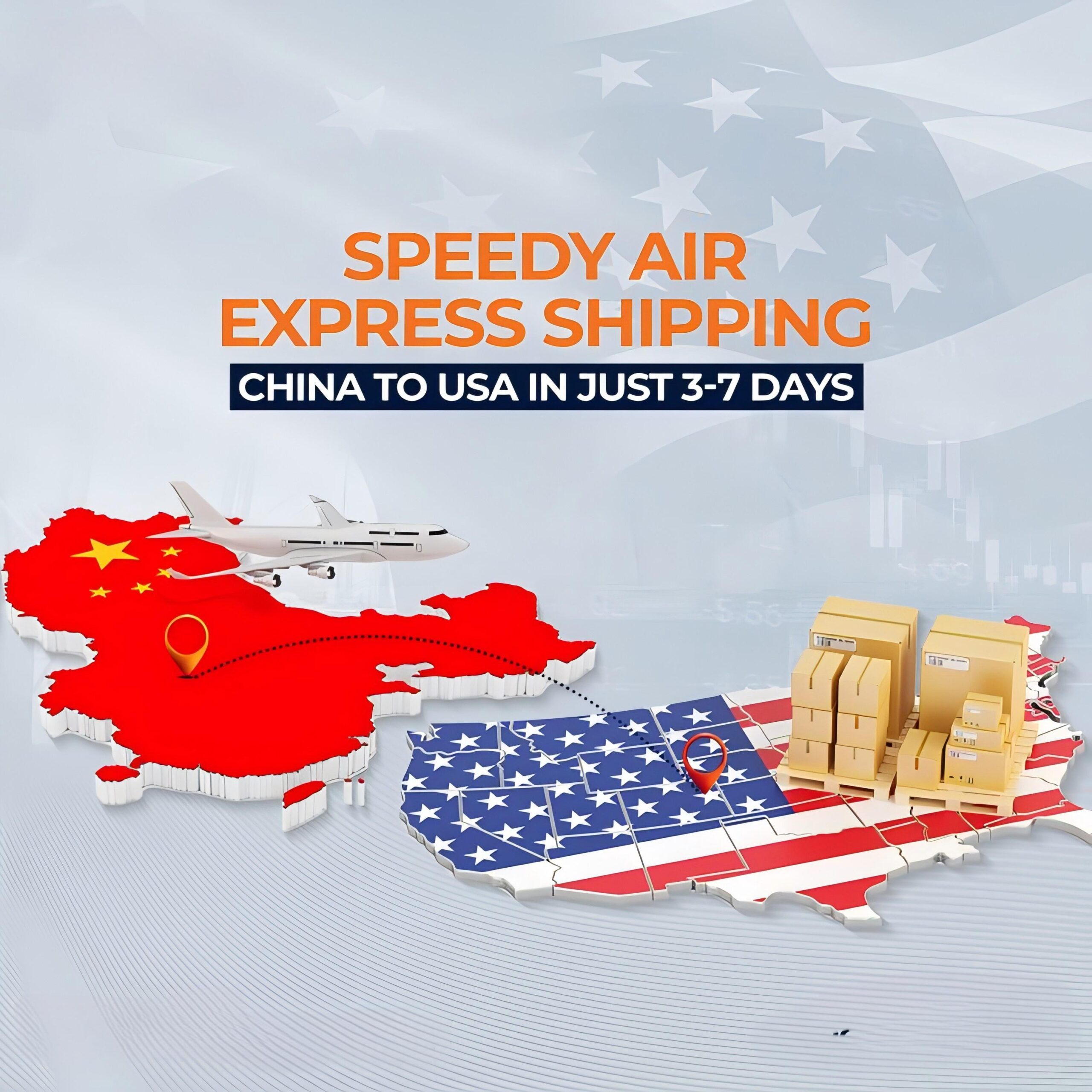
While sea freight excels in cost-efficiency for bulk, other methods offer advantages for specific scenarios. For instance, express services can bridge the gap for urgent small packages. Therefore, consider your specific needs before committing to a single method.
| Shipping Method | Cost Range (20GP/100kg) | Transit Time (China-UK) | Best For | Limitations |
|---|---|---|---|---|
| Sea Freight (FCL) | $2,000-$2,800 (20GP) | 30-38 days | Large volumes, non-urgent, cost-saving | Slow, prone to port delays |
| Sea Freight (LCL) | $50-$80/CBM | 35-45 days | Smaller volumes, cost-effective | Slower, higher risk of damage/loss, more handling |
| Air Freight | $5-$8/kg (100kg+) | 5-7 days | Urgent, high-value, samples | High cost, weight/size restrictions |
| Express Service | $8-$15/kg (small parcels) | 2-4 days | Very urgent, small parcels, documents | Very high cost, strict size/weight limits |
Door-to-Door Service: Simplifying Your Textile Supply Chain
A door-to-door service simplifies the entire shipping process for textiles. This comprehensive solution handles logistics from your supplier’s factory in China directly to your warehouse in the UK. Therefore, it reduces the administrative burden on your business.
Moreover, this service often includes pickup, export customs clearance, international freight, import customs clearance, and final delivery. It offers a single point of contact and consolidated billing. Consequently, it minimizes potential communication gaps and unexpected costs, proving ideal for many textile importers.
Case Studies: Real-World Textile Shipping Scenarios
Examining real-world examples helps illustrate the complexities and solutions in textile logistics. These case studies provide practical insights into various shipping requirements for textiles from China to UK. They highlight how different factors influence the final outcome.
Case Study 1: Bulk Apparel Import for a UK Retailer
This scenario involved a large UK fashion retailer importing a seasonal collection. The priority was cost-effectiveness for a substantial volume of goods, with a reasonable lead time.
| Detail | Description |
|---|---|
| Route | Shanghai, China -> Felixstowe, UK |
| Cargo | Mixed apparel (shirts, trousers), 60 CBM, 15,000 kg |
| Container | 1 x 40HQ |
| Shipping Details | |
| Carrier/Service | COSCO (Major carrier) |
| Port of Loading | Shanghai |
| Port of Discharge | Felixstowe |
| Route Type | Direct service |
| Cost Breakdown (Based on Q3 2024 rates) | |
| Ocean Freight | $3,800 |
| Origin Charges (THC, documentation) | $350 |
| Destination Charges (THC, port fees) | $500 |
| Customs & Duties (estimated) | $4,500 (based on 12% duty + 20% VAT on value) |
| Total Landed Cost | $9,150 |
| Timeline | |
| Booking to Loading | 5 days |
| Sea Transit | 32 days |
| Customs Clearance | 3 days |
| Total Door-to-Door | 40 days |
| Key Insight | Sea freight proved most economical for bulk. Early booking avoided peak season surcharges. |
Case Study 2: Urgent Sample Delivery for Design Approval
A small UK design studio needed urgent textile samples for an upcoming client presentation. Speed was the absolute priority, despite higher costs.
| Detail | Description |
|---|---|
| Route | Guangzhou, China -> London Heathrow, UK |
| Cargo | Fabric swatches, 0.5 CBM, 80 kg |
| Container | Air cargo (palletized) |
| Shipping Details | |
| Carrier/Service | Cathay Pacific Cargo (Major airline) |
| Airport of Loading | Guangzhou Baiyun (CAN) |
| Airport of Discharge | London Heathrow (LHR) |
| Route Type | Direct flight |
| Cost Breakdown (Typical rates as of early 2025) | |
| Air Freight | $640 (approx. $8/kg) |
| Origin Charges (Handling, documentation) | $100 |
| Destination Charges (Handling, security) | $150 |
| Customs & Duties (estimated) | $250 (minimal duty on samples, VAT) |
| Total Landed Cost | $1,140 |
| Timeline | |
| Booking to Loading | 1 day |
| Air Transit | 2 days |
| Customs Clearance | 1 day |
| Total Door-to-Door | 4 days |
| Key Insight | Air freight ensured rapid delivery, critical for time-sensitive design approvals. Express service could have been an alternative for even smaller, lighter samples. |
Case Study 3: Small Batch Textile Import for E-commerce
An e-commerce startup in the UK needed to import a small batch of specialized textile products. The goal was to balance cost with a reasonable delivery time, avoiding the high costs of express courier for a slightly larger volume.
| Detail | Description |
|---|---|
| Route | Ningbo, China -> Southampton, UK |
| Cargo | Specialized fabric rolls, 8 CBM, 2,000 kg |
| Container | LCL (Less than Container Load) |
| Shipping Details | |
| Carrier/Service | MSC (Major carrier) |
| Port of Loading | Ningbo |
| Port of Discharge | Southampton |
| Route Type | Transshipment via Singapore |
| Cost Breakdown (Based on Q1 2025 market rates) | |
| Ocean Freight (LCL) | $560 (8 CBM @ $70/CBM) |
| Origin Charges (Handling, documentation) | $200 |
| Destination Charges (CFS, handling) | $400 |
| Customs & Duties (estimated) | $800 (based on 8% duty + 20% VAT) |
| Total Landed Cost | $1,960 |
| Timeline | |
| Booking to Loading | 7 days |
| Sea Transit | 38 days |
| Customs Clearance | 4 days |
| Total Door-to-Door | 49 days |
| Key Insight | LCL offered a cost-effective solution for small to medium volumes, though with longer transit and more handling. Transshipment added a few days but provided better rate options. |
Which Option Should You Choose for Your Textile Imports?
Deciding on the best shipping method depends entirely on your business priorities. Each choice involves a distinct balance of cost, speed, and cargo characteristics. Therefore, a clear decision framework is beneficial.
Consider your specific operational needs and financial constraints. This approach ensures you select the most suitable and efficient logistics strategy for your textile imports from China to the UK.
Budget Priority: Cost-Effective Shipping
If minimizing costs is your primary concern, sea freight is the recommended option. For shipments over 15 CBM, FCL offers the best per-unit cost. For smaller volumes, LCL provides a more economical solution than air freight. However, be prepared for longer transit times and potential delays.
Speed Priority: Urgent Deliveries
For urgent textile shipments, air freight is the clear winner. If you need goods within a week, this method is indispensable. For extremely small and time-critical items, an express service might be even faster, albeit at a premium. Factor in the value of speed against the increased freight rates.
Cargo Type Considerations: Textiles Specifics
Fragile or high-value textiles might benefit from air freight to minimize handling and transit time. Bulky, less delicate items, such as rolls of fabric or finished apparel in cartons, are well-suited for sea freight. Consider the specific packaging requirements and potential for damage during transit.
Hybrid Solutions and Trade-offs
For certain situations, a hybrid approach might be optimal. For instance, sending initial samples by air and bulk orders by sea can balance speed and cost. This strategy allows for quick market entry while maintaining budget control for the main inventory. Evaluate the trade-offs between inventory holding costs and freight expenses.
The Role of a Freight Forwarder and Customs Brokerage
Partnering with an experienced freight forwarder is invaluable for managing the complexities of textile imports. They handle everything from booking cargo space to navigating customs procedures. Thus, they streamline your entire logistics process.
A good freight forwarder, like Top China Freight, can also provide customs brokerage services. This ensures accurate declaration, duty calculation, and compliance with all UK import regulations. Consequently, it minimizes risks of delays and penalties for your textile shipments. Their expertise in Incoterms, tariffs, and documentation is critical.
Market Context and Pricing Considerations for Textile Shipping
Freight rates for shipping textiles from China to the UK are dynamic and influenced by several market factors. These include fuel costs, carrier capacity, and global demand. Therefore, staying informed about current market conditions is beneficial.
As of Q1 2025, freight rates from China to Europe have generally stabilized after the volatility seen in 2024 due to Red Sea disruptions. However, seasonal patterns still cause fluctuations. Rates typically increase 15-25% during the August-October peak season for holiday goods. Always obtain a current quote.
Note: Freight rates are subject to change based on fuel costs, carrier capacity, and seasonal demand. Contact us for a current quote tailored to your specific shipment.
Conclusion: Navigating Textile Imports Successfully
Successfully importing textiles from China to the UK requires careful attention to regulations, documentation, and logistics. Choosing the right shipping method, understanding duties, and partnering with experienced professionals are key to efficiency. Ultimately, a well-planned strategy ensures your textile products reach their destination smoothly and on time.
By understanding the intricacies of shipping requirements for textiles from China to UK, businesses can mitigate risks and optimize their supply chain. Proactive planning and expert assistance are invaluable assets in this complex global trade environment.