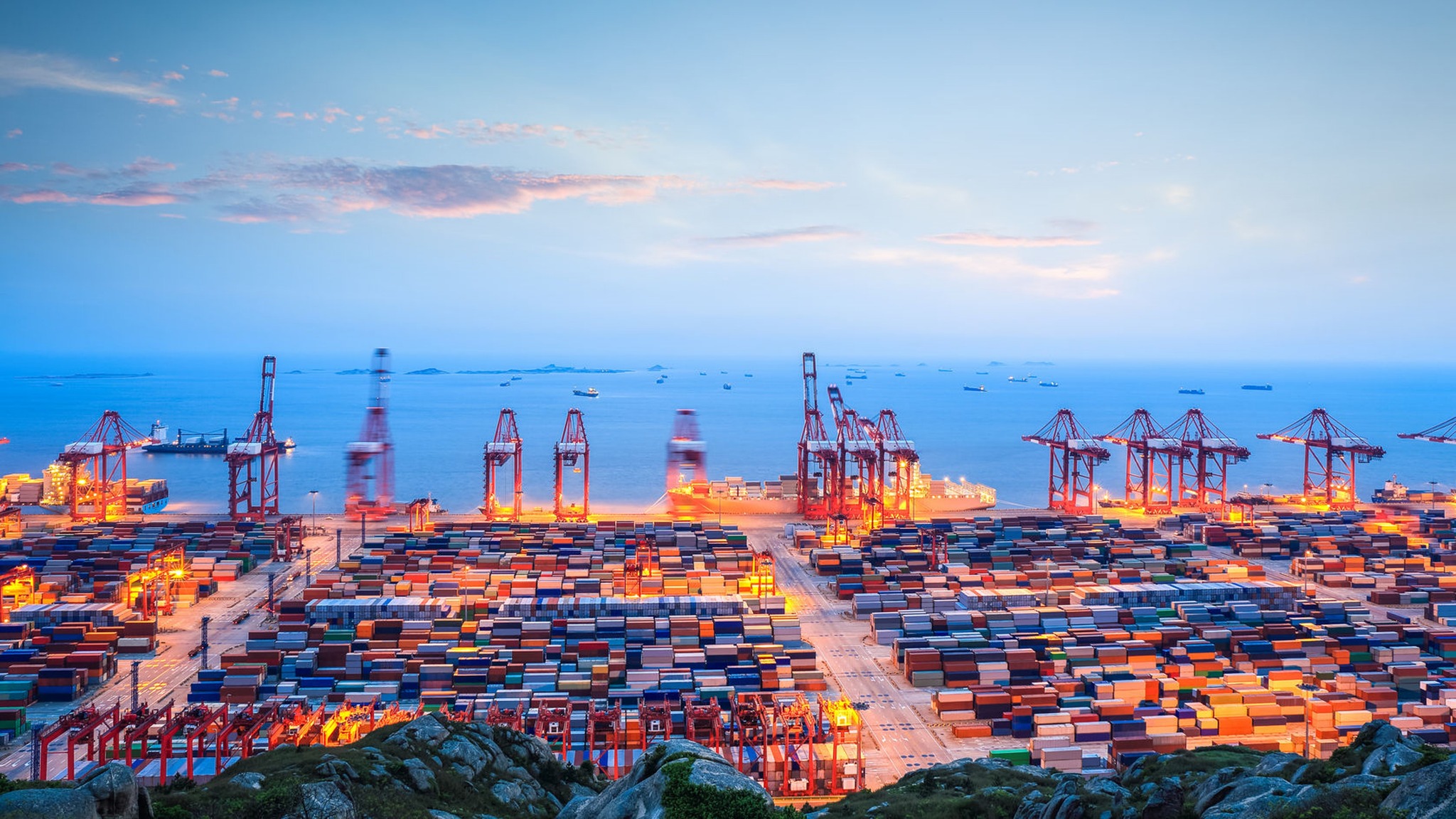
Cheap LCL Shipping from Shenzhen to Australia: Your Ultimate Guide
Importing goods from China to Australia can be a complex process, especially for small to medium-sized businesses. Navigating logistics and ensuring cost-effectiveness is often a significant challenge. Fortunately, Top China Freight offers robust solutions for cheap LCL shipping from Shenzhen to Australia, making international trade more accessible. This comprehensive guide will help you understand how to optimize your shipments and reduce expenses.
✦
Understanding LCL Shipping: Is it Right for Your Cargo?
Less than Container Load (LCL) shipping refers to the transportation of cargo that does not fill an entire shipping container. Instead, multiple smaller shipments from different consignees are consolidated into one container. This method is particularly beneficial for businesses with smaller volumes of goods that do not justify the cost of a full container.
Indeed, LCL offers a highly economical alternative for importers looking to manage their sea freight costs. It allows businesses to pay only for the space their cargo occupies, thereby significantly reducing overall shipping expenses. Consequently, it democratizes international trade, enabling even small enterprises to import goods efficiently from global manufacturing hubs.
Moreover, choosing LCL simplifies the logistics for individual importers who might not have sufficient cargo to fill a 20GP or 40HQ container. This approach minimizes wasted space and optimizes freight rates per cubic meter. Therefore, for many, LCL shipping presents a practical and budget-friendly solution for their international supply chain needs.
Why Choose Cheap LCL Shipping from Shenzhen to Australia?
Shenzhen, a prominent manufacturing and export hub in China, offers unparalleled advantages for international shipping. Its world-class port facilities and extensive network of freight forwarders make it an ideal origin for shipments to Australia. Furthermore, the competitive market in Shenzhen often translates into more affordable freight rates.
For businesses seeking cheap LCL shipping from Shenzhen to Australia, the city’s strategic location is key. It serves as a gateway for countless products manufactured across Southern China, facilitating efficient cargo consolidation. As a result, businesses can access a wider range of suppliers and benefit from optimized logistics trends, ensuring timely and cost-effective delivery.
Moreover, Australia’s robust import market and demand for diverse goods make this route particularly active. Utilizing LCL services from Shenzhen allows Australian businesses to maintain lean inventory levels and respond quickly to market demands. This flexibility is crucial for managing cash flow and reducing warehousing costs in the long term, offering a distinct competitive edge.
How Does LCL Shipping Work: The Step-by-Step Process Explained
Understanding the LCL shipping process is vital for a smooth import experience. Initially, your freight forwarder collects your cargo from your supplier in Shenzhen. Subsequently, it is transported to a consolidation warehouse, where it waits to be combined with other shipments destined for Australia.
Once enough cargo is gathered to fill a container, the goods are professionally packed and loaded. The container is then moved to the port of loading in Shenzhen, ready for ocean transit. During this phase, meticulous cargo handling and documentation are crucial to prevent delays and ensure compliance with international shipping regulations.
Upon arrival at an Australian port, the container undergoes deconsolidation. Individual shipments are then separated and cleared through customs. Finally, the cargo is prepared for local delivery to its ultimate destination, often facilitated by door-to-door services. This streamlined process ensures efficiency from origin to final delivery schedule.
Navigating Costs: What Affects Cheap LCL Shipping Rates?
Several factors influence the overall cost of LCL shipping from Shenzhen to Australia. Understanding these elements can help businesses find the most economical solutions. Volume and weight are primary drivers, as LCL rates are typically calculated per cubic meter (CBM) or per 100 kg, whichever yields a higher charge.
Additionally, port charges at both origin and destination significantly impact the final freight rates. These can include terminal handling charges (THC), documentation fees, and various surcharges like BAF (Bunker Adjustment Factor) or CAF (Currency Adjustment Factor). Consequently, unexpected fees can quickly inflate the initial quote.
Furthermore, seasonality plays a crucial role in determining shipping costs. Peak seasons, such as before major holidays like Chinese New Year or during the year-end shopping rush, often see increased demand and higher rates. Planning your shipments outside these periods can therefore result in more competitive pricing for your shipping from China to Australia.
Customs duties and taxes, along with any necessary inspections, also contribute to the total landed cost. Engaging a reliable customs brokerage service can help streamline this process and prevent costly delays. Therefore, a comprehensive understanding of these variables is essential for securing truly cheap LCL shipping.
| Cost Component | Description | Impact on LCL Rates |
|---|---|---|
| Ocean Freight | Base cost for sea transport | Calculated by volume/weight (CBM/100kg) |
| Origin Charges | THC, documentation, loading in Shenzhen | Fixed fees per shipment or based on volume |
| Destination Charges | THC, deconsolidation, handling in Australia | Can vary significantly by port and agent |
| Customs & Duties | Import taxes, tariffs, clearance fees | Based on cargo value and commodity type |
| Inland Transportation | From warehouse to port, and port to final delivery | Depends on distance and service level (e.g., door-to-door) |
| Surcharges | Fuel (BAF), currency (CAF), peak season, security | Fluctuate based on market conditions |
How Does LCL Shipping Compare to Other Options for Australia?
When considering cheap LCL shipping from Shenzhen to Australia, it is crucial to evaluate alternative logistics solutions. Each method offers distinct advantages and disadvantages concerning cost, speed, and suitability for different cargo types. Making an informed decision ensures your supply chain remains efficient and budget-friendly.
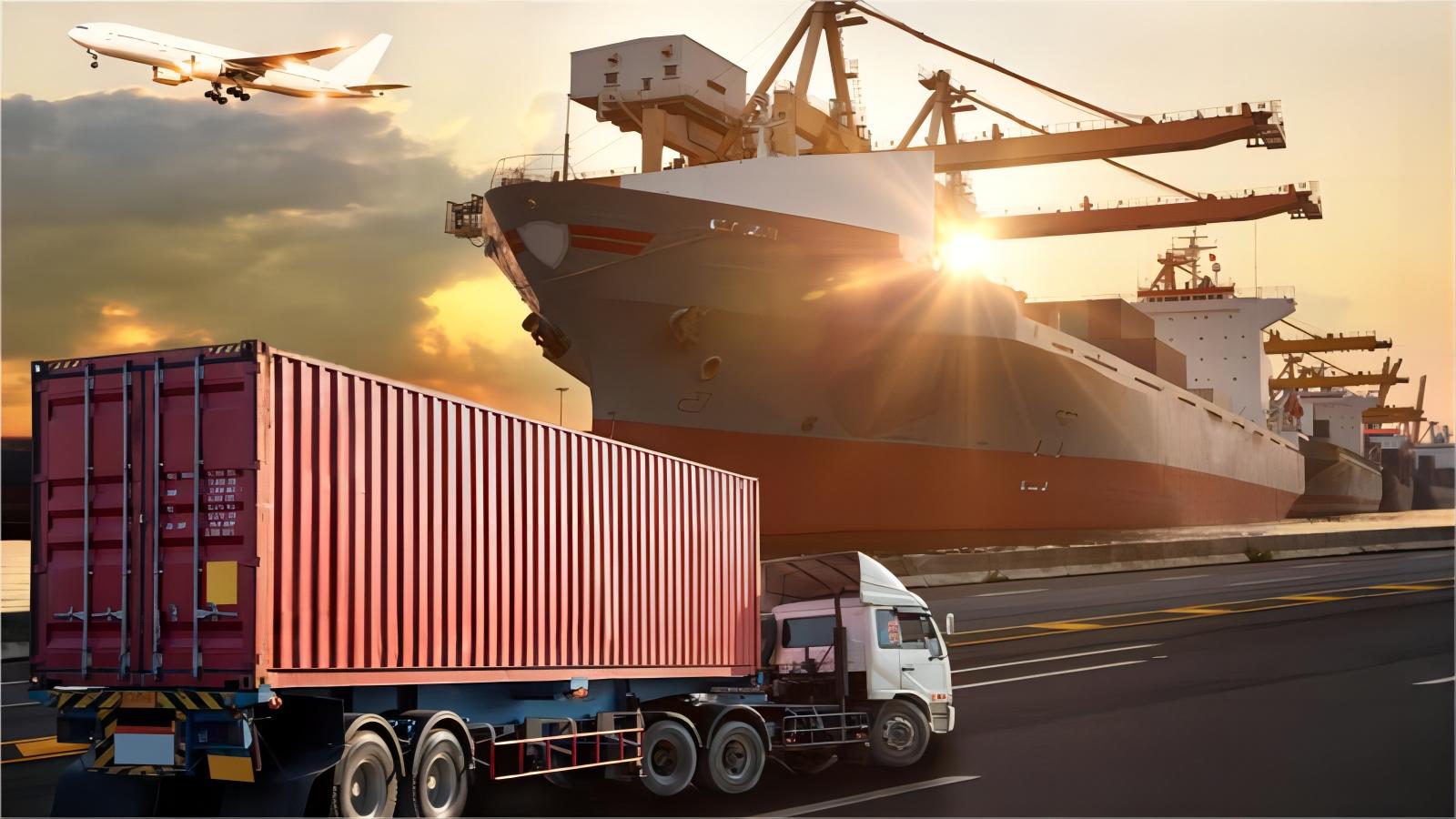
For instance, while LCL is excellent for smaller shipments, Full Container Load (FCL) shipping is more economical for larger volumes. However, air freight provides unmatched speed for urgent deliveries, albeit at a significantly higher cost. Therefore, matching the shipping method to your specific needs is paramount.
Moreover, express services cater to very small, time-sensitive parcels, offering door-to-door convenience but with premium pricing. Understanding these trade-offs helps businesses select the optimal strategy for each unique import requirement. Ultimately, the best choice balances cost, transit time, and cargo characteristics.
| Shipping Method | Cost / Transit Time | Best For | Limitations |
|---|---|---|---|
| LCL Sea Freight | Low ($50-100/CBM) / 12-25 days | Small to medium shipments (1-15 CBM), non-urgent | Slower, potential for delays, more handling |
| FCL Sea Freight | Moderate ($1,200-2,000/container) / 12-18 days | Large shipments (15+ CBM), bulk goods | Requires full container, higher upfront cost |
| Air Freight | High ($4-8/kg) / 3-7 days | Urgent, high-value, perishable goods | Expensive, weight/volume restrictions, environmental impact |
| Express Service | Very High ($8-15/kg) / 2-5 days | Small, very urgent parcels, samples | Highest cost, strict size/weight limits |
Optimizing Your LCL Shipment for Cost and Efficiency
Achieving truly cheap LCL shipping from Shenzhen to Australia requires strategic planning and attention to detail. Proper documentation is paramount; ensuring all paperwork is accurate and complete prevents costly customs delays. Errors can lead to penalties and storage fees, negating any initial cost savings.
Furthermore, effective packaging and labeling are critical for cargo protection and efficient handling. Consolidating multiple small orders into one LCL shipment can also yield significant savings. This strategy reduces the number of individual shipments, thereby lowering per-shipment processing fees and maximizing container space utilization.
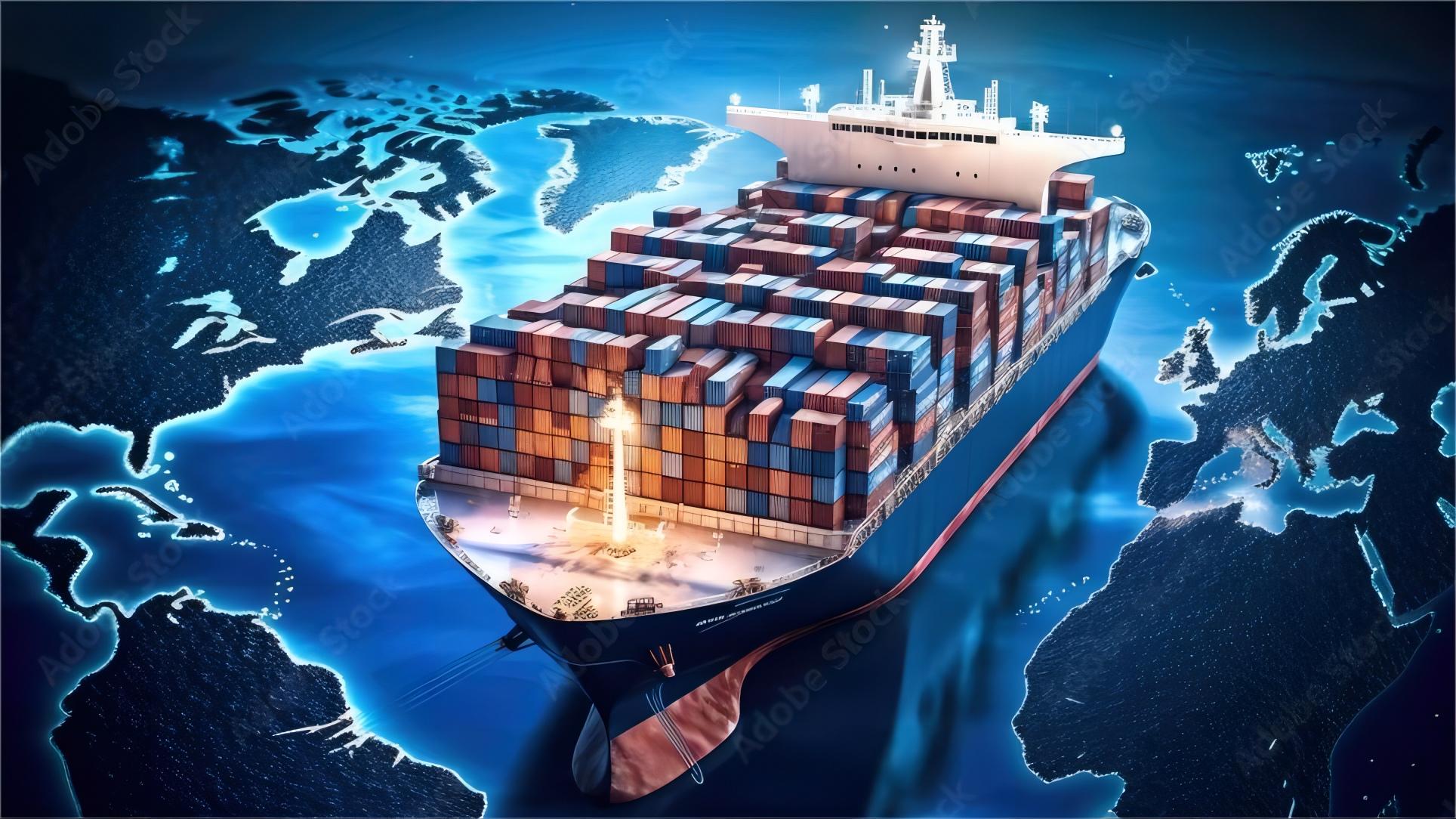
Choosing a reliable freight forwarder with extensive experience in the China-Australia route is another key factor. A knowledgeable partner can offer insights into the best shipping routes, optimize transit time, and navigate complex customs regulations. They can also provide transparent freight rates and help manage your supply chain effectively. Consider planning ahead, especially during peak seasons, to secure favorable rates and avoid last-minute surcharges.
Real-World Scenarios: Successful LCL Shipments to Australia
To illustrate the practical benefits of LCL shipping, consider these real-world examples. These case studies highlight how businesses leverage cheap LCL shipping from Shenzhen to Australia to optimize their import operations. Each scenario demonstrates different cargo types and logistics challenges.
Indeed, understanding these examples can provide valuable insights into managing your own international shipments effectively. They showcase how proper planning and choosing the right partner can lead to successful and cost-efficient outcomes. These situations are based on typical market conditions as of early 2025.
Case Study 1: Small E-commerce Business Importing Electronics
A small online retailer in Sydney needed to import a batch of consumer electronics, totaling 5 CBM. Opting for LCL allowed them to replenish stock without committing to a full container. This choice provided significant flexibility and reduced their inventory holding costs.
| Detail | Value |
|---|---|
| Route | Shenzhen, China -> Sydney, Australia |
| Cargo | Consumer Electronics, 5 CBM, 1500 kg |
| Container | LCL 5 CBM |
| Shipping Details | Carrier: Major carrier; Port of Loading: Shenzhen; Port of Discharge: Sydney; Route Type: Direct |
| Cost Breakdown | Ocean Freight: $450 (approx. $90/CBM); Origin Charges: $120; Destination Charges: $200; Customs & Duties (estimated): $350; Total Landed Cost: $1120 |
| Timeline | Booking to Loading: 5 days; Sea Transit: 15 days; Customs Clearance: 3 days; Total Door-to-Port: 23 days |
| Key Insight | LCL enabled cost-effective, frequent stock replenishment for a growing e-commerce store. Transparent freight rates were crucial. |
Case Study 2: Consolidating Multiple Suppliers for Fashion Goods
A fashion boutique in Melbourne sourced apparel from three different suppliers across Shenzhen. By using LCL consolidation services, they combined all orders into a single shipment, streamlining their import process. This approach significantly reduced their overall logistics costs and transit time.
| Detail | Value |
|---|---|
| Route | Shenzhen, China -> Melbourne, Australia |
| Cargo | Apparel & Accessories, 8 CBM, 2200 kg |
| Container | LCL 8 CBM |
| Shipping Details | Carrier: Major carrier; Port of Loading: Shenzhen; Port of Discharge: Melbourne; Route Type: Direct |
| Cost Breakdown | Ocean Freight: $680 (approx. $85/CBM); Origin Charges: $150; Destination Charges: $250; Customs & Duties (estimated): $500; Total Landed Cost: $1580 |
| Timeline | Booking to Loading: 7 days; Sea Transit: 18 days; Customs Clearance: 4 days; Total Door-to-Port: 29 days |
| Key Insight | Consolidation of multiple supplier orders into one LCL shipment saved substantial costs and simplified customs procedures. |
Case Study 3: Importing Specialized Industrial Components
An engineering firm in Brisbane required specialized industrial components, weighing 1000 kg and occupying 3 CBM. Given the cargo’s value and non-urgent nature, cheap LCL shipping was the ideal choice. This allowed them to manage their project budget effectively while ensuring timely delivery of critical parts.
| Detail | Value |
|---|---|
| Route | Shenzhen, China -> Brisbane, Australia |
| Cargo | Industrial Components, 3 CBM, 1000 kg |
| Container | LCL 3 CBM |
| Shipping Details | Carrier: Major carrier; Port of Loading: Shenzhen; Port of Discharge: Brisbane; Route Type: Transshipment via Singapore |
| Cost Breakdown | Ocean Freight: $285 (approx. $95/CBM); Origin Charges: $100; Destination Charges: $180; Customs & Duties (estimated): $200; Total Landed Cost: $765 |
| Timeline | Booking to Loading: 6 days; Sea Transit: 22 days; Customs Clearance: 3 days; Total Door-to-Port: 31 days |
| Key Insight | Even with transshipment, LCL remained cost-effective for specialized, lower-volume goods, managing the import/export process efficiently. |
Which Shipping Option Should You Choose for Your Australian Imports?
Deciding on the best shipping method involves weighing various factors against your business priorities. Your budget, urgency, cargo type, and volume thresholds all play crucial roles in this decision. Therefore, a clear decision framework can guide you towards the most suitable option.
If budget is your primary concern, and your goods are not time-sensitive, cheap LCL shipping from Shenzhen to Australia is undoubtedly the most cost-effective choice. It allows for significant savings on freight rates for smaller volumes. Conversely, for urgent, high-value, or perishable items, air freight or express services are preferable despite their higher cost.
For cargo exceeding 15 CBM, transitioning to FCL sea freight often becomes more economical. This is because the per-CBM cost for LCL can, at a certain point, surpass the cost of a full container. Always consider the total landed cost, including all associated fees, to make the most informed decision for your supply chain management.
Market Insights and Future Trends in China-Australia Shipping
The landscape of international shipping is constantly evolving, influenced by global events and economic shifts. As of early 2025, freight rates from China to Australia have largely stabilized after periods of volatility. However, seasonal demand continues to impact pricing, with rates typically increasing by 15-25% during the August-October peak season.
Industry data suggests that the demand for efficient and affordable logistics solutions remains strong, especially for routes like Shenzhen to Australia. Furthermore, advancements in digital platforms are making it easier for businesses to obtain transparent quotes and track their shipments. This trend enhances overall supply chain visibility and control.
Moreover, sustainability is an increasingly important factor in logistics trends. While LCL sea freight is already a more environmentally friendly option than air freight, shippers are increasingly seeking partners committed to reducing carbon footprints. Consequently, choosing a forwarder that prioritizes efficiency and responsible practices can also align with your company’s values.
Your Partner for Efficient and Cheap LCL Shipping
In conclusion, navigating international shipping, especially securing cheap LCL shipping from Shenzhen to Australia, demands careful planning and a reliable logistics partner. By understanding the LCL process, cost drivers, and comparing options, businesses can make informed decisions. This ultimately leads to significant savings and improved supply chain efficiency.
Indeed, choosing an experienced freight forwarder is paramount to ensuring a smooth, cost-effective, and timely delivery of your goods. They provide the expertise needed to handle documentation, customs, and consolidation, allowing you to focus on your core business. Partner with us to unlock the full potential of your China-Australia imports.
Ready to optimize your imports and secure cheap LCL shipping from Shenzhen to Australia? Contact our experts today for a personalized quote and discover how our tailored solutions can benefit your business. We are here to streamline your international logistics.
Request Quote