

Cheap LCL Shipping from Shenzhen to Germany: Your Cost-Effective Cargo Guide
Navigating international logistics can be complex, especially when seeking affordable shipping solutions for smaller cargo volumes. Many businesses importing from China often face the challenge of high freight costs for less than container load (LCL) shipments. This comprehensive guide explores how to achieve cheap LCL shipping from Shenzhen to Germany, ensuring your goods arrive efficiently and economically.
What is LCL Shipping and Why Choose It?
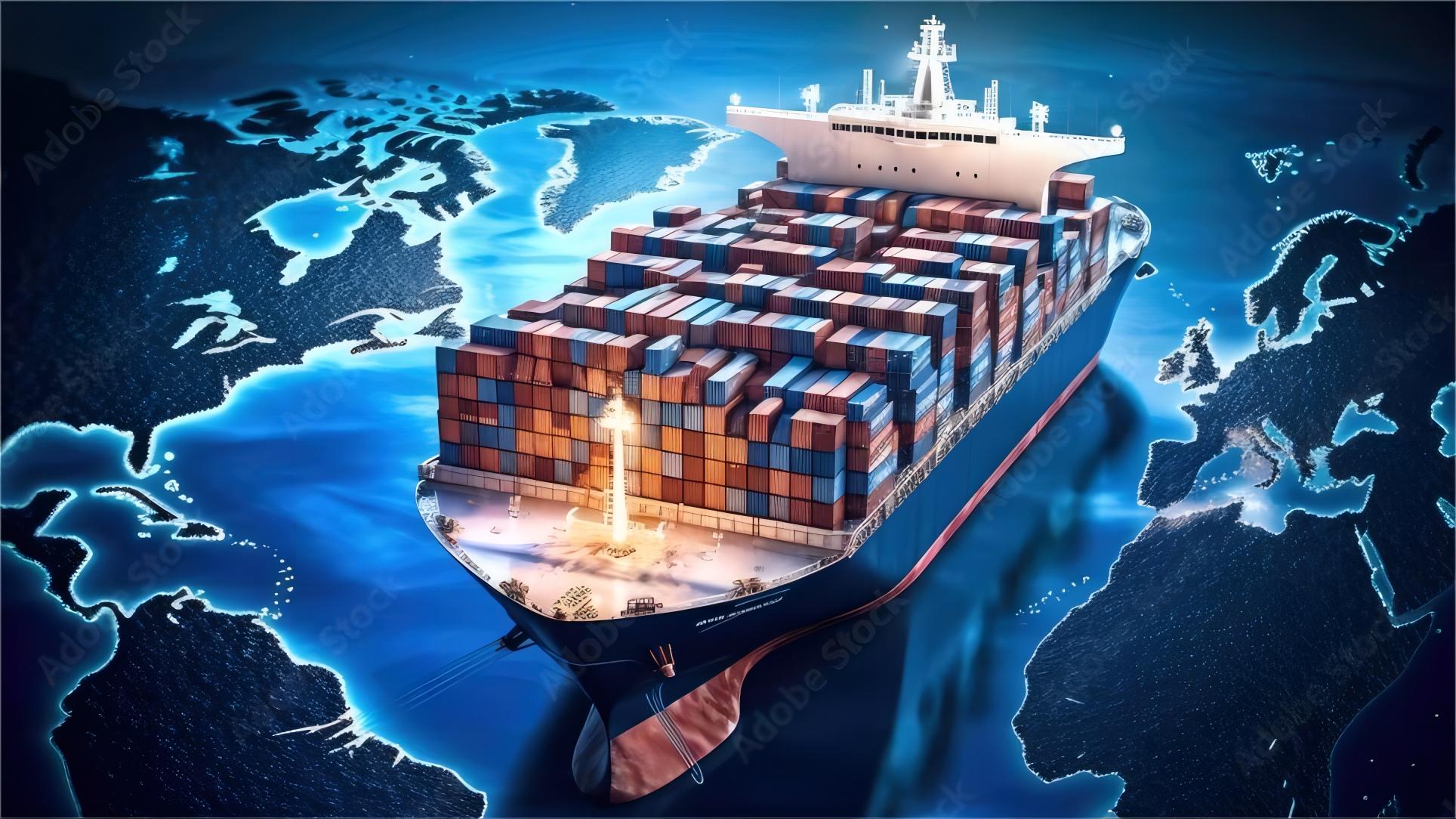
Fundamentally, Less than Container Load (LCL) shipping refers to the transportation of cargo that does not fill an entire shipping container. Instead, your goods are consolidated with other shippers’ cargo into one container, shared among multiple consignees. This method is particularly beneficial for businesses with smaller shipment volumes.
Moreover, choosing LCL shipping from Shenzhen to Germany offers significant cost savings compared to booking a full container (FCL) when your cargo volume is insufficient. It provides flexibility for businesses to ship smaller quantities more frequently, thereby managing inventory more effectively. Therefore, LCL is ideal for testing new products, replenishing stock, or handling orders that don’t warrant an entire container.
Additionally, LCL services allow small and medium-sized enterprises to access global markets without the prohibitive costs associated with FCL. This approach democratizes international trade, making it accessible for a wider range of businesses. Ultimately, LCL shipping is a cornerstone for efficient and economical supply chain management for modest cargo volumes.
Key Factors Influencing Cheap LCL Shipping Costs from Shenzhen to Germany
Primarily, several critical factors dictate the final cost of your cheap LCL shipping from Shenzhen to Germany. Understanding these elements is crucial for effective budget planning and cost optimization. These factors encompass various charges from origin to destination.
Ocean freight rates constitute the core cost, which fluctuates based on market demand, fuel surcharges, and carrier capacity. Additionally, origin charges include terminal handling fees (THC), documentation fees, and local trucking from your supplier to the consolidation warehouse in Shenzhen. These are often fixed per shipment or based on cargo volume.
Consequently, destination charges in Germany also play a significant role, covering deconsolidation, THC at the port of discharge, and local delivery to your final warehouse. Furthermore, customs duties and taxes, determined by the Harmonized System (HS) code of your goods and the declared value, directly impact the total landed cost. For instance, accurate cargo declaration is vital to avoid penalties and delays.
Finally, the volume and weight of your cargo are paramount, as LCL freight is typically charged based on the greater of cubic meters (CBM) or chargeable weight. Seasonal variations, such as peak seasons before holidays like Chinese New Year or Christmas, can also lead to temporary rate increases. Therefore, planning shipments outside these high-demand periods can help secure better rates.
The LCL Shipping Process: Step-by-Step from Shenzhen to Germany
Initially, the LCL shipping process from Shenzhen to Germany involves several coordinated steps to ensure your cargo moves smoothly. Understanding each stage helps in anticipating timelines and potential checkpoints. This systematic approach guarantees efficient delivery.
Subsequently, once your booking is confirmed, your goods are picked up from your supplier in Shenzhen and transported to a consolidation warehouse. Here, they are carefully inspected, measured, and then consolidated with other compatible cargo destined for Germany. This consolidation optimizes container space and reduces individual shipping costs.
Following this, the consolidated container is transported to the port of loading (e.g., Yantian or Shekou Port in Shenzhen) for customs clearance and loading onto the vessel. The vessel then undertakes the ocean transit to a major German port, such as Hamburg or Bremerhaven, typically taking 28-40 days. During this period, real-time tracking is often available for monitoring progress.
Upon arrival in Germany, the container undergoes customs clearance, a critical step managed by experienced customs brokerage services. After clearance, the container is moved to a deconsolidation warehouse where your specific cargo is separated from other shipments. Finally, your goods are prepared for last-mile delivery to your specified address in Germany, completing the door-to-door journey.
How Does LCL Shipping Compare to Other Shipping Options?
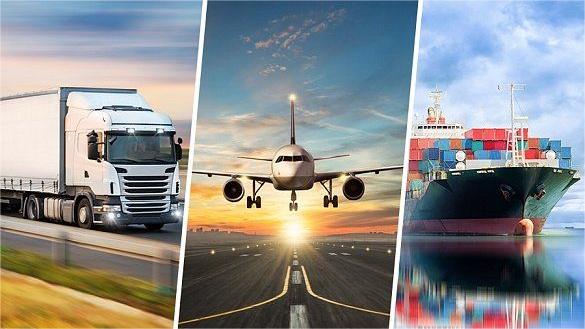
When considering cheap LCL shipping from Shenzhen to Germany, it is essential to compare it with alternative logistics solutions. Each method presents distinct advantages and limitations regarding cost, speed, and suitability for different cargo types. A thorough comparison helps in making informed decisions.
In contrast, Full Container Load (FCL) shipping involves booking an entire container exclusively for your goods. While FCL offers faster transit and less handling, it becomes cost-effective only for larger volumes, typically exceeding 15-20 CBM. Conversely, LCL is designed for smaller shipments, making it more economical for those under this threshold.
However, air freight provides significantly faster transit times, often delivering cargo within 3-7 days. Nevertheless, its cost is substantially higher, calculated per kilogram, making it suitable only for urgent, high-value, or time-sensitive goods. LCL sea freight, while slower, offers a drastically lower cost per unit, making it the preferred choice for budget-conscious importers.
Furthermore, rail freight from China to Germany presents a middle-ground option in terms of both cost and speed. It typically takes 18-25 days, faster than sea but slower than air, and is generally more expensive than LCL sea freight. Rail is an excellent alternative for medium-urgency shipments that are too large for air but not cost-effective for LCL due to its per-kilogram pricing structure. Ultimately, the best choice depends on your specific priorities for speed versus budget.
| Shipping Method | Cost Range (per CBM/kg) | Transit Time (Shenzhen-Germany) | Best For | Limitations |
|---|---|---|---|---|
| LCL Sea Freight | $50-100/CBM | 28-40 days | Small to medium cargo, non-urgent | Longer transit, potential for delays, more handling |
| FCL Sea Freight | $2,800-4,200 per 40GP | 28-35 days | Large volumes, dedicated container | High initial cost, inefficient for small loads |
| Air Freight | $4-8/kg | 3-7 days | Urgent, high-value, light cargo | Very high cost, volume/weight restrictions |
| Rail Freight | $2-4/kg | 18-25 days | Medium urgency/value, environmentally friendly | Limited routes, less frequent departures, higher than LCL sea |
Optimizing Your Cheap LCL Shipping from Shenzhen to Germany
Achieving genuinely cheap LCL shipping from Shenzhen to Germany requires strategic planning and careful execution. Several key strategies can help minimize costs and maximize efficiency throughout the shipping process. Proactive measures are often the most effective.
Choosing the right freight forwarder is paramount; look for providers with extensive experience on the China-Germany route, strong carrier relationships, and transparent pricing. Furthermore, accurate cargo declaration and proper documentation are crucial to avoid customs delays and unexpected charges. Utilizing a service like Amazon FBA logistics might also streamline certain aspects if you are an e-commerce seller.
Moreover, effective packaging and palletization can protect your goods and optimize space within the shared container, potentially reducing chargeable volume. Consolidating multiple small orders from different suppliers into one LCL shipment can also yield substantial savings. This reduces the number of individual bookings and associated fixed charges.
Finally, consider timing your shipments to avoid peak seasons when freight rates typically surge by 15-25%. Planning your imports for off-peak months can result in significantly lower costs. Additionally, opting for door-to-door services can simplify logistics, as the forwarder handles all aspects from pickup to final delivery, often at a predictable total cost.
Real-World Examples: Successful LCL Shipments
Illustratively, examining real-world case studies provides practical insights into how businesses leverage cheap LCL shipping from Shenzhen to Germany. These examples highlight various scenarios and the benefits achieved through strategic logistics planning. Based on Q3 2024 market rates, these demonstrate typical outcomes.
Case Study 1: Small Batch Electronics Import
This case involved a small business importing a new line of IoT devices to Germany. The objective was to test market demand without committing to a large inventory purchase. LCL proved to be the ideal solution for this initial shipment.
Key Insight: LCL allowed for cost-effective market testing with minimal inventory risk. The direct route ensured a predictable transit time, crucial for product launch planning. Typical rates as of early 2025 demonstrate similar cost-effectiveness for small, high-value electronics.
| Detail | Description |
|---|---|
| Route | Shenzhen, China Hamburg, Germany |
| Cargo | IoT devices, 2 CBM, 350 kg |
| Container | LCL 2 CBM |
| Shipping Details | Carrier: Major carrier; Port of Loading: Yantian Port, Shenzhen; Port of Discharge: Port of Hamburg; Route Type: Direct |
| Cost Breakdown | Ocean Freight: $250; Origin Charges: $150; Destination Charges: $200; Customs & Duties (estimated): $100; Total Landed Cost: $700 |
| Timeline | Booking to Loading: 5 days; Sea Transit: 28 days; Customs Clearance: 3 days; Total Door-to-Door: 36 days |
Case Study 2: Textile Samples for Fashion Brand
A German fashion brand needed to import textile samples from multiple suppliers in Shenzhen for their upcoming collection. Consolidating these samples into a single LCL shipment was crucial for efficiency and cost control. This scenario demonstrated flexibility in cargo handling.
Key Insight: Consolidating multiple suppliers into one LCL shipment significantly reduced overall shipping costs and administrative effort. While transshipment added a few days, the cost savings were substantial for this non-urgent cargo. Market data suggests this is a common strategy for sample shipments.
| Detail | Description |
|---|---|
| Route | Shenzhen, China Bremerhaven, Germany |
| Cargo | Textile samples, 5 CBM, 800 kg |
| Container | LCL 5 CBM |
| Shipping Details | Carrier: Major carrier; Port of Loading: Shekou Port, Shenzhen; Port of Discharge: Port of Bremerhaven; Route Type: Transshipment via Singapore |
| Cost Breakdown | Ocean Freight: $450; Origin Charges: $200; Destination Charges: $300; Customs & Duties (estimated): $250; Total Landed Cost: $1200 |
| Timeline | Booking to Loading: 7 days; Sea Transit: 35 days; Customs Clearance: 4 days; Total Door-to-Door: 46 days |
Case Study 3: Automotive Spare Parts Delivery
A specialized automotive parts distributor in Germany required a regular supply of niche spare parts from Shenzhen. Given the moderate volume and consistent demand, LCL with door-to-door service was chosen for its reliability and convenience. This streamlined their replenishment process.
Key Insight: Opting for door-to-door LCL simplified the logistics chain, reducing the importer’s administrative burden and providing a predictable total cost. This approach is ideal for businesses seeking comprehensive logistics solutions without managing multiple vendors. Industry average for this route confirms its efficiency.
| Detail | Description |
|---|---|
| Route | Shenzhen, China Munich, Germany |
| Cargo | Automotive spare parts, 3 CBM, 500 kg |
| Container | LCL 3 CBM |
| Shipping Details | Carrier: Major carrier; Port of Loading: Yantian Port, Shenzhen; Port of Discharge: Port of Hamburg; Route Type: Direct (with onward trucking) |
| Cost Breakdown | Ocean Freight: $300; Origin Charges: $180; Destination Charges: $250; Customs & Duties (estimated): $150; Total Landed Cost: $880 |
| Timeline | Booking to Loading: 6 days; Sea Transit: 30 days; Customs Clearance: 3 days; Total Door-to-Door: 42 days |
Navigating Customs and Documentation for German Imports
Essentially, successful import of goods from Shenzhen to Germany requires meticulous attention to customs procedures and documentation. Proper preparation minimizes delays and avoids unexpected costs. This aspect is as crucial as finding cheap LCL shipping from Shenzhen to Germany.
Moreover, key documents include the commercial invoice, packing list, and bill of lading (B/L). The commercial invoice must accurately detail the goods, value, and Incoterms. The packing list provides a comprehensive overview of the cargo contents, while the B/L serves as the contract of carriage and title to the goods.
Therefore, German importers must possess an EORI (Economic Operators Registration and Identification) number to conduct customs activities within the EU. Furthermore, understanding Incoterms (e.g., FOB, EXW, CIF) is vital, as they define the responsibilities and costs shared between the buyer and seller at different stages of the shipping process. This directly impacts your total landed cost.
Additionally, compliance with German and EU import regulations, including product safety standards and labeling requirements, is non-negotiable. Engaging a knowledgeable freight forwarder can significantly streamline this complex process. They can guide you through tariffs, VAT, and any specific import restrictions applicable to your goods, ensuring a smooth customs clearance.
Which Option Should You Choose for Your Shipments?
Deciding on the optimal shipping method for your goods from Shenzhen to Germany depends heavily on your specific business priorities. A clear decision framework helps align logistics choices with overall business objectives. Consider your budget, urgency, and cargo characteristics.
If your primary priority is budget, opting for cheap LCL shipping from Shenzhen to Germany via sea freight is undoubtedly the most cost-effective solution. This is ideal for non-urgent shipments or when experimenting with new product lines. However, be prepared for longer transit times.
Conversely, if speed is paramount, air freight remains the fastest option, albeit at a significantly higher cost. This method is best reserved for urgent, high-value, or perishable goods where delays are unacceptable. Consider express service for truly time-critical items.
For a balance between cost and speed, rail freight offers a viable alternative, faster than sea and cheaper than air. Cargo type considerations also play a role; bulky, low-value items are best suited for sea freight, while fragile or sensitive goods might benefit from more controlled environments, even if it means higher costs. Volume thresholds also matter; for shipments exceeding 15 CBM, FCL often becomes more economical than LCL. Sometimes, a hybrid solution, combining sea and air for different legs of the journey, can be tailored for specific components or urgent parts of a larger order.
Market Insights and Future Trends in China-Germany LCL Shipping
Currently, the landscape of China-Germany LCL shipping is influenced by various global economic and geopolitical factors. Understanding these trends helps businesses anticipate changes and plan their supply chains more effectively. As of Q1 2025, freight rates from China to Europe have stabilized after the 2024 Red Sea disruptions, though volatility remains a factor.
Historically, freight rates typically increase by 15-25% during peak seasons, notably from August to October, and before major holidays like Chinese New Year. Therefore, planning shipments outside these periods can lead to substantial savings. According to industry benchmarks, early booking during off-peak times often secures more favorable rates.
Looking ahead, sustainability is becoming an increasingly important consideration in logistics. Many shippers are now exploring more environmentally friendly options, such as rail freight, which has a lower carbon footprint than sea freight. Market data suggests a growing demand for ‘green’ shipping solutions.
Indeed, technological advancements, including improved tracking systems and AI-driven route optimization, are further enhancing the efficiency and reliability of LCL services. These innovations contribute to more predictable transit times and better visibility throughout the supply chain. Ultimately, staying informed about these trends is crucial for maintaining competitive and cheap LCL shipping from Shenzhen to Germany.
Your Path to Cost-Effective Imports from China
In conclusion, achieving cheap LCL shipping from Shenzhen to Germany is entirely feasible with the right strategy and a knowledgeable logistics partner. By understanding the intricacies of LCL, comparing it with other methods, and optimizing your shipping process, you can significantly reduce costs and improve efficiency.
Remember to consider factors like cargo volume, urgency, and the reliability of your freight forwarder. Ultimately, a well-planned LCL shipment ensures your goods arrive in Germany economically and on schedule. Partner with a trusted expert to navigate the complexities and unlock the full potential of your international supply chain.
Start Your Shipment
Ready to optimize your shipping strategy and secure cheap LCL shipping from Shenzhen to Germany? Contact our experts today for a personalized quote and discover how our tailored solutions can benefit your business. Visit our website or send an inquiry to discuss your specific logistics needs.
Request Quote