

Time to Ship Medical Equipment from China to Europe: Your Definitive Guide
“Understanding the precise time to ship medical equipment from China to Europe is paramount for healthcare providers and distributors. Delays can have significant implications, affecting patient care and operational efficiency. This comprehensive guide, brought to you by Top China Freight, will break down transit times, methods, and crucial factors to ensure your essential medical supplies arrive safely and on schedule.”

Navigating Medical Equipment Shipping from China to Europe
❖Shipping medical equipment from China to Europe involves a complex interplay of logistics, regulations, and market dynamics. Consequently, understanding each component is vital for a smooth and timely delivery process. This includes everything from initial planning to final customs clearance.
Timely delivery of medical devices, therefore, is not merely a logistical concern; it is a critical aspect of patient safety and healthcare continuity. Any unexpected delays can disrupt medical procedures, deplete essential stock, and ultimately impact public health. Furthermore, the specialized nature of medical equipment, such as temperature-sensitive reagents or fragile diagnostic tools, adds layers of complexity to the shipping process.
Several key factors invariably influence the overall transit time. These include the chosen shipping method, the specific origin and destination points, current market conditions, and the efficiency of customs procedures. Moreover, proper preparation and documentation are indispensable for mitigating potential delays. Indeed, a proactive approach ensures successful importation into the European market.
How Does Shipping Medical Equipment from China to Europe Compare Across Methods?
❖When considering the time to ship medical equipment from China to Europe, selecting the appropriate transport method is perhaps the most crucial decision. Each option offers distinct advantages and disadvantages concerning speed, cost, and capacity. Therefore, a careful evaluation based on your specific needs is essential.
Air freight stands out as the fastest option, making it ideal for urgent or high-value medical supplies. Typically, transit times range from 3 to 10 days, offering unparalleled speed. However, this expedited service comes with a significantly higher cost, often prohibitive for large or heavy shipments. Furthermore, cargo space can be limited, especially during peak seasons.
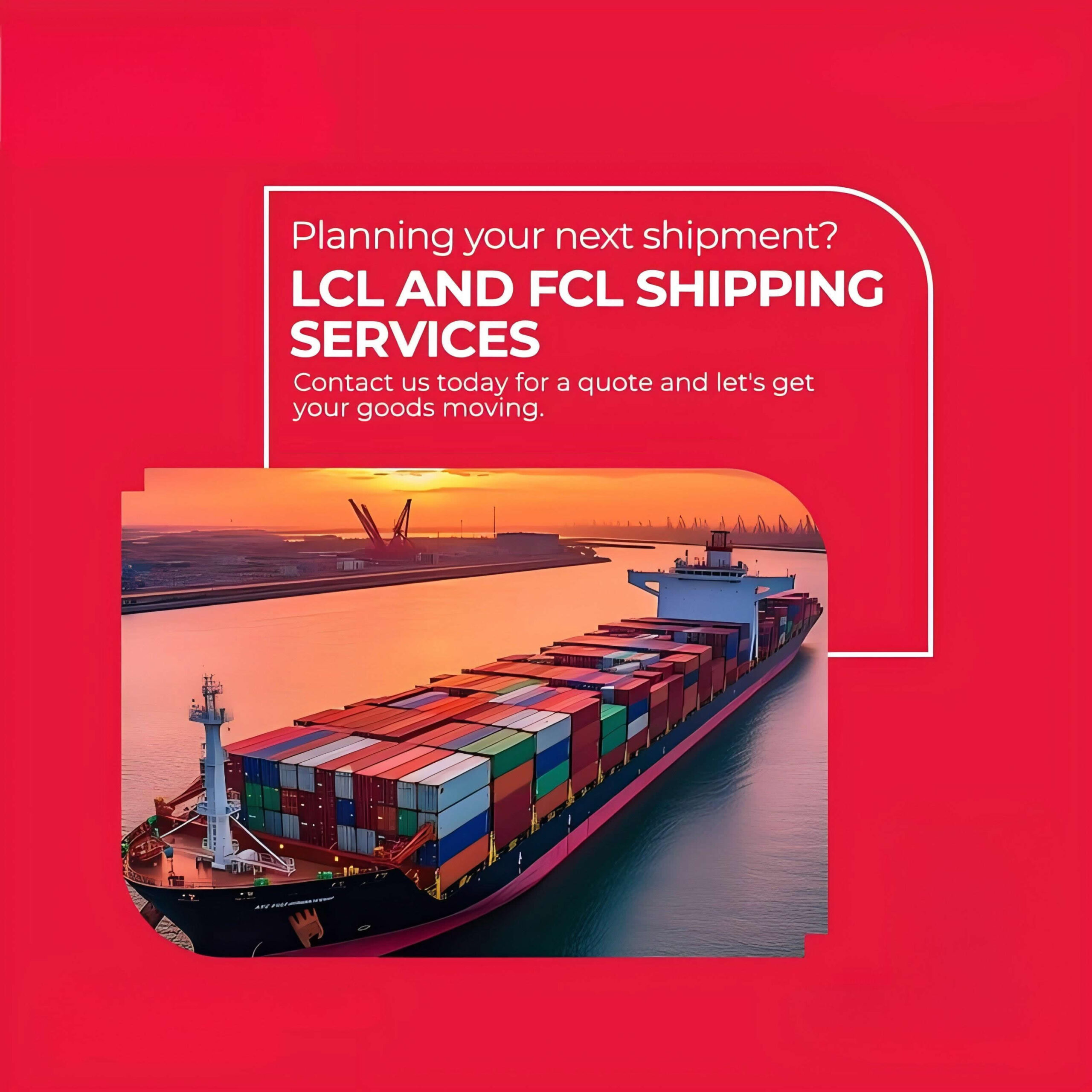
Sea freight, conversely, is the most economical choice for bulk or non-urgent medical equipment. Shipping via ocean containers can take anywhere from 28 to 45 days, depending on the route and port congestion. While slower, it offers immense capacity and a lower carbon footprint, making it suitable for durable medical equipment or large volume disposables. Consequently, it is a popular choice for many businesses.
Rail freight presents a balanced alternative, offering a middle ground between air and sea in terms of both speed and cost. Transit times usually fall between 18 to 25 days, providing a reliable and efficient option. This method is particularly beneficial for medium-urgency shipments that are too large for air but too time-sensitive for sea. Moreover, it offers greater security compared to other land-based transport options.
Beyond the primary methods, hybrid solutions can also optimize your supply chain. For example, a sea-air combination might involve shipping by sea to a hub like Dubai, then by air to Europe. This strategy can reduce overall transit time while managing costs. Alternatively, for smaller shipments, express courier services provide door-to-door convenience with moderate speed, albeit at a premium price point.
| Shipping Method | Cost Range (per kg/CBM) | Typical Transit Time | Best For | Limitations |
|---|---|---|---|---|
| Air Freight | $4-8/kg | 3-10 days | Urgent, high-value, small volume medical devices | Highest cost, capacity limits |
| Rail Freight | $0.8-1.5/kg | 18-25 days | Medium urgency, moderate volume, cost-effective | Limited routes, not as fast as air |
| Sea Freight (FCL/LCL) | $0.05-0.15/kg (LCL ~$50-80/CBM) | 28-45 days | Large volume, non-urgent, heavy medical equipment | Slowest, port congestion risks |

Key Factors Affecting Time to Ship Medical Equipment from China to Europe
❖The overall time to ship medical equipment from China to Europe is influenced by numerous interconnected factors. Understanding these elements allows for better planning and expectation management. Therefore, meticulous attention to detail at every stage is crucial for successful delivery.
Customs clearance and documentation are often significant determinants of transit time. European Union regulations, particularly the EU Medical Device Regulation (MDR), demand stringent compliance. Consequently, incomplete or incorrect paperwork can lead to extensive delays at the port of entry. Utilizing expert customs brokerage services can significantly streamline this process, ensuring all necessary permits and certifications, such as CE marking, are in order.
Port congestion and carrier reliability also play a substantial role. Major European ports like Rotterdam, Hamburg, and Felixstowe can experience periods of high traffic, especially during peak seasons or unforeseen global events. For example, the Red Sea disruptions in Q1 2024 significantly rerouted many vessels, extending transit times for many shipments to Europe. Furthermore, carrier schedules can vary, impacting the frequency and speed of departures and arrivals.
The specific type of medical equipment being shipped inherently affects transit times and handling requirements. Temperature-controlled pharmaceuticals or delicate diagnostic instruments necessitate specialized handling and expedited services. Conversely, durable medical equipment, such as hospital beds or surgical tables, might tolerate longer transit times but require robust packaging and larger cargo spaces. Proper classification and handling instructions are thus non-negotiable.
Regulatory compliance is a constant concern for medical devices entering the EU. Beyond CE marking, importers must ensure their products meet all health, safety, and environmental protection requirements. This often involves detailed product information, labeling in local languages, and adherence to quality management systems. Neglecting these aspects can lead to customs holds, fines, or even rejection of the entire shipment, thereby increasing the overall time and cost.
Typical Transit Times from China to Major European Hubs
❖Understanding typical transit times for medical equipment from China to Europe requires considering specific destinations and current market conditions. These estimates, therefore, serve as a valuable guide for logistical planning. However, it is always wise to add buffer time for potential unforeseen circumstances.
As of Q1 2025, freight rates from China to Europe have largely stabilized after the significant disruptions experienced in 2024 due to Red Sea issues. Nevertheless, occasional port congestion and equipment shortages can still impact schedules. Consequently, real-time tracking and proactive communication with your freight forwarder are essential.
Industry average for this route suggests that during peak seasons (typically August-October), rates can increase by 15-25%, and transit times may extend by a few days. This is particularly true for popular ports. Therefore, planning ahead for seasonal demand is a smart strategy to avoid unexpected delays and costs.
| Origin Port (China) | Destination Port (Europe) | Air Transit Time | Rail Transit Time | Sea Transit Time (FCL) |
|---|---|---|---|---|
| Shanghai | Rotterdam (Netherlands) | 5-7 days | 20-22 days | 30-35 days |
| Shenzhen | Hamburg (Germany) | 6-8 days | 21-24 days | 32-38 days |
| Ningbo | Felixstowe (UK) | 7-9 days | 22-25 days | 35-40 days |
| Qingdao | Valencia (Spain) | 8-10 days | 23-26 days | 38-42 days |
Optimizing Your Supply Chain for Medical Devices
❖Effectively managing the time to ship medical equipment from China to Europe demands a robust and optimized supply chain. Strategic planning and leveraging specialized services can significantly enhance efficiency and reliability. Consequently, this leads to better inventory management and reduced operational costs.
Strategic planning begins with choosing the correct Incoterms for your shipment. These international commercial terms define the responsibilities of buyers and sellers, impacting costs, risks, and thus, delivery timelines. For instance, opting for DDP (Delivered Duty Paid) simplifies the process for the buyer, as the seller handles all import formalities, potentially speeding up customs clearance at the destination.
Deciding between Full Container Load (FCL) and Less than Container Load (LCL) is another critical decision. For shipments under 15 CBM, LCL at $50-80/CBM may be more economical than a full container. However, LCL shipments often involve additional handling and consolidation time, which can extend overall transit. FCL, on the other hand, offers direct transit and typically faster delivery once loaded.
Leveraging comprehensive door-to-door services can drastically simplify the shipping process. This service manages every aspect of the logistics, from pickup at the supplier’s factory in China to final delivery at your European facility. This integrated approach minimizes coordination efforts and reduces the risk of delays arising from handoffs between different service providers. Therefore, it is a highly convenient option.
For particularly urgent medical equipment, considering an express service is often the best solution. While more expensive, these services prioritize speed and direct routing, ensuring critical supplies reach their destination in the shortest possible time. This is especially vital for life-saving devices or time-sensitive research materials. Moreover, express services typically offer enhanced tracking and dedicated support.
Finally, establishing strong relationships with experienced freight forwarders, such as Top China Freight, is invaluable. Their expertise in navigating complex regulations, optimizing routes, and managing unforeseen challenges can significantly improve your supply chain’s resilience. This partnership ensures that your medical equipment arrives when and where it is needed, consistently and reliably.
Real-World Scenarios: Case Studies in Medical Logistics
❖Examining real-world case studies provides practical insights into the complexities and solutions involved in shipping medical equipment from China to Europe. These examples highlight how different factors influence the time to ship medical equipment from China to Europe.
They also demonstrate the strategic choices made to balance speed, cost, and cargo specificities. Each scenario offers valuable lessons for optimizing your own medical supply chain. Ultimately, successful logistics requires careful planning and execution.
Case Study 1: Urgent Diagnostic Kits via Air Freight
This case involved an urgent need for specialized diagnostic test kits during a critical healthcare situation. Speed was the absolute priority, overshadowing cost concerns. The small, high-value nature of the cargo made air freight the most viable option.
| Detail | Description |
|---|---|
| Route | Shanghai, China -> Frankfurt, Germany |
| Cargo | Diagnostic Test Kits, 0.5 CBM, 150 kg |
| Container | Air Cargo Pallet |
| Shipping Details | Carrier/Service: Lufthansa Cargo, Port of Loading: Shanghai Pudong (PVG), Port of Discharge: Frankfurt Airport (FRA), Route Type: Direct flight |
| Cost Breakdown (Based on Q3 2024 market rates) | Air Freight: $900 (approx. $6/kg), Origin Charges (handling, documentation): $150, Destination Charges (customs processing, terminal handling): $100, Customs & Duties (estimated): $200, Total Landed Cost: $1,350 |
| Timeline | Booking to Loading: 1 day, Air Transit: 2 days, Customs Clearance: 1 day, Total Door-to-Door: 4 days |
| Key Insight | Direct air freight is indispensable for time-critical medical supplies, minimizing transit time despite higher costs. Pre-cleared documentation was crucial for rapid customs processing. |

Case Study 2: Bulk Hospital Furniture via Sea Freight (FCL)
A large hospital expansion project required a substantial volume of new furniture, including beds and examination tables. Cost-effectiveness and capacity were the main drivers, allowing for a longer transit time. FCL sea freight was the optimal solution for this bulky shipment.
| Detail | Description |
|---|---|
| Route | Ningbo, China -> Rotterdam, Netherlands |
| Cargo | Hospital Beds, Cabinets, Examination Tables, 60 CBM, 12,000 kg |
| Container | 1 x 40HQ |
| Shipping Details | Carrier/Service: Maersk, Port of Loading: Ningbo, Port of Discharge: Rotterdam, Route Type: Direct service |
| Cost Breakdown (Typical rates as of early 2025) | Ocean Freight: $3,800, Origin Charges (THC, documentation): $450, Destination Charges: $300, Customs & Duties (estimated): $500, Total Landed Cost: $5,050 |
| Timeline | Booking to Loading: 5 days, Sea Transit: 32 days, Customs Clearance: 3 days, Total Door-to-Door: 40 days |
| Key Insight | FCL sea freight offers the best value for large, non-urgent medical equipment, despite longer transit times. Early booking helps secure competitive rates and vessel space. |
Case Study 3: Specialized Lab Equipment via Rail Freight
A research laboratory needed new specialized equipment, which was too heavy for air freight but required faster delivery than sea. Rail freight provided an ideal balance of speed and cost. The shipment included delicate instruments requiring careful handling.
| Detail | Description |
|---|---|
| Route | Chongqing, China -> Duisburg, Germany |
| Cargo | Spectrometers, Centrifuges, 8 CBM, 2,500 kg |
| Container | LCL Rail Cargo (shared container) |
| Shipping Details | Carrier/Service: China-Europe Railway Express, Terminal of Loading: Chongqing, Terminal of Discharge: Duisburg, Route Type: Direct rail service |
| Cost Breakdown (Based on current market rates) | Rail Freight: $2,500 (approx. $1/kg), Origin Charges (handling, documentation): $250, Destination Charges: $200, Customs & Duties (estimated): $350, Total Landed Cost: $3,300 |
| Timeline | Booking to Loading: 3 days, Rail Transit: 19 days, Customs Clearance: 2 days, Total Door-to-Door: 24 days |
| Key Insight | Rail freight is an excellent compromise for medium-urgency, mid-sized medical equipment, offering significant time savings over sea freight at a fraction of air freight cost. Proper crating and insurance are vital for delicate items. |
Cost-Saving Strategies and Considerations
❖While speed is often paramount for medical equipment, managing shipping costs remains a critical business consideration. Several strategies can help optimize expenses without compromising the integrity or timely delivery of your medical supplies. Therefore, a balanced approach is essential.
One significant cost-saving measure involves consolidating multiple smaller shipments into a single, larger consignment. This is particularly effective for LCL (Less than Container Load) sea or rail freight, where combining cargo from various suppliers can reduce per-unit shipping costs. However, it requires careful coordination and can add a few days to the pre-transit phase.
Furthermore, choosing the right packaging can indirectly impact costs. Efficiently packed medical equipment that maximizes container space reduces cubic meter charges. Conversely, robust, protective packaging minimizes damage claims, which can be costly and time-consuming. Investing in quality packaging is thus a wise long-term decision.
Understanding the full scope of potential charges is also crucial. Beyond the basic freight rate, importers must account for origin charges (e.g., terminal handling, documentation), destination charges (e.g., customs clearance, delivery), and potential demurrage or detention fees if cargo is not cleared promptly. Always request a detailed, all-inclusive quote to avoid hidden surprises.
Finally, considering various sea freight options versus air freight is key. While sea freight costs $2,800-3,800 for a 40HQ container from China to Europe, air freight for the same volume would cost $15,000-25,000 but arrives in 5-7 days instead of 30-40 days. The trade-off between speed and cost must align with the urgency and value of the medical equipment. For critical inventory, higher air freight costs might be justified; for regular stock, sea or rail offers significant savings.
Note: Freight rates are subject to change based on fuel costs, carrier capacity, and seasonal demand. Contact us for a current quote tailored to your specific shipment.
Which Option Should You Choose? A Decision Framework
❖Making the right choice for shipping medical equipment from China to Europe depends heavily on your specific priorities. Consider these key criteria to determine the most suitable shipping method for your needs. This framework helps align your logistics strategy with business objectives.
If budget is your primary priority, especially for large volumes of non-urgent items like hospital furniture or disposables, then full container load (FCL) sea freight is usually the most economical option. For shipments under 15 CBM, LCL sea freight can also be cost-effective. These methods offer the lowest per-unit cost, albeit with longer transit times. However, for significant savings, this is the way to go.
When speed is paramount, particularly for critical diagnostic kits, emergency supplies, or high-value, time-sensitive pharmaceuticals, air freight is the undisputed choice. While it incurs the highest cost, the rapid delivery time (3-10 days) can be vital for patient care and urgent operational needs. Additionally, express services can offer even faster delivery for the most critical items.
For a balanced approach, where you need faster delivery than sea freight but at a more reasonable cost than air, rail freight is an excellent solution. This method is ideal for specialized lab equipment or mid-urgency medical devices. Transit times of 18-25 days provide a good compromise, making it a growing preference for many importers. Furthermore, it offers greater security for valuable cargo.
Cargo type and volume thresholds also dictate the best method. Small, light, and high-value items are naturally suited for air freight. Conversely, bulky, heavy, or low-value items are best transported by sea. Rail freight handles a wide range of cargo sizes, bridging the gap. For example, if your shipment exceeds 2 CBM but is less than a full container, LCL rail might be more efficient than LCL sea. Moreover, always assess the physical characteristics of your medical equipment.
Finally, consider hybrid solutions for optimal flexibility. Combining sea freight for the main leg and air freight for the final, time-sensitive stretch can offer a strategic advantage. This strategy is particularly useful for complex supply chains or when facing unexpected delays. Ultimately, the best choice is one that aligns with the urgency, value, and volume of your medical equipment, while also considering overall supply chain resilience.
Ensuring Timely Delivery of Medical Equipment from China to Europe
Effectively managing the time to ship medical equipment from China to Europe is a multifaceted challenge, yet it is absolutely critical for the healthcare sector. We have explored the various shipping methods, key influencing factors, typical transit times, and strategic optimization techniques. Ultimately, making informed decisions based on urgency, cost, and cargo type is paramount for successful logistics.
By understanding the nuances of air, sea, and rail freight, along with meticulous planning and regulatory compliance, you can significantly streamline your supply chain. Partnering with a knowledgeable freight forwarder like Top China Freight ensures that your vital medical equipment reaches its European destination efficiently and reliably. Therefore, a well-executed shipping strategy directly contributes to better patient outcomes and operational excellence.
Ready to streamline your logistics?
Ready to optimize the time to ship medical equipment from China to Europe? Do not hesitate to reach out to our experts for a personalized consultation. Contact us today for a tailored shipping solution that meets your specific needs and budget.
Request Quote