
Machinery Freight China to Europe: Your Complete Shipping Guide
Shipping heavy machinery from China to Europe presents unique logistical challenges. However, with the right strategy and a reliable partner like Top China Freight, this complex process can be streamlined considerably. This guide explores everything you need to know for efficient and cost-effective machinery freight from China to Europe.
✦
Why is Machinery Freight from China to Europe Complex?
Transporting industrial machinery and heavy equipment across continents involves significant planning. Indeed, factors like cargo size, weight, customs regulations, and transit times all contribute to the complexity. Moreover, selecting the appropriate shipping method is crucial for both cost-efficiency and timely delivery.
Furthermore, navigating the diverse regulatory landscapes of China and various European Union countries requires specialized knowledge. Consequently, improper documentation or classification can lead to substantial delays and unexpected costs. Therefore, understanding these challenges is the first step towards a successful shipment.
What are the Main Shipping Methods for Heavy Equipment?
When planning machinery freight from China to Europe, several primary transportation modes are available. Each method offers distinct advantages and disadvantages concerning cost, speed, and capacity. Your choice will largely depend on the specific requirements of your cargo.
Choosing the right method is critical for optimizing your supply chain and budget. Factors such as urgency, cargo dimensions, and overall budget will influence the best solution. Therefore, a thorough evaluation of each option is essential.
Sea Freight: The Most Common Choice for Large Machinery
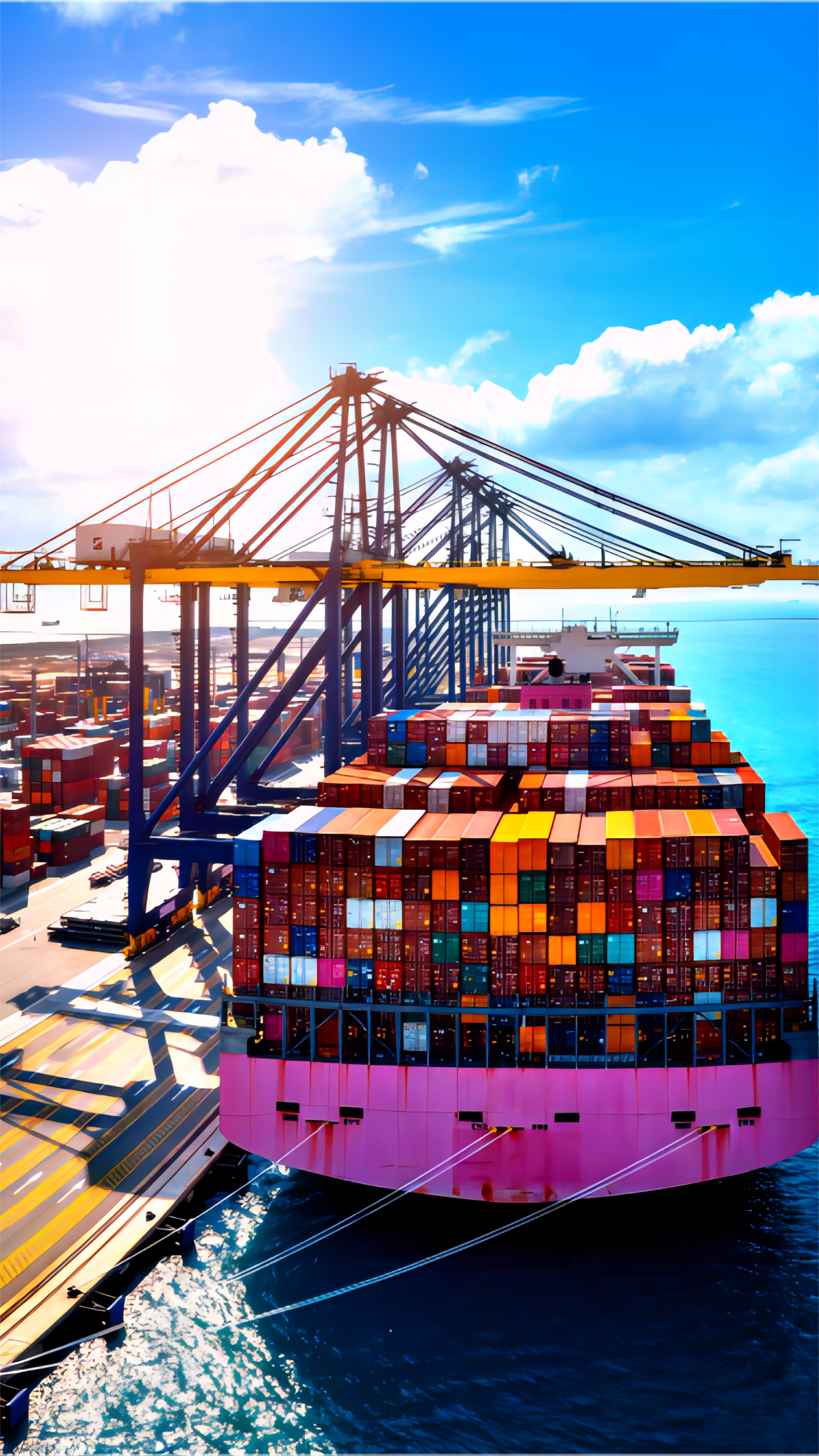
Undoubtedly, sea freight remains the most economical option for shipping heavy machinery. It is ideal for oversized cargo and bulk shipments that are not time-sensitive. Furthermore, various container types like Open Top, Flat Rack, and Reefer containers can accommodate diverse machinery.
Typically, sea transit from major Chinese ports to European ports like Rotterdam, Hamburg, or Felixstowe takes 28-35 days. However, this method requires careful planning due to longer transit times and potential port congestion. Despite this, its cost-effectiveness makes it a popular choice for many businesses.
Rail Freight: The New Silk Road Advantage
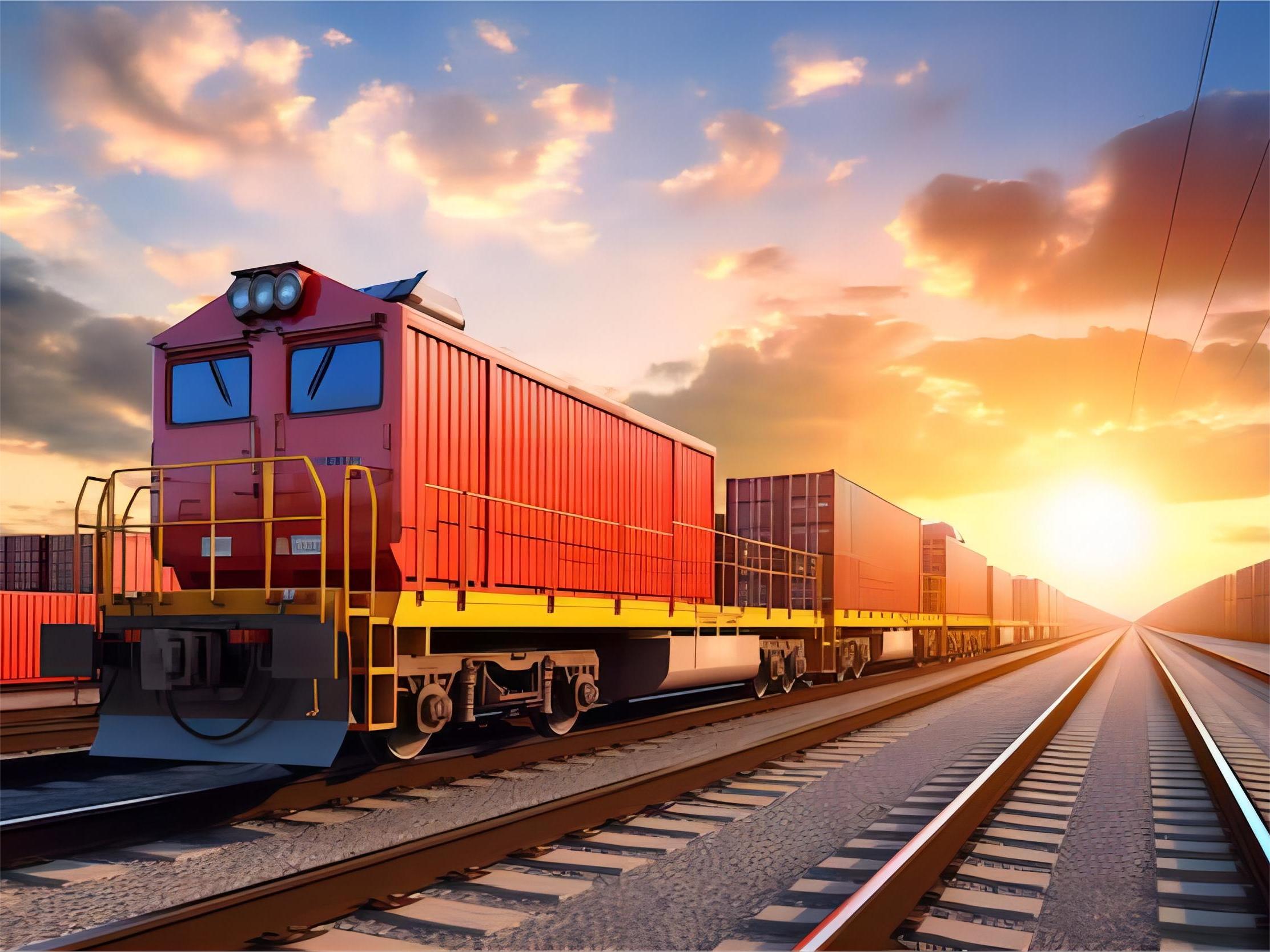
Increasingly, rail freight has emerged as a compelling middle-ground option for machinery transport. It offers a balance between the speed of air freight and the cost-effectiveness of sea freight. The ‘New Silk Road’ rail lines connect major Chinese cities directly to Europe.
Transit times for rail freight typically range from 15-20 days, significantly faster than sea freight. Moreover, it is a reliable option for various types of industrial machinery, offering greater security and fewer weather-related delays. This makes it an attractive solution for many shippers.
Air Freight: For Urgent and High-Value Machinery
For urgent or high-value machinery, air freight provides the fastest transit times. While considerably more expensive, it can deliver machinery from China to Europe within 3-7 days. This speed is invaluable for critical components or production line emergencies.
However, air freight has significant limitations regarding cargo size and weight. Consequently, it is generally reserved for smaller, lighter, or extremely time-sensitive pieces of equipment. Businesses often weigh the high cost against the critical need for rapid delivery.
Understanding Costs and Transit Times for Machinery Freight
The cost of machinery freight from China to Europe is influenced by numerous factors. These include the chosen shipping method, cargo dimensions, weight, origin and destination points, and current market conditions. Furthermore, additional charges like terminal handling, customs duties, and insurance must be considered.
Transit times also vary significantly based on the mode of transport and specific routes. For instance, direct routes are generally faster but can be more expensive than transshipment options. Therefore, a detailed quote is essential for accurate budgeting.
| Shipping Method | Cost Range (40HQ/CBM) | Transit Time (Avg) | Best For | Limitations |
|---|---|---|---|---|
| Sea Freight (FCL 40HQ) | $3,000-4,200 | 28-35 days | Large, heavy, non-urgent cargo | Slowest, port congestion risk |
| Sea Freight (LCL per CBM) | $50-80/CBM | 35-45 days | Smaller shipments (under 15 CBM) | Longer transit, more handling |
| Rail Freight | $8,000-12,000 (per container) | 15-20 days | Mid-size, time-sensitive cargo | Limited capacity, specific routes |
| Air Freight | $15,000-25,000 (per tonne) | 3-7 days | Urgent, high-value, small cargo | Highest cost, size/weight restrictions |
Key Cost Factors to Consider
Several elements contribute to the total landed cost of your machinery. These include the base freight rate, fuel surcharges, port charges, and customs duties. Additionally, consider costs for specialized equipment, such as flat racks or open-top containers, if your machinery is oversized.
Moreover, insurance is highly recommended to protect against damage or loss during transit. Furthermore, any pre-carriage or on-carriage services, like truck transport to and from ports, will add to the overall expense. Understanding these components helps in accurate financial planning.
Navigating Customs and Documentation for Machinery Imports
Customs clearance is a critical step in the machinery freight process. Both Chinese export and European import regulations must be meticulously followed. Incorrect documentation can lead to significant delays, fines, and storage fees.
Therefore, partnering with a knowledgeable customs broker is highly advisable. They can ensure all necessary paperwork is correctly prepared and submitted. This expertise minimizes risks and streamlines the entire customs process effectively.
Essential Documents for Customs Clearance
A comprehensive set of documents is required for smooth customs processing. These typically include the Commercial Invoice, Packing List, Bill of Lading (for sea freight) or Air Waybill (for air freight), and Certificate of Origin. Furthermore, specific machinery might require additional licenses or certifications.
Moreover, accurate Harmonized System (HS) codes are vital for proper classification and duty assessment. Misclassification can result in incorrect duties or even rejection of the shipment. Professional assistance with customs brokerage is invaluable here.
| Document | Purpose | Notes |
|---|---|---|
| Commercial Invoice | Details of goods, value, buyer/seller | Used for customs valuation and duties |
| Packing List | Itemized list of contents, weight, dimensions | Aids in cargo verification |
| Bill of Lading / Air Waybill | Contract of carriage, title to goods | Proof of shipment and ownership |
| Certificate of Origin | Confirms country of manufacture | May impact import duties under trade agreements |
| Import License/Permit | Required for specific machinery types | Varies by product and destination country |
How Does Sea Freight Compare to Other Shipping Options?
While sea freight is often the default for heavy machinery, it is important to objectively compare it with rail and air freight. Each method offers distinct advantages depending on the specific priorities of your shipment. This comparison helps in making an informed decision.
Consider the trade-offs between speed, cost, and cargo capacity. Ultimately, the ‘best’ option is the one that aligns most closely with your project’s timeline and budget constraints. Let’s delve into the specifics of each alternative.
Sea Freight vs. Rail Freight
Sea freight is generally cheaper for large volumes and heavy machinery, with transit times around 28-35 days. However, rail freight offers a significant speed advantage, typically delivering in 15-20 days. Rail also provides better security and less susceptibility to port congestion.
For instance, if you’re shipping a 40HQ container of machinery, sea freight might cost $3,000-4,200. The same container via rail could be $8,000-12,000 but cuts transit time by almost half. This makes rail ideal for moderately urgent but still large cargo.
Sea Freight vs. Air Freight
Air freight is undeniably the fastest, delivering in 3-7 days, but at a premium cost. For example, a small, critical machinery part weighing 500kg could cost $5,000-8,000 by air, whereas by sea, it would be a fraction of that, albeit taking weeks longer.
Consequently, air freight is typically reserved for emergency shipments or high-value, lightweight components where downtime is extremely costly. Sea freight remains the go-to for bulk and heavy items where budget is a primary concern. The cost differential is substantial.
Hybrid Solutions and Cost-Saving Strategies
Consider hybrid solutions like sea-air or rail-sea combinations for optimized logistics. For example, shipping by sea to a European hub and then using express service for final delivery can balance speed and cost. This approach is particularly useful for reaching inland destinations efficiently.
Furthermore, for shipments under 15 CBM, Less than Container Load (LCL) shipping via sea freight can be more economical than a full container (FCL). While LCL involves more handling and slightly longer transit, it avoids paying for unused container space. Always compare FCL vs LCL costs carefully.
Which Option Should You Choose?
Deciding on the best shipping method for your machinery freight from China to Europe requires evaluating several key criteria. Each scenario demands a tailored approach to ensure optimal outcomes. Consider your priorities carefully before making a final choice.
This decision framework helps streamline the selection process. Ultimately, the most suitable option balances your operational needs with logistical realities. Always seek expert advice for complex shipments.
Budget Priority
If cost-effectiveness is your primary concern, sea freight (FCL or LCL) is almost always the most economical choice. It offers the lowest per-unit cost for large volumes. However, be prepared for longer transit times.
Additionally, look into bulk shipping or consolidating multiple smaller shipments into one FCL to further reduce costs. This strategy leverages economies of scale effectively. Always request detailed quotes to compare total landed costs.
Speed Priority
For urgent machinery or critical spare parts, air freight is the undisputed champion. It minimizes downtime and allows for rapid response to production needs. Expect higher costs for this expedited service.
Alternatively, rail freight provides a good balance if air freight is too costly but sea freight is too slow. It offers a reliable and faster alternative for many types of machinery. This method is gaining popularity for its efficiency.
Cargo Type and Volume Considerations
Oversized or heavy machinery almost exclusively requires sea freight, utilizing specialized containers like Flat Racks or Break Bulk services. Air cargo simply cannot accommodate such dimensions. Always confirm container compatibility.
For smaller, less-than-container-load (LCL) machinery, sea freight is still viable, but rail freight might be faster and equally cost-effective. Door-to-door services can simplify logistics for any cargo type, regardless of volume.
Real-World Machinery Freight Case Studies
Examining actual shipping scenarios can provide valuable insights into the complexities and solutions for machinery freight from China to Europe. These case studies highlight various challenges and successful strategies. They demonstrate how different methods are applied in practice.
Based on Q3 2024 market rates, these examples offer a realistic perspective on costs and timelines. Note: Freight rates are subject to change based on fuel costs, carrier capacity, and seasonal demand. Contact us for a current quote tailored to your specific shipment.
Case Study 1: Shipping a CNC Machine via Sea Freight
| Detail | Value |
|---|---|
| Route | Shanghai, China -> Rotterdam, Netherlands |
| Cargo | CNC Machining Center, 25 CBM, 8,500 kg |
| Container | 1 x 40HQ (specialized bracing) |
| Shipping Details | |
| – Carrier/Service | COSCO |
| – Port of Loading | Shanghai |
| – Port of Discharge | Rotterdam |
| – Route Type | Direct |
| Cost Breakdown | |
| – Ocean Freight | $3,850 |
| – Origin Charges (THC, documentation) | $480 |
| – Destination Charges | $550 |
| – Customs & Duties (estimated) | $1,200 |
| – Total Landed Cost | $6,080 |
| Timeline | |
| – Booking to Loading | 7 days |
| – Sea Transit | 30 days |
| – Customs Clearance | 3 days |
| – Total Door-to-Door | 42 days |
| Key Insight | Careful planning for oversized cargo and bracing ensured safe transit and minimized port delays. Booking during off-peak season helped secure better rates. |
Case Study 2: Urgent Industrial Robot via Rail Freight
| Detail | Value |
|---|---|
| Route | Chongqing, China -> Duisburg, Germany |
| Cargo | Industrial Robotic Arm, 12 CBM, 3,200 kg |
| Container | 1 x 20GP (LCL consolidation) |
| Shipping Details | |
| – Carrier/Service | China-Europe Railway Express |
| – Port of Loading | Chongqing |
| – Port of Discharge | Duisburg |
| – Route Type | Direct rail service |
| Cost Breakdown | |
| – Rail Freight | $9,500 |
| – Origin Charges (THC, documentation) | $350 |
| – Destination Charges | $400 |
| – Customs & Duties (estimated) | $850 |
| – Total Landed Cost | $11,100 |
| Timeline | |
| – Booking to Loading | 5 days |
| – Rail Transit | 18 days |
| – Customs Clearance | 2 days |
| – Total Door-to-Door | 28 days |
| Key Insight | Rail freight significantly reduced transit time compared to sea, crucial for urgent production line integration. The consolidated LCL shipment maximized cost-efficiency for the volume. |
Case Study 3: Small, High-Value Electronic Assembly Machine via Air Freight
| Detail | Value |
|---|---|
| Route | Shenzhen, China -> Frankfurt, Germany |
| Cargo | Precision Electronic Assembly Machine, 3 CBM, 750 kg |
| Container | Air Cargo Pallet |
| Shipping Details | |
| – Carrier/Service | Lufthansa Cargo |
| – Port of Loading | Shenzhen |
| – Port of Discharge | Frankfurt |
| – Route Type | Direct flight |
| Cost Breakdown | |
| – Air Freight | $7,200 |
| – Origin Charges (handling, documentation) | $250 |
| – Destination Charges | $300 |
| – Customs & Duties (estimated) | $600 |
| – Total Landed Cost | $8,350 |
| Timeline | |
| – Booking to Loading | 2 days |
| – Air Transit | 3 days |
| – Customs Clearance | 1 day |
| – Total Door-to-Door | 8 days |
| Key Insight | High value and extreme urgency justified the premium cost of air freight, preventing costly production delays. Efficient customs pre-clearance was key to rapid delivery. |
Tips for a Smooth Machinery Shipping Process
Ensuring a seamless machinery freight experience from China to Europe requires proactive planning and attention to detail. Following best practices can mitigate common issues and optimize your logistics. These tips cover various stages of the shipping journey.
From preparation to final delivery, each step is crucial. Implement these strategies to enhance efficiency and avoid unexpected complications. A well-prepared shipment is a successful shipment.
Proper Packaging and Preparation
Always ensure machinery is properly dismantled, cleaned, and crated or wrapped for international transport. Use robust packaging materials to protect against vibration, moisture, and impact. Furthermore, secure all moving parts.
Additionally, label all crates clearly with handling instructions, weight, and dimensions. This preparation is vital for safe cargo handling and compliance. Proper packaging significantly reduces the risk of damage during transit.
Choosing a Reliable Freight Forwarder
Partnering with an experienced freight forwarder specializing in heavy machinery is paramount. They can offer invaluable expertise in route optimization, customs compliance, and carrier selection. Look for a partner with a proven track record.
A good freight forwarder, like Top China Freight, provides comprehensive services, including door-to-door delivery and cargo insurance. Their network and knowledge streamline the entire process. This partnership is crucial for complex international shipments.
Cargo Insurance and Tracking
Investing in comprehensive cargo insurance is a non-negotiable step for machinery freight. It protects your investment against unforeseen events, including damage, loss, or theft. Discuss coverage options with your forwarder.
Moreover, ensure you have access to real-time tracking for your shipment. Knowing the precise location of your machinery at every stage provides peace of mind. This transparency is crucial for managing expectations and planning.
Conclusion: Mastering Machinery Freight from China to Europe
Shipping machinery freight from China to Europe is a multifaceted endeavor requiring careful planning and execution. Whether you opt for the cost-efficiency of sea freight, the speed of rail, or the urgency of air cargo, understanding the nuances of each method is key. Navigating customs, managing costs, and preparing your cargo properly are all critical components.
Ultimately, partnering with a seasoned logistics provider can simplify this complex journey. By leveraging expertise in international regulations and supply chain optimization, you can ensure your heavy equipment arrives safely and on schedule. This strategic approach will safeguard your investment and support your business operations effectively.