
Electronics Shipping China to USA: Your Ultimate Guide
Navigating Top China Freight for electronics shipping China to USA can be complex, involving numerous considerations from logistics to compliance. Consequently, businesses often face challenges in ensuring timely and cost-effective delivery of their valuable goods. This guide offers comprehensive insights and practical solutions to streamline your import process, addressing common pain points effectively.
What are the Primary Shipping Methods for Electronics from China to USA?
When planning electronics shipping China to USA, selecting the right transportation method is crucial for balancing speed and cost. Essentially, your choice significantly impacts your supply chain efficiency and overall project budget. Therefore, understanding each option’s nuances is paramount for informed decision-making.
Generally, there are three primary methods available: air freight, sea freight, and express courier services. Each method presents distinct advantages and disadvantages, depending on factors like shipment size, urgency, and the type of electronics being transported. Considering these elements upfront helps avoid unforeseen issues later.
Air Freight for Urgent Electronics Shipments
Air freight offers the fastest transit times for electronics shipping China to USA, making it ideal for high-value, time-sensitive, or smaller shipments. For instance, new product launches or urgent inventory replenishment often rely on air cargo. However, this speed comes at a higher cost compared to other options.
Moreover, air freight typically involves less handling, which can reduce the risk of damage for delicate electronics. Nevertheless, strict regulations regarding battery shipments and hazardous materials must always be adhered to. Many businesses utilize air freight for quick and secure delivery.
Sea Freight for Cost-Effective Bulk Electronics
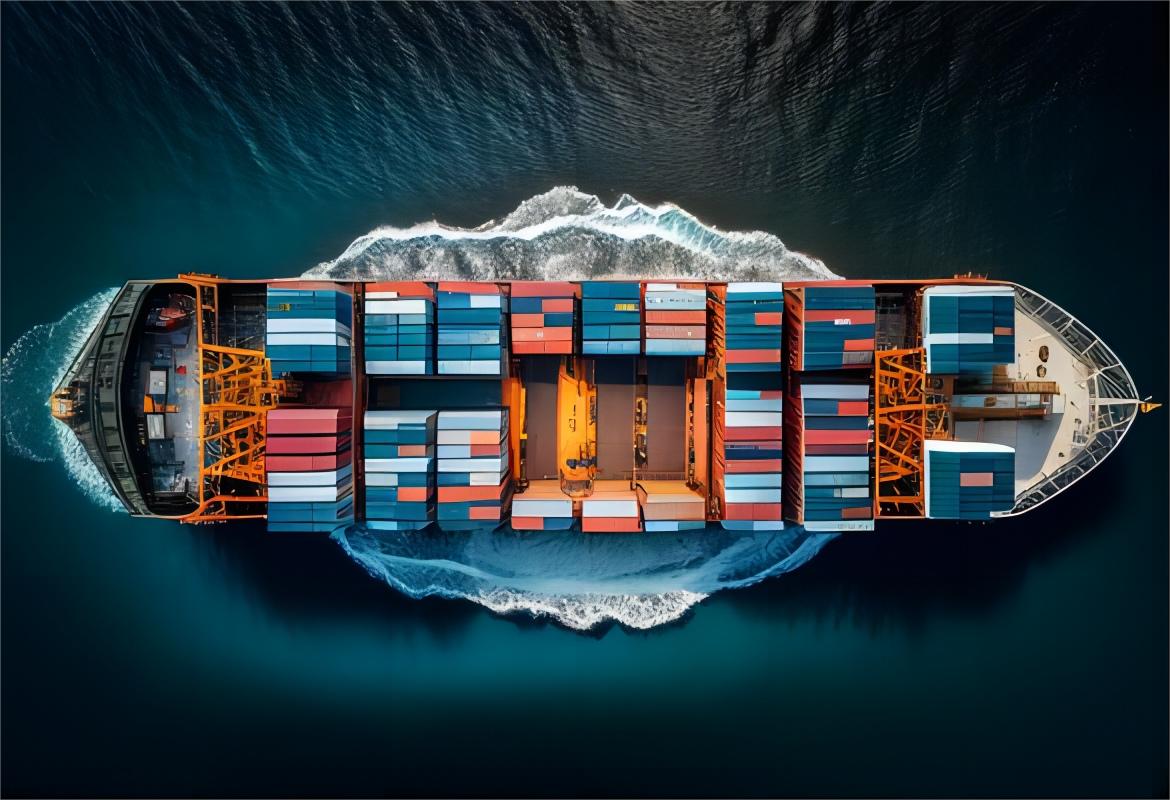
Conversely, sea freight is the most economical option for large-volume electronics shipping China to USA. Although transit times are considerably longer, ranging from 15 to 40 days, the cost savings for bulk cargo are substantial. This method is perfect for established product lines with predictable demand.
Furthermore, sea freight accommodates both Full Container Load (FCL) and Less than Container Load (LCL) shipments. Therefore, it provides flexibility for businesses of varying sizes. Many importers choose sea freight to optimize their shipping costs for non-urgent inventory.
Express Services for Small Packages and Samples
For very small packages, samples, or urgent documents related to electronics shipping China to USA, express courier services are often the best choice. Providers like DHL, FedEx, and UPS offer door-to-door delivery with detailed tracking and rapid transit. Subsequently, this ensures convenience and peace of mind.
Nevertheless, express services are generally the most expensive per kilogram, especially for larger shipments. Therefore, they are best reserved for critical, lightweight items where speed is the absolute priority. Explore express service options for time-critical small parcels.
How Does Each Shipping Option Compare for Electronics Shipments?
Choosing the optimal method for electronics shipping China to USA requires a clear understanding of comparative advantages. In essence, the decision hinges on your specific business needs, including budget, urgency, and cargo characteristics. This comparison will clarify which approach aligns best with your objectives.
As a result, analyzing cost, transit time, suitability, and limitations for each method becomes a critical step. Moreover, market conditions, such as peak seasons or fuel surcharges, can further influence these factors. Consequently, a detailed comparison aids in making an informed logistic choice.
| Shipping Method | Cost Range (per kg) | Transit Time (days) | Best For | Limitations |
|---|---|---|---|---|
| Air Freight | $4-$8+ | 3-10 | Urgent, high-value, small to medium shipments | High cost, battery restrictions |
| Sea Freight (FCL) | $0.2-$0.5+ | 15-40 | Large volume, heavy, non-urgent goods | Slow, port congestion risks |
| Sea Freight (LCL) | $0.5-$1.5+ | 20-45 | Medium volume, cost-sensitive, non-urgent | Slower than FCL, potential delays |
| Express Courier | $8-$15+ | 2-7 | Very urgent, small parcels, samples | Very high cost, size/weight limits |
What are the Key Cost Factors for Electronics Shipping China to USA?
Understanding the comprehensive shipping costs is vital for accurate budgeting when engaging in electronics shipping China to USA. Freight rates, while significant, represent only one component of the total landed cost. Therefore, a holistic view of all charges is necessary to avoid surprises.
Furthermore, various elements contribute to the final price, ranging from origin charges to destination fees and customs duties. Consequently, neglecting any of these aspects can lead to inaccurate financial projections. Always request a detailed quote to grasp the entire financial outlay.
Freight Rates and Surcharges
The base freight rate for electronics shipping China to USA depends on the chosen method, volume, and weight. Additionally, various surcharges, such as fuel surcharges (BAF/FAF), currency adjustment factors (CAF), and peak season surcharges, can significantly impact the final price. These fluctuate based on market conditions.
Moreover, port congestion surcharges or war risk surcharges might apply depending on geopolitical events. As of Q1 2025, freight rates from China to the USA have seen some stabilization after previous market volatility, but remain sensitive to global events and demand spikes. Always confirm current freight rates with your forwarder.
Origin and Destination Charges
Origin charges include costs like terminal handling, documentation, customs clearance at the export port, and drayage (transport to the port). Similarly, destination charges cover terminal handling, customs clearance at the import port, and delivery to your warehouse. These can add a substantial amount to your total.
Consequently, it’s important to clarify what is included in your freight forwarder’s quote. For instance, a door-to-door service typically bundles many of these charges, offering greater transparency and convenience. Always review these line items carefully.
Customs Duties, Taxes, and Insurance
Import duties and taxes are a non-negotiable part of electronics shipping China to USA. These are determined by the Harmonized Tariff Schedule (HTS) code of your specific electronics and can vary significantly. Moreover, trade policies, such as Section 301 tariffs, can further increase costs.
Therefore, it is crucial to accurately classify your products and estimate these costs in advance. Furthermore, cargo insurance is highly recommended for electronics to protect against loss or damage during transit. Engaging a professional for customs brokerage can simplify this complex process.
What are Essential Customs and Compliance Requirements for Electronics?
Successfully navigating electronics shipping China to USA largely depends on adhering to strict customs and compliance regulations. Consequently, improper documentation or non-compliance can lead to significant delays, penalties, and even seizure of goods. Therefore, meticulous preparation is non-negotiable.
Moreover, the U.S. Customs and Border Protection (CBP) and other government agencies impose specific requirements for imported electronics. For instance, understanding these regulations helps ensure a smooth customs clearance process. It is imperative to stay updated on all relevant import laws and standards.
Key Documentation Required
To begin with, several documents are indispensable for electronics shipping China to USA. These include a commercial invoice, packing list, bill of lading (for sea freight) or air waybill (for air freight), and a certificate of origin. Each document must be accurate and complete.
Furthermore, depending on the type of electronics, additional certifications or licenses might be required. For example, products containing lithium-ion batteries have specific safety documentation needs. Always ensure all paperwork is precisely prepared before shipment departure.
Understanding HTS Codes and Tariffs
Proper classification of your electronics using the Harmonized Tariff Schedule (HTS) codes is critical for determining import duties. Incorrect classification can result in overpaying duties or facing penalties for underpayment. Thus, accuracy here is paramount.
Additionally, the U.S. has specific tariffs on many Chinese-manufactured goods, including electronics. Therefore, researching the applicable duties and tariffs for your specific products before shipping is essential for financial planning. Consult with a customs expert if unsure.
Product Safety and Regulatory Compliance
Many electronics imported into the USA must comply with various safety and regulatory standards, such as FCC (Federal Communications Commission) for electromagnetic compatibility and UL (Underwriters Laboratories) for product safety. Failure to meet these standards can lead to goods being denied entry.
Consequently, importers must ensure their products have the necessary certifications and markings. Furthermore, certain electronics may fall under specific environmental regulations. Thus, verifying all compliance requirements beforehand protects your shipment and reputation.
Which Option Should You Choose for Your Electronics Shipment?
Deciding on the best shipping method for your electronics from China to the USA involves weighing multiple factors. Fundamentally, there is no single ‘best’ option; rather, the ideal choice aligns with your specific business priorities and shipment characteristics. Therefore, a structured decision-making process is beneficial.
Ultimately, your choice should optimize for either cost-efficiency, speed, or a balance of both, while also considering the nature of your electronics. Moreover, market conditions and supplier capabilities can also influence the feasibility of certain options. Consider the following criteria.
Budget Priority
If cost is your primary concern for electronics shipping China to USA, sea freight (LCL for smaller volumes, FCL for larger) is undoubtedly the most economical choice. Furthermore, consolidating multiple shipments can further reduce per-unit costs. However, be prepared for longer transit times.
Consequently, this option is ideal for businesses with ample lead time and consistent inventory needs. For instance, established retailers often leverage sea freight for their regular stock replenishment to maximize profit margins.
Speed Priority
When rapid delivery is critical, such as for new product launches or urgent repairs, air freight or express courier services are indispensable. Although more expensive, they significantly cut down transit times, preventing lost sales or production delays. As a result, they offer a competitive edge.
Nevertheless, remember to factor in potential delays at customs or unforeseen flight disruptions. For extremely time-sensitive small items, express services provide unparalleled speed and convenience, despite their premium pricing.
Cargo Type and Volume Considerations
The nature and volume of your electronics also dictate the best shipping method. For instance, large, bulky items like televisions or industrial machinery are typically more suited for sea freight due to their size and weight. Conversely, small, delicate components might benefit from air freight’s quicker handling.
Furthermore, hazardous materials, such as products with large lithium batteries, have specific regulations that might limit air transport options. Therefore, always confirm compliance requirements for your specific cargo. For varying needs, hybrid solutions like sea-air might offer a balanced approach.

Real-World Electronics Shipping China to USA Case Studies
Examining actual shipping scenarios provides valuable insights into the complexities and solutions involved in electronics shipping China to USA. These case studies illustrate how different methods and strategies are applied based on specific business needs and cargo types. Consequently, they offer practical lessons.
Moreover, understanding these examples can help you anticipate challenges and optimize your own logistics processes. Therefore, analyzing these real-world applications enhances your ability to make informed decisions for your future imports. These examples are based on Q3 2024 market rates.
Case Study 1: Urgent Consumer Gadgets for Holiday Season
A U.S. e-commerce retailer needed to replenish popular consumer electronics (smartwatches, wireless earbuds) quickly for the upcoming holiday season. Speed was paramount to capture peak sales, outweighing higher shipping costs. Therefore, air freight was the chosen method for this time-sensitive inventory.
| Detail | Description |
|---|---|
| Route | Shenzhen, China Los Angeles, USA |
| Cargo | Smartwatches, Wireless Earbuds; 5 CBM, 850 kg |
| Shipping Method | Air Freight (General Cargo) |
| Carrier/Service | Major airline cargo (e.g., Cathay Pacific Cargo) |
Cost Breakdown (Case Study 1)
The total landed cost for this urgent shipment was carefully managed to balance speed and profitability. Although air freight is more expensive, the potential revenue from holiday sales justified the premium. Origin and destination charges were streamlined for efficiency.
| Cost Component | Amount (USD) |
|---|---|
| Air Freight | $5,500 |
| Origin Charges (Handling, Docs) | $350 |
| Destination Charges (Customs, Handling) | $400 |
| Customs & Duties (estimated) | $1,200 |
| Total Landed Cost | $7,450 |
Timeline (Case Study 1)
The expedited timeline ensured the products arrived well before the critical sales period. Efficient booking and customs clearance were key to achieving this speed. Overall, the rapid delivery allowed the retailer to maximize their holiday sales potential.
| Phase | Days |
|---|---|
| Booking to Loading | 2 |
| Air Transit | 4 |
| Customs Clearance | 1 |
| Total Door-to-Door | 7 |
Key Insight (Case Study 1)
The key insight was the critical need for speed, which justified the higher air freight costs. Furthermore, seamless coordination with a reliable freight forwarder was essential to meet the tight holiday season deadline. This strategy proved successful in capturing market demand.
Case Study 2: Bulk Shipment of Computer Peripherals
A large distributor regularly imports computer peripherals (keyboards, mice, webcams) for their extensive retail network. For them, minimizing shipping costs for electronics shipping China to USA is paramount due to high volume and consistent demand. Therefore, sea freight was the most logical and cost-effective solution.
| Detail | Description |
|---|---|
| Route | Ningbo, China Long Beach, USA |
| Cargo | Computer Peripherals; 40 HQ container, 15,000 kg |
| Shipping Method | Sea Freight (FCL) |
| Carrier/Service | COSCO (major carrier) |
Cost Breakdown (Case Study 2)
The cost breakdown reflects the significant savings achieved through FCL sea freight for a large volume of goods. Although transit times are longer, the lower per-unit shipping cost allows for better pricing and higher profit margins. This approach is standard for bulk imports.
| Cost Component | Amount (USD) |
|---|---|
| Ocean Freight (40HQ) | $3,200 |
| Origin Charges (THC, Docs) | $450 |
| Destination Charges (DDC, Handling) | $600 |
| Customs & Duties (estimated) | $2,500 |
| Total Landed Cost | $6,750 |
Timeline (Case Study 2)
The extended timeline is typical for sea freight but was acceptable given the distributor’s inventory planning. Careful scheduling and proactive communication helped manage expectations and mitigate potential delays. This ensures a consistent supply chain.
| Phase | Days |
|---|---|
| Booking to Loading | 5 |
| Sea Transit | 18 |
| Customs Clearance | 3 |
| Total Door-to-Door | 26 |
Key Insight (Case Study 2)
The main insight here is the significant cost efficiency achieved by utilizing FCL sea freight for high-volume, non-time-sensitive electronics. Moreover, robust inventory management and long-term planning are essential to leverage this method effectively. Typical rates as of early 2025 demonstrate this value.
Market Context and Future Trends in Electronics Shipping
The landscape of electronics shipping China to USA is continually evolving, influenced by global economic shifts and technological advancements. Consequently, staying informed about market context and emerging trends is crucial for maintaining a competitive edge. This proactive approach helps businesses adapt.
Moreover, factors like geopolitical events, sustainability initiatives, and advancements in logistics technology are reshaping traditional shipping practices. For example, understanding these dynamics allows for more resilient supply chain planning. Therefore, continuous monitoring of the market is essential.
Current Market Conditions and Rate Fluctuations
As of Q1 2025, freight rates for electronics shipping China to USA have largely stabilized after the volatility seen in previous years, though specific routes and peak seasons still experience surcharges. For example, the Red Sea disruptions of 2024 caused significant shifts in global shipping routes and rates, particularly affecting Europe-bound cargo but also impacting global vessel availability.
Nevertheless, seasonal patterns continue to influence pricing, with rates typically increasing 15-25% during August-October due to holiday demand. Furthermore, fuel costs and carrier capacity remain key determinants of current freight rates. Market data suggests proactive booking can mitigate some peak season surcharges.
Impact of Technology and Automation
Technological advancements are profoundly impacting logistics, from automated warehouses to AI-powered route optimization. These innovations are enhancing efficiency and reducing operational costs in electronics shipping China to USA. Consequently, they offer new avenues for supply chain improvement.
Moreover, blockchain technology is increasingly being explored for its potential to improve transparency and traceability in global supply chains. Therefore, embracing these technologies can lead to more streamlined and secure shipping processes. This includes better inventory management and tracking.
Sustainability and Green Logistics
Growing environmental concerns are driving a push towards more sustainable logistics practices for electronics shipping. Consequently, businesses are increasingly seeking freight forwarders who offer eco-friendly shipping options, such as optimizing routes to reduce carbon emissions or utilizing more fuel-efficient vessels.
Furthermore, consumers and regulatory bodies are demanding greater transparency regarding the environmental footprint of imported goods. Therefore, integrating green logistics into your supply chain not only benefits the planet but also enhances brand reputation. This trend is expected to accelerate.
Mastering Electronics Shipping China to USA for Business Success
Effectively managing electronics shipping China to USA is a cornerstone of successful international trade. By understanding the various shipping methods, cost components, and crucial compliance requirements, businesses can make informed decisions. Consequently, this leads to more efficient and profitable operations.
Moreover, partnering with an experienced freight forwarder is essential for navigating the complexities of global logistics. Ultimately, a well-planned shipping strategy ensures your electronics reach their destination safely, on time, and within budget. This allows you to focus on your core business growth.

Need a tailored shipping solution?
Ready to optimize your electronics shipping China to USA? Contact our experts today for a personalized quote and tailored logistics solutions. We are committed to providing efficient and reliable services for your valuable cargo.