
Export Documentation China to Dubai: Your Complete Guide
Shipping goods from China to Dubai requires meticulous planning, especially concerning documentation. Navigating the complexities of Top China Freight ensures your cargo moves smoothly across borders. This comprehensive guide addresses the critical aspects of export documentation China to Dubai, helping you avoid delays and costly mistakes.

Why Export Documentation China to Dubai is Crucial
Indeed, accurate and complete export documentation is the backbone of successful international trade. Without proper paperwork, your goods can face significant delays, fines, or even seizure at customs checkpoints. Therefore, understanding every requirement is paramount.
Moreover, the journey from China to Dubai involves two distinct customs authorities, each with specific regulations. Consequently, any discrepancy in your documents can lead to frustrating hold-ups and increased shipping costs. Proper preparation streamlines the entire logistics process.
Ultimately, meticulous documentation ensures compliance with both Chinese export laws and UAE import regulations. This proactive approach safeguards your business reputation and fosters efficient supply chain management. It is an investment in reliability.
Essential Export Documents for China to Dubai Shipments
Certainly, several core documents are universally required for shipping from China to Dubai. Each serves a unique purpose, facilitating customs clearance and verifying cargo details. Understanding these is the first step towards seamless trade.
Furthermore, specific types of goods or industries might demand additional permits or certificates. Therefore, always verify the latest requirements based on your product category. This due diligence prevents unforeseen complications.
| Document Name | Purpose | Issued By | Key Information |
|---|---|---|---|
| Commercial Invoice | Transaction details, customs valuation | Exporter | Product value, quantity, Incoterms |
| Packing List | Inventory of goods | Exporter | Item count, weight, dimensions per package |
| Bill of Lading/AWB | Contract of carriage, receipt | Carrier/Freight Forwarder | Shipper, consignee, cargo description, route |
| Certificate of Origin | Country of manufacture | Chamber of Commerce | Origin country, product description |
| Customs Declaration | Formal declaration to authorities | Exporter/Importer | Goods details, value, classification |
Commercial Invoice
This document is arguably the most critical for any international shipment. It details the transaction between the exporter and importer, including the goods’ description, quantity, value, and terms of sale (Incoterms).
Crucially, customs authorities use the commercial invoice to assess duties and taxes. Thus, accuracy in pricing and product classification is non-negotiable. Any errors can lead to incorrect tariff application or customs disputes.
Packing List
A packing list provides a detailed inventory of all items within a shipment. It specifies the weight, dimensions, and contents of each package, box, or container. This helps with cargo handling and verification.
Additionally, it serves as a crucial reference for freight forwarders and customs officials during inspections. Therefore, ensure it aligns perfectly with the commercial invoice and physical cargo. Discrepancies cause delays.
Bill of Lading (B/L) or Air Waybill (AWB)
For sea freight, the Bill of Lading is a contract between the shipper and the carrier. It acts as a receipt for the goods, a document of title, and evidence of the contract of carriage. It is indispensable for claiming goods at the destination port.
Conversely, for air shipments, an Air Waybill (AWB) fulfills a similar role. However, it is not a document of title, meaning the consignee does not need the original AWB to claim the cargo. Both documents are vital for tracing and legal proof.
Certificate of Origin (COO)
The Certificate of Origin verifies the country where the goods were manufactured or produced. This document is often required by Dubai customs to determine eligibility for preferential tariffs or trade agreements.
Specifically, a COO can significantly impact the applicable import duties. Therefore, obtaining an accurate COO from the Chinese Chamber of Commerce or an authorized body is essential. It directly affects your overall shipping costs.
Customs Declaration
Both the Chinese exporter and the Dubai importer must submit customs declarations to their respective authorities. These declarations formally state the details of the goods being exported or imported.
Essentially, the export declaration in China confirms the goods are leaving the country legally. Subsequently, the import declaration in Dubai initiates the customs clearance process upon arrival. Both forms require precise data entry.
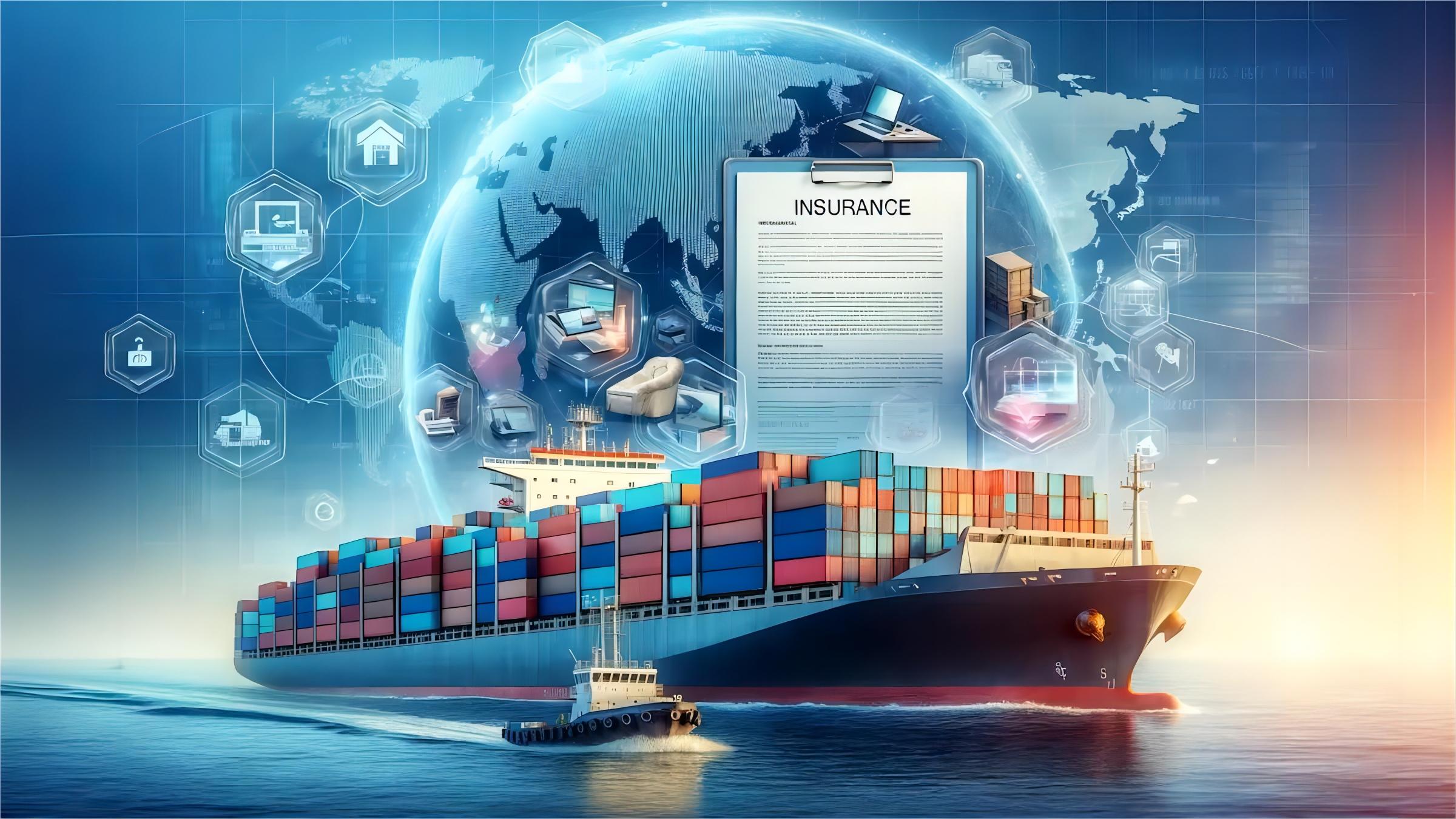
Insurance Certificate (Optional but Recommended)
While not always mandatory, an insurance certificate is highly advisable for protecting your cargo against unforeseen risks. It provides coverage for damage, loss, or theft during transit. This adds a crucial layer of security.
Considering the long transit times and potential handling issues, cargo insurance offers peace of mind. Without a doubt, the cost of insurance is minimal compared to the potential financial loss of uninsured goods. It is a smart investment.
Navigating Customs Clearance for China to Dubai Trade
Effectively managing customs clearance is as vital as preparing your documents. The process involves distinct stages in both the origin and destination countries. Understanding these steps helps prevent delays and ensures compliance.
Furthermore, navigating the specific regulations of both Chinese and Emirati customs can be complex. Therefore, engaging experienced professionals is often the most efficient strategy. This minimizes the risk of costly errors.
Export Customs in China
Firstly, your goods must clear Chinese export customs before leaving the country. This involves submitting the necessary documentation, including the export declaration, commercial invoice, and packing list. Chinese authorities verify compliance.
Subsequently, once approved, an export license is issued, allowing the cargo to proceed for loading. Any discrepancies at this stage can lead to inspections and significant delays. Therefore, precision is key.
Import Customs in Dubai
Upon arrival in Dubai, your shipment undergoes import customs clearance. The importer, or their appointed agent, must submit the import declaration, Bill of Lading/Air Waybill, commercial invoice, and Certificate of Origin. Dubai Customs then assesses duties and taxes.
Moreover, certain goods may require specific permits from ministries like the Ministry of Health or Ministry of Environment. Successfully clearing import customs is the final hurdle before your goods can be released for delivery. This process is crucial for timely receipt.
The Importance of a Customs Brokerage Partner
Considering the intricacies of international customs laws, partnering with a reliable customs brokerage is invaluable. They possess expertise in tariff classification, duty calculation, and compliance requirements for both China and Dubai.
Ultimately, a good customs broker can expedite the clearance process, reduce potential costs, and ensure all regulatory obligations are met. This professional support is critical for seamless cross-border trade. It safeguards your interests.
How to Ship from China to Dubai: Methods and Transit Times
Choosing the right shipping method is paramount for balancing cost, speed, and cargo security. The primary options for shipping from China to Dubai include sea freight, air freight, and express services. Each has distinct advantages and disadvantages.
Therefore, evaluating your specific needs, such as cargo volume, urgency, and budget, will guide your decision. A well-informed choice contributes significantly to your overall supply chain efficiency. It impacts delivery schedule and freight rates.
| Shipping Method | Cost Range (per kg) | Transit Time | Best For |
|---|---|---|---|
| Sea Freight (FCL) | $0.05 – $0.20 | 18-25 days | Large, heavy, non-urgent cargo |
| Sea Freight (LCL) | $0.10 – $0.40 | 20-30 days | Smaller shipments, not time-critical |
| Air Freight | $3.00 – $6.00 | 3-7 days | Urgent, high-value, perishable goods |
| Express Service | $6.00 – $12.00+ | 1-3 days | Samples, documents, very small urgent packages |
Sea Freight (FCL/LCL)
Without a doubt, sea freight is the most cost-effective option for large or heavy shipments. It typically involves either Full Container Load (FCL) or Less than Container Load (LCL). Transit times usually range from 18 to 25 days for direct routes.
However, while economical, sea freight has the longest transit time. Therefore, it is best suited for non-urgent cargo. Major ports include Shanghai, Ningbo, Shenzhen in China, and Jebel Ali Port in Dubai. This method is ideal for bulk goods.
Air Freight
Conversely, air freight offers significantly faster transit times, usually between 3 to 7 days. This makes it ideal for urgent, high-value, or perishable goods where speed is a priority. It reduces inventory holding costs considerably.
Nevertheless, air freight is considerably more expensive than sea freight, calculated by weight or volumetric weight. Major airports include Shanghai Pudong (PVG), Guangzhou Baiyun (CAN), and Beijing Capital (PEK) in China, connecting to Dubai International (DXB) or Al Maktoum (DWC).
Additionally, air cargo often has stricter regulations on hazardous materials and cargo dimensions. Therefore, careful planning and adherence to airline guidelines are essential. This ensures a smooth journey.
Express Service
For small packages, samples, or extremely urgent documents, express service via carriers like DHL, FedEx, or UPS is the fastest option. Delivery typically occurs within 1 to 3 days, offering door-to-door convenience.
However, this premium speed comes with the highest cost per kilogram. It is generally not suitable for large commercial shipments due to prohibitive expense. Use it for critical, time-sensitive items only.
Optimizing Your Supply Chain for China to Dubai Shipping
Beyond choosing a shipping method, several strategies can further enhance the efficiency and cost-effectiveness of your China to Dubai supply chain. Proactive planning is key to mitigating risks and improving delivery schedules.
Moreover, understanding the nuances of international trade terms and partnering with experienced logistics providers can provide a competitive edge. This holistic approach ensures smooth cargo handling and reduced complexities.
Choosing the Right Incoterms
Incoterms (International Commercial Terms) define the responsibilities of buyers and sellers for the delivery of goods. Selecting the appropriate Incoterm, such as FOB, CIF, or EXW, impacts who pays for and manages each part of the journey.
For example, FOB (Free On Board) means the seller is responsible until goods are loaded onto the vessel. Conversely, DDP (Delivered Duty Paid) places maximum responsibility on the seller, including customs duties. Choose wisely based on your control and cost preferences.
Pre-Shipment Inspection
Conducting a pre-shipment inspection in China can prevent quality issues and ensure your goods meet specifications before they leave the factory. This proactive measure avoids costly returns or disputes later. It validates product integrity.
Furthermore, it confirms that the quantity and packaging are correct, aligning with your packing list and commercial invoice. This step is particularly valuable for complex orders or new suppliers. It adds a layer of quality control.
Cargo Insurance
As mentioned previously, robust cargo insurance is a wise investment. It protects against financial losses due to unforeseen incidents during transit. Even with careful planning, risks like accidents, theft, or natural disasters exist.
Therefore, evaluate various insurance options to find coverage that matches your cargo’s value and the shipping route. This small expense can save substantial amounts in case of unforeseen circumstances. It offers significant peace of mind.
Partnering with a Reliable Freight Forwarder
A seasoned freight forwarder like Top China Freight is indispensable for navigating the complexities of international shipping. They handle everything from booking cargo space and managing documentation to customs clearance and final delivery.
Essentially, a good freight forwarder acts as your logistics partner, offering expertise and a network of contacts. This support is crucial for optimizing transit time, managing shipping costs, and ensuring trade compliance. They simplify the entire process.
How Does Sea Freight Compare to Other Shipping Options for China to Dubai?
When planning your export documentation China to Dubai, selecting the right mode of transport is a critical decision. While sea freight is often the default for its cost-effectiveness, it is essential to compare it against air and express options. Each method caters to different business needs and cargo profiles.
Consequently, understanding the trade-offs between speed, cost, and capacity will enable you to make an informed choice. This comparison helps optimize your logistics strategy for specific shipments. It directly impacts your freight rates.

| Shipping Method | Cost Range (40HQ/100kg) | Transit Time | Best For | Limitations |
|---|---|---|---|---|
| FCL Sea Freight | $2,800 – $3,800 (40HQ) | 18-25 days | High volume, heavy, non-urgent goods | Slowest transit, port-to-port |
| LCL Sea Freight | $50 – $80 per CBM | 20-30 days | Smaller volumes (under 15 CBM), flexible | Longer transit, potential for delays |
| Air Freight | $300 – $600 (100kg) | 3-7 days | Urgent, high-value, perishable items | High cost, weight/size restrictions |
| Express Service | $600 – $1200+ (100kg) | 1-3 days | Samples, documents, very small urgent parcels | Highest cost, volume limits |
Detailed Shipping Option Comparison
Sea freight, notably, offers the lowest cost per unit for bulk goods. For example, a 40HQ container from China to Jebel Ali, Dubai, might cost between $2,800-$3,800, with a transit time of 18-25 days. It is ideal for non-urgent, high-volume shipments.
In contrast, air freight for the same volume would incur significantly higher costs, potentially $15,000-$25,000, but delivers in 3-7 days. This method suits urgent, high-value, or time-sensitive cargo. Speed is its primary advantage.
Express services, furthermore, provide unparalleled speed (1-3 days) for small parcels but at a premium cost, often exceeding $6-12 per kilogram. This makes it unsuitable for commercial quantities. It’s reserved for critical documents or samples.
Alternative Strategies and Hybrid Solutions
For shipments under 15 CBM, Less than Container Load (LCL) sea freight at $50-80/CBM may be more economical than a full container. However, LCL often involves longer transit times due to consolidation and deconsolidation. This is a common cost-saving strategy.
Moreover, consider direct routes versus transshipment options. Direct routes from major Chinese ports like Shanghai or Ningbo to Jebel Ali typically cost 10-15% more but save 5-7 days compared to transshipment via ports like Singapore. The trade-off is speed for cost.
Hybrid solutions, such as sea-air combinations, are also emerging. For instance, shipping by sea from China to a hub in the UAE, then by air to the final destination, can offer a balance of cost and speed for certain routes. This strategy optimizes logistics trends.
Which Shipping Option Should You Choose for Your China to Dubai Cargo?
Making the optimal shipping choice depends entirely on your specific business priorities and cargo characteristics. A clear decision framework helps streamline this process, aligning logistics with your strategic goals. Consider these factors carefully.
Therefore, assess your budget, urgency, cargo type, and volume thresholds before committing to a shipping method. This thoughtful approach ensures maximum efficiency and cost-effectiveness for your China to Dubai delivery schedule.
Budget Priority
If minimizing shipping costs is your top concern, then Full Container Load (FCL) sea freight is typically the most economical option for substantial volumes. For smaller shipments, Less than Container Load (LCL) sea freight provides a cost-effective alternative.
Consequently, budget-conscious importers should plan well in advance to accommodate longer transit times. This strategy significantly reduces overall freight rates. It prioritizes financial efficiency.
Speed Priority
When speed is paramount, particularly for urgent orders or high-value goods, air freight is the undisputed choice. For extremely time-sensitive documents or samples, express courier services offer the fastest delivery times.
However, be prepared for significantly higher shipping costs when opting for speed. This trade-off is acceptable when delayed delivery could lead to substantial financial losses. It prioritizes rapid market entry.
Cargo Type Considerations
The nature of your cargo also dictates the best shipping method. Perishable goods, for instance, generally require air freight with temperature control. Similarly, fragile items might benefit from air transport due to less handling.
Conversely, durable, non-perishable goods like machinery, raw materials, or furniture are perfectly suited for sea freight. Always consider special handling requirements for cargo handling. This ensures product integrity.
Volume Thresholds for Switching Methods
For small shipments (under 1-2 CBM or 100-200 kg), express service or air freight might be surprisingly competitive, especially when considering the minimal difference in cost versus speed. The convenience often outweighs the marginal expense.
However, once your cargo exceeds approximately 15-20 CBM, FCL sea freight typically becomes far more cost-effective than LCL. Evaluate your volume carefully to identify the point where switching methods yields significant savings. This optimizes your shipping costs.
Real-World Case Studies: Export Documentation China to Dubai in Practice
These case studies illustrate practical scenarios for shipping from China to Dubai, highlighting the interplay of documentation, shipping methods, and logistics. They provide tangible examples of how businesses manage their supply chain effectively. These are based on Q3 2024 market rates.
Moreover, they demonstrate how different cargo types and urgency levels influence the choice of service. Understanding these examples can help you plan your own shipments. Challenges and solutions are key insights.
Case Study 1: Large Volume, Sea Freight for Retail Goods
This case involved a Dubai-based retailer importing a large consignment of household electronics from multiple suppliers in Shenzhen. The primary goal was cost efficiency for a non-urgent order, making sea freight the ideal choice. Effective consolidation was critical.
Furthermore, meticulous preparation of the commercial invoice and packing list, consolidating items from various vendors, was crucial for smooth customs clearance. This streamlined the import regulations Dubai from China. The Certificate of Origin was also vital.
| Detail | Description |
|---|---|
| Route | Shenzhen, China -> Jebel Ali, Dubai, UAE |
| Cargo | Household electronics (small appliances), 58 CBM, 9,500 kg |
| Container | 1 x 40HQ |
| Shipping Details | |
| – Carrier/Service | COSCO (Major carrier) |
| – Port of Loading | Yantian, Shenzhen |
| – Port of Discharge | Jebel Ali Port, Dubai |
| – Route Type | Direct |
| Cost Breakdown | |
| – Ocean Freight | $3,100 |
| – Origin Charges (THC, documentation) | $450 |
| – Destination Charges | $380 |
| – Customs & Duties (estimated) | $1,200 (5% of CIF value) |
| – Total Landed Cost | $5,130 |
| Timeline | |
| – Booking to Loading | 5 days |
| – Sea Transit | 20 days |
| – Customs Clearance | 3 days |
| – Total Door-to-Door | 28 days |
| Key Insight | Optimal cost-efficiency achieved through FCL sea freight and precise export documentation China to Dubai, especially the consolidated packing list and COO. Q3 2024 rates were stable. |
Case Study 2: Urgent, High-Value Industrial Parts via Air Freight
A manufacturing company in Dubai urgently required specialized industrial machine parts from Shanghai to prevent production line shutdown. Speed was the absolute priority, justifying the higher cost of air freight. The value of the parts was substantial.
Consequently, precise air freight documentation, including an accurate commercial invoice for customs valuation and an Air Waybill, was critical for expedited clearance. This minimized downtime and maintained the delivery schedule. Every hour mattered.
The supplier ensured all necessary permits for industrial equipment were pre-approved. This proactive step prevented any delays at Dubai International Airport. The meticulous approach paid off significantly.
| Detail | Description |
|---|---|
| Route | Shanghai, China -> Dubai, UAE |
| Cargo | Precision industrial machine parts, 1.5 CBM, 250 kg |
| Container | Air Cargo (General) |
| Shipping Details | |
| – Carrier/Service | Emirates SkyCargo |
| – Port of Loading | Shanghai Pudong (PVG) |
| – Port of Discharge | Dubai International (DXB) |
| – Route Type | Direct |
| Cost Breakdown | |
| – Air Freight | $1,450 ($5.80/kg) |
| – Origin Charges (handling, documentation) | $180 |
| – Destination Charges (terminal fees) | $120 |
| – Customs & Duties (estimated) | $350 (5% of CIF value) |
| – Total Landed Cost | $2,100 |
| Timeline | |
| – Booking to Loading | 1 day |
| – Air Transit | 2 days |
| – Customs Clearance | 1 day |
| – Total Door-to-Door | 4 days |
| Key Insight | Air freight proved essential for time-critical parts, with swift customs clearance enabled by flawless export documentation China to Dubai, particularly the precise commercial invoice. Rates were typical for Q3 2024. |
Case Study 3: Small Online Retailer, LCL Sea Freight
An e-commerce startup in Dubai regularly imports small batches of fashion accessories from Guangzhou. Their priority is balancing cost with reasonable transit time for consistent stock replenishment. LCL sea freight provided this balance.
Accordingly, careful attention to the packing list and commercial invoice for each small consignment was necessary. Consolidation with other shipments meant extra coordination but significant cost savings. This strategy minimized shipping costs for smaller volumes.
The freight forwarder managed the consolidation process, ensuring all documentation was correctly compiled for the LCL shipment. This simplified the process for the small business. The required documents for export from China to Dubai were handled efficiently.
| Detail | Description |
|---|---|
| Route | Guangzhou, China -> Jebel Ali, Dubai, UAE |
| Cargo | Fashion accessories, 8 CBM, 1,200 kg |
| Container | LCL Sea Freight |
| Shipping Details | |
| – Carrier/Service | Major NVOCC consolidation service |
| – Port of Loading | Nansha, Guangzhou |
| – Port of Discharge | Jebel Ali Port, Dubai |
| – Route Type | Transshipment via Singapore |
| Cost Breakdown | |
| – Ocean Freight | $640 ($80/CBM) |
| – Origin Charges (consolidation, documentation) | $220 |
| – Destination Charges (deconsolidation, terminal) | $280 |
| – Customs & Duties (estimated) | $250 (5% of CIF value) |
| – Total Landed Cost | $1,390 |
| Timeline | |
| – Booking to Loading | 7 days |
| – Sea Transit | 25 days |
| – Customs Clearance | 4 days |
| – Total Door-to-Door | 36 days |
| Key Insight | LCL sea freight offered a cost-effective solution for smaller volumes, despite longer transit due to transshipment and consolidation. Accurate export documentation China to Dubai was critical for smooth customs. Rates were typical for Q3 2024. |
Understanding Freight Rates and Market Conditions for China to Dubai
Freight rates from China to Dubai are dynamic, influenced by a multitude of factors beyond just the shipping method. Staying informed about current market conditions is vital for accurate budgeting and strategic planning. These rates constantly fluctuate.
According to industry benchmarks, as of Q1 2025, freight rates from China to Dubai have largely stabilized after global supply chain disruptions. However, certain factors continue to exert pressure on pricing. Understanding these elements is key to managing shipping costs effectively.
Factors Influencing Shipping Costs
Several key elements determine the final cost of shipping. These include the type and volume of cargo, the chosen shipping method, fuel surcharges, and port congestion at both ends. Moreover, demand-supply dynamics play a significant role.
Additionally, geopolitical events, carrier capacity, and seasonal peaks also contribute to price volatility. Always consider all these variables when calculating your total landed cost. This ensures comprehensive financial planning.
Seasonal Variations and Market Trends
Historically, freight rates typically increase by 15-25% during peak seasons, such as August to October leading up to the holiday season, and before Chinese New Year. Planning shipments outside these periods can yield considerable savings. Flexibility is an advantage.
Current market data suggests a continued focus on supply chain resilience, with some carriers offering premium services for guaranteed space and faster transit. These logistics trends indicate a growing demand for reliability. It impacts the delivery schedule.
Streamlining Your Export Process with a Trusted Logistics Partner
Navigating the complexities of export documentation China to Dubai and managing the logistics can be overwhelming for businesses. This is precisely where a professional freight forwarder becomes an invaluable asset. They offer comprehensive solutions to simplify your trade operations.
Indeed, partnering with an experienced provider ensures your shipments are handled efficiently, compliantly, and cost-effectively. This collaboration allows you to focus on your core business, leaving the intricate details to the experts. It is a strategic advantage.
Benefits of Door-to-Door Services
Opting for door-to-door services means your freight forwarder manages the entire shipping process from your supplier’s factory in China to your warehouse in Dubai. This includes pickup, customs clearance, main carriage, and final delivery.
Consequently, it simplifies your supply chain, reduces administrative burden, and provides a single point of contact. This integrated approach minimizes potential delays and ensures a seamless experience. It offers ultimate convenience.
Expert Guidance on Trade Compliance
A reputable logistics partner provides expert guidance on all aspects of trade compliance, from correct tariff classification to understanding specific import regulations Dubai from China. Their knowledge helps avoid penalties and ensures smooth customs procedures.
Moreover, they stay updated on evolving international trade laws and regulations, offering proactive advice. This specialized support is critical for maintaining legal compliance and preventing costly mistakes. It protects your business interests.
Conclusion
In conclusion, mastering export documentation China to Dubai is vital for efficient international trade. Understanding the required paperwork, choosing the right shipping method, and partnering with an experienced freight forwarder can significantly streamline your operations. Proactive planning is paramount for success.
Ultimately, a well-managed logistics process, supported by accurate documentation and expert guidance, reduces risks and optimizes your supply chain. For reliable, end-to-end solutions for your China to Dubai shipping needs, <a href=”https://Top China Freight.com/”>Top China Freight</a> offers comprehensive support. We are your trusted partner.
Get Your Shipping Quote Today
Ready to simplify your export documentation China to Dubai process? Contact Top China Freight today for a personalized quote and seamless logistics solutions. We are here to ensure your shipments arrive on time and within budget, offering expertise in freight rates and customs clearance.
Request Quote