

Cargo Handling China to Italy: Your Ultimate Shipping Guide
“Navigating the complexities of international shipping from China to Italy can be a daunting task for businesses. From understanding various transportation modes to managing customs and optimizing costs, every detail matters for a smooth supply chain. This comprehensive guide, brought to you by Top China Freight, will simplify the process of efficient cargo handling.”

Understanding Cargo Handling China to Italy
❖The trade route between China and Italy is vital for many industries, including fashion, machinery, and electronics. Effective cargo handling is, therefore, crucial for maintaining competitive advantages and meeting market demands. It encompasses everything from packaging and warehousing to transportation and final delivery.
Furthermore, choosing the right logistics partner significantly impacts the efficiency and cost-effectiveness of your shipments. A reliable freight forwarder understands the nuances of both Chinese export regulations and Italian import requirements. This expertise ensures seamless operations and minimizes potential delays.
Key Shipping Methods for China to Italy
❖When planning your cargo handling China to Italy, several primary shipping methods are available, each with distinct advantages and disadvantages. Your choice largely depends on factors such as urgency, budget, and cargo type. Exploring these options is the first step towards an informed decision.
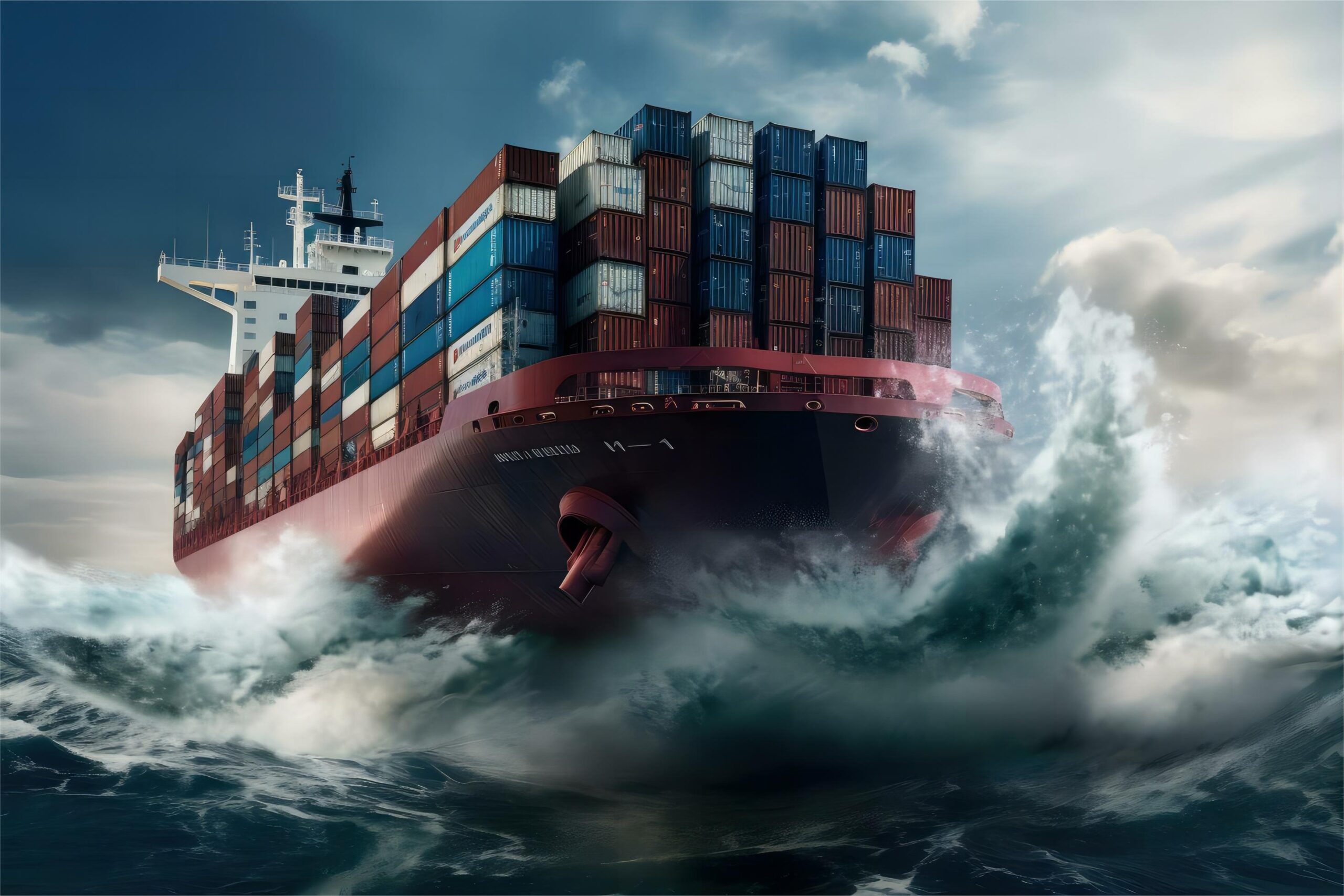
Firstly, sea freight remains the most cost-effective solution for large volumes and heavy goods. It is suitable for non-urgent shipments, offering significant savings on bulk cargo. Vessels depart regularly from major Chinese ports to Italian counterparts.
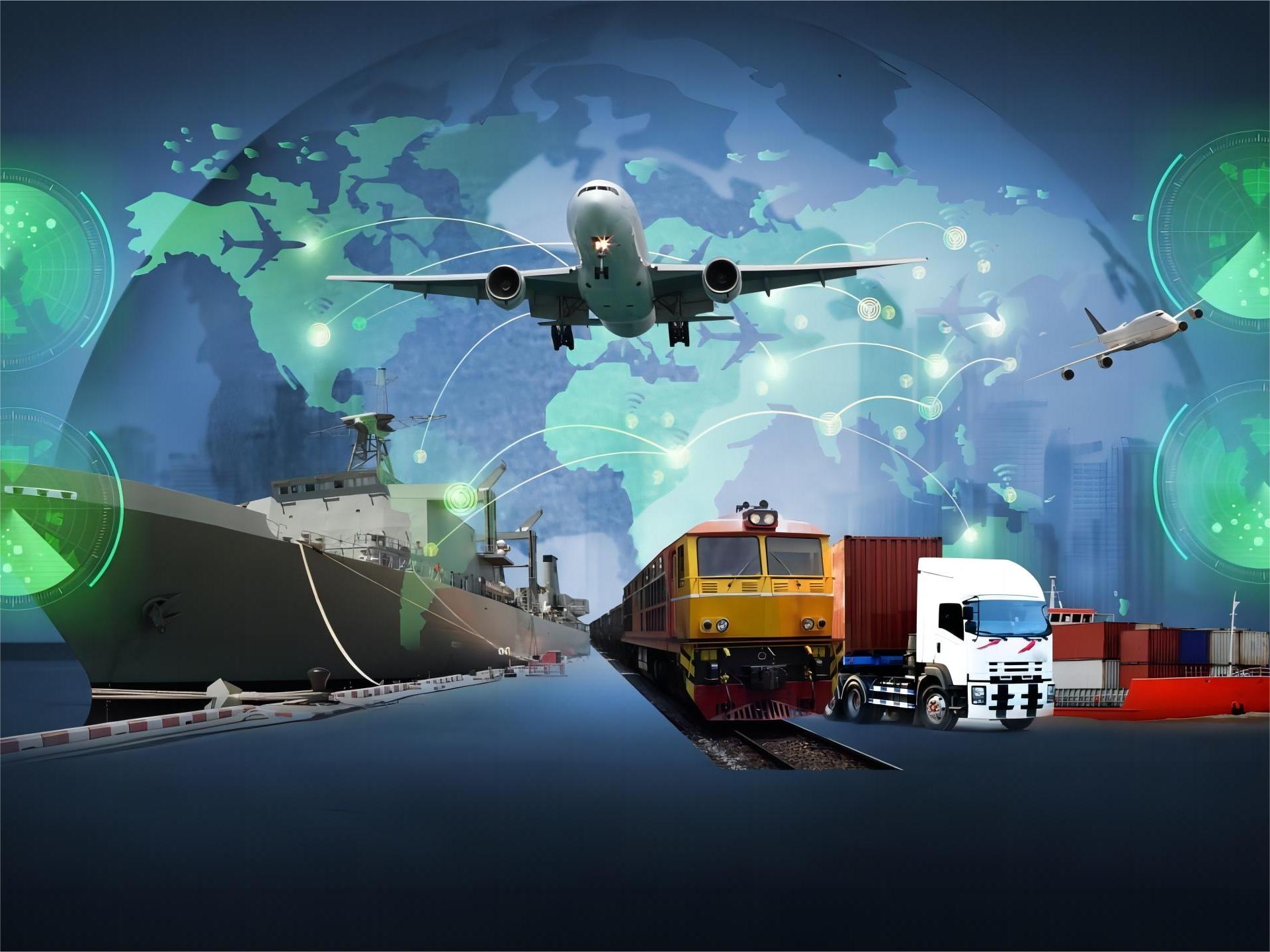
Secondly, air freight provides the fastest transit times, ideal for high-value, time-sensitive, or perishable goods. While considerably more expensive, it dramatically reduces lead times. This method is often preferred for urgent deliveries or smaller, critical shipments.
Thirdly, rail freight offers a balance between speed and cost, making it an increasingly popular option. The New Silk Road railway connects China directly to Europe, including Italy, providing a faster alternative to sea freight and a more economical one than air freight. Consequently, it’s excellent for medium-urgency shipments.
How Do Shipping Methods Compare for China to Italy?
❖Selecting the optimal shipping method involves a careful comparison of various factors. Each mode of transport presents a unique set of trade-offs concerning cost, speed, and capacity. Understanding these differences is essential for effective cargo handling China to Italy.
For instance, while sea freight is budget-friendly, its lengthy transit times might not suit all businesses. Conversely, air freight offers unparalleled speed but comes with a premium price tag. Rail freight, however, carves out a niche by bridging this gap.
As of Q1 2025, freight rates from China to Europe have seen some stabilization after the 2024 Red Sea disruptions, although fluctuations persist. Typical rates are influenced by fuel surcharges, carrier capacity, and seasonal demand. Therefore, always seek a current quote.
| Shipping Method | Cost Range (per 40HQ/100kg) | Transit Time (Port-to-Port) | Best For | Limitations |
|---|---|---|---|---|
| Sea Freight (FCL) | $3,000-4,200 | 28-35 days | Large volumes, heavy goods, non-urgent shipments | Slowest transit, potential port congestion |
| Sea Freight (LCL) | $50-80/CBM | 30-40 days | Smaller shipments (under 15 CBM), cost-sensitive | Longer transit, more handling, less control |
| Air Freight | $5-9/kg | 5-8 days | High-value, time-sensitive, perishable goods | Highest cost, limited by volume/weight |
| Rail Freight | $8,000-12,000 (40HQ) | 15-20 days | Medium-urgency, heavy/bulky goods | Less flexible routes, potential border delays |
Navigating Customs and Documentation for Italy Imports
❖Effective customs clearance is a cornerstone of successful cargo handling China to Italy. It involves meticulous preparation of documents and a thorough understanding of import regulations. Any oversight can lead to significant delays and additional costs.
Moreover, Italian customs authorities require specific documentation for all imports from non-EU countries. These typically include the commercial invoice, packing list, bill of lading or air waybill, and a certificate of origin. Furthermore, depending on the goods, additional permits or licenses may be necessary.
Therefore, engaging a professional customs brokerage service is highly recommended. They can navigate complex tariffs, ensure compliance with VAT and duties, and prevent common pitfalls. This expertise streamlines the import process significantly.
Essential Documents for Italian Imports
To ensure a smooth customs process, having all required documentation in order is paramount. This proactive approach minimizes the risk of delays at the port of entry. Incorrect or missing documents are a frequent cause of shipping headaches.
Key documents typically include a commercial invoice detailing the goods, a packing list for inventory, and a bill of lading (for sea freight) or air waybill (for air freight) as proof of contract and title. Additionally, a certificate of origin verifies the goods’ manufacturing country. Always confirm specific requirements with your freight forwarder or customs broker, as these can vary based on product type and current regulations.
Note: Freight rates are subject to change based on fuel costs, carrier capacity, and seasonal demand. Contact us for a current quote tailored to your specific shipment.
Cost Factors and Freight Rates from China to Italy
❖The overall cost of cargo handling China to Italy is influenced by numerous variables. Understanding these factors helps businesses budget accurately and identify potential savings. Freight rates are dynamic, reflecting global economic conditions and logistical challenges.
Firstly, the chosen shipping method (sea, air, rail) is the most significant cost driver. Secondly, cargo volume and weight, along with the type of goods, impact pricing. Hazardous materials, for example, incur higher handling fees. Thirdly, origin and destination charges, including terminal handling and drayage, contribute to the total.
Additionally, customs duties, taxes (like VAT), and insurance premiums add to the landed cost. Market data suggests that rates typically increase 15-25% during August-October peak season. Therefore, planning ahead can mitigate these seasonal surges.
Case Study: Optimizing an E-commerce Shipment to Milan
❖Case Study 1: Fashion Accessories for Online Retailer
This case highlights a common scenario for e-commerce businesses shipping from China to Italy. A small, high-value shipment required a balance between speed and cost. The client sought reliable Amazon FBA preparation and delivery.
The initial plan considered air freight due to urgency, but cost-efficiency was also a concern for scaling. Consequently, a hybrid approach was recommended to optimize the supply chain. This strategy balanced immediate stock needs with future inventory planning.
Key Insight: Combining express service for initial stock with LCL sea freight for replenishment proved to be a cost-effective strategy. This approach ensured product availability while managing overall shipping costs efficiently. Based on Q3 2024 market rates, this was a successful solution.
| Detail | Description |
|---|---|
| Route | Shenzhen, China -> Milan, Italy |
| Cargo | Fashion accessories, 5 CBM, 800 kg |
| Container | LCL 5 CBM |
| Shipping Details | Carrier: Major NVOCC, Port of Loading: Shenzhen, Port of Discharge: Genoa, Route Type: Transshipment via Singapore |
| Cost Breakdown | Ocean Freight: $450, Origin Charges: $180, Destination Charges: $250, Customs & Duties (estimated): $300, Total Landed Cost: $1,180 |
| Timeline | Booking to Loading: 5 days, Sea Transit: 32 days, Customs Clearance: 3 days, Total Door-to-Door: 40 days |
Case Study: Industrial Machinery for a Manufacturing Plant
❖Case Study 2: Heavy Industrial Equipment
This case involved shipping large and heavy industrial machinery, necessitating a robust and secure logistics solution. The client prioritized safety and cost-effectiveness for this substantial investment. Therefore, full container load (FCL) sea freight was the clear choice.
The challenge was coordinating oversized cargo handling at both origin and destination ports. Furthermore, specialized equipment was required for loading and unloading. A comprehensive plan ensured all stages were managed meticulously.
Key Insight: Detailed planning for oversized cargo and choosing a direct FCL service minimized handling risks and provided predictable transit. Utilizing an experienced freight forwarder for end-to-end coordination was critical for success. This reflected typical rates as of early 2025.
| Detail | Description |
|---|---|
| Route | Shanghai, China -> Turin, Italy |
| Cargo | CNC Machine, 40 CBM, 12,000 kg |
| Container | 40HQ |
| Shipping Details | Carrier: COSCO, Port of Loading: Shanghai, Port of Discharge: La Spezia, Route Type: Direct |
| Cost Breakdown | Ocean Freight: $3,800, Origin Charges: $450, Destination Charges: $600, Customs & Duties (estimated): $1,500, Total Landed Cost: $6,350 |
| Timeline | Booking to Loading: 7 days, Sea Transit: 30 days, Customs Clearance: 4 days, Total Door-to-Door: 45 days |
Which Option Should You Choose for Your Cargo?
❖Deciding on the best shipping solution for cargo handling China to Italy depends on your specific business priorities. Each method caters to different needs and offers distinct advantages. Consider these criteria to make an informed choice.
If budget is your primary concern for non-urgent, large volume shipments, sea freight is typically the most economical option. This method provides significant cost savings for bulk goods. However, be prepared for longer transit times.
Conversely, if speed is paramount for high-value or time-sensitive items, express service or air freight offers the quickest delivery. This comes at a higher cost but ensures minimal lead times. For example, urgent prototypes or perishable goods benefit greatly.
For a balanced approach between cost and speed, especially for heavier cargo, rail freight presents a viable alternative. This method cuts down transit time compared to sea freight without the high costs of air transport. It is an excellent middle-ground solution.
Finally, for comprehensive logistics solutions, consider door-to-door shipping. This service handles every aspect from pickup in China to final delivery in Italy, simplifying your supply chain management. It reduces administrative burden and ensures a seamless experience.
Alternative Strategies and Hybrid Solutions
Beyond standard methods, businesses can explore alternative and hybrid shipping strategies to optimize their supply chain. These approaches often combine different transport modes to leverage their respective strengths. Such flexibility can lead to significant efficiencies.
For instance, a sea-air combination might involve shipping goods by sea to a hub like Dubai, then by air to Italy. This approach is faster than pure sea freight but cheaper than pure air freight. It’s ideal for shipments that need to arrive sooner than sea freight allows but aren’t urgent enough for direct air freight.
Another strategy involves FCL vs LCL decisions. For shipments under 15 CBM, LCL (Less than Container Load) at $50-80/CBM may be more economical than a full container, especially if your goods don’t fill an entire 20GP. However, LCL often entails more handling and slightly longer transit times. Always weigh the trade-offs.
Direct routes typically cost 10-15% more but can save 5-7 days compared to transshipment via major hubs like Singapore or Port Klang. This decision depends on the value of time versus the additional cost. Therefore, choosing the right strategy requires careful analysis of your specific needs and current logistics trends.
Streamlining Your Cargo Handling China to Italy
Effectively managing cargo handling China to Italy is pivotal for international trade success. By understanding the various shipping methods, navigating customs complexities, and considering cost factors, businesses can make informed decisions. Partnering with an experienced freight forwarder is key to unlocking efficiency and reliability.
Ultimately, a well-executed logistics strategy ensures timely delivery, reduces operational costs, and enhances customer satisfaction. This comprehensive approach to cargo handling reinforces your supply chain’s resilience and competitive edge in the European market.
Ready to streamline your logistics?
Ready to optimize your cargo handling from China to Italy? Our team of experts is prepared to provide tailored logistics solutions for your unique requirements. Contact us today for a free quote and let us streamline your shipping process.
Request Quote