

Medical Equipment Freight From China: Your Essential Shipping Guide
Shipping medical equipment from China presents unique challenges, blending urgency with stringent regulatory demands. Understanding these complexities is crucial for maintaining a robust healthcare supply chain. This comprehensive guide will navigate the intricacies of medical equipment freight from China, offering insights into optimal logistics solutions. We aim to equip you with the knowledge to ensure safe, compliant, and cost-effective delivery of your vital medical cargo.

Why is Medical Equipment Freight from China So Complex?
Transporting medical equipment, devices, and pharmaceutical products from China involves more than standard cargo shipping. Indeed, it demands a specialized approach due to the sensitive nature of the goods. Consequently, shippers must navigate a maze of regulations, ensure product integrity, and often meet critical delivery timelines.
Furthermore, the global healthcare supply chain is continuously evolving, introducing new challenges for medical cargo transport. Factors such as geopolitical shifts, trade policies, and unexpected global events can significantly impact logistics. Therefore, a deep understanding of these variables is essential for successful importation.
Managing medical equipment freight from China requires meticulous planning and execution. This includes everything from choosing the right packaging to understanding destination country import requirements. Without a doubt, neglecting any step can lead to costly delays or even product damage.
Regulatory Compliance and Documentation
Every country has specific regulations governing the import of medical devices and supplies. For instance, the FDA in the USA and the CE mark in Europe are critical for market entry. Consequently, ensuring all documentation aligns with these standards is paramount for smooth customs clearance.
Moreover, accurate product classification, licensing, and quality certifications are non-negotiable. Improper paperwork can lead to significant delays, fines, or even seizure of goods. Therefore, diligent preparation of import medical supplies from China is vital.
Sensitive Cargo Handling and Integrity
Many medical products, such as diagnostic kits, vaccines, or specialized instruments, are temperature-sensitive or fragile. Hence, they require specialized handling and controlled environments throughout transit. Maintaining the cold chain logistics for medical products is often a critical requirement.
Additionally, proper packaging, shock absorption, and environmental controls are essential to prevent damage or contamination. Any compromise in product integrity can render the medical equipment unusable. Thus, selecting carriers with proven expertise in sensitive cargo is key.
Time-Critical Delivery and Urgency
In the healthcare sector, timely delivery can literally be a matter of life and death. Urgent medical shipments for hospitals or clinics cannot afford delays. Therefore, choosing a shipping method that balances speed and reliability is crucial.
Conversely, longer transit times for non-urgent bulk orders might offer cost savings but still require precise scheduling. Managing these delivery schedules effectively is a hallmark of successful medical equipment logistics solutions. This strategic planning prevents stockouts and ensures continuous patient care.
Choosing the Right Shipping Method for Medical Devices
Selecting the appropriate shipping method for medical equipment freight from China depends on several factors. These include the urgency of the shipment, the cargo’s sensitivity, its volume, and your budget. Each method offers distinct advantages and trade-offs concerning speed, cost, and handling capabilities.

Careful consideration of these elements ensures that your medical device shipping aligns with both operational needs and financial constraints. Furthermore, understanding the nuances of each option helps in making informed decisions. This proactive approach minimizes risks and optimizes your supply chain efficiency.
| Shipping Method | Typical Transit Time | Cost Efficiency | Best Suited For |
|---|---|---|---|
| Air Freight | 3-7 Days | High Cost | Urgent, high-value, sensitive items |
| Sea Freight (FCL/LCL) | 20-45 Days | Low Cost | Bulk, heavy, non-urgent equipment |
| Express Service | 2-5 Days | Medium-High Cost | Samples, small parcels, prototypes |
Air Freight for Urgent Medical Shipments
For critical or high-value medical devices and pharmaceuticals, air freight is often the preferred choice. It offers the fastest transit times, typically delivering within 3-7 days from China to major destinations. This speed is invaluable for urgent medical shipments or products with short shelf lives.
However, air freight is generally the most expensive option for medical cargo transport. While suitable for smaller, high-value items, costs can escalate significantly for larger volumes. Nevertheless, the speed and security it provides often justify the higher investment for time-sensitive goods.
Sea Freight for Bulk Medical Supplies
When dealing with large volumes of non-urgent medical equipment or durable medical goods, sea freight provides a cost-effective solution. Full Container Load (FCL) or Less than Container Load (LCL) options are available depending on your shipment size. This method is ideal for bulk medical supplies.
Despite longer transit times, typically 20-45 days, sea freight offers substantial savings on the cost of shipping medical devices. It is particularly suitable for heavy or oversized equipment not requiring immediate delivery. Therefore, careful planning is required to accommodate the extended shipping schedule.
Express Services for Small, High-Value Items
For samples, prototypes, or very small, high-value medical components, express services (e.g., DHL, FedEx, UPS) offer a balance of speed and convenience. These services provide door-to-door delivery and integrated customs clearance. This makes them highly attractive for specific needs.
While often faster than standard air freight for small parcels, express services can become expensive for heavier or bulkier items. They are best utilized for time-critical, smaller shipments where convenience and direct delivery are paramount. This ensures rapid deployment of essential components.
Navigating Customs and Regulations for Medical Imports
Customs procedures for medical equipment freight from China are notoriously complex and demand meticulous attention. Each destination country enforces specific import regulations to ensure product safety and efficacy. Consequently, navigating these rules is critical for avoiding delays and penalties.
Moreover, proper documentation, classification, and adherence to local health authority guidelines are non-negotiable. A slight error can lead to significant setbacks in your supply chain. Therefore, partnering with experts who understand these intricacies is highly recommended for importing medical devices from China.
Essential Documentation Checklist
A comprehensive set of documents is required for medical imports. This includes commercial invoices, packing lists, bills of lading or air waybills, and certificates of origin. Additionally, specific medical device licenses, quality certifications (e.g., ISO, CE, FDA), and declarations of conformity are mandatory.
Furthermore, any product-specific permits or health certificates must be prepared accurately. All documents must be consistent and presented in the correct format. Errors in this documentation can easily trigger customs holds or inspections, prolonging transit times significantly.
| Document Type | Purpose | Key Detail |
|---|---|---|
| Commercial Invoice | Proof of sale, value declaration | Accurate product description, H.S. codes |
| Packing List | Details of contents, packaging | Weight, dimensions, item count per package |
| Bill of Lading/Air Waybill | Contract of carriage, ownership proof | Shipper, consignee, cargo details |
| Certificate of Origin | Confirms country of manufacture | Issued by Chamber of Commerce |
| Medical Device License/Cert. | Regulatory approval for medical use | FDA, CE Mark, local health authority approvals |
Tariffs and Duties for Medical Supplies
Importing medical supplies from China often incurs tariffs and duties, which vary significantly by product type and destination country. These costs are a crucial part of the total landed cost. Therefore, understanding and calculating them accurately is essential for budgeting.
Moreover, incorrect H.S. (Harmonized System) codes can lead to overpayment or underpayment, resulting in fines or retroactive charges. Consulting with a customs expert can help optimize these costs. This ensures compliance and financial predictability for your medical device shipping.
Partnering with a Customs Broker
Given the complexities, engaging a professional customs brokerage service is highly advisable. A knowledgeable broker can navigate intricate regulations, prepare necessary documentation, and ensure compliance. This minimizes the risk of delays or penalties.
Furthermore, a good broker acts as an intermediary with customs authorities, resolving issues swiftly. Their expertise is invaluable for managing medical equipment freight from China. This partnership ensures that your medical cargo clears customs efficiently and legally, saving both time and money.
How to Ensure Safe Handling and Storage of Medical Cargo
The safe handling and storage of medical equipment and supplies are paramount to maintaining their efficacy and integrity. Many medical products are fragile, sensitive to environmental conditions, or require sterile environments. Consequently, specialized protocols are essential throughout the logistics process.
Implementing robust procedures for cargo handling, packaging, and climate control directly impacts patient safety and product reliability. Therefore, careful attention to these details is a non-negotiable aspect of medical equipment logistics solutions. This diligence safeguards your investment and ensures critical functionality.
Cold Chain Logistics for Pharmaceuticals
Certain pharmaceutical products, vaccines, and diagnostic reagents require strict temperature control, often referred to as cold chain logistics medical. Maintaining an unbroken cold chain from origin to destination is critical. Any deviation can compromise product effectiveness and safety.
Specialized refrigerated containers (reefers) and temperature-monitoring devices are utilized to ensure compliance. Moreover, real-time tracking and alerts provide constant oversight. This meticulous approach guarantees that temperature-sensitive medical cargo transport remains viable upon arrival.
Secure Packaging and Labeling
Robust and appropriate packaging is fundamental for protecting delicate medical equipment. This includes using shock-absorbing materials, custom crating for large machinery, and sterile packaging for sensitive items. Proper packaging prevents physical damage during transit.
Additionally, clear and accurate labeling is crucial. Labels must indicate handling instructions (e.g., ‘Fragile,’ ‘This Side Up,’ ‘Temperature Controlled’), hazardous material warnings, and necessary regulatory marks. This ensures that all personnel handle the medical equipment freight from China correctly.
Insurance Considerations for Medical Freight
Given the high value and critical nature of medical equipment, comprehensive cargo insurance is highly recommended. Standard carrier liability often falls short of covering the full value of specialized medical devices. Therefore, additional coverage provides essential financial protection.
Moreover, policies should cover risks such as damage, loss, theft, and temperature excursions. Understanding the terms and conditions of your insurance policy is vital. This proactive step helps in managing medical freight risks and ensures peace of mind throughout the shipping process.
Real-World Medical Equipment Freight Case Studies
Understanding real-world scenarios provides valuable insights into the complexities and successful strategies for medical equipment freight from China. These case studies highlight the diverse challenges and tailored solutions required for different types of medical cargo. They illustrate practical applications of logistics principles.
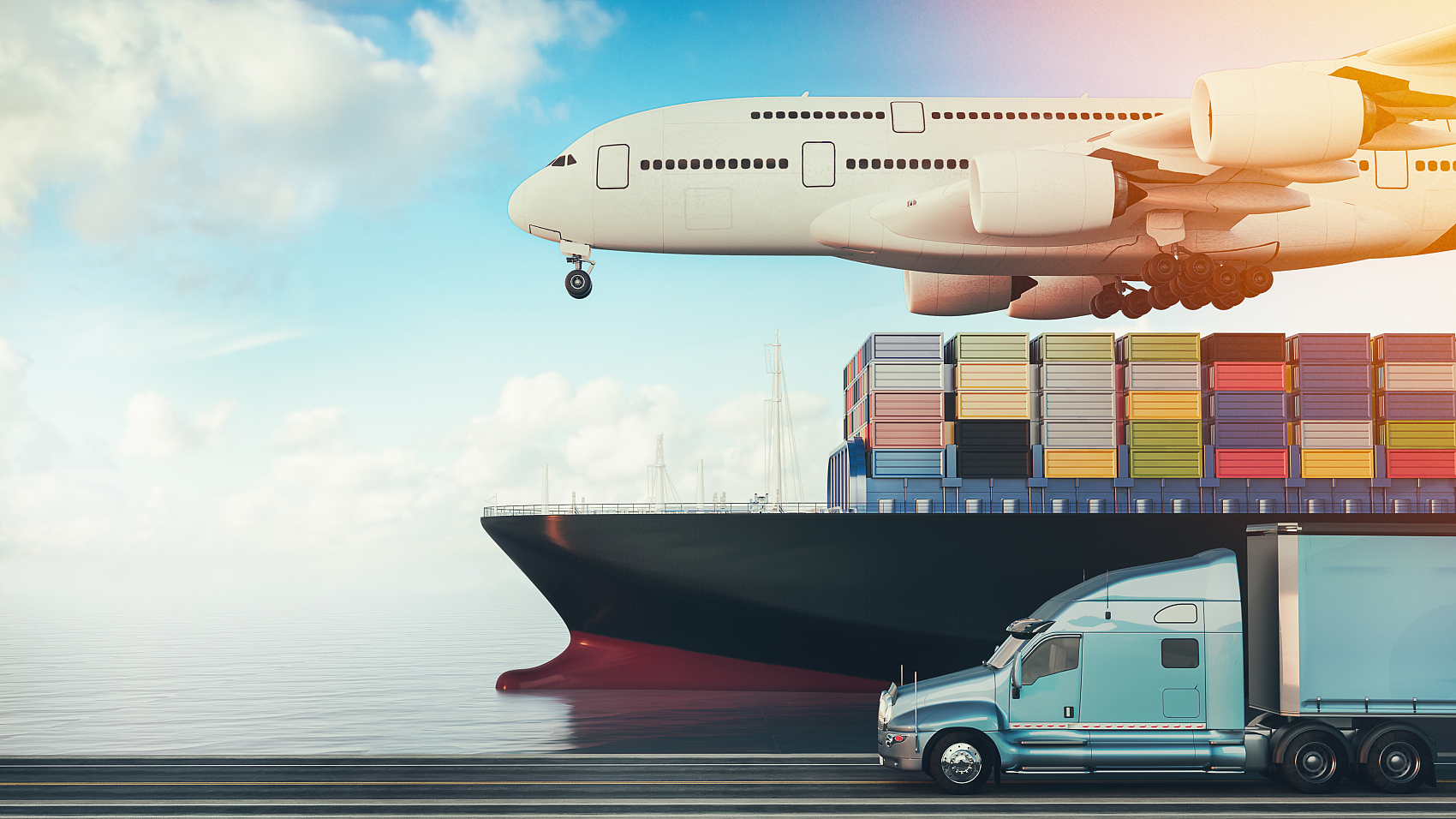
Each example demonstrates how careful planning, choice of shipping method, and regulatory compliance contribute to a successful outcome. Furthermore, they offer realistic perspectives on costs, transit times, and potential issues. This practical knowledge is invaluable for optimizing your own healthcare supply chain.
Case Study 1: Large Volume MRI Machine to Europe
| Detail | Description |
|---|---|
| Route | Shanghai, China Hamburg, Germany |
| Cargo | MRI System (Main Unit + Accessories), 45 CBM, 8,500 kg |
| Container | 1 x 40HQ (Main Unit), 1 x 20GP (Accessories) |
| Shipping Details | Carrier: COSCO, Port of Loading: Shanghai, Port of Discharge: Hamburg, Route Type: Direct |
| Cost Breakdown (Q3 2024) | Ocean Freight: $4,000 (40HQ) + $2,000 (20GP); Origin Charges: $750; Destination Charges: $600; Customs & Duties (est.): $1,200; Total Landed Cost: $8,550 |
| Timeline | Booking to Loading: 7 days; Sea Transit: 30 days; Customs Clearance: 3 days; Total Door-to-Port: 40 days |
| Key Insight | Strategic use of two container types optimized space and cost for a large, complex medical device. Careful coordination of loading and customs was crucial. |
Case Study 2: Urgent Diagnostic Kits to North America
| Detail | Description |
|---|---|
| Route | Shenzhen, China Chicago, USA |
| Cargo | COVID-19 Diagnostic Kits, 2 CBM, 350 kg (temperature-sensitive) |
| Container | Air Cargo (temperature-controlled pallet) |
| Shipping Details | Carrier: Cathay Pacific Cargo, Port of Loading: Shenzhen, Port of Discharge: Chicago O’Hare, Route Type: Direct Air Freight |
| Cost Breakdown (Q4 2024) | Air Freight: $3,800; Origin Charges: $300; Destination Charges: $250; Customs & Duties (est.): $450; Total Landed Cost: $4,800 |
| Timeline | Booking to Loading: 2 days; Air Transit: 4 days; Customs Clearance: 1 day; Total Door-to-Airport: 7 days |
| Key Insight | Prioritizing air freight for urgent, temperature-sensitive medical supplies ensured rapid delivery, despite higher costs. Cold chain maintenance was paramount. |
Case Study 3: Consolidated Lab Supplies to Australia
| Detail | Description |
|---|---|
| Route | Ningbo, China Sydney, Australia |
| Cargo | Various Lab Consumables (non-hazardous), 8 CBM, 1,200 kg |
| Container | LCL (Less than Container Load) |
| Shipping Details | Carrier: Maersk (LCL service), Port of Loading: Ningbo, Port of Discharge: Sydney, Route Type: Transshipment via Singapore |
| Cost Breakdown (Q1 2025) | Ocean Freight: $960 (8 CBM x $120/CBM); Origin Charges: $280; Destination Charges: $350; Customs & Duties (est.): $200; Total Landed Cost: $1,790 |
| Timeline | Booking to Loading: 5 days; Sea Transit: 18 days; Customs Clearance: 2 days; Total Door-to-Port: 25 days |
| Key Insight | LCL sea freight proved highly cost-effective for smaller, consolidated shipments of non-urgent medical supplies. Efficient cargo handling at transshipment hub was key. |
How Does Sea Freight Compare to Other Shipping Options?
When considering medical equipment freight from China, a thorough comparison of available shipping methods is essential. Each option presents a unique balance of cost, speed, and capacity. Consequently, understanding these trade-offs allows for strategic decision-making.
Moreover, the optimal choice often depends on the specific nature of the medical cargo and its urgency. For instance, while sea freight is economical, air freight offers unparalleled speed. This section objectively analyzes the pros and cons of major alternatives, providing a clear decision framework.
| Shipping Method | Cost Range (per kg/CBM) | Transit Time (China to EU/NA) | Best For | Limitations |
|---|---|---|---|---|
| Air Freight | $5-15/kg | 3-7 days | Urgent, high-value, temperature-sensitive | Highest cost, volume restrictions |
| Sea Freight (FCL) | $0.5-1.5/kg | 28-45 days | Large volumes, heavy equipment | Slowest, port congestion risks |
| Sea Freight (LCL) | $80-150/CBM | 30-50 days | Smaller volumes, non-urgent | Slightly slower than FCL, potential for damage during consolidation |
| Express Service | $10-25/kg | 2-5 days | Samples, documents, very small parcels | Very high cost for larger items, limited cargo types |
Air Freight vs. Sea Freight for Medical Supplies
Air freight offers significantly faster transit times, typically 3-7 days, compared to sea freight’s 20-45 days. This makes it ideal for urgent medical shipments and high-value, time-sensitive diagnostics. However, its cost is considerably higher; for example, air freight for 1 CBM could be $500-1000, while sea freight (LCL) might be $80-150.
Conversely, sea freight excels in cost-effectiveness for large volumes and heavy medical equipment. While sea freight costs $3,000-4,200 for a 40HQ to Europe, air freight for the same volume could cost $15,000-25,000. Therefore, the decision hinges on balancing speed against budget for your specific medical device shipping needs.

Hybrid Solutions for Optimized Logistics
In some cases, a hybrid approach, such as sea-air combination, can offer a balance between speed and cost. For example, medical equipment could travel by sea from China to a hub in Dubai, then by air to its final European destination. This strategy reduces overall transit time compared to pure sea freight and lowers costs compared to pure air freight.
Furthermore, for certain routes, specialized rail freight can also be considered, particularly for destinations in Central Asia or Europe. Rail offers a middle ground in terms of speed and cost, typically faster than sea and cheaper than air. However, direct rail service for highly sensitive medical goods might require additional specialized handling or temperature controls, making it less common for critical items compared to air or sea.
Which Option Should You Choose? (Decision Framework)
Your decision on the best shipping method for medical equipment freight from China should align with your specific priorities. If budget is the primary concern, sea freight (FCL or LCL) is generally the most economical choice. Consider this for non-urgent, heavy, or bulky medical supplies.
However, if speed is paramount, especially for urgent medical shipments, air freight or express services are indispensable. This applies to critical diagnostics, vaccines, or emergency medical devices. For a balance of convenience and efficiency, especially for final mile delivery, a comprehensive door to door service simplifies the entire process. Ultimately, the cargo type and required delivery schedule will dictate the optimal solution.
Optimizing Your Medical Supply Chain from China
Effective optimization of your medical supply chain from China is crucial for long-term success and resilience. This involves more than just selecting a shipping method; it encompasses strategic partnerships, technological integration, and continuous process improvement. Consequently, a holistic approach yields the best results.
Furthermore, in a dynamic global market, adaptability and foresight are key to managing medical equipment freight from China efficiently. Proactive planning helps mitigate risks and ensures a steady flow of essential healthcare supplies. This strategic focus enhances both operational efficiency and cost-effectiveness.
Partnering with Experienced Freight Forwarders
Collaborating with a freight forwarder specializing in medical equipment is invaluable. Such partners possess the expertise in regulatory compliance, cold chain logistics, and customs procedures specific to healthcare products. Their knowledge streamlines the complex import process.
Moreover, an experienced freight forwarder medical equipment expert can offer tailored solutions, negotiate better freight rates, and provide end-to-end visibility. This partnership is essential for a seamless and compliant healthcare supply chain. They manage the intricacies, allowing you to focus on your core business.
Leveraging Technology for Visibility
Modern logistics relies heavily on technology to enhance visibility and control over shipments. Implementing tracking systems, real-time temperature monitoring, and electronic documentation platforms improves transparency. This allows for proactive management of medical cargo transport.
Additionally, data analytics can identify bottlenecks and optimize routes, leading to improved delivery schedules. Leveraging these tools transforms a reactive supply chain into a proactive one. This ensures that medical equipment logistics solutions are efficient and responsive to challenges.
Cost-Saving Strategies and Trade-offs
While quality and compliance are paramount, opportunities exist to optimize the cost of shipping medical devices. Consolidating shipments (LCL), planning well in advance to avoid peak season surcharges, and exploring alternative routes can yield savings. However, these strategies often involve trade-offs in speed.
Furthermore, negotiating favorable contracts with carriers and freight forwarders based on consistent volume can reduce per-unit costs. It is important to balance these cost-saving measures with the critical requirements of medical equipment freight from China. Always ensure that savings do not compromise product integrity or regulatory adherence.
Note: Freight rates are subject to change based on fuel costs, carrier capacity, and seasonal demand. Contact us for a current quote tailored to your specific shipment.
Ensuring Seamless Medical Equipment Freight From China
In conclusion, successfully managing medical equipment freight from China demands a strategic, informed, and compliant approach. From selecting the appropriate shipping method to navigating complex customs regulations and ensuring sensitive cargo handling, every step is critical. Partnering with a knowledgeable freight forwarder who understands the unique demands of the healthcare sector is paramount for success.
By focusing on meticulous planning, leveraging technology, and prioritizing compliance, businesses can build a resilient and efficient medical supply chain. Ultimately, this ensures the safe and timely delivery of essential medical devices and supplies. Trust in expert solutions for your medical equipment freight from China to safeguard your operations and patient care.
Get Your Shipping Quote Today
Ready to streamline your medical equipment freight from China? Navigating complex regulations and ensuring timely delivery requires expert assistance. Contact us today for a personalized quote and discover how our specialized logistics solutions can support your healthcare supply chain. We are here to help you ship with confidence.
Request Quote