
Train Cargo China to Singapore: Your Ultimate Shipping Guide
Navigating international logistics can indeed be complex, especially when considering routes like China to Singapore. Many businesses seek efficient and cost-effective solutions for shipping goods across continents. Understanding the nuances of multimodal transport, including train cargo options, is therefore crucial for optimizing your supply chain. Learn more about streamlined shipping solutions at Top China Freight.
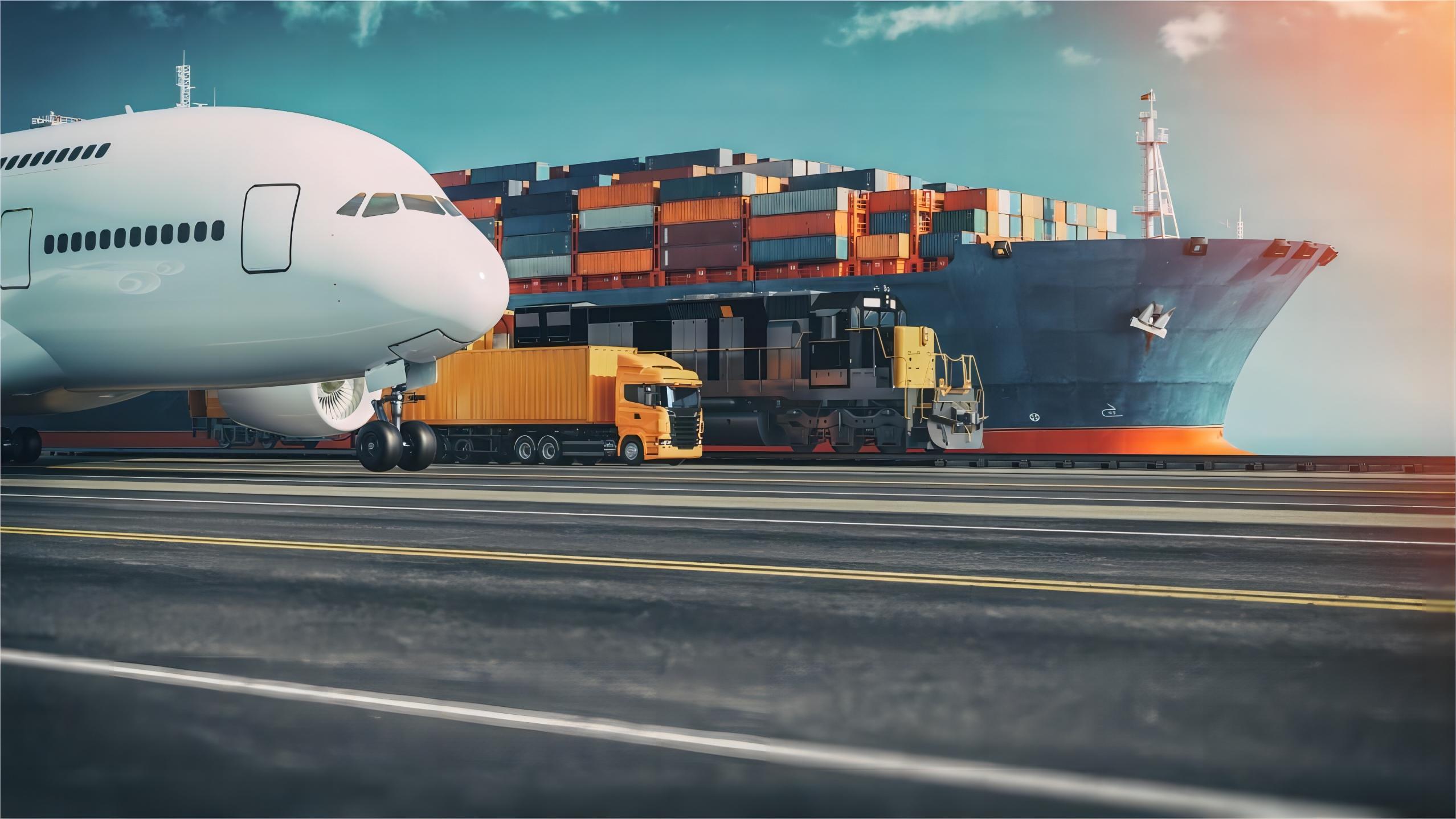
Understanding Multimodal Train Cargo from China to Singapore
Direct train cargo from China to Singapore is not currently available due to geographical constraints and existing rail infrastructure. However, an increasingly popular and efficient alternative is multimodal transport, combining rail and sea freight. This innovative approach leverages the strengths of both shipping methods, providing a balanced solution.
Consequently, businesses can benefit from faster transit times compared to pure ocean freight, often at more competitive rates than air cargo. This method typically involves a rail journey across China and into Southeast Asian countries, followed by a sea leg to Singapore. Therefore, understanding this combined strategy is key for optimizing your China to Singapore logistics.
How Does the China-Singapore Rail-Sea Route Operate?
This multimodal route strategically connects China’s vast rail network with key Southeast Asian ports, ultimately reaching Singapore. The journey usually begins at major rail hubs in China, transporting goods across land borders. Subsequently, cargo is transferred to vessels for the final maritime leg.
Such a process ensures continuity in the supply chain, minimizing delays often associated with single-mode transport. Furthermore, it offers a reliable pathway for shipping goods from China to Singapore, catering to various cargo types and volumes. Consequently, this integrated approach provides flexibility for shippers.
The Rail Leg: Connecting China to Southeast Asia
The initial phase involves moving cargo via freight trains from inland Chinese cities like Chongqing, Chengdu, or Kunming. These trains travel south through countries such as Laos, Vietnam, or Thailand. This rail network, often part of the New International Land-Sea Trade Corridor, significantly reduces overland transit times.
Indeed, this efficiently links China’s manufacturing heartlands with its southern borders. Moreover, the rail leg is particularly advantageous for goods needing quicker delivery than traditional sea freight, yet not urgent enough for air cargo. Therefore, it forms a crucial part of the overall shipping strategy.
The Sea Leg: From Southeast Asia to Singapore
Upon reaching a port in a Southeast Asian country, for instance, Laem Chabang in Thailand or Haiphong in Vietnam, cargo is then transshipped onto container vessels. These ships complete the journey across the South China Sea to Singapore’s bustling port. This final maritime segment is typically shorter and more direct.
Consequently, this combination optimizes transit while maintaining cost-effectiveness. The seamless transfer from rail to sea requires meticulous planning and coordination, ensuring cargo integrity throughout the journey. Furthermore, this dual-mode approach provides a robust solution for cross-border logistics.
Train Cargo China to Singapore: Benefits and Considerations
Choosing multimodal train cargo for your China to Singapore shipments offers distinct advantages, balancing speed and cost. This method often provides a middle ground, being faster than pure sea freight but significantly more affordable than air freight. Consequently, it suits businesses looking for optimized delivery schedules without excessive expenses.
However, there are also considerations to bear in mind. The transshipment process, while efficient, adds a layer of complexity compared to direct routes. Understanding the customs procedures in both China and the transshipment country is vital. Therefore, proper planning and a knowledgeable logistics partner are essential for a smooth operation.
Comparing Your Shipping Options to Singapore
When shipping from China to Singapore, businesses have several viable options, each with unique characteristics regarding cost, speed, and suitability. Understanding these differences is crucial for making informed decisions for your supply chain. Therefore, a comprehensive comparison helps in selecting the most appropriate shipping method.
Furthermore, factors like cargo type, volume, and urgency play a significant role in determining the ideal choice. While rail freight combined with sea offers a compelling balance, other methods excel in specific scenarios. Consequently, evaluating all alternatives is a strategic necessity.
| Shipping Method | Cost Range (40HQ/CBM) | Transit Time (Days) | Best For | Limitations |
|---|---|---|---|---|
| Multimodal Rail-Sea | $2,500 – $5,000 (40HQ) | 18 – 25 | Mid-volume, balanced speed & cost | Transshipment complexity, limited direct rail |
| Ocean Freight (FCL) | $800 – $2,000 (40HQ) | 25 – 35 | Large volume, non-urgent, cost-sensitive | Longest transit time, port-to-port |
| Ocean Freight (LCL) | $40 – $80 (per CBM) | 28 – 40 | Small volume, non-urgent, budget-friendly | Potential delays, higher per CBM than FCL |
| Air Freight | $4 – $8 (per kg) | 3 – 7 | Urgent, high-value, small volume | Highest cost, volume/weight restrictions |

Optimizing Your China-Singapore Cargo Decisions
Choosing the right shipping method requires a clear understanding of your priorities, whether it’s speed, cost, or specific cargo requirements. A strategic approach to your China to Singapore cargo can significantly impact your bottom line and delivery schedules. Therefore, thoughtful consideration of each factor is paramount.
Moreover, market data suggests that freight rates are subject to change based on fuel costs, carrier capacity, and seasonal demand. Hence, flexibility and a willingness to explore alternative strategies are key. This section outlines a decision framework to guide your choices.
Prioritizing Cost-Efficiency
For shipments where budget is the primary concern, ocean freight (FCL or LCL) remains the most economical choice. Consider LCL for cargo under 15 CBM to avoid paying for an entire container. However, be prepared for longer transit times and potential port congestion, especially during peak seasons.
Alternatively, multimodal rail-sea offers a good balance if you need slightly faster delivery than pure sea freight without the high cost of air. This strategy is particularly effective for medium-sized cargo volumes. Therefore, evaluating the trade-off between cost and time is crucial here.
When Speed is Paramount
If your cargo is urgent, high-value, or time-sensitive, air freight is undoubtedly the fastest option, delivering within 3-7 days. While it comes with a higher price tag, the speed can prevent costly production delays or capitalize on market opportunities. This method is ideal for express cargo China to Singapore.
Nevertheless, for slightly less urgent shipments that still require faster delivery than sea, multimodal rail-sea can be a viable alternative. It cuts down several days compared to ocean freight. Consequently, assessing the true cost of delay versus the shipping cost is vital.
Handling Specific Cargo Types
Certain cargo types, such as oversized machinery or hazardous materials, often have specific shipping requirements. For example, large volumes of bulk goods are best suited for FCL sea freight. Delicate electronics might benefit from the smoother ride of rail over rough sea conditions, combined with proper packaging.
Conversely, perishable goods might necessitate temperature-controlled air freight or specialized refrigerated containers on rail/sea. Therefore, always consider the nature of your goods when selecting a shipping method. This ensures safety and compliance throughout the journey.
Exploring Hybrid and Door-to-Door Solutions
Hybrid solutions, such as combining rail and sea, offer a flexible approach to logistics. For instance, you might use rail for the long inland haul in China to a port, then sea to Singapore. Additionally, opting for door-to-door service simplifies the entire process.
This comprehensive service handles all legs of the journey, including local pick-up and final delivery, streamlining your supply chain management. It can save considerable time and effort in coordinating multiple carriers. Consequently, this integrated approach often provides peace of mind for importers.
Real-World Multimodal Cargo Examples
To illustrate the practical application of multimodal rail-sea transport from China to Singapore, consider these real-world scenarios. These examples highlight the flexibility and efficiency this shipping method offers. Therefore, they provide valuable insights for businesses planning their logistics.
Based on Q3 2024 market rates, these case studies demonstrate typical costs and transit times. Furthermore, they showcase how different origins and cargo types can be effectively managed through this integrated approach. Consequently, understanding these examples can inform your own shipping decisions.
Case Study 1: Electronics from Shenzhen to Singapore
This scenario involved a client importing consumer electronics, requiring a balance between speed and cost. The multimodal rail-sea solution proved ideal for meeting their delivery schedule. Therefore, it was chosen over slower pure sea freight or expensive air freight.
| Detail | Description |
|---|---|
| Route | Shenzhen, China Singapore |
| Cargo | Consumer Electronics, 25 CBM, 4,500 kg |
| Container | LCL 25 CBM (equivalent to half 40GP) |
| Shipping Details | Rail to Laem Chabang (Thailand), then Sea to Singapore (Major carrier) |
| Port of Loading | Shenzhen (Rail/Road pick-up) |
| Port of Discharge | Singapore |
| Route Type | Multimodal via Thailand |
| Cost Breakdown | Rail Freight: $1,800; Ocean Freight (Thailand-SG): $600; Origin Charges: $350; Destination Charges: $250; Customs & Duties (estimated): $400; Total Landed Cost: $3,400 |
| Timeline | Booking to Loading: 3 days; Rail Transit: 10 days; Sea Transit: 5 days; Customs Clearance: 2 days; Total Door-to-Door: 20 days |
| Key Insight | Achieved significantly faster delivery than pure sea freight, crucial for product launch. The multimodal approach streamlined the supply chain. |
Case Study 2: Apparel from Chongqing to Singapore
A fashion brand needed to replenish inventory quickly for seasonal sales, making the rail-sea option from inland China highly attractive. This method avoided the longer transit times from eastern Chinese ports by sea. Consequently, it supported their time-sensitive retail operations.
| Detail | Description |
|---|---|
| Route | Chongqing, China Singapore |
| Cargo | Apparel & Textiles, 1 x 40HQ |
| Container | 40HQ |
| Shipping Details | Rail to Vientiane (Laos), then Sea to Singapore (Major carrier) |
| Port of Loading | Chongqing (Rail terminal) |
| Port of Discharge | Singapore |
| Route Type | Multimodal via Laos |
| Cost Breakdown | Rail Freight: $2,500; Ocean Freight (Laos-SG): $750; Origin Charges: $450; Destination Charges: $300; Customs & Duties (estimated): $550; Total Landed Cost: $4,550 |
| Timeline | Booking to Loading: 4 days; Rail Transit: 12 days; Sea Transit: 6 days; Customs Clearance: 3 days; Total Door-to-Door: 25 days |
| Key Insight | Efficiently connected an inland Chinese manufacturing hub to Singapore, bypassing coastal port congestion and saving several days. |
Case Study 3: Industrial Components from Chengdu to Singapore
An industrial client required consistent and moderately fast delivery of components for manufacturing. The multimodal route offered the reliability and cost structure they needed. This ensured a steady supply without interruptions to their production line.
Furthermore, this solution proved resilient against typical port delays. Based on current market rates, this approach optimized their operational efficiency. Therefore, it was a strategic choice for their ongoing import needs.
| Detail | Description |
|---|---|
| Route | Chengdu, China Singapore |
| Cargo | Industrial Components, 1 x 20GP |
| Container | 20GP |
| Shipping Details | Rail to Haiphong (Vietnam), then Sea to Singapore (Major carrier) |
| Port of Loading | Chengdu (Rail terminal) |
| Port of Discharge | Singapore |
| Route Type | Multimodal via Vietnam |
| Cost Breakdown | Rail Freight: $1,600; Ocean Freight (Vietnam-SG): $500; Origin Charges: $300; Destination Charges: $200; Customs & Duties (estimated): $350; Total Landed Cost: $2,950 |
| Timeline | Booking to Loading: 3 days; Rail Transit: 9 days; Sea Transit: 4 days; Customs Clearance: 2 days; Total Door-to-Door: 18 days |
| Key Insight | Provided a reliable and timely delivery for critical manufacturing components, avoiding longer sea-only transits and ensuring supply chain continuity. |

Navigating Customs and Documentation for China-Singapore Cargo
Successful international shipping, especially for train cargo China to Singapore, heavily relies on accurate customs documentation and efficient clearance processes. Incorrect or incomplete paperwork can lead to significant delays and additional costs. Therefore, understanding the requirements is paramount for smooth imports.
Indeed, both China and Singapore have specific regulations that must be adhered to. Furthermore, if your multimodal route involves transshipment through another country, their customs procedures must also be considered. Consequently, careful attention to detail ensures compliance and avoids complications.
Essential Documents Checklist
A comprehensive set of documents is required for customs clearance in both China and Singapore. Key documents typically include a commercial invoice, packing list, bill of lading (or multimodal transport document), and a certificate of origin. Additionally, permits or licenses may be needed for specific goods.
Moreover, ensuring all details match across documents is crucial to prevent discrepancies that could halt your shipment. Therefore, meticulous preparation of these papers is a non-negotiable step. This proactive approach minimizes potential hurdles.

The Role of Customs Brokerage
Engaging a professional customs brokerage service is highly recommended for navigating the complexities of international trade. Brokers possess expert knowledge of tariffs, duties, and import regulations in both origin and destination countries. They can efficiently prepare and submit all necessary documentation on your behalf.
This expertise significantly reduces the risk of delays and ensures compliance with local laws. Consequently, partnering with a reliable broker streamlines the entire customs clearance process. It allows businesses to focus on their core operations, confident that their cargo will clear customs smoothly.
Why Partner with an Expert for Your China-Singapore Shipments?
Managing international freight, particularly complex multimodal routes like train cargo from China to Singapore, demands specialized knowledge and extensive experience. A professional freight forwarder acts as your single point of contact, coordinating all aspects of the shipment. This includes everything from initial pickup to final delivery.
Choosing a reliable logistics partner, such as Top China Freight, provides invaluable expertise in optimizing routes, handling documentation, and navigating customs. Our team understands the nuances of the China-ASEAN rail network and subsequent sea legs. Furthermore, we can offer services like express service for urgent smaller consignments. This ensures your cargo reaches Singapore efficiently and cost-effectively.
Conclusion: Optimizing Your China to Singapore Logistics
The journey for train cargo China to Singapore may not be direct, but the multimodal rail-sea solution offers a compelling balance of speed and cost-effectiveness. By understanding the intricacies of this route and the various shipping options available, businesses can make informed decisions. This ultimately enhances their supply chain efficiency.
Partnering with an experienced logistics provider is indeed crucial for navigating customs, optimizing transit times, and ensuring smooth delivery. Therefore, consider exploring these integrated solutions to elevate your international shipping strategy. Contact us for a current quote tailored to your specific shipment.
Need a tailored shipping solution?
Ready to streamline your shipping process from China to Singapore? Contact us today for a personalized quote and expert advice on the best multimodal train cargo solutions for your business. Our team is prepared to help you navigate the complexities of international logistics efficiently.