
Rail Freight China to Singapore: Your Ultimate Shipping Guide
Navigating international logistics can be complex, especially when considering the optimal route for your goods. For businesses importing from China to Southeast Asia, Top China Freight offers diverse solutions. This comprehensive guide explores the growing viability of rail freight China to Singapore, providing insights into its advantages and operational nuances.
Understanding Rail Freight from China to Singapore
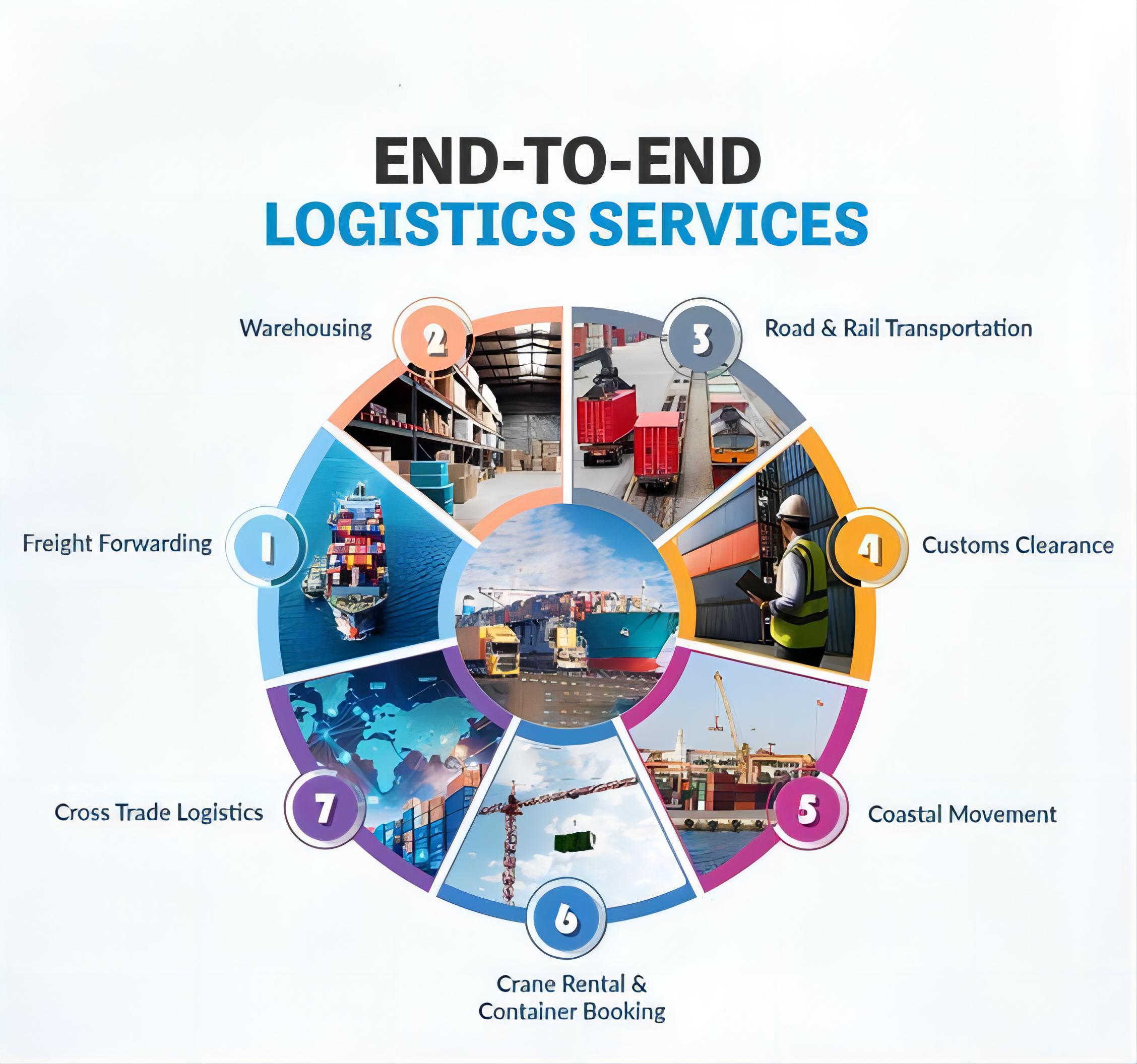
In recent years, the concept of rail freight China to Singapore has gained significant traction. This shipping method leverages the expanding railway networks across Southeast Asia, offering a compelling alternative to traditional air and sea routes. It represents a strategic option for businesses seeking a balance between speed and cost.
Specifically, goods typically travel from major Chinese logistics hubs, utilizing the China-Laos Railway, then connecting through Thailand and Malaysia. This extensive network facilitates cross-border rail logistics, culminating in efficient delivery to Singapore. Consequently, understanding this route is crucial for optimizing your supply chain.
Why Consider Rail Freight for China to Singapore Shipments?
Numerous factors make rail freight an attractive option for your cargo. For example, it offers a compelling blend of benefits that address common challenges in international shipping. Moreover, businesses can leverage these advantages to enhance their overall logistics strategy and competitiveness.
Speed and Efficiency
Firstly, rail freight significantly reduces transit times compared to sea shipping. While not as fast as air freight, it provides a reliable and predictable schedule, crucial for time-sensitive goods. Therefore, businesses can plan their inventory more effectively, minimizing delays and stockouts.
Furthermore, the consistent transit time China Singapore rail offers helps in streamlining operations. This predictability is a key advantage over potential port congestion or adverse weather conditions that can impact ocean routes. As a result, your delivery schedule becomes more robust.
Cost-Effectiveness
Secondly, the cost of shipping from China to Singapore by rail is generally more economical than air freight. For medium to large volumes, it offers substantial savings without compromising excessively on speed. Consequently, this makes it an ideal choice for many types of cargo.
Additionally, rail transport often presents a more stable pricing structure compared to volatile sea freight rates, especially during peak seasons. This stability allows for better budget forecasting and reduces unexpected expenses. Indeed, it’s a wise investment for long-term logistics planning.
Environmental Benefits
Finally, rail freight is widely recognized as a more environmentally friendly shipping method. It produces significantly fewer carbon emissions per ton-kilometer compared to road or air transport. Therefore, choosing rail contributes to your company’s sustainability goals and reduces its carbon footprint.
Many modern businesses prioritize green logistics, making rail an increasingly popular choice. This commitment to environmental responsibility can also enhance your brand image and appeal to eco-conscious consumers. Ultimately, it’s a win-win for both your business and the planet.
The Rail Route: Key Hubs and Transit Times
The primary rail route connecting China to Singapore involves multiple legs and transshipment points. Typically, cargo originates from major Chinese cities like Chongqing, Chengdu, or Kunming, then travels south via the China-Laos Railway. This network extends into Thailand and Malaysia, forming a crucial part of the cross-border rail logistics.
Upon reaching Malaysia, goods are often transferred to road transport or a short sea leg for final delivery to Singapore. This multimodal approach ensures comprehensive coverage and efficient last-mile delivery. Understanding these key hubs and the overall transit time is vital for accurate planning of your supply chain.
| Origin City (China) | Destination (Singapore) | Estimated Rail Transit Time | Total Door-to-Door Time |
|---|---|---|---|
| Chongqing/Chengdu | Singapore | 15-18 days | 18-22 days |
| Kunming | Singapore | 12-15 days | 15-19 days |
| Guangzhou/Shenzhen | Singapore | 16-20 days | 19-24 days |
How Does Rail Freight Compare to Other Shipping Options?
When planning international shipments, comparing different modes of transport is essential. Each method offers distinct advantages and limitations regarding speed, cost, and capacity. Therefore, evaluating these factors against your specific needs is crucial for making an informed decision.
This section objectively analyzes rail freight against its main competitors: sea freight and air freight. Understanding these differences will help you optimize your logistics strategy and choose the best shipping method China Singapore for your cargo.
| Shipping Method | Cost Range (Approx. 40HQ/LCL CBM) | Transit Time (China to Singapore) | Best For | Limitations |
|---|---|---|---|---|
| Rail Freight | Mid-range ($3,000-5,000 for 40HQ) | 15-20 days | Mid-speed, cost-effective, regular shipments | Not door-to-door rail-only, transshipment required |
| Sea Freight | Low ($800-1,200 for 40HQ) | 20-30 days | Large volumes, non-urgent, heavy cargo | Slow, potential port congestion, less frequent for some routes |
| Air Freight | High ($15,000-25,000 for equivalent volume) | 3-7 days | Urgent, high-value, perishable goods | Very expensive, limited capacity for heavy/bulky items |
Rail vs. Sea Freight
Primarily, rail freight offers a significant speed advantage over sea freight for the China to Singapore route. Sea transit typically takes 20-30 days, whereas rail can complete the journey in 15-20 days. Consequently, rail is ideal for goods that require faster delivery than ocean shipping but are not urgent enough for air.
However, sea freight remains the most cost-effective option for extremely large volumes and non-time-sensitive cargo. Rail freight rates fall between sea and air, providing a middle-ground solution. For example, a 40HQ container by sea might cost $800-1,200, while rail could be $3,000-5,000, but air would be $15,000-25,000 for equivalent volume. Moreover, rail often has better schedule reliability than sea.
Rail vs. Air Freight
In contrast, air freight is undeniably the fastest option, delivering goods in 3-7 days. However, this speed comes at a much higher cost, making it suitable only for high-value, urgent, or perishable goods. Therefore, for most general cargo, air freight is often prohibitively expensive.
Rail freight presents a cost-effective alternative to air, particularly for heavier or bulkier items where air cargo rates become exorbitant. While slower than air, rail is considerably faster and more predictable than sea, bridging the gap between extreme speed and extreme economy. This makes rail freight China to Singapore an excellent choice for balancing budget and delivery speed.
Navigating Customs and Documentation for Rail Shipments
Successful international shipping, including rail freight China to Singapore, heavily relies on precise customs and documentation procedures. Incorrect paperwork can lead to significant delays and penalties. Therefore, understanding these requirements is paramount for smooth transit.
Engaging expert customs brokerage services can dramatically simplify this complex process. They ensure all necessary forms are accurately completed and submitted, facilitating prompt clearance at both origin and destination. Ultimately, this expertise minimizes potential disruptions to your supply chain.
Essential Documents
Several key documents are required for rail freight shipments. These typically include the Commercial Invoice, Packing List, Bill of Lading (or Rail Waybill), and Certificate of Origin. Furthermore, specific goods may require additional licenses or permits, such as for electronics or certain chemicals.
It is crucial to prepare these documents meticulously and ensure they align with both Chinese export and Singaporean import regulations. Discrepancies can cause significant hold-ups at customs. Consequently, double-checking all paperwork before shipment departure is a critical step.
Customs Clearance Process
The customs clearance process involves declarations at both the Chinese export point and the Singaporean import point. In China, goods undergo export inspection and declaration before being loaded onto the train. Subsequently, upon arrival in Singapore (or its transshipment hub), they must clear import customs.
Singapore has a highly efficient customs system, but all duties and taxes must be paid accurately. For instance, understanding import duties Singapore and any applicable GST is vital. Working with an experienced freight forwarder simplifies this, as they manage declarations and payments on your behalf.
Optimizing Your Rail Freight Strategy: Tips and Best Practices
To maximize the benefits of rail freight China to Singapore, strategic planning and adherence to best practices are essential. Optimizing your approach can lead to reduced costs, faster transit, and improved overall efficiency. Therefore, consider these key areas to enhance your shipping operations.
Implementing these tips ensures your cargo moves smoothly and securely through the multimodal rail network. Moreover, a well-executed strategy contributes significantly to a robust and resilient supply chain. Ultimately, preparation is key to success in international logistics.
Cargo Preparation and Packaging
Proper cargo preparation is fundamental for preventing damage during transit. Ensure goods are securely packed, palletized, and shrink-wrapped where appropriate. Additionally, consider the specific nature of rail transport, which involves vibration and multiple transfers.
Using robust packaging materials and clear labeling helps protect your investment. Furthermore, accurate weight and dimension declarations are crucial to avoid penalties and ensure efficient loading. Secure cargo shipping starts long before the train departs.
Choosing the Right Service Provider
Selecting an experienced and reliable freight forwarder is perhaps the most critical step. Look for providers with proven expertise in rail freight China to Singapore, particularly those familiar with the Southeast Asian rail network. They can offer valuable insights into rail freight logistics solutions.
A good partner will provide comprehensive door-to-door services, managing everything from pickup in China to final delivery in Singapore. They should also offer transparent communication and tracking capabilities. Ultimately, their expertise minimizes your operational burden and maximizes efficiency.
Real-World Applications: Case Studies in Rail Freight China to Singapore
Examining real-world examples helps illustrate the practical benefits and considerations of rail freight China to Singapore. These case studies highlight diverse cargo types and scenarios, showcasing how businesses leverage this shipping method effectively. They provide tangible insights into transit times, costs, and strategic decisions.
Based on Q3 2024 market rates, these examples demonstrate typical outcomes. Note: Freight rates are subject to change based on fuel costs, carrier capacity, and seasonal demand. Contact us for a current quote tailored to your specific shipment.
Case Study 1: Electronics from Shenzhen
| Detail | Description |
|---|---|
| Route | Shenzhen, China -> Singapore |
| Cargo | Consumer Electronics, 15 CBM, 2,500 kg |
| Container | LCL 15 CBM |
| Shipping Details | Rail Freight (via Laos/Thailand/Malaysia), Major carrier, Port of Loading: Shenzhen, Port of Discharge: Singapore (via road/short sea from Malaysia), Route Type: Transshipment |
| Cost Breakdown | Rail Freight: $3,500; Origin Charges: $300; Destination Charges: $400; Customs & Duties (estimated): $500; Total Landed Cost: $4,700 |
| Timeline | Booking to Loading: 2 days; Rail Transit: 15 days; Customs Clearance: 2 days; Total Door-to-Door: 19 days |
| Key Insight | Rail provided a balance of speed and cost, crucial for high-demand electronics needing quick market entry without air freight’s expense. The predictable schedule was a major advantage. |
Case Study 2: Apparel from Guangzhou
| Detail | Description |
|---|---|
| Route | Guangzhou, China -> Singapore |
| Cargo | Seasonal Apparel, 40HQ container |
| Container | 40HQ |
| Shipping Details | Rail Freight (via Laos/Thailand/Malaysia), Major carrier, Port of Loading: Guangzhou, Port of Discharge: Singapore (via road/short sea from Malaysia), Route Type: Transshipment |
| Cost Breakdown | Rail Freight: $5,500; Origin Charges: $500; Destination Charges: $600; Customs & Duties (estimated): $800; Total Landed Cost: $7,400 |
| Timeline | Booking to Loading: 3 days; Rail Transit: 16 days; Customs Clearance: 2 days; Total Door-to-Door: 21 days |
| Key Insight | For seasonal apparel, faster transit than sea freight was vital to hit market windows. Rail offered this without incurring the prohibitive costs of air freight for a full container. |
Case Study 3: Machinery Parts from Chongqing
| Detail | Description |
|---|---|
| Route | Chongqing, China -> Singapore |
| Cargo | Industrial Machinery Parts, 20GP container |
| Container | 20GP |
| Shipping Details | Rail Freight (via Laos/Thailand/Malaysia), Major carrier, Port of Loading: Chongqing, Port of Discharge: Singapore (via road/short sea from Malaysia), Route Type: Transshipment |
| Cost Breakdown | Rail Freight: $4,000; Origin Charges: $400; Destination Charges: $500; Customs & Duties (estimated): $600; Total Landed Cost: $5,500 |
| Timeline | Booking to Loading: 2 days; Rail Transit: 18 days; Customs Clearance: 3 days; Total Door-to-Door: 23 days |
| Key Insight | Heavy machinery parts benefit from rail’s capacity and cost-efficiency over air. The direct rail link from Chongqing significantly streamlined the initial leg of the journey. |
Integrated Logistics: Combining Rail with Other Services
Often, the most efficient shipping solution for rail freight China to Singapore involves a multimodal approach. This strategy combines the strengths of different transport modes, creating a seamless and optimized supply chain. For instance, rail might handle the long-haul, while road or sea completes the final leg.
Companies like Top China Freight specialize in crafting such integrated logistics plans. They can combine rail freight with express services or local delivery networks to ensure timely and cost-effective delivery. This flexibility allows businesses to tailor solutions precisely to their cargo’s needs and budget.
Which Option Should You Choose for Your China-Singapore Shipments?
Selecting the optimal shipping method for your China to Singapore route depends on several critical factors. There is no one-size-fits-all solution; instead, a decision framework based on your priorities will guide you. Therefore, carefully evaluate your budget, urgency, and cargo characteristics.
Consider these scenarios to determine which shipping strategy aligns best with your business objectives. This informed approach will lead to more efficient and cost-effective logistics. Ultimately, the right choice supports your overall business goals.
Budget Priority
If minimizing shipping costs is your primary concern, and you have ample lead time, sea freight remains the most economical option. It’s ideal for bulk goods or non-urgent inventory. However, rail freight offers a good balance if you need slightly faster delivery without the premium cost of air.
Speed Priority
For urgent shipments, high-value goods, or perishable items, air freight is the undisputed choice, despite its higher cost. If you need a faster solution than sea but air freight is too expensive, rail freight China to Singapore provides a viable middle ground. It significantly cuts down on sea transit times.
Cargo Type Considerations
The nature of your cargo also dictates the best method. Heavy, bulky, or low-value goods are often best suited for sea freight. However, if these items require quicker transit, rail freight is an excellent alternative. Conversely, fragile or high-value electronics might benefit from the controlled environment and speed of air or specialized rail services.
Volume Thresholds for Switching Methods
For very small volumes, express courier services might be surprisingly competitive. As volume increases, LCL (Less than Container Load) sea or rail becomes viable. For full container loads (FCL), sea freight is usually the most economical, but rail freight offers a faster FCL option. Consider the CBM and weight thresholds where the cost curves of different methods intersect.
Conclusion: The Strategic Advantage of Rail Freight China to Singapore
In summary, rail freight China to Singapore presents a compelling and increasingly popular solution for modern supply chains. It effectively bridges the gap between the speed of air freight and the cost-effectiveness of sea freight, offering a balanced approach for various cargo types and business needs. Its growing network and enhanced reliability make it a strategic choice for businesses looking to optimize their logistics.
By understanding the routes, benefits, and operational nuances, you can harness the power of rail to improve your delivery schedules and manage shipping costs more efficiently. Partnering with an experienced freight forwarder is key to navigating this complex landscape successfully. Ultimately, rail freight China to Singapore is a testament to evolving global logistics, offering a smart path forward for your international trade.
Need a tailored shipping solution?
Ready to optimize your shipping from China to Singapore? Explore the efficiency and reliability of rail freight China to Singapore with our expert team. Contact us today for a personalized quote and discover how we can streamline your logistics.