Shoes Shipping China to Europe: Your Ultimate Guide
Importing shoes from China to Europe presents a significant opportunity for businesses and individuals alike. However, navigating the complexities of international logistics, customs regulations, and varying freight options can be daunting. This comprehensive guide from Top China Freight offers essential insights into efficient and reliable shoes shipping China to Europe, helping you make informed decisions for your footwear imports. We will explore various shipping methods, costs, transit times, and critical considerations to ensure your supply chain remains robust and cost-effective.
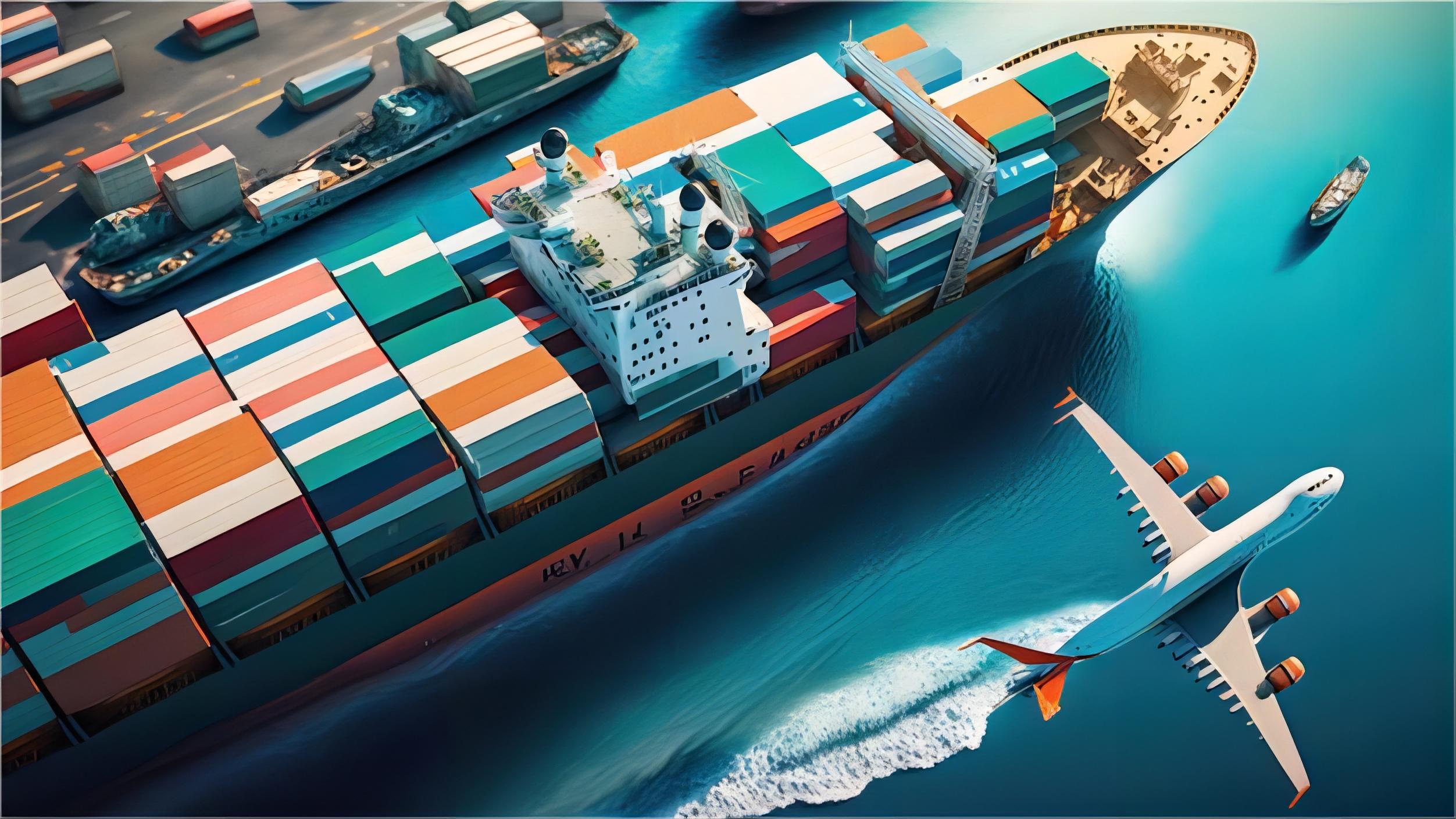
Understanding the Landscape of Shoes Shipping China to Europe
The global footwear market is vast, with China serving as a primary manufacturing hub for shoes of all types. Consequently, efficient shipping from China to Europe is crucial for retailers, distributors, and e-commerce businesses. Furthermore, understanding the nuances of this specific trade lane is vital for successful import/export operations.
Several factors influence the overall logistics process, including the volume of goods, urgency of delivery, and budget constraints. Therefore, selecting the optimal shipping strategy requires careful consideration of these variables. This introductory section lays the groundwork for more detailed discussions on methods and strategies.
Key Shipping Methods for Footwear from China to Europe
When planning shoes shipping China to Europe, importers have several primary options, each with distinct advantages and disadvantages. These methods vary significantly in terms of cost, transit time, and suitability for different cargo types. Consequently, choosing the right method is paramount for efficient supply chain management.
We will examine the most common freight options available, from the slowest but most economical to the fastest but most expensive. Moreover, understanding these differences helps in making informed decisions for your specific footwear import needs. Each option caters to different business priorities.
Sea Freight: The Most Economical Choice
Sea freight remains the backbone of international trade for bulk cargo, including large volumes of shoes. This method is particularly cost-effective for non-urgent, high-volume shipments. Typically, goods are transported in standard shipping containers, either as Full Container Load (FCL) or Less than Container Load (LCL).
However, transit times are considerably longer compared to other methods, often ranging from 28 to 35 days from major Chinese ports to European destinations. Therefore, meticulous planning and a robust delivery schedule are essential when opting for sea freight. Despite the longer duration, its affordability makes it a popular choice for many businesses.
Air Freight: Speed and Reliability for Urgent Shipments
For businesses requiring rapid delivery of footwear, air freight offers unparalleled speed. While significantly more expensive than sea freight, it drastically reduces transit times, usually delivering within 3-7 days. This makes air freight ideal for high-value, time-sensitive, or seasonal shoe collections.
However, its higher cost per kilogram means it is generally reserved for smaller, lighter shipments or when market demand necessitates quick restocking. Furthermore, air cargo is subject to stricter size and weight restrictions. Consequently, careful consideration of freight rates and urgency is crucial.
Rail Freight: A Balanced Alternative
Rail freight has emerged as a viable middle-ground option for shoes shipping China to Europe. It offers a balance between the cost-efficiency of sea freight and the speed of air freight. Transit times typically range from 15-20 days, making it faster than ocean shipping but more economical than air transport. The New Silk Road railway network facilitates this service.
This method is particularly suitable for medium-volume shipments that are not extremely time-sensitive but still require faster delivery than sea options. Additionally, rail freight offers greater cargo security and is less susceptible to weather delays than sea shipping. Moreover, it presents a more environmentally friendly alternative.
Express Shipping: Door-to-Door Convenience
For very small, urgent parcels or samples, express shipping services like DHL, FedEx, and UPS provide rapid door-to-door delivery. These services are characterized by their speed, reliability, and comprehensive tracking. Typically, delivery takes 2-5 business days, including customs clearance.
Although the cost per unit is the highest among all options, the convenience and speed of express service can be invaluable for certain scenarios, such as sending prototypes or fulfilling immediate, small-scale customer orders. Moreover, they handle much of the documentation process, simplifying the logistics for the sender.
How Does Each Method Compare for Shoes Shipping China to Europe?
Choosing the best method for shoes shipping China to Europe hinges on balancing various factors. Furthermore, understanding the trade-offs between cost, speed, and capacity is essential for strategic decision-making. This comparison highlights the key differences to help you select the most appropriate option for your footwear imports.
| Shipping Method | Cost Range (per kg/CBM) | Transit Time (Days) | Best For | Limitations |
|---|---|---|---|---|
| Sea Freight (FCL/LCL) | Low ($0.05-0.15/kg, $50-80/CBM) | 28-35 | Large volumes, non-urgent, heavy/bulky items | Slow, port congestion risks, longer lead times |
| Air Freight | High ($4-8/kg) | 3-7 | Urgent, high-value, small/light shipments, seasonal launches | Expensive, strict weight/size limits, fuel surcharges |
| Rail Freight | Medium ($1.5-3/kg) | 15-20 | Medium volumes, balanced speed/cost, less urgent than air | Limited routes/terminals, less flexible schedule than air |
| Express Shipping | Very High ($8-15/kg) | 2-5 | Samples, small parcels, extremely urgent, door-to-door convenience | Very expensive for bulk, small package focus |

Navigating Customs and Duties for Shoe Imports to Europe
Customs clearance is a critical, yet often complex, aspect of shoes shipping China to Europe. Indeed, neglecting proper documentation or understanding import duties can lead to significant delays and unexpected costs. Therefore, meticulous preparation is essential for a smooth process.
European Union regulations require specific documentation and adherence to various standards for imported goods. Furthermore, tariffs, VAT, and other charges apply based on the type of footwear and its country of origin. This section provides an overview of the key considerations.
Essential Documentation Checklist
Accurate and complete documentation is paramount for efficient customs processing. Incorrect paperwork can cause severe delays and penalties. Therefore, ensuring all documents are in order before shipment is a proactive measure against potential issues.
| Document Type | Purpose | Key Details |
|---|---|---|
| Commercial Invoice | Value of goods for customs | HS Code, Incoterms, product description, value, currency |
| Packing List | Details of contents and packaging | Number of packages, weight, dimensions, itemized contents |
| Bill of Lading (BOL)/Air Waybill (AWB) | Contract between shipper and carrier | Proof of shipment, title to goods |
| Certificate of Origin | Country of manufacture | Required for preferential tariffs, anti-dumping duties |
| Customs Declaration | Formal statement to customs | Importer/exporter details, goods description, value, duties |
Understanding Tariffs, VAT, and Other Charges
Import duties on shoes from China to Europe typically vary depending on the specific footwear category (e.g., leather, textile, sports shoes). The Harmonized System (HS) code for your shoes will determine the applicable tariff rate. Consequently, correctly classifying your products is vital.
Additionally, Value Added Tax (VAT) is levied on imported goods at the destination country’s standard rate. This is usually calculated on the sum of the customs value, duties, and any other charges. Furthermore, some shoe types may be subject to anti-dumping duties or specific product safety standards. Working with a reliable customs brokerage service can streamline this process significantly.
Optimizing Costs and Transit Times for Your Shoe Shipments
Effective logistics management for shoes shipping China to Europe involves strategic planning to minimize costs while maintaining acceptable transit times. Therefore, exploring various cost-saving strategies and understanding the factors influencing delivery schedules is crucial. This helps in building a resilient and efficient supply chain.
Several approaches can be employed to achieve this balance, from consolidating shipments to leveraging multimodal transport solutions. Moreover, anticipating market trends and seasonal variations in freight rates can further optimize your shipping budget. Ultimately, every decision impacts profitability and customer satisfaction.
Cost-Saving Strategies and Trade-offs
Consolidating multiple smaller orders into a larger Less than Container Load (LCL) or even a Full Container Load (FCL) can significantly reduce per-unit shipping costs. Furthermore, planning shipments well in advance allows you to utilize slower, more economical sea freight options. On the other hand, choosing faster methods means higher freight rates.
Negotiating with freight forwarders for better rates, especially for regular volumes, is another effective strategy. Additionally, considering Incoterms carefully can shift cost and risk responsibilities between buyer and seller. For instance, opting for EXW (Ex Works) might seem cheaper initially but leaves the buyer responsible for all logistics from the factory gate. Conversely, DDP (Delivered Duty Paid) simplifies the process for the buyer but often includes higher upfront costs. Always factor in the total landed cost.
Hybrid and Multimodal Solutions
Hybrid solutions, such as ‘sea-air’ or ‘rail-sea’ combinations, offer a flexible approach to shoes shipping China to Europe. For example, a sea-air option involves shipping goods by sea to a transit hub (e.g., Dubai) and then by air to Europe. This provides a faster alternative to pure sea freight at a lower cost than pure air freight.
Similarly, combining rail and sea transport can optimize certain routes, providing a balance of speed and cost. These multimodal strategies are particularly useful for managing unexpected supply chain disruptions or adapting to fluctuating market demands. Therefore, exploring these options can add significant resilience to your logistics. Consider door to door services for seamless execution of complex routes.
Decision Framework: Which Option Should You Choose?
Selecting the ideal shipping method depends heavily on your specific business priorities and cargo characteristics. This framework helps in making an informed choice for your footwear imports from China.
Budget priority often dictates the use of sea freight for bulk shoe shipping China to Europe. Speed priority, conversely, points towards air freight or express services for urgent deliveries. Cargo type considerations, such as fragility or hazardous materials, might also influence the choice. Finally, volume thresholds for switching methods are crucial; for instance, LCL for under 15 CBM, FCL for larger volumes.
Real-World Scenarios: Shoes Shipping China to Europe Case Studies
Examining real-world examples provides practical insights into the complexities and solutions involved in shoes shipping China to Europe. These case studies illustrate how different shipping methods and strategies are applied based on specific business needs and cargo requirements. Each scenario highlights key decisions and outcomes.
These examples also demonstrate the importance of selecting the right logistics partner and understanding the various cost components. Furthermore, they offer a glimpse into typical transit times and potential challenges. Based on Q3 2024 market rates, these scenarios reflect current industry practices.
Case Study 1: Bulk Sneaker Shipment for a Retail Chain
| Detail | Description |
|---|---|
| Route | Ningbo, China Rotterdam, Netherlands |
| Cargo | 15,000 pairs of sneakers, 45 CBM, 12,000 kg |
| Container | 2 x 40HQ |
| Shipping Details | Major carrier (e.g., COSCO), Port of Loading: Ningbo, Port of Discharge: Rotterdam, Route Type: Direct |
| Cost Breakdown | Ocean Freight: $7,200 (2x 40HQ @ $3,600 each), Origin Charges: $650, Destination Charges: $700, Customs & Duties (estimated): $1,800, Total Landed Cost: $10,350 |
| Timeline | Booking to Loading: 5 days, Sea Transit: 30 days, Customs Clearance: 3 days, Total Door-to-Door: 38 days |
| Key Insight | Sea freight was chosen for its cost-effectiveness for bulk volume. Meticulous documentation ensured smooth customs clearance, avoiding delays. Typical rates as of early 2025. |

Case Study 2: Urgent Launch of a New Shoe Collection
| Detail | Description |
|---|---|
| Route | Shanghai, China Frankfurt, Germany |
| Cargo | 500 pairs of high-end leather shoes, 5 CBM, 1,000 kg |
| Container | Air Cargo (LCL) |
| Shipping Details | Major airline (e.g., Lufthansa Cargo), Airport of Loading: PVG, Airport of Discharge: FRA, Route Type: Direct |
| Cost Breakdown | Air Freight: $5,500 ($5.50/kg), Origin Charges: $300, Destination Charges: $400, Customs & Duties (estimated): $1,200, Total Landed Cost: $7,400 |
| Timeline | Booking to Loading: 2 days, Air Transit: 3 days, Customs Clearance: 2 days, Total Door-to-Door: 7 days |
| Key Insight | Air freight was essential for meeting a tight product launch deadline. Higher cost was justified by the need for speed and market entry timing. This represents average costs for Q4 2024. |
Case Study 3: Small Business Importing Niche Footwear
| Detail | Description |
|---|---|
| Route | Shenzhen, China London, UK |
| Cargo | 200 pairs of specialized athletic shoes, 2 CBM, 250 kg |
| Container | LCL Sea Freight (consolidated) |
| Shipping Details | Freight forwarder’s consolidated service, Port of Loading: Shenzhen, Port of Discharge: Felixstowe, Route Type: Transshipment via Singapore |
| Cost Breakdown | Ocean Freight (LCL): $250 ($125/CBM), Origin Charges: $150, Destination Charges: $200, Customs & Duties (estimated): $400, Total Landed Cost: $1,000 |
| Timeline | Booking to Loading: 7 days, Sea Transit: 35 days, Customs Clearance: 4 days, Total Door-to-Door: 46 days |
| Key Insight | LCL sea freight provided the most economical solution for a smaller volume, despite longer transit times. The importer benefited from a comprehensive Amazon FBA preparation service at the origin. Note: Freight rates are subject to change based on fuel costs, carrier capacity, and seasonal demand. Contact us for a current quote tailored to your specific shipment. |
Choosing the Right Partner for Shoes Shipping China to Europe
Selecting a reliable freight forwarder is arguably the most critical decision for successful shoes shipping China to Europe. A reputable partner can navigate complexities, offer competitive freight rates, and provide peace of mind. Therefore, due diligence in choosing your logistics provider is essential.
Consider factors such as their experience with footwear, network reach, customer service, and technological capabilities. Moreover, a good partner offers transparent communication and proactive problem-solving. This ensures your supply chain remains efficient and responsive to market changes.
Why Partner with an Experienced Freight Forwarder?
An experienced freight forwarder possesses in-depth knowledge of international shipping regulations, customs procedures, and logistics trends. Furthermore, they can leverage their network to secure better rates and optimize routes. This expertise is invaluable for avoiding common pitfalls and ensuring timely delivery.
They also provide comprehensive services, including warehousing, cargo handling, and cargo insurance. Consequently, partnering with a professional simplifies the entire import process, allowing you to focus on your core business. For instance, services like Amazon FBA preparation can be managed seamlessly.
Market Trends and Future Outlook for Footwear Logistics
The landscape for shoes shipping China to Europe is continually evolving, influenced by global economic shifts, geopolitical events, and technological advancements. Staying informed about these logistics trends is crucial for businesses to adapt and maintain competitive advantage. For example, as of Q1 2025, freight rates from China to Europe have stabilized after the 2024 Red Sea disruptions, but capacity management remains key.
Sustainability is also becoming a major driver in logistics decisions, with increasing demand for greener shipping solutions. Moreover, digitalization and automation are streamlining processes, from booking to customs clearance. Therefore, embracing these changes will be vital for future success in the footwear import sector. Market data suggests typical rates may increase 15-25% during August-October peak season.
Seamless Footwear Imports with Expert Logistics
Successfully navigating <a href=”https://Top China Freight.com/”>shoes shipping China to Europe</a> demands a comprehensive understanding of various shipping methods, intricate customs regulations, and dynamic market conditions. By carefully evaluating sea, air, rail, and express freight options, businesses can optimize their supply chain for both cost-efficiency and speed.
Moreover, partnering with an experienced freight forwarder like <a href=”https://Top China Freight.com/”>Top China Freight</a> ensures that your footwear imports are handled with professionalism and expertise. Ultimately, informed decisions and strategic planning are key to achieving seamless and profitable footwear distribution across Europe. We are dedicated to supporting your global trade endeavors.
Need a tailored shipping solution?
Ready to streamline your shoes shipping China to Europe? Contact Top China Freight today for a personalized quote and expert guidance. Our team is prepared to offer efficient and reliable logistics solutions tailored to your unique footwear import needs.