
Freight Forwarding China to Spain: Your Complete Guide
Navigating international trade requires a reliable logistics partner. Understanding freight forwarding from China to Spain is crucial for business success. This guide illuminates best shipping methods, costs, and essential considerations. We aim to streamline your supply chain effectively.
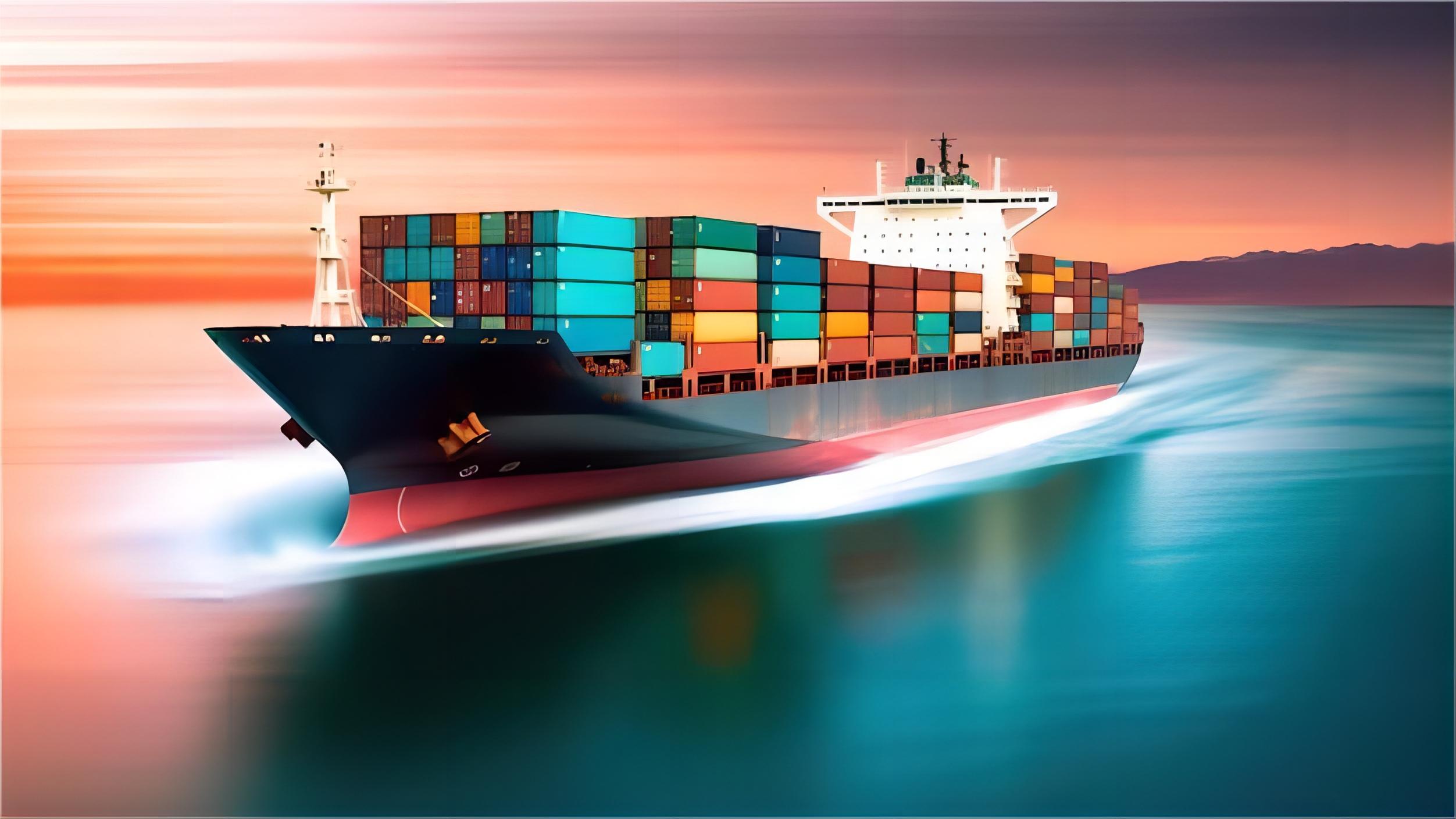
Understanding Freight Forwarding from China to Spain
The China-Spain trade route is bustling, connecting Asia’s manufacturing hub with Europe’s gateway. Efficient freight forwarding is paramount for businesses, ensuring goods arrive on time and within budget.
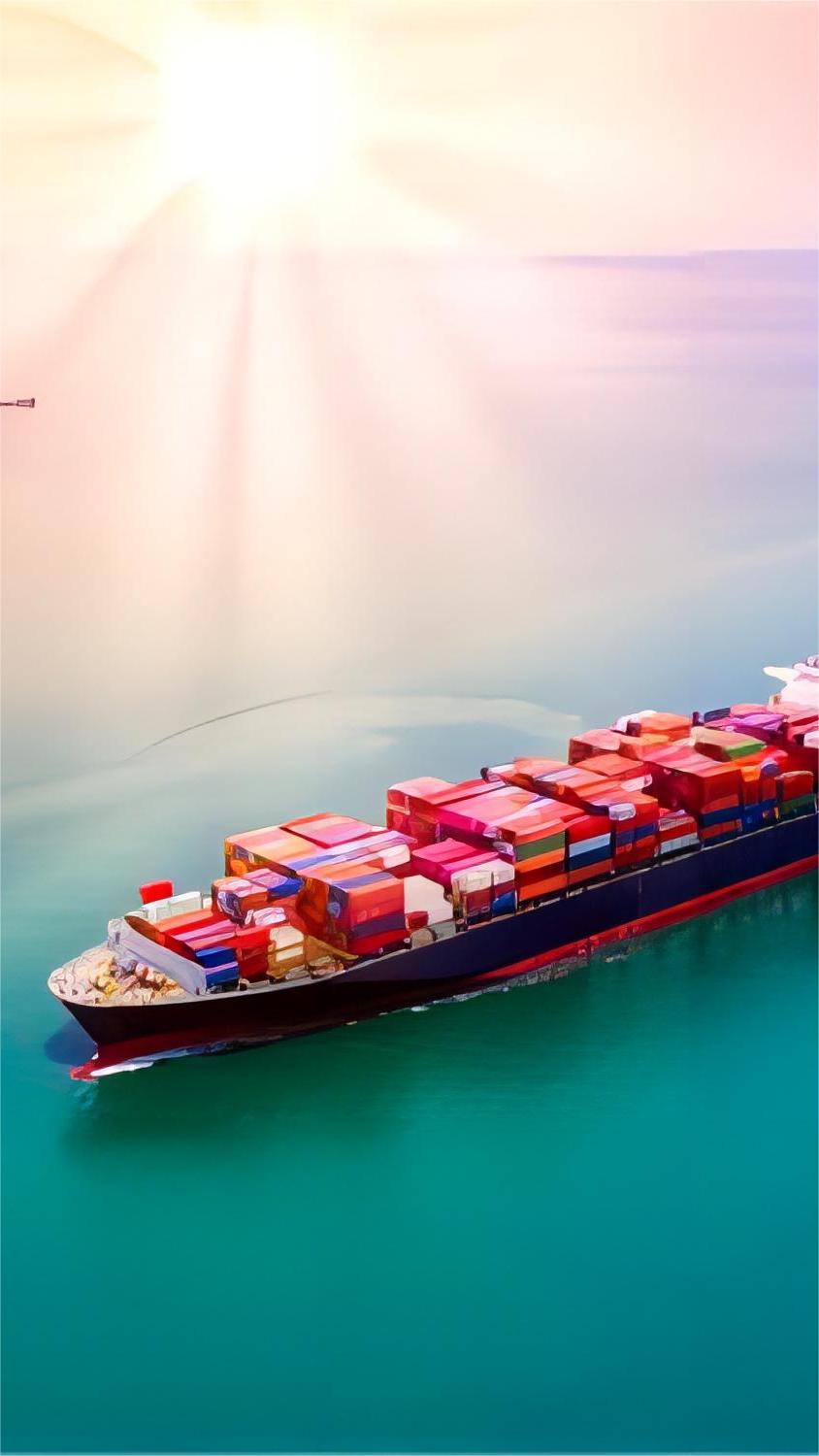
Choosing the right partner for your China to Spain shipments impacts operational efficiency. A competent freight forwarder manages documentation, customs, and transportation. They provide end-to-end solutions.
Several factors influence the best shipping strategy, including cargo type, volume, and urgency. Budget constraints also play a critical role. A tailored approach optimizes the entire shipping process.
Key Shipping Methods from China to Spain
Importers have several primary methods for transporting goods from China to Spain. Each offers distinct advantages and disadvantages. Evaluating these options is essential for informed decisions.
The chosen method directly impacts transit time, freight rates, and logistics complexity. Understanding each option is vital. This section covers sea, air, and rail freight comprehensively.
| Method | Cost Range (per kg/CBM) | Transit Time | Best For | Limitations |
|---|---|---|---|---|
| Sea Freight (FCL/LCL) | $0.05 – $0.20/kg (LCL); $2,800-$4,200/40HQ | 28-35 days | Large volumes, heavy goods, non-urgent | Slowest, port congestion, longer transit |
| Air Freight | $4.00 – $8.00/kg (volumetric) | 3-7 days | Urgent, high-value, perishable | Most expensive, size/weight limits, higher carbon footprint |
| Rail Freight | $1.50 – $3.00/kg (volumetric) | 15-20 days | Medium urgency, balanced cost/speed | Limited routes, transshipment risks, border delays |
Sea Freight: Economical and High Capacity
Undoubtedly, sea freight is most popular for large volume and heavy cargo. It offers the lowest shipping costs per unit, ideal for bulk goods and non-urgent shipments.
However, transit times are longer, often 28-35 days. Cost savings often outweigh extended delivery schedules. FCL (Full Container Load) and LCL (Less than Container Load) are the main options.
FCL suits entire container loads, offering dedicated space. LCL is for smaller shipments, where cargo shares space, reducing overall cost. This provides flexibility for various import volumes.
Major Chinese ports include Shanghai, Ningbo, and Shenzhen. In Spain, Valencia, Barcelona, and Algeciras are key. Journeys involve direct routes or transshipment, impacting schedules.
Air Freight: Speed and Urgency
For time-sensitive or high-value goods, air freight is the fastest method. While more expensive, it drastically reduces transit times to 3-7 days. It is indispensable for urgent components.
Air cargo rates are based on weight or volumetric weight. Key Chinese airports include Shanghai Pudong and Guangzhou Baiyun. Madrid-Barajas and Barcelona-El Prat are primary Spanish airports.
Express service providers utilize air freight extensively. Despite speed, air freight has size/weight limitations and a higher carbon footprint. Efficient customs clearance is vital for maintaining speed.
Rail Freight: The Balanced Option
The New Silk Road railway offers a compelling alternative. Rail freight balances cost-effectiveness and speed, typically 15-20 days. It’s shorter than sea, more affordable than air.
Key Chinese rail hubs like Xi’an connect to Madrid and Barcelona. This option benefits goods not extremely urgent. It is an increasingly popular logistics solution for many businesses.
Rail freight is more environmentally friendly than air. However, cargo handling and border customs can affect delivery schedules. An experienced freight forwarder is crucial for smooth operations.
Critical Factors Influencing Shipping Costs and Transit Times
Several factors impact shipping costs and transit times for freight forwarding China to Spain. Understanding these helps budgeting and planning. Market data suggests rates fluctuate.
Freight rates are dynamic, influenced by fuel prices, carrier capacity, and seasonal demand. Peak seasons often see price surges and extended transit times. Awareness of logistics trends mitigates unexpected expenses.
Origin and destination within China and Spain also play a role. Inland transportation costs vary. A comprehensive quote accounts for the entire door-to-door journey, preventing hidden costs.
Cargo Volume and Type
Cargo dimensions and weight are primary cost determinants. Larger volumes benefit from FCL sea freight. Smaller, denser shipments suit LCL or air freight. Specialized cargo incurs additional handling fees.
The nature of goods affects packaging and insurance. Fragile items demand robust packaging, increasing weight and volume. Accurate cargo declaration avoids customs issues and ensures proper handling.
Incoterms and Insurance
Incoterms define buyer and seller responsibilities for goods delivery. Choosing the correct Incoterm impacts who pays and manages shipping parts. This affects your total landed cost significantly.
Cargo insurance is vital, protecting against loss or damage during transit. It provides peace of mind and financial security. Cost depends on declared value and coverage level, a small investment for protection.
Market Conditions and Seasonal Peaks
Global logistics trends, like port congestion and fuel volatility, influence freight rates. Red Sea disruptions in 2024, for example, increased surcharges and routes. Staying informed is crucial for proactive planning.
Seasonal demand also impacts pricing. Q3 and Q4, leading to holidays, often see peak season surcharges. Planning shipments in advance helps secure better rates and avoids delivery schedule delays.
Navigating Customs and Documentation for China to Spain Shipments
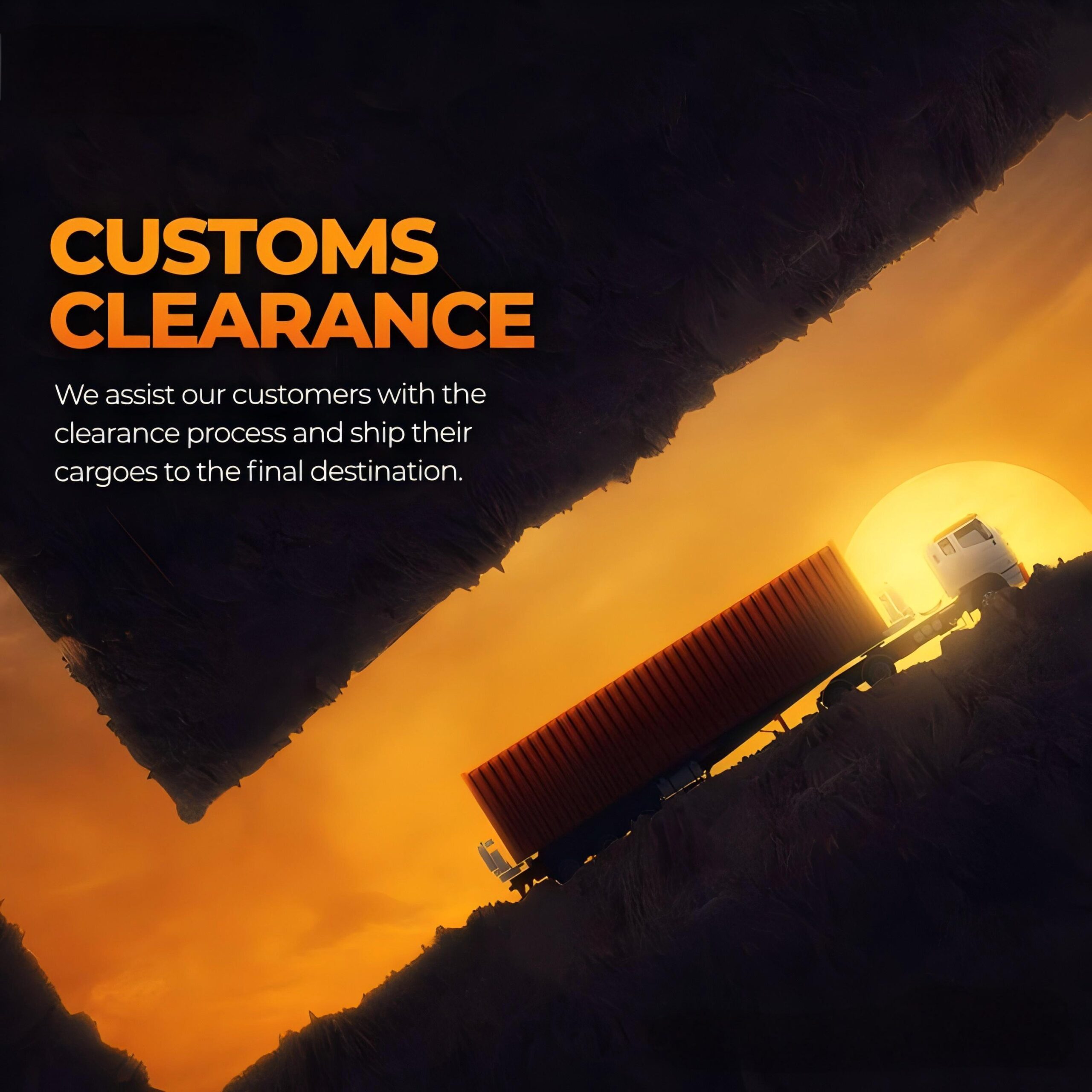
Successful import/export operations hinge on precise customs clearance and meticulous documentation. Spain, as an EU member, adheres to strict regulations. Proper preparation is indispensable.
An experienced freight forwarder with expertise in customs brokerage is invaluable. They ensure paperwork is filed correctly and duties calculated accurately. This minimizes risks and streamlines entry.
Without proper documentation, cargo faces indefinite customs holds. This results in costly demurrage and penalties. Compliance with EU import regulations is non-negotiable. Attention to detail is paramount.
Essential Documents for Import to Spain
A commercial invoice details goods, value, and terms. The packing list overviews cargo contents and dimensions. Both must be accurate and consistent with the shipment, as discrepancies cause delays.
The Bill of Lading (sea freight) or Air Waybill (air freight) serves as the contract of carriage. A Certificate of Origin verifies manufacturing location, influencing tariffs. Specific products may require additional licenses, like CE marking.
| Document | Purpose | Key Information Required |
|---|---|---|
| Commercial Invoice | Customs valuation, payment | Seller/Buyer info, goods description, value, Incoterms |
| Packing List | Cargo verification, handling | Contents, quantity, weight, dimensions, marks |
| Bill of Lading/Air Waybill | Contract of carriage, title | Shipper/Consignee, carrier, ports, freight charges |
| Certificate of Origin | Origin verification, tariff | Country of manufacture, product description |
| Customs Declaration | Formal import declaration | HS codes, value, duties, taxes, compliance |
Tariffs, Duties, and VAT
Importing goods from China to Spain incurs tariffs based on the product’s HS code. These customs duties vary significantly. Value Added Tax (VAT) is also levied, typically at Spain’s 21% standard rate.
Correctly classifying goods with appropriate HS codes ensures accurate duty calculations. Misclassification leads to fines or delays. Understanding total duties and taxes is essential for product pricing, preventing unexpected expenses.
Case Studies: Real-World Freight Forwarding Scenarios
Real-world examples provide insights into freight forwarding strategies from China to Spain. These cases highlight challenges and solutions. They demonstrate method selection based on business needs, observed in Q3 2024 market rates.
These scenarios illustrate detailed planning and professional logistics support. Each case breaks down costs, timelines, and key insights. They reflect typical rates as of early 2025. Always seek a current quote for precise figures.
Case Study 1: E-commerce Apparel via Sea Freight (LCL)
A small e-commerce business imported fashion apparel, prioritizing cost-effectiveness. LCL sea freight was optimal, balancing budget with reasonable delivery. This approach is common for online retailers.
The client needed affordable stock replenishment. Sharing container space was the most viable solution. This strategy ensures minimal shipping costs for smaller volumes.
| Detail | Description |
|---|---|
| Route | Guangzhou, China -> Valencia, Spain |
| Cargo | Fashion Apparel, 8 CBM, 1500 kg |
| Container | LCL 8 CBM |
| Shipping Details | Major carrier, Port of Loading: Nansha, Port of Discharge: Valencia, Route Type: Transshipment via Singapore |
| Cost Breakdown | Ocean Freight: $560, Origin Charges: $250, Destination Charges: $300, Customs & Duties (estimated): $450, Total Landed Cost: $1,560 |
| Timeline | Booking to Loading: 5 days, Sea Transit: 32 days, Customs Clearance: 3 days, Total Door-to-Door: 40 days |
| Key Insight | LCL was cost-effective for smaller volume. Transshipment added days but was acceptable for budget. This trade-off is common for LCL services. |
Case Study 2: Industrial Machinery via Rail Freight
A manufacturer imported machinery with moderate urgency. Air freight was too expensive, sea freight too slow. Rail freight offered the perfect middle ground, optimizing production via the New Silk Road.
Machinery required careful handling and specific loading. The route minimized land transit in Europe. Rail’s importance for specific cargo and urgency levels is growing, providing a sustainable option.
The client valued rail’s fixed schedule and predictable transit. This allowed better inventory planning. It avoided longer, less predictable sea transit, based on Q4 2024 rates.
| Detail | Description |
|---|---|
| Route | Chongqing, China -> Madrid, Spain |
| Cargo | Industrial Machinery, 1 x 40GP container, 20,000 kg |
| Container | 1 x 40GP |
| Shipping Details | China-Europe Railway Express, Terminal of Loading: Tuanjiecun (Chongqing), Terminal of Discharge: Abroñigal (Madrid), Route Type: Direct train |
| Cost Breakdown | Rail Freight: $9,500, Origin Charges: $400, Destination Charges: $500, Customs & Duties (estimated): $1,800, Total Landed Cost: $12,200 |
| Timeline | Booking to Loading: 7 days, Rail Transit: 18 days, Customs Clearance: 2 days, Total Door-to-Door: 27 days |
| Key Insight | Rail freight cut transit time significantly, avoiding Red Sea surcharges. It offered competitive rates for a full container, demonstrating rail’s growing viability for large cargo. |
Case Study 3: High-Value Electronics via Air Express
An electronics distributor needed rapid delivery of high-value components. Speed was paramount, justifying higher air express costs. This ensured minimal production downtime and rapid market entry.
The shipment involved specialized packaging and expedited customs. Utilizing an express service ensured door-to-door delivery within days. This strategy suits high-tech industries with short product lifecycles.
Swift delivery allowed capitalizing on market windows. Secure handling inherent in air freight reduced damage risk. This highlights speed’s value for high-stakes cargo, typical rates as of early 2025.
| Detail | Description |
|---|---|
| Route | Shenzhen, China -> Barcelona, Spain |
| Cargo | High-Value Electronics, 1.5 CBM, 300 kg (volumetric weight) |
| Container | Air Cargo |
| Shipping Details | Major Air Express Carrier, Airport of Loading: Shenzhen Bao’an (SZX), Airport of Discharge: Barcelona-El Prat (BCN), Route Type: Direct Flight |
| Cost Breakdown | Air Freight: $1,800, Origin Charges: $150, Destination Charges: $100, Customs & Duties (estimated): $300, Total Landed Cost: $2,350 |
| Timeline | Booking to Loading: 1 day, Air Transit: 2 days, Customs Clearance: 1 day, Total Door-to-Door: 4 days |
| Key Insight | Air express delivered critical components swiftly, minimizing production delays. Higher unit cost was justified by urgency and high value. This method ensured rapid market responsiveness. |
How Does Freight Forwarding China to Spain Compare to Other Options?
Optimal shipping involves comparing factors beyond just freight cost. Each option presents unique trade-offs in speed, reliability, and cargo suitability. A strategic framework aligns logistics with objectives.
Businesses must consider budget, speed, and cargo type. A budget-conscious importer prioritizes sea freight. Urgent, delicate components require air freight. Hybrid solutions offer flexibility.
This section objectively analyzes primary shipping methods for freight forwarding China to Spain. We aim to equip you with knowledge for selection. This comparison is vital for effective supply chain planning.
Sea vs. Air vs. Rail: A Detailed Comparison
While sea freight offers lowest cost, long transit times impact inventory. Air freight provides unparalleled speed but at a higher price. Rail freight balances speed and cost effectively.
For example, a 40HQ via sea freight costs $2,800-$4,200, taking 28-35 days. Rail could be $9,000-$12,000, arriving in 15-20 days. Air freight would be $20,000-$30,000, delivering in 3-7 days. These are current market rates.
Note: Freight rates are subject to change based on fuel costs, carrier capacity, and seasonal demand. Contact us for a current quote tailored to your specific shipment.
| Shipping Method | Cost Range (40HQ / 1000kg) | Transit Time | Best For | Limitations |
|---|---|---|---|---|
| Sea Freight | $2,800 – $4,200 (40HQ) | 28-35 days | Large, heavy, non-urgent goods | Slowest, port congestion, longer transit |
| Air Freight | $4,000 – $8,000 (1000kg) | 3-7 days | Urgent, high-value, perishable items | Highest cost, limited capacity, higher carbon footprint |
| Rail Freight | $9,000 – $12,000 (40HQ) | 15-20 days | Medium urgency, balanced cost-speed | Fixed routes, potential border delays |
FCL vs. LCL: Optimizing Container Use
FCL (Full Container Load) shipping is cost-effective per unit for substantial cargo volumes. It offers better security, faster transit, and less handling. Ideal for consistent, high-volume shipments.
FCL provides dedicated space, reducing damage risk. This is an advantage for delicate goods. It streamlines loading and unloading. LCL (Less than Container Load) is more economical for shipments under 15-20 CBM.
LCL shares container space and costs. This reduces freight rates for smaller volumes. However, LCL is slightly slower due to consolidation. It also involves more handling, increasing damage risk. Proper packaging is critical.
Direct vs. Transshipment Routes
Direct shipping routes offer fastest transit and minimize damage risk. However, they can be 10-15% more expensive. A direct Shanghai to Valencia sea route might save 5-7 days. This speed is crucial for just-in-time inventory.
Transshipment routes, while longer, offer competitive pricing. They transfer cargo at an intermediate port. This optimizes freight costs, especially during high demand. It is common for LCL shipments.
Transshipment offers wider carrier access but adds handling points. This increases delay or damage risk. Selecting a reliable forwarder is essential for managing transshipment complexity. This ensures smooth operations.
Alternative Strategies and Cost-Saving Tips
Optimizing your freight forwarding China to Spain strategy involves more than method choice. Proactive planning and alternative approaches lead to significant savings. Businesses should evaluate logistics for market adaptation.
Consider these strategies to enhance supply chain resilience and reduce shipping expenses. Implementing these tips provides a competitive edge. Effective supply chain management is key to long-term success.
Staying updated on global economic shifts and trade policies is crucial. These external factors create new opportunities or challenges. A flexible approach to logistics planning is always beneficial.
Consolidation and Deconsolidation Services
Consolidating multiple smaller orders from different suppliers into one larger shipment reduces per-unit costs. A freight forwarder manages this, combining goods for economical shipping. This helps businesses sourcing from multiple vendors.
This strategy minimizes individual shipments, reducing documentation and fees. It translates into significant savings. It also simplifies tracking. Professional deconsolidation ensures quick sorting and preparation for onward distribution.
Deconsolidation services at the destination port allow efficient distribution. A forwarder breaks down large shipments for different recipients. This streamlines final mile delivery, especially for Amazon FBA sellers. It reduces warehousing costs and accelerates customer delivery.
Door-to-Door Service and End-to-End Solutions
Opting for a door-to-door service simplifies logistics significantly. This comprehensive solution covers all stages, from factory pickup to final delivery. It eliminates coordinating multiple carriers and brokers. This integrated approach saves time and reduces errors.
End-to-end solutions provide a single contact and unified tracking. This offers greater visibility and control. While seemingly more expensive, convenience and reduced administrative burden often result in overall savings. It simplifies complex international shipping.
A single provider minimizes communication overhead and delays. This offers peace of mind for importers. It is a streamlined approach for comprehensive logistics management.
Hybrid Shipping Models
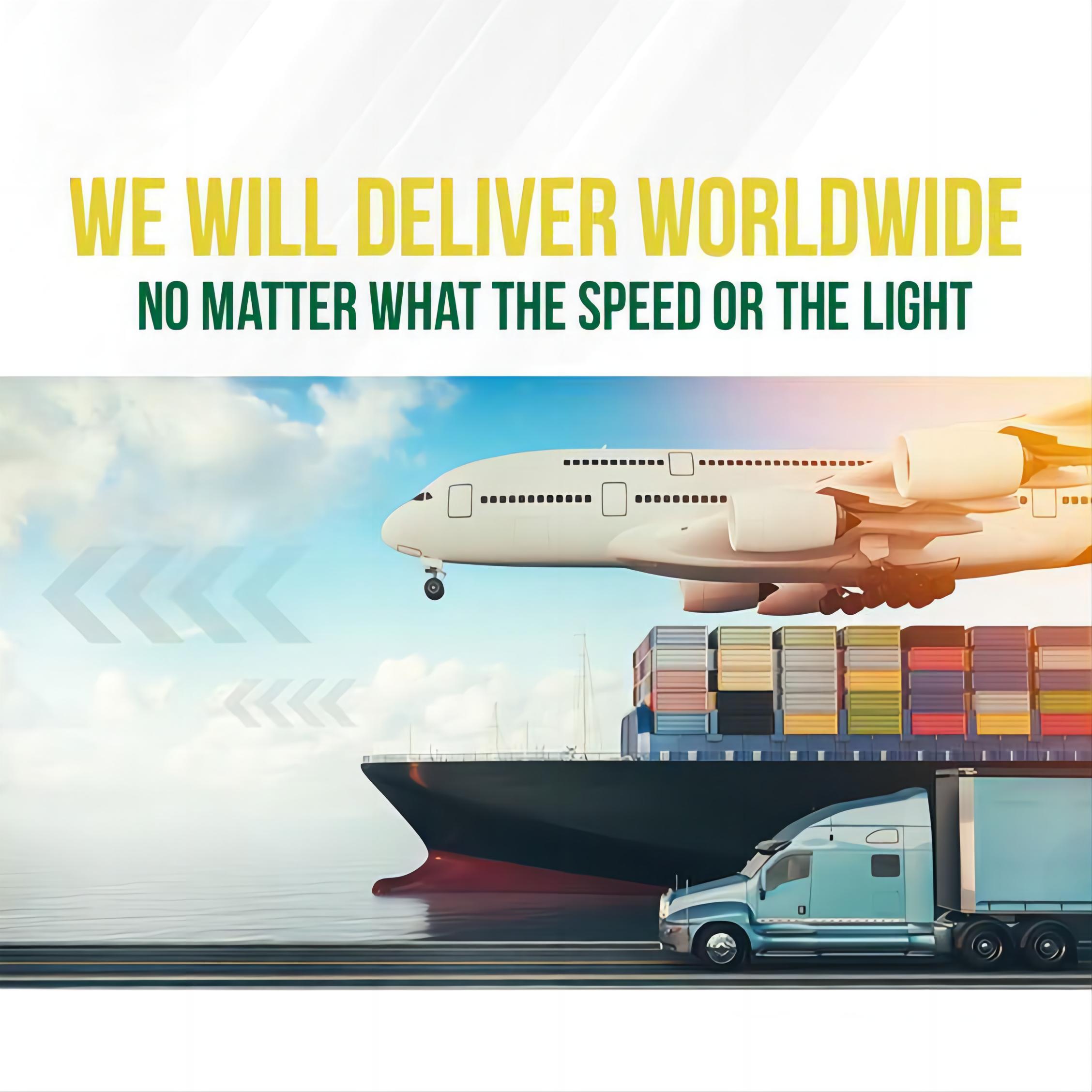
Combining different transport modes offers an optimal balance of speed and cost. ‘Sea-air’ combines sea freight’s cost-effectiveness with air freight’s speed for the final leg. This suits goods faster than sea-only, but not urgent for pure air freight.
This hybrid approach can cut transit times by up to 50% compared to all-sea. It’s a fraction of all-air costs. It’s a strategic option for inventory management and market responsiveness. Consider it for medium-urgency shipments.
Similarly, ‘sea-rail’ or ‘air-rail’ combinations leverage each mode’s strengths. Shipping by sea to a European port, then by rail to an inland Spanish city, is efficient. These require meticulous planning by experienced freight forwarders.
Hybrid models offer flexibility and resilience against disruptions. If one mode faces delays, alternatives can integrate. This adaptability is key for robust supply chain management. It ensures continuous flow.
Which Option Should You Choose for Your Shipments?
Selecting the right freight forwarding China to Spain solution depends on your business priorities. There’s no one-size-fits-all answer. Each shipment presents unique requirements.
A structured decision framework guides you toward suitable and cost-effective logistics. Evaluating your needs streamlines decision-making. This ensures goods arrive efficiently and economically.
The best choice aligns with overall business objectives. This includes maximizing profit, rapid market entry, or lean inventory. A clear understanding of your priorities is crucial.
Budget Priority
If minimizing shipping costs is paramount, and you have ample lead time, sea freight is most economical. Opt for LCL for smaller volumes, FCL for larger loads. Prepare for longer transit and potential port congestion.
This method offers significant per-unit cost savings for bulk goods. However, it demands robust inventory planning for extended delivery. Early planning is essential to manage supply chain effectively.
For a balance of cost and speed, rail freight is compelling. It’s cheaper than air, yet faster than sea. Ideal for businesses needing moderate transit without breaking the bank.
Speed Priority
When urgency is paramount, air freight is the only viable option. This applies to perishable goods or time-critical product launches. Rapid transit (3-7 days) prevents stockouts and capitalizes on market opportunities. Express service offers maximum speed.
Higher cost is often justified by quick market response or preventing costly production delays. This method is an investment in speed and reliability. It’s crucial for market competitiveness.
For less urgent but still time-sensitive shipments, rail freight offers a good compromise. Its 15-20 day transit significantly improves upon sea freight. It bridges the speed gap effectively for many supply chains.
Cargo Type and Volume Thresholds
For extremely large, heavy, or bulky cargo, sea freight (FCL) is most practical. Think industrial machinery or raw materials. LCL suits smaller, non-urgent shipments up to approximately 15-20 CBM, offering flexibility.
Air freight is best for lighter, smaller, high-value, or fragile goods. Electronics, pharmaceuticals, or luxury fashion benefit from speed and reduced handling. Security and rapid delivery are key advantages.
For cargo too large for air but not urgent for sea, rail freight provides a robust solution. This applies especially to full container loads. It efficiently transports goods needing more space than air allows. It offers excellent cargo handling capabilities.
Consider specific characteristics like hazardous materials. These have strict regulations across all modes. Proper classification and compliance are non-negotiable for all cargo types. This ensures safe and legal transport.
Final Thoughts on Freight Forwarding China to Spain
Successfully navigating freight forwarding from China to Spain demands a strategic approach. It requires a deep understanding of logistics. By evaluating sea, air, and rail options, considering costs and customs, businesses optimize their supply chain. The right partner makes all the difference.
Selecting an experienced freight forwarder is crucial for mitigating risks and smooth operations. They provide expertise in documentation, customs, and route optimization. This ensures goods reach their destination efficiently and cost-effectively. Proactive communication and transparent processes are hallmarks of reliable logistics.
Need a tailored shipping solution?
Ready to streamline your logistics from China to Spain? Contact us today for a personalized quote and expert guidance. Our team is prepared to offer tailored freight forwarding solutions that meet your specific business needs and budget. Let’s make your next freight forwarding China to Spain shipment a success.