
Toys Freight China to Europe: Your Ultimate Shipping Guide
Shipping toys from China to Europe involves intricate logistics and careful planning. Faced with varying regulations, fluctuating costs, and complex routes, businesses often struggle to find reliable solutions. This comprehensive guide, brought to you by Top China Freight, will simplify the process, helping you navigate the complexities of toys freight China to Europe.
Understanding Toys Freight from China to Europe
The global toy market relies heavily on manufacturing in China, consequently making toys freight China to Europe a critical supply chain component. Businesses frequently encounter challenges, including managing seasonal demand, ensuring product safety compliance, and optimizing shipping costs.
Successful logistics planning is therefore paramount for toy importers. A well-executed strategy minimizes delays, reduces expenses, and ultimately ensures products reach shelves on time. Understanding the various shipping options and their implications is the first step.

Key Shipping Methods for Toys from China to Europe
Several reliable shipping methods are available for transporting toys from China to Europe. Each option presents distinct advantages regarding speed, cost, and capacity. Choosing the most suitable method directly impacts your overall supply chain efficiency and profitability.
| Shipping Method | Cost Range (per kg) | Transit Time | Best For | Limitations |
|---|---|---|---|---|
| Sea Freight (FCL/LCL) | $0.05 – $0.20 | 28-38 days | Large volume, heavy, non-urgent toys | Slowest, port-to-port only |
| Air Freight | $3.00 – $8.00 | 3-7 days | Urgent, high-value, small-volume toys | Highest cost, weight/volume limits |
| Rail Freight | $0.50 – $1.50 | 15-20 days | Balanced speed/cost, landlocked areas | Less flexible routes than sea/air |
| Express Service | $8.00 – $20.00 | 2-5 days | Samples, small urgent parcels | Very high cost, strict package size limits |
Sea Freight: Cost-Effective for Bulk Shipments
Sea freight remains the most economical option for large volumes of toys. It is ideal for non-urgent, heavy, or bulky shipments, offering significant cost savings per unit. Businesses often choose sea freight for regular stock replenishment.
Both Full Container Load (FCL) and Less than Container Load (LCL) options are available. FCL is suitable for businesses with enough cargo to fill an entire container, whereas LCL allows multiple shippers to share space, reducing costs for smaller consignments. Transit times typically range from 28 to 38 days, depending on the route and destination port.
Air Freight: Speed and Urgency
For urgent or high-value toy shipments, air freight provides unparalleled speed. While significantly more expensive than sea freight, it drastically cuts transit times to just 3-7 days. This method is particularly useful for new product launches or addressing unexpected stock shortages.
However, air freight has weight and volume restrictions, which can impact per-unit costs. Consequently, it is generally reserved for smaller, time-sensitive, or high-margin toy products.
Rail Freight: The Balanced Option
Rail freight offers a compelling balance between the cost-effectiveness of sea freight and the speed of air freight. The China-Europe railway express provides a reliable alternative, with transit times typically between 15-20 days. Moreover, it is often more environmentally friendly.
This method is increasingly popular for general cargo and toys freight China to Europe, particularly for landlocked European destinations. rail freight can reduce lead times compared to sea shipping without the premium price tag of air transport.
Express Service: Small Parcels and Samples
For very small packages, samples, or extremely urgent, lightweight toy shipments, international courier services offer an express service. These services provide door-to-door delivery within 2-5 days, often handling customs clearance efficiently.
Nevertheless, the cost per kilogram is the highest among all options. Therefore, express service is best suited for documents, prototypes, or emergency small-batch orders of toys.
Cost Factors in Toys Freight China to Europe
Calculating the total cost for toys freight China to Europe involves more than just the base freight rate. Indeed, numerous factors contribute to the final landed cost of your products. Understanding these components is crucial for accurate budgeting and competitive pricing.
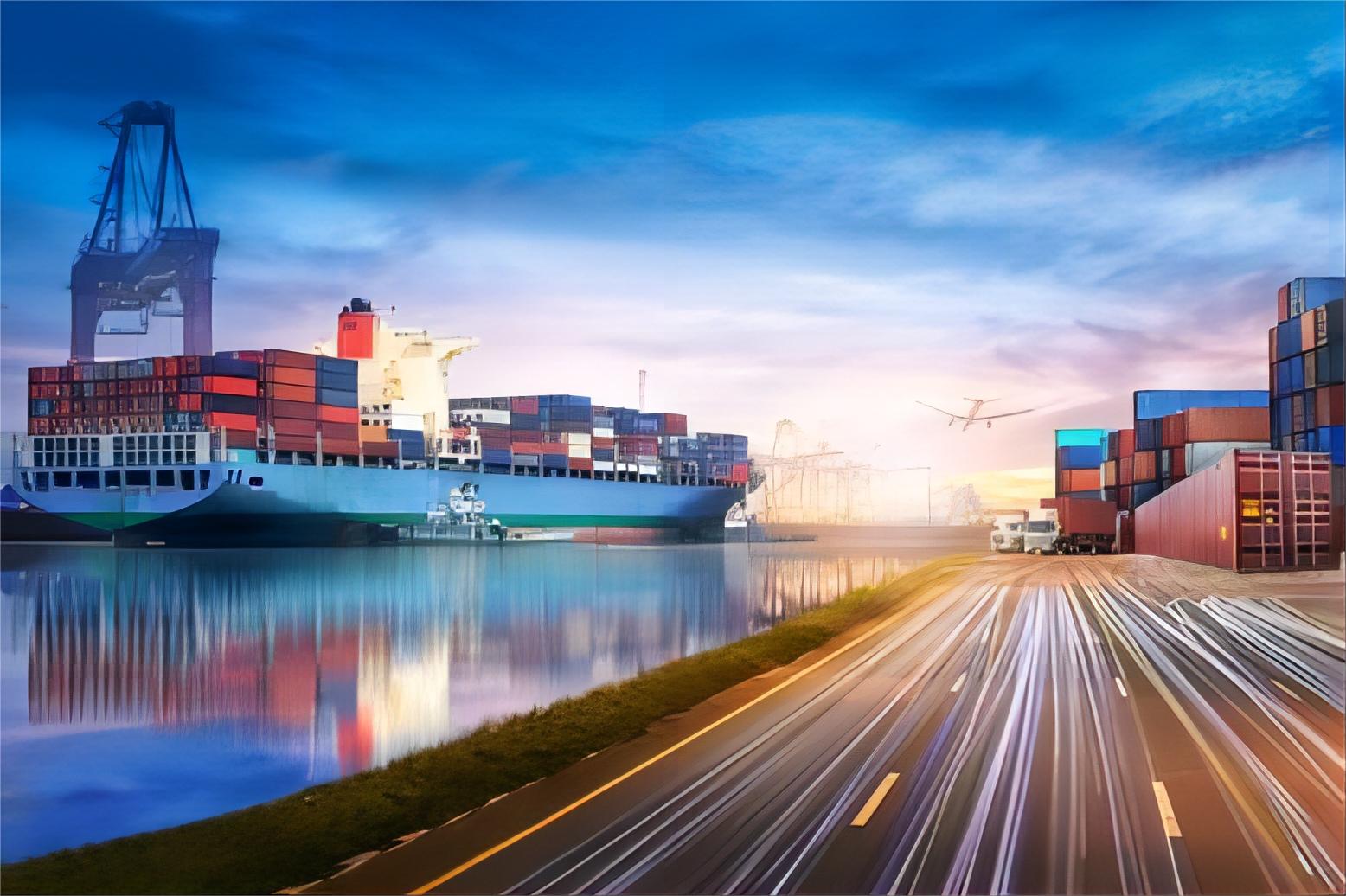
Firstly, the primary freight rate varies significantly based on the chosen shipping method, cargo volume, and current market conditions. Secondly, fuel surcharges, which fluctuate with oil prices, can add a substantial amount to the total. Lastly, seasonal demand often pushes rates higher during peak shipping periods.
Origin and Destination Charges
At the origin, charges include container loading, trucking to the port/airport, documentation fees, and terminal handling charges (THC). Similarly, destination charges involve unloading, customs inspection fees, and local delivery within Europe. These can add up significantly.
Furthermore, storage fees might apply if cargo is not cleared promptly. Therefore, efficient coordination with your freight forwarder and consignee is essential to mitigate these additional costs.
Customs Duties, Taxes, and Insurance
Importing toys into Europe necessitates paying customs duties and Value Added Tax (VAT), which vary by product type and destination country. Proper classification of goods is vital to avoid penalties. Engaging a reliable customs brokerage service can streamline this process.
Moreover, cargo insurance protects against loss or damage during transit. While an additional cost, it provides crucial peace of mind, especially for high-value toy shipments. Always consider adequate insurance coverage for your goods.
How Does Sea Freight Compare to Other Shipping Options?
When planning toys freight China to Europe, comparing sea freight against air and rail options is fundamental. Each method caters to different business needs and operational priorities. Making an informed decision ensures efficient and cost-effective delivery of your toys.
Sea freight, while slower, offers unparalleled capacity and cost efficiency for large consignments. Conversely, air freight provides speed for time-critical shipments, albeit at a higher price point. Rail freight, meanwhile, bridges the gap, balancing speed and cost effectively.
| Shipping Method | Cost Range (40HQ) | Transit Time | Best For | Limitations |
|---|---|---|---|---|
| Sea Freight | $3,000 – $4,200 | 30-38 days | Large, non-urgent, cost-sensitive toy shipments | Slowest, susceptible to port congestion |
| Air Freight | $15,000 – $25,000 (equivalent volume) | 3-7 days | Urgent, high-value, light toys | Highest cost, limited capacity |
| Rail Freight | $8,000 – $12,000 | 15-20 days | Balanced speed/cost, landlocked regions, regular flow | Less flexibility than sea/air, potential for rail delays |
| Sea-Air Hybrid | $6,000 – $10,000 | 15-25 days | Moderate urgency, cost-conscious, flexible supply chains | More complex coordination, potential for transshipment delays |
Sea vs. Air: Speed vs. Cost
Typically, a 40HQ container of toys via sea freight from China to Europe might cost $3,000-$4,200, arriving in 30-38 days. In stark contrast, air freight for the same volume, albeit less weight, could easily cost $15,000-$25,000 but delivers in just 5-7 days.
Therefore, businesses must weigh the urgency of their toy products against their budget. High-demand, trendy toys often justify air freight for market entry, whereas staple items are best suited for sea shipping.
FCL vs. LCL: Volume Efficiency
For toy shipments under 15 CBM, Less than Container Load (LCL) shipping at $50-$80/CBM can be significantly more economical than reserving a Full Container Load (FCL). This option prevents paying for unused space.
However, LCL shipments often incur longer transit times due to consolidation and deconsolidation processes. Businesses must evaluate if the cost savings outweigh the potential for extended delivery schedules for their toys freight China to Europe.
Hybrid Solutions: Sea-Air Combinations
A hybrid sea-air solution combines the initial cost-effectiveness of sea freight with the speed of air freight. Cargo travels by sea to a transshipment hub, typically in the Middle East, then switches to air freight for the final leg to Europe.
This approach offers a middle ground in terms of both cost and transit time, typically 15-25 days. It is an excellent option for optimizing the supply chain for toys that require faster delivery than sea freight but are not urgent enough for full air freight.
Optimizing Your Toys Freight Supply Chain
Effective supply chain management is vital for the profitable import of toys from China to Europe. By implementing strategic approaches, businesses can enhance efficiency, reduce costs, and improve delivery reliability. This proactive approach ensures a smoother operation.
Careful planning, from supplier selection to final delivery, impacts every stage of the process. Optimizing each step can lead to significant competitive advantages in the bustling toy market.
Choosing the Right Incoterms
Selecting appropriate Incoterms (International Commercial Terms) clarifies responsibilities and costs between buyer and seller. Terms like FOB (Free On Board) or EXW (Ex Works) significantly influence who arranges and pays for shipping, insurance, and customs.
For instance, FOB often gives buyers more control over freight costs and carrier selection. Understanding these terms is crucial to avoid unexpected expenses and liabilities for your toys freight China to Europe.
Consolidation and Door-to-Door Service
Consolidating multiple smaller orders from various Chinese suppliers into a single, larger shipment can drastically reduce per-unit shipping costs. This strategy is particularly effective for LCL shipments, maximizing container space utilization. It also simplifies tracking and management.
Furthermore, utilizing a comprehensive door-to-door service streamlines the entire logistics process. This service handles everything from pickup at the factory in China to final delivery at your European warehouse, including customs clearance. It minimizes your administrative burden and reduces potential delays.
Amazon FBA Considerations
For toy sellers utilizing Amazon’s Fulfillment by Amazon (FBA) program, direct shipping to Amazon warehouses in Europe is a common strategy. This requires adherence to Amazon’s strict packaging and labeling requirements.
Specialized FBA services can manage these complexities, ensuring your toys comply with FBA standards and reach the fulfillment centers without issues. This service ultimately saves time and prevents costly chargebacks.
Navigating Customs and Regulations for Toy Imports
Importing toys into the European Union involves strict adherence to various safety standards and regulatory requirements. Non-compliance can lead to significant delays, fines, or even product recalls. Therefore, thorough preparation is indispensable.
Understanding and fulfilling these obligations is a critical aspect of successful toys freight China to Europe. Proactive engagement with customs guidelines ensures a smooth and legal importation process.
CE Marking and Safety Standards
All toys sold in the EU must bear the CE mark, indicating conformity with European safety, health, and environmental protection standards. This includes compliance with the Toy Safety Directive 2009/48/EC. Manufacturers must conduct conformity assessments.
Importers are responsible for ensuring that toys meet these standards and possess the necessary documentation, including a Declaration of Conformity and technical files. Neglecting these requirements can lead to severe consequences for your toy imports.
Required Documentation
A comprehensive set of documents is required for customs clearance. This typically includes a commercial invoice, packing list, bill of lading (for sea freight) or air waybill (for air freight), certificate of origin, and the Declaration of Conformity for CE marking.
Additionally, import licenses or specific permits might be necessary for certain types of toys. Therefore, preparing all documentation accurately and in advance is crucial to prevent customs delays. A professional freight forwarder can assist with this.
Real-World Scenarios: Toys Freight China to Europe
Examining actual shipping scenarios provides valuable insights into the practicalities of toys freight China to Europe. These case studies highlight how different shipping methods and strategic decisions impact costs and timelines. They demonstrate real-world applications of logistics principles.
Case Study 1: Large Volume, Cost-Effective Sea Shipment
This example illustrates a typical large-scale sea freight operation for a major toy distributor.
| Detail | Description | ||||
|---|---|---|---|---|---|
| Route | Shanghai, China Rotterdam, Netherlands | ||||
| Cargo | Assorted plastic toys, 65 CBM, 12,000 kg | ||||
| Container | 1 x 40HQ | ||||
| Shipping Details | Carrier: COSCO, Port of Loading: Shanghai, Port of Discharge: Rotterdam, Route Type: Direct (based on Q3 2024 market rates) | ||||
| Cost Breakdown | Ocean Freight: $3,800 | Origin Charges: $450 | Destination Charges: $550 | Customs & Duties (estimated): $1,200 | Total Landed Cost: $6,000 |
| Timeline | Booking to Loading: 5 days | Sea Transit: 32 days | Customs Clearance: 3 days | Total Door-to-Door: 40 days | |
| Key Insight | Cost-effective for high volume; careful planning of customs documentation avoided delays. This reduced overall supply chain expenditure. |
Case Study 2: Urgent, High-Value Air Shipment
This scenario focuses on a time-critical delivery of popular collectible action figures.
| Detail | Description | ||||
|---|---|---|---|---|---|
| Route | Guangzhou, China Frankfurt, Germany | ||||
| Cargo | Collectible action figures, 5 CBM, 800 kg | ||||
| Container | Air Cargo (LCL) | ||||
| Shipping Details | Carrier: Lufthansa Cargo, Port of Loading: Guangzhou Baiyun, Port of Discharge: Frankfurt Airport, Route Type: Direct (Typical rates as of early 2025) | ||||
| Cost Breakdown | Air Freight: $4,800 | Origin Charges: $300 | Destination Charges: $200 | Customs & Duties (estimated): $800 | Total Landed Cost: $6,100 |
| Timeline | Booking to Loading: 2 days | Air Transit: 4 days | Customs Clearance: 1 day | Total Door-to-Door: 7 days | |
| Key Insight | High cost justified by urgent market demand for new release. Swift customs clearance was critical for timely market entry. |
Case Study 3: Balanced Rail Shipment for Seasonal Toys
This case illustrates the use of rail for a moderately urgent, seasonal toy shipment.
| Detail | Description | ||||
|---|---|---|---|---|---|
| Route | Chongqing, China Warsaw, Poland | ||||
| Cargo | Educational wooden toys, 20 CBM, 4,000 kg | ||||
| Container | 1 x 20GP | ||||
| Shipping Details | Carrier: China Railway Express, Terminal of Loading: Chongqing, Terminal of Discharge: Małaszewicze (Poland), Route Type: Direct (Based on Q4 2024 market rates) | ||||
| Cost Breakdown | Rail Freight: $5,500 | Origin Charges: $350 | Destination Charges: $400 | Customs & Duties (estimated): $900 | Total Landed Cost: $7,150 |
| Timeline | Booking to Loading: 4 days | Rail Transit: 16 days | Customs Clearance: 2 days | Total Door-to-Door: 22 days | |
| Key Insight | Provided a good balance of speed and cost for seasonal inventory buildup. Avoiding port congestion during peak season was a significant advantage. Seasonal rates were slightly higher due to demand. |
Which Shipping Option Should You Choose?
Deciding on the optimal shipping method for toys freight China to Europe depends on several critical factors. A careful assessment of your business priorities will guide you toward the most suitable solution. Consider budget, urgency, and product characteristics.
Ultimately, the best choice aligns with your specific supply chain goals. This framework helps you make an informed decision.
Budget Priority
If cost minimization is your primary concern, sea freight, particularly LCL for smaller volumes or FCL for larger ones, is generally the most economical choice. It allows for higher profit margins on lower-priced toys. Be prepared for longer transit times.
Alternatively, rail freight offers a good compromise if you need better speed than sea freight but cannot afford air freight prices. It is a solid middle-ground for cost-conscious importers.
Speed Priority
For time-sensitive toy releases, seasonal trends, or urgent stock replenishment, air freight is indispensable. It ensures rapid market entry and minimizes lost sales due to stockouts. This method is crucial for competitive advantage.
Hybrid sea-air solutions can also provide a faster alternative to pure sea freight without the full cost of air, balancing speed with a more manageable budget. This flexibility is valuable for dynamic markets.
Cargo Type and Volume Considerations
Bulky, heavy, or low-value toys are best suited for sea freight due to its high capacity and low cost per unit. Conversely, small, high-value, or fragile toys might benefit from air freight’s faster handling and reduced risk of damage.
For medium volumes or products with moderate value, rail freight often presents an ideal solution. It is also beneficial for specific European destinations with good rail connectivity. Your cargo’s characteristics significantly influence the best method.
Market Insights and Future Trends in Toys Freight
The landscape of toys freight China to Europe is continually evolving, influenced by global economic shifts and geopolitical events. Staying informed about current market conditions and emerging trends is crucial for strategic planning. This proactive approach helps businesses adapt.
As of early 2025, freight rates from China to Europe have largely stabilized following the Red Sea disruptions of late 2023 and 2024. However, capacity management and vessel rerouting continue to influence transit times and costs. Market data suggests slight rate increases during peak seasons.
Seasonal Patterns and Rate Fluctuations
Freight rates typically increase by 15-25% during the peak shipping season, usually from August to October, in anticipation of holiday sales. Chinese New Year closures also cause pre-holiday surges and post-holiday lulls.
Planning shipments outside these peak windows or booking well in advance can help mitigate higher costs. Strategic inventory management is therefore key to navigating these seasonal rate fluctuations for toys freight China to Europe.
Sustainability in Logistics
Growing environmental concerns are driving demand for more sustainable shipping solutions. Rail freight and optimized sea routes offer lower carbon footprints compared to air freight. Many European importers prioritize eco-friendly logistics partners.
Exploring greener shipping options can enhance your brand’s reputation and align with corporate social responsibility goals. This trend is expected to grow, influencing future logistics decisions for toy imports. Note: Freight rates are subject to change based on fuel costs, carrier capacity, and seasonal demand. Contact us for a current quote tailored to your specific shipment.
Conclusion: Navigating Toys Freight China to Europe with Confidence
Shipping toys from China to Europe requires a deep understanding of various logistics options, cost drivers, and regulatory compliance. Whether you prioritize speed, cost, or a balance of both, a suitable shipping method exists to meet your business needs.
By leveraging sea, air, or rail freight, optimizing your supply chain, and staying informed about market trends, you can ensure smooth and efficient delivery of your toy products. Ultimately, partnering with an experienced freight forwarder like Top China Freight is crucial for successful toys freight China to Europe.
Need a tailored shipping solution?
Ready to optimize your toys freight China to Europe? Contact us today for a personalized quote and expert advice. Our team at Top China Freight is dedicated to providing efficient, reliable, and cost-effective shipping solutions tailored to your specific needs. Let us streamline your logistics process.