

Ocean Freight China to Australia: Your Ultimate Shipping Guide
Shipping goods across continents presents unique challenges, particularly when considering ocean freight from China to Australia. Businesses often grapple with complex logistics, fluctuating costs, and extended transit times. This comprehensive guide aims to demystify the process, offering practical insights and reliable solutions for your import needs. Understanding the intricacies is crucial for successful international trade.
What is Ocean Freight from China to Australia?
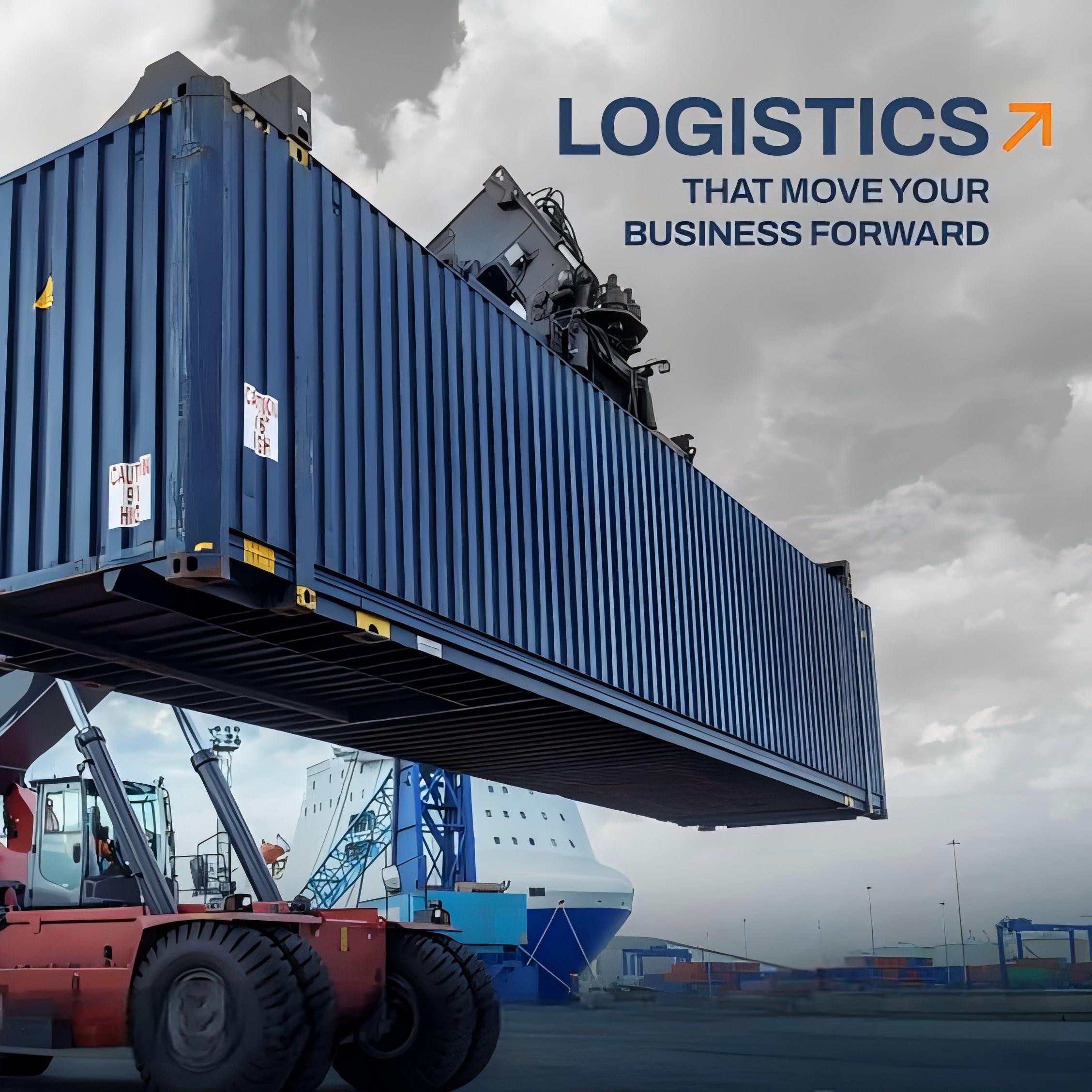
Ocean freight involves transporting goods via cargo ships, utilizing large containers to move vast quantities of products across the sea. This method is the backbone of global trade, especially for routes like China to Australia, where significant volumes are exchanged. It offers a cost-effective solution for businesses importing various goods.
Choosing ocean freight typically depends on factors such as shipment volume, urgency, and budget. While slower than air freight, it remains the most economical option for bulk goods, heavy machinery, or non-perishable items. Therefore, many Australian businesses rely on this shipping mode for their supply chains.
What Drives Ocean Freight Costs from China to Australia?
Several variables significantly impact the final cost of shipping from China to Australia via ocean. Firstly, the type and size of the container, whether Full Container Load (FCL) or Less than Container Load (LCL), play a major role. FCL is generally more cost-effective for larger volumes, whereas LCL suits smaller shipments.
Furthermore, fluctuating freight rates, fuel surcharges, and origin/destination port charges contribute substantially to the total expense. Seasonal demand, particularly during peak seasons like Chinese New Year or pre-holiday periods, can also drive prices upwards. Consequently, planning ahead and understanding these dynamics is essential for budget management.
How Long Does Ocean Freight Take from China to Australia?
Transit times for ocean freight from China to Australia typically range from 12 to 25 days, depending on the specific origin and destination ports. Major Chinese ports include Shanghai, Ningbo, and Shenzhen, while key Australian ports are Sydney, Melbourne, Brisbane, and Fremantle. Direct routes offer faster transit compared to those involving transshipment.
Moreover, vessel schedules, weather conditions, and potential port congestion can affect the overall delivery schedule. Therefore, it is always prudent to factor in buffer time when planning your import logistics. Understanding these routes helps in setting realistic expectations for your supply chain.
What Customs Documents Are Needed for China to Australia Shipping?
Successful customs clearance in Australia requires meticulous preparation and accurate documentation. Essential documents typically include the commercial invoice, packing list, bill of lading (B/L), and potentially a certificate of origin. Errors or omissions in these documents can lead to significant delays and additional costs.
Additionally, Australian imports are subject to various duties and Goods and Services Tax (GST), which must be correctly declared and paid. Engaging a professional for customs brokerage services can streamline this complex process. This ensures compliance with all local regulations, preventing unforeseen complications.
Ocean Freight vs. Air Freight for China to Australia Shipments
When importing from China to Australia, businesses often weigh ocean freight against air freight. Ocean freight, as discussed, is ideal for large volumes and heavy goods due to its lower cost per unit. However, its transit times are significantly longer, usually several weeks.
Conversely, air freight offers speed, delivering goods typically within 3-7 days. This method is perfect for urgent, high-value, or time-sensitive cargo, but at a considerably higher cost. Consequently, the choice largely depends on the balance between speed, cost, and cargo type.
| Shipping Method | Cost Range (40HQ approx.) | Transit Time | Best For | Limitations |
|---|---|---|---|---|
| Ocean Freight FCL | $1,400 – $2,000 | 12-18 days | Large volume, heavy, non-urgent goods | Slower, potential port delays |
| Ocean Freight LCL | $50 – $80 per CBM | 15-25 days | Smaller shipments (under 15 CBM) | Longer transit, higher per-unit cost than FCL |
| Air Freight | $15,000 – $25,000 | 3-7 days | Urgent, high-value, perishable goods | High cost, volume/weight restrictions |
| Express Service | $200 – $800 (small packages) | 2-5 days | Small, time-sensitive documents/samples | Very high cost for larger items |

Which Option Should You Choose?
Your decision hinges on a clear understanding of your priorities and shipment characteristics. If budget is your primary concern and time allows, ocean freight is undoubtedly the most economical solution. This applies particularly to non-perishable bulk items.
However, if speed is paramount for your supply chain, such as for fast-moving consumer goods or urgent components, air freight or express service becomes indispensable. Consider the cargo type and its value carefully. For instance, fragile items may benefit from less handling in air transport.
For medium-sized shipments, a hybrid approach combining the benefits of both might be suitable. For example, using ocean freight for the main bulk and air freight for urgent components or samples. This strategic blend can optimize both cost and delivery speed.
How Can You Optimize Your Ocean Freight China to Australia?
Optimizing your ocean freight strategy involves several key considerations to enhance efficiency and reduce costs. Firstly, consider consolidating smaller shipments into a single container (FCL) whenever possible. This significantly reduces per-unit shipping costs compared to LCL.
Furthermore, utilizing comprehensive door-to-door services can simplify your logistics by handling all stages from pickup to final delivery. This integrated approach minimizes coordination efforts and potential delays. Always ensure adequate cargo insurance is in place for protection against unforeseen events.
Real-World Ocean Freight China to Australia Scenarios
Case Study 1: Importing E-commerce Goods from Shenzhen to Sydney
This case highlights a common scenario for an Australian online retailer importing electronic accessories. The goal was to balance cost-effectiveness with a reasonable transit time to maintain inventory levels. They opted for an FCL shipment to maximize container space.
| Detail | Value |
|---|---|
| Route: | Shenzhen, China -> Sydney, Australia |
| Cargo: | Electronic accessories, 28 CBM, 9,500 kg |
| Container: | 40GP |
| Shipping Details: | |
| – Carrier/Service: | Major carrier (e.g., COSCO) |
| – Port of Loading: | Shenzhen |
| – Port of Discharge: | Sydney |
| – Route Type: | Direct |
| Cost Breakdown: | |
| – Ocean Freight: | $1,650 (Based on Q3 2024 market rates) |
| – Origin Charges (THC, documentation): | $350 |
| – Destination Charges: | $400 |
| – Customs & Duties (estimated): | $850 |
| – Total Landed Cost: | $3,250 |
| Timeline: | |
| – Booking to Loading: | 4 days |
| – Sea Transit: | 14 days |
| – Customs Clearance: | 2 days |
| – Total Door-to-Door: | 20 days |
| Key Insight: | Direct routing provided efficiency; careful planning avoided peak season surcharges. |
Case Study 2: LCL Shipment for Boutique Apparel from Shanghai to Melbourne
A small fashion boutique needed to import a new collection of apparel but did not have enough volume for a full container. They chose an LCL solution, which proved economical for their smaller, high-value shipment. This required careful consolidation by the freight forwarder.
| Detail | Value |
|---|---|
| Route: | Shanghai, China -> Melbourne, Australia |
| Cargo: | Boutique apparel, 8 CBM, 1,200 kg |
| Container: | LCL 8 CBM |
| Shipping Details: | |
| – Carrier/Service: | Consolidated LCL service |
| – Port of Loading: | Shanghai |
| – Port of Discharge: | Melbourne |
| – Route Type: | Transshipment via Singapore |
| Cost Breakdown: | |
| – Ocean Freight: | $560 (8 CBM x $70/CBM, Typical rates as of early 2025) |
| – Origin Charges (THC, documentation): | $280 |
| – Destination Charges: | $320 |
| – Customs & Duties (estimated): | $450 |
| – Total Landed Cost: | $1,610 |
| Timeline: | |
| – Booking to Loading: | 5 days |
| – Sea Transit: | 22 days |
| – Customs Clearance: | 3 days |
| – Total Door-to-Door: | 30 days |
| Key Insight: | LCL was cost-effective for smaller volume but incurred longer transit due to transshipment. |
Case Study 3: Industrial Machinery from Ningbo to Brisbane
An industrial client required a large piece of machinery for a manufacturing upgrade. Due to its size and weight, FCL ocean freight was the only viable and cost-effective option. The focus was on secure handling and timely delivery.
| Detail | Value |
|---|---|
| Route: | Ningbo, China -> Brisbane, Australia |
| Cargo: | Industrial machinery, 35 CBM, 18,000 kg |
| Container: | 40HQ |
| Shipping Details: | |
| – Carrier/Service: | Maersk |
| – Port of Loading: | Ningbo |
| – Port of Discharge: | Brisbane |
| – Route Type: | Direct |
| Cost Breakdown: | |
| – Ocean Freight: | $1,800 (Based on Q4 2024 market rates) |
| – Origin Charges (THC, documentation): | $400 |
| – Destination Charges: | $450 |
| – Customs & Duties (estimated): | $1,500 |
| – Total Landed Cost: | $4,150 |
| Timeline: | |
| – Booking to Loading: | 3 days |
| – Sea Transit: | 16 days |
| – Customs Clearance: | 2 days |
| – Total Door-to-Door: | 23 days |
| Key Insight: | Heavy cargo required careful loading and unloading procedures, but direct route ensured efficiency. |
Why Choose a Specialist for Ocean Freight China to Australia?
Partnering with an experienced freight forwarder is paramount for navigating the complexities of sea freight from China to Australia. A good forwarder offers expertise in customs regulations, optimizes routing, and manages all logistical aspects. This partnership can significantly reduce stress and potential costs.
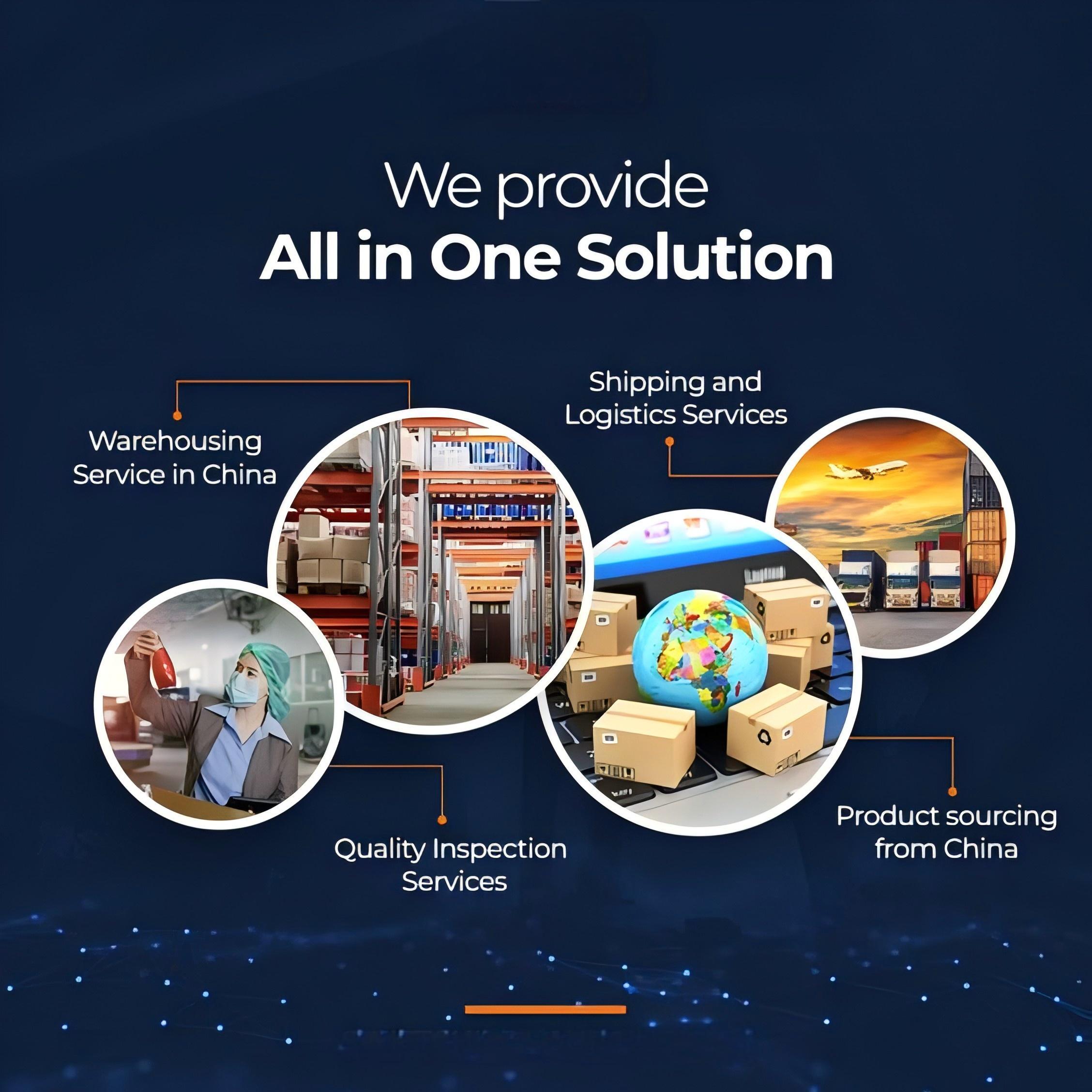
Top China Freight brings extensive experience in the China-Australia trade lane, offering tailored solutions for diverse cargo needs. We provide transparent pricing and proactive communication, ensuring your goods arrive safely and on schedule. Our aim is to simplify your supply chain processes.
What Are Common Challenges in China to Australia Ocean Shipping?
Importers frequently encounter several challenges when moving goods via ocean freight from China to Australia. Port congestion in either country can cause unexpected delays, impacting delivery schedules. Furthermore, unforeseen weather events or carrier schedule changes may also disrupt transit times.
Moreover, navigating complex import regulations and potential customs inspections requires constant vigilance. Ensuring correct documentation and compliance is vital to avoid penalties or prolonged holds. An experienced freight forwarder can help mitigate these risks effectively.

What Future Trends Impact Ocean Freight China to Australia?
The landscape of ocean freight is continually evolving, with technology and sustainability driving significant changes. Digitalization of documentation and tracking systems is improving supply chain visibility and efficiency. This allows for real-time monitoring of shipments.
Furthermore, there is a growing emphasis on sustainable shipping practices, with carriers exploring greener fuels and more efficient vessel designs. These trends aim to reduce the environmental footprint of global trade. Consequently, businesses should seek forwarders aligned with these modern logistics trends.
Mastering Ocean Freight China to Australia
Successfully managing <a href=”https://Top China Freight.com/shipping-from-china-to-australia/”>ocean freight from China to Australia</a> requires a thorough understanding of costs, transit times, customs procedures, and choosing the right shipping partner. By considering factors like FCL vs. LCL, optimizing routes, and preparing documentation diligently, businesses can achieve efficient and cost-effective imports.
Ultimately, the right strategy minimizes risks and maximizes profitability. Partnering with a knowledgeable freight forwarder like Top China Freight ensures a smooth and reliable supply chain. We empower businesses to thrive in the competitive international market.
Ready to streamline your logistics?
Ready to streamline your ocean freight from China to Australia? Contact our expert team today for a personalized quote and discover how our seamless solutions can benefit your business. Let us handle the complexities while you focus on growth.
Request Quote