

Railway Shipping China to Japan: Your Complete Logistics Guide
“Exploring efficient shipping routes from China to Japan is crucial for many businesses. While direct railway shipping China to Japan isn’t a standard option, understanding the best multimodal and direct methods is essential. This guide from Top China Freight will clarify your choices, ensuring your cargo reaches its destination efficiently and cost-effectively.”
Understanding China to Japan Shipping: Why Direct Rail Isn’t Standard
❖Many businesses inquire about railway shipping China to Japan due to rail’s efficiency for landlocked routes. However, a direct rail line connecting China and Japan across the sea does not exist. Therefore, your primary options involve sea freight, air freight, or multimodal solutions.
Consequently, careful planning is necessary to select the most suitable transport method. This involves considering factors like transit time, cost, and cargo type. Furthermore, understanding the geographical limitations is the first step in optimizing your logistics strategy for this critical trade lane.
Primary Shipping Methods from China to Japan
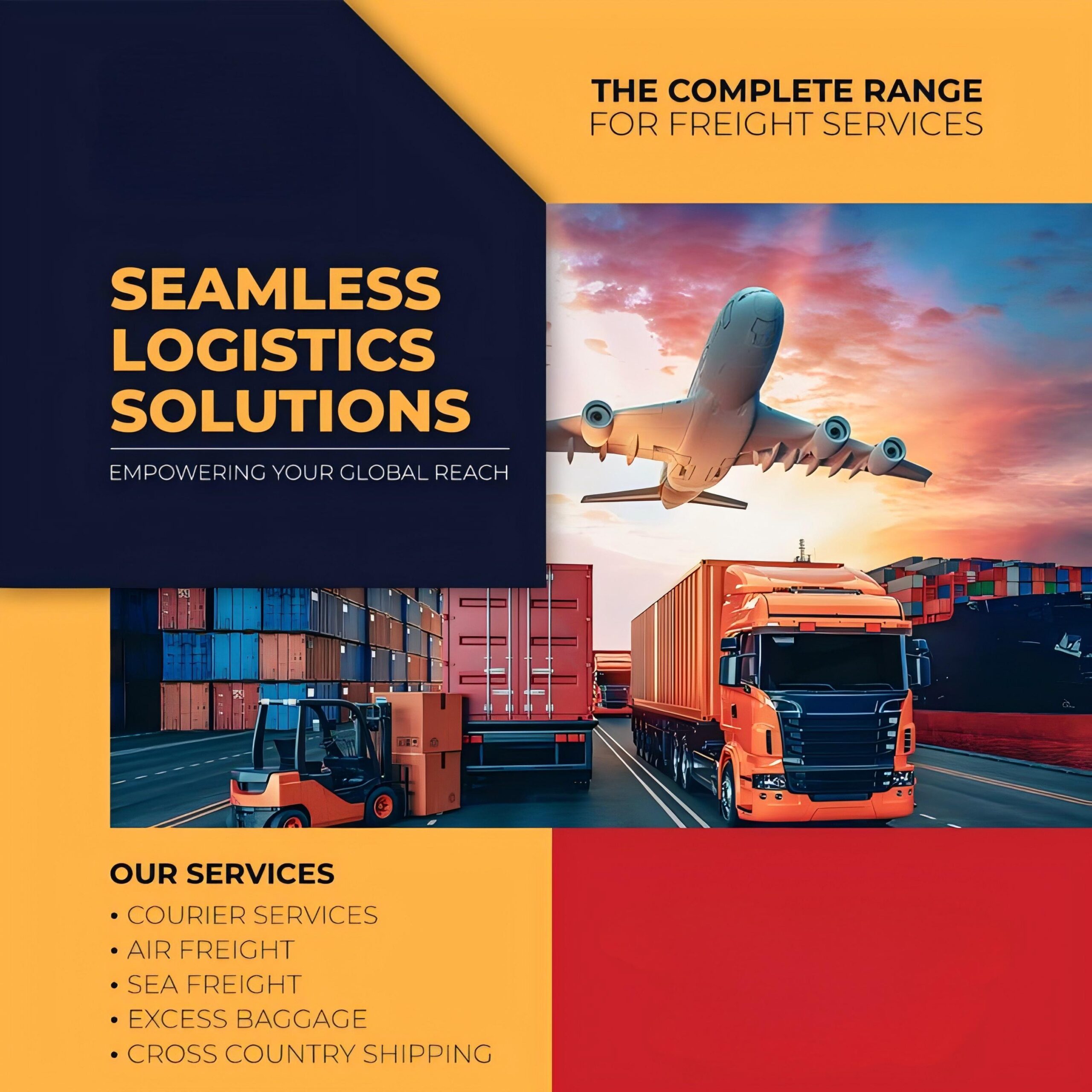
❖Since direct rail is not an option, businesses typically rely on sea freight and air freight for shipping goods from China to Japan. Each method offers distinct advantages and disadvantages, catering to different logistical needs and priorities.
Choosing the right method depends heavily on your specific requirements. Indeed, evaluating your budget, urgency, and cargo characteristics will guide your decision-making process effectively.
Sea Freight: Cost-Effective for Bulk Shipments
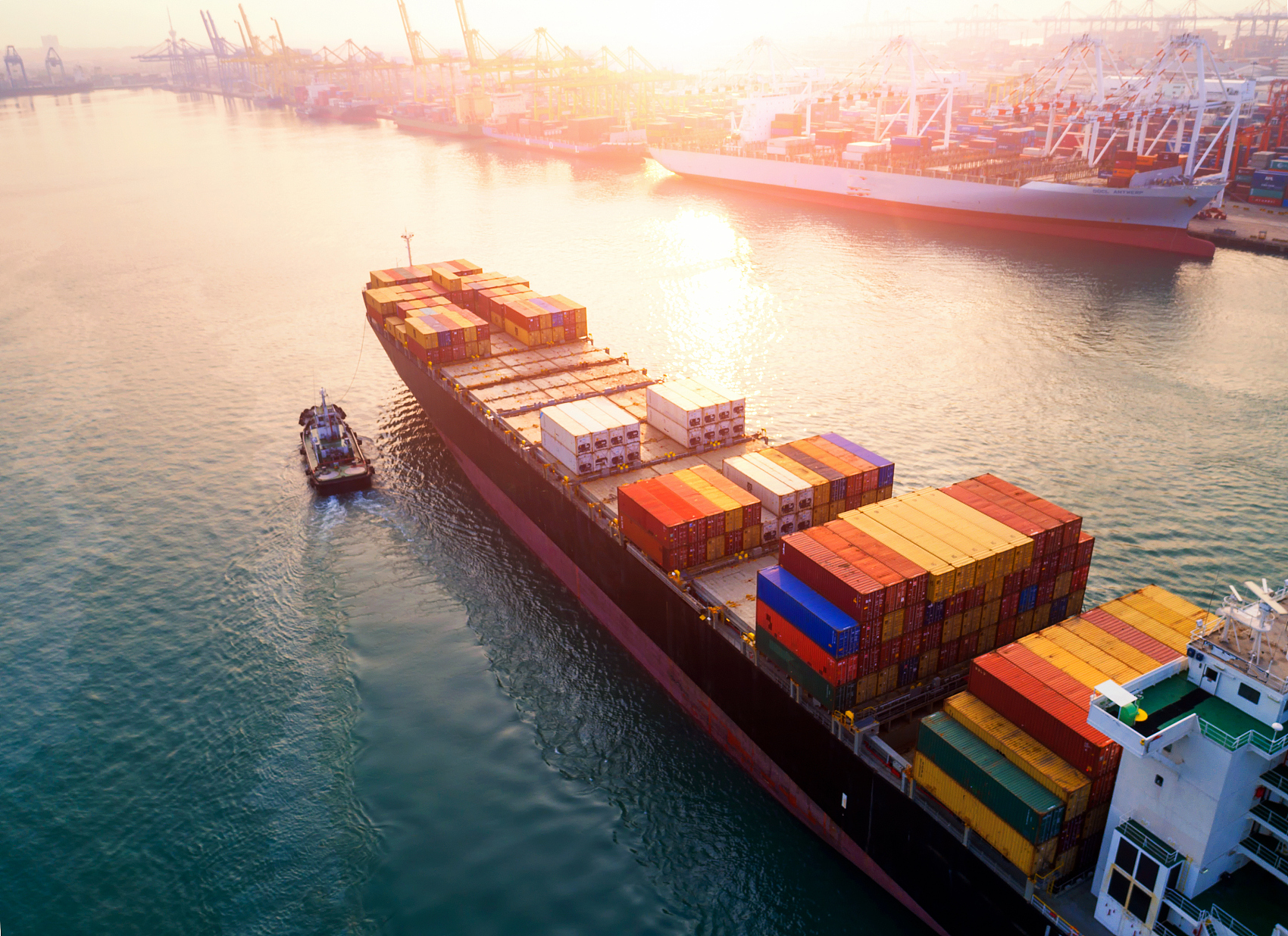
Sea freight remains the most popular choice for shipments between China and Japan, primarily due to its cost-effectiveness for large volumes. This method is ideal for non-urgent, heavy, or bulky goods. Furthermore, both Full Container Load (FCL) and Less than Container Load (LCL) options are readily available.
Typically, transit times for sea freight range from 3 to 10 days, depending on the specific ports and service chosen. For instance, major ports like Shanghai, Ningbo, and Shenzhen frequently serve Japanese destinations such as Tokyo, Osaka, and Kobe. Consider sea freight for substantial cargo volumes.
Air Freight: Speed and Urgency
Conversely, air freight is the fastest option for shipping goods from China to Japan. It is perfectly suited for urgent deliveries, high-value items, or perishable goods where speed is paramount. While significantly faster, air freight comes with a higher price tag.
Moreover, transit times are exceptionally short, often between 1 to 3 days from airport to airport. Key Chinese airports like Shanghai Pudong (PVG) and Guangzhou Baiyun (CAN) connect seamlessly with Japanese hubs such as Tokyo Narita (NRT) and Osaka Kansai (KIX). Explore air freight for time-sensitive shipments.
Express Courier Services: Small Packages, Rapid Delivery
For very small packages, documents, or e-commerce shipments, express courier services provide a door-to-door solution with unparalleled speed. Companies like DHL, FedEx, and UPS offer robust networks between China and Japan. These services prioritize convenience and swift delivery.
Additionally, express services typically offer 1-2 day transit times, including customs clearance. Although more expensive per kilogram than standard air freight, they simplify the shipping process for smaller consignments. Indeed, for fast, hassle-free delivery, consider express service.
How Does Sea Freight (Primary Method) Compare to Other Shipping Options?
❖When planning your logistics from China to Japan, understanding the trade-offs between different shipping methods is crucial. Sea freight, being the most common, serves as a benchmark against air freight and express services. Therefore, a comprehensive comparison helps in making informed decisions.
Ultimately, your choice will balance cost, speed, cargo type, and reliability. This section provides a detailed breakdown to guide your selection.
| Shipping Method | Cost Range (per kg/CBM) | Transit Time (Port/Airport) | Best For | Limitations |
|---|---|---|---|---|
| Sea Freight (FCL) | $30-60/CBM | 3-7 days | Large, heavy, non-urgent cargo | Slower than air, port-to-port |
| Sea Freight (LCL) | $40-80/CBM | 5-10 days | Smaller volumes, flexible scheduling | Longer consolidation times, potential delays |
| Air Freight | $3-7/kg | 1-3 days | Urgent, high-value, perishable goods | High cost, size/weight restrictions |
| Express Courier | $6-12/kg | 1-2 days | Samples, documents, e-commerce, small packages | Very high cost, strict size/weight limits |
Essential Considerations for Shipping to Japan
❖Navigating international shipping requires attention to several key factors. For shipments from China to Japan, understanding customs regulations, documentation, and potential surcharges is vital. These elements directly impact your overall shipping costs and delivery schedule.
Furthermore, unforeseen delays can arise, necessitating robust contingency planning. Being prepared for these aspects ensures a smoother logistics process and helps avoid costly mistakes.
Customs Clearance and Documentation
Japanese customs regulations are strict, requiring precise and complete documentation. Importers must provide a commercial invoice, packing list, bill of lading (for sea freight) or air waybill (for air freight), and sometimes a certificate of origin. Moreover, specific product types may require additional licenses or permits.
Therefore, engaging a reliable customs broker is highly recommended to ensure compliance and avoid delays. Proper preparation prevents issues and facilitates efficient entry into Japan. Our customs brokerage services can streamline this process.
Transit Times and Delivery Schedule
Transit times vary significantly based on the chosen shipping method, specific origin and destination ports, and current market conditions. For example, sea freight might take 3-10 days, while air freight typically takes 1-3 days. Furthermore, door-to-door delivery will add additional time for inland transport and customs processing.
It is always advisable to factor in buffer time for unexpected delays, such as port congestion or adverse weather. Planning ahead ensures that your supply chain remains robust and reliable. Consequently, accurate delivery schedule estimates are paramount for business operations.
Shipping Costs and Freight Rates
Shipping costs from China to Japan are influenced by cargo volume, weight, chosen method, fuel surcharges, and seasonal demand. Rates can fluctuate, particularly during peak seasons like Chinese New Year or the holiday shopping rush. Therefore, obtaining a detailed quote that includes all charges is essential.
For instance, FCL rates typically include terminal handling charges, ocean freight, and destination charges. LCL shipments often incur additional consolidation fees. Always request a comprehensive breakdown to understand your total landed cost. Based on current market rates (Q1 2025), a 20GP container from Shanghai to Tokyo ranges from $500-$900, while air freight can be $3-7 per kg.
Decision Framework: Which Option Should You Choose?
❖Selecting the optimal shipping method for your goods from China to Japan depends on a clear understanding of your priorities. Different business needs dictate different logistics solutions. This framework helps you align your shipping strategy with your operational goals.
Consider your budget, time sensitivity, and the nature of your cargo carefully. This systematic approach ensures you make the most cost-effective and efficient choice for your supply chain.
Budget Priority
If cost is your primary concern, sea freight, particularly LCL for smaller volumes or FCL for larger ones, is generally the most economical choice. It offers significant savings compared to air transport. However, you must be prepared for longer transit times.
Therefore, planning well in advance is crucial to leverage the cost benefits of sea freight. This method is ideal for goods with stable demand and less urgency. Conversely, opting for faster methods will inevitably increase your expenditure.
Speed Priority
When speed is paramount, air freight or express courier services are your best options. These methods ensure rapid delivery, critical for time-sensitive products, perishable goods, or urgent stock replenishment. The higher cost is justified by the reduced transit time.
Consequently, if missing a deadline would result in significant financial loss or customer dissatisfaction, investing in faster shipping is a wise decision. For example, e-commerce businesses often rely on express services for quick turnaround. Our door-to-door services can integrate these fast options.
Cargo Type Considerations
The nature of your cargo also dictates the best shipping method. For instance, heavy machinery, raw materials, or bulk commodities are best suited for sea freight. Their size and weight make air transport prohibitively expensive. Moreover, sea freight offers greater capacity.
On the other hand, fragile, high-value electronics, pharmaceuticals, or fashion items often benefit from the speed and reduced handling of air freight. Similarly, small, non-fragile items can utilize express services. These considerations protect your goods and optimize shipping efficiency.
Multimodal and Hybrid Solutions
For specific scenarios, a multimodal approach might offer an optimal balance. This could involve using rail freight within China to transport goods from an inland factory to a major port, followed by sea freight to Japan. This hybrid solution can sometimes reduce overall costs or improve efficiency for certain routes.
However, the complexity of coordinating multiple modes means careful planning and an experienced freight forwarder are essential. While direct railway shipping China to Japan isn’t feasible, internal rail connections can still play a role in your supply chain. For larger projects, consider rail freight within China as part of a multimodal solution.
Real-World Shipping Scenarios: China to Japan
❖Examining real-world examples helps illustrate the practical application of different shipping methods. These case studies highlight typical challenges and successful strategies for various cargo types and business needs. Understanding these scenarios can inform your own logistics planning.
They provide concrete insights into cost, transit time, and operational considerations. Therefore, reviewing these examples will offer valuable perspective for your next shipment.
Case Study 1: E-commerce Apparel Shipment (Air Freight)
This case demonstrates the efficiency of air freight for fast-moving consumer goods.
Key Insight: Despite higher costs, air freight enabled rapid market entry and minimized inventory holding costs, crucial for fast-fashion e-commerce.
| Detail | Value |
|---|---|
| Route | Guangzhou, China -> Tokyo, Japan |
| Cargo | Fashion Apparel, 3.5 CBM, 450 kg |
| Container | Air Cargo Pallet (LCL) |
| Shipping Details | Carrier: Cathay Pacific Cargo, Port of Loading: Guangzhou Baiyun (CAN), Port of Discharge: Tokyo Narita (NRT), Route Type: Direct |
| Cost Breakdown | Air Freight: $2,700, Origin Charges: $350, Destination Charges: $200, Customs & Duties (estimated): $550, Total Landed Cost: $3,800 |
| Timeline | Booking to Loading: 2 days, Air Transit: 1 day, Customs Clearance: 1 day, Total Door-to-Door: 4 days |
Case Study 2: Industrial Machinery Parts (FCL Sea Freight)
This scenario highlights the cost-effectiveness of FCL sea freight for heavy industrial components.
Key Insight: FCL sea freight provided the most economical solution for bulky, non-urgent industrial goods, maintaining project budget integrity.
| Detail | Value |
|---|---|
| Route | Shanghai, China -> Osaka, Japan |
| Cargo | Machinery Components, 25 CBM, 12,000 kg |
| Container | 20GP |
| Shipping Details | Carrier: ONE, Port of Loading: Shanghai (SHA), Port of Discharge: Osaka (OSA), Route Type: Direct |
| Cost Breakdown | Ocean Freight: $850, Origin Charges: $280, Destination Charges: $180, Customs & Duties (estimated): $400, Total Landed Cost: $1,710 |
| Timeline | Booking to Loading: 4 days, Sea Transit: 5 days, Customs Clearance: 2 days, Total Door-to-Door: 11 days |
Case Study 3: Small Electronics Batch (LCL Sea Freight)
This example demonstrates how LCL sea freight serves smaller businesses with moderate urgency.
Key Insight: LCL allowed a small business to import a product batch cost-effectively without needing a full container, balancing cost and reasonable transit time.
| Detail | Value |
|---|---|
| Route | Ningbo, China -> Yokohama, Japan |
| Cargo | Consumer Electronics, 3 CBM, 400 kg |
| Container | LCL 3 CBM |
| Shipping Details | Carrier: Major NVOCC, Port of Loading: Ningbo (NGB), Port of Discharge: Yokohama (YOK), Route Type: Direct |
| Cost Breakdown | Ocean Freight: $240, Origin Charges: $150, Destination Charges: $120, Customs & Duties (estimated): $280, Total Landed Cost: $790 |
| Timeline | Booking to Loading: 6 days, Sea Transit: 7 days, Customs Clearance: 2 days, Total Door-to-Door: 15 days |
Navigating Your Logistics from China to Japan
While direct railway shipping China to Japan is not a practical reality, numerous efficient alternatives exist. Sea freight offers affordability for large volumes, while air freight provides speed for urgent or high-value goods. Understanding these options and their implications for transit time, costs, and customs is paramount.
Ultimately, selecting the right shipping method requires careful consideration of your specific business requirements. Partnering with an experienced freight forwarder ensures that your goods are transported safely, efficiently, and in compliance with all regulations. Therefore, making informed decisions is key to successful international trade.
Ready to streamline your logistics?
Ready to optimize your railway shipping China to Japan strategy, even without direct rail? Contact Top China Freight today for a personalized quote. Our experts will assess your unique needs and provide the most efficient and cost-effective shipping solutions for your cargo. Get started now and streamline your logistics.
Request Quote