

Duty Handling China to Belgium: Your Complete Guide to Smooth Imports
Importing goods from China to Belgium involves a critical process known as duty handling. This intricate procedure encompasses customs declarations, tariff classifications, and VAT payments, significantly impacting your overall shipping costs and delivery schedule. Understanding these complexities is therefore essential for any business aiming for efficient and compliant cross-border trade. Top China Freight specializes in streamlining these logistics, ensuring your shipments arrive in Belgium without unexpected delays or expenses. Consequently, mastering duty handling is key to a successful supply chain.

Understanding Duty Handling China to Belgium: Why It’s Crucial
Duty handling refers to the entire process of managing taxes, duties, and customs procedures for goods entering a country. For shipments from China to Belgium, this involves a series of steps to ensure compliance with both EU and Belgian specific import regulations. Furthermore, proper duty handling is not merely a legal obligation; it is a vital component of efficient supply chain management.
Mishandling duties can consequently lead to significant delays at customs, unexpected additional costs, and even penalties. Therefore, a thorough understanding of Belgian customs regulations and import duties from China is indispensable for businesses. This knowledge helps in accurate budgeting and preventing logistical bottlenecks, ensuring a smooth flow of goods into the European market.
Moreover, the complexity of international trade, coupled with evolving tariffs and trade agreements, makes expert duty handling a competitive advantage. Businesses can strategically plan their imports, optimize shipping costs China to Belgium DDP, and maintain predictable delivery schedules. Indeed, proactive management of these aspects is paramount for sustained success.
Navigating Belgian Import Duties and VAT from China
When importing from China to Belgium, two primary financial components are typically levied: customs duties and Value Added Tax (VAT). Customs duties are charged on the declared value of the goods, based on their specific tariff codes, which categorize products for duty assessment. Meanwhile, VAT, currently at a standard rate of 21% in Belgium, is applied to the sum of the goods’ value, shipping costs, and any customs duties.
Calculating these charges accurately is fundamental for financial planning and avoiding discrepancies with Belgian customs. Moreover, understanding the origin of goods, as determined by rules of origin, can influence the applicable duty rates. Certain goods might benefit from preferential tariffs under specific trade agreements, if applicable, though China often faces standard Most Favored Nation (MFN) rates.
Key Documentation for Customs Clearance
Successful customs clearance China Belgium hinges on having a complete and accurate set of documents. Missing or incorrect paperwork is a common cause of delays and additional charges. Therefore, meticulous preparation of these documents is non-negotiable for efficient import operations. This diligence ensures a streamlined process upon arrival.
| Document | Purpose | Importance |
|---|---|---|
| Commercial Invoice | Details goods, value, seller/buyer | Critical for duty/VAT calculation |
| Packing List | Itemizes contents, weights, dimensions | Aids cargo inspection and handling |
| Bill of Lading (B/L) / Air Waybill (AWB) | Contract of carriage, title to goods | Proof of shipment, required for release |
| Certificate of Origin | Verifies country of manufacture | Influences preferential tariff eligibility |
| Import License / Permits | Required for restricted goods | Mandatory for specific product categories |
EORI Number and Incoterms: Essential for Compliance
Any economic operator importing or exporting goods into or out of the EU must have an EORI number (Economic Operators Registration and Identification number). This unique identifier is crucial for all customs-related activities in Belgium. Consequently, securing your EORI number well in advance is a prerequisite for smooth import operations.
Furthermore, Incoterms (International Commercial Terms) define the responsibilities of buyers and sellers for the delivery of goods, including costs and risks. Choosing the right Incoterms China Belgium trade, such as DDP (Delivered Duty Paid) or DAP (Delivered At Place), directly impacts who is responsible for import duties from China to Belgium, VAT, and customs clearance. This decision significantly influences your overall logistics and financial liabilities.
Comparing Shipping Methods: China to Belgium
The choice of shipping method profoundly impacts transit time, cost, and the overall efficiency of duty handling China to Belgium. Various options exist, each with distinct advantages and disadvantages. Understanding these differences is key to selecting the most appropriate logistics solution for your specific cargo and business needs. Therefore, a careful evaluation of each method is recommended.
Market conditions, such as those in Q1 2025, show freight rates from China to Europe have stabilized after recent global disruptions, however, seasonal fluctuations persist. Rates typically increase 15-25% during August-October peak season, affecting all modes. This dynamic environment necessitates strategic planning when considering your delivery schedule and budget.
| Shipping Method | Cost Range (40HQ/equivalent) | Transit Time | Best For | Limitations |
|---|---|---|---|---|
| Sea Freight | $3,000 – $4,200 | 30-38 days | Large volume, heavy goods, non-urgent | Slow, prone to port delays |
| Rail Freight | $6,000 – $9,000 | 15-20 days | Medium urgency, balanced cost/speed | Limited routes, capacity constraints |
| Air Freight | $15,000 – $25,000 | 3-7 days | Urgent, high-value, perishable goods | Most expensive, volume/weight restrictions |
| Express Service | Variable (per kg/package) | 2-5 days | Small parcels, e-commerce, samples | Higher cost for larger items |
Sea Freight: Cost-Effective for Volume
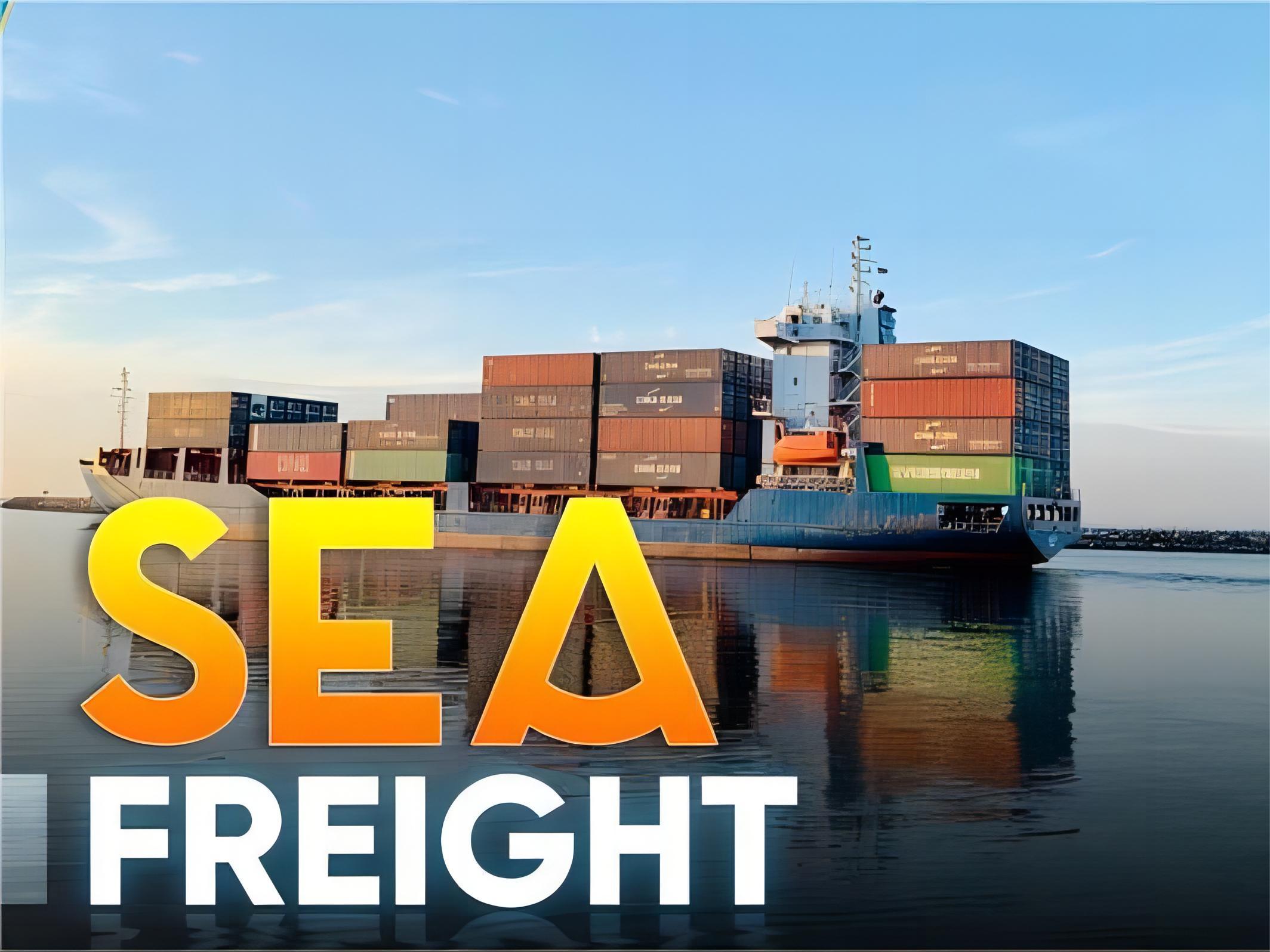
Often the most economical option for large, heavy, or non-urgent shipments, sea freight offers significant cost savings. However, it comes with longer transit times. For a 40HQ container, costs range from $3,000-$4,200 from China to Belgium, with transit times typically between 30-38 days. This method is ideal for bulk goods or products with long lead times, providing a reliable backbone for many supply chains.
Despite its cost-effectiveness, sea freight can be subject to port congestion and weather delays. Origin charges and destination charges also contribute to the total landed cost. Consequently, proper planning is essential to account for potential variations in the delivery schedule, especially during peak seasons. LCL (Less than Container Load) options are also available for smaller volumes, offering flexibility for businesses not requiring a full container.
Rail Freight: A Balanced Speed-Cost Option
Rail freight presents an excellent middle-ground solution, balancing speed and cost for shipments from China to Europe, including Belgium. It is significantly faster than sea freight and more economical than air freight. Typical transit times from major Chinese hubs to European rail terminals are 15-20 days, followed by onward distribution to Belgium.
This method is increasingly popular for its reliability and environmental benefits. However, rail capacity can be limited, and routes may require transshipment, potentially adding a few days to the journey. For instance, a 40HQ container might cost $6,000-$9,000, offering a competitive alternative for businesses seeking a reliable logistics solution China to Belgium without the urgency of air freight.
Furthermore, rail services are less susceptible to adverse weather conditions compared to sea shipping, offering greater predictability. It is particularly suitable for goods that are too time-sensitive for sea but not urgent enough for air. This option provides a robust solution for diverse cargo types.
Air Freight: When Speed is Paramount
For urgent, high-value, or perishable goods, air freight is the fastest option for shipping from China to Belgium. Transit times are typically 3-7 days, making it ideal for just-in-time inventory or critical components. While considerably more expensive, the speed can offset costs through reduced inventory holding and quicker market entry. Air freight for a substantial volume could cost $15,000-$25,000 for equivalent container volume, or typically $4-8 per kg for general cargo.
Air cargo rates are highly variable, influenced by fuel prices, available capacity, and seasonal demand (e.g., pre-holiday rushes). Therefore, securing competitive freight rates requires careful planning and often the assistance of an experienced freight forwarder. Despite the higher price point, the unparalleled speed and reliability make it indispensable for certain types of cargo and business models. This method is crucial for maintaining tight delivery schedules.
Express Services: Fast Delivery for Smaller Shipments
For smaller parcels, documents, or e-commerce shipments, express services (e.g., DHL, FedEx, UPS) offer door-to-door delivery with integrated customs clearance. These services are characterized by speed, tracking, and convenience. Transit times are typically 2-5 days from China to Belgium, including customs processing.
While unit costs can be higher for larger or heavier items compared to traditional air freight, the all-inclusive nature and rapid delivery make it suitable for samples, prototypes, or direct-to-consumer models. Express services often streamline the customs documentation China Belgium process, making them an attractive option for businesses focused on speed and simplicity for their smaller consignments.

The Customs Clearance Process for China-Belgium Shipments
Navigating the customs clearance process is a critical aspect of duty handling China to Belgium. This multi-stage process ensures that all imported goods comply with Belgian and EU regulations, and that all applicable duties and taxes are paid. Consequently, a clear understanding of each stage helps in anticipating potential issues and facilitating a smooth flow of goods. Moreover, proactive engagement with this process can significantly reduce delays.
Pre-Arrival Preparation and Declaration
Before your shipment even arrives in Belgium, extensive preparation is required. This includes accurately classifying goods with correct tariff codes, preparing all necessary documentation, and submitting an import declaration to Belgian customs. Furthermore, ensuring all permits and licenses are in order for restricted goods is vital. This proactive approach minimizes the risk of hold-ups upon arrival.
The accuracy of the customs declaration is paramount. Any discrepancies between the declared information and the actual cargo can lead to inspections, requests for further documentation, and potential fines. Therefore, thoroughness at this stage is a cornerstone of efficient customs clearance China Belgium. Many businesses rely on experienced freight forwarders to manage this complex initial phase.
Inspection and Duty Assessment
Upon arrival at the port or airport, Belgian customs authorities may conduct physical inspections or document checks. Their primary goal is to verify the accuracy of the import declaration, the value of the goods, and their compliance with safety and environmental standards. During this phase, duties and VAT are formally assessed based on the tariff codes and declared value.
Should there be any ambiguities or discrepancies, customs may request additional information or documentation. This can prolong the clearance process. Therefore, having all supporting documents readily available and clear communication with your freight forwarder are crucial. The goal is to facilitate a quick assessment and minimize any potential delays in cargo release.
Release and Final Delivery
Once duties and VAT are paid, and customs clearance is granted, the goods are released from customs control. At this point, they can proceed to their final destination within Belgium. For many importers, this means the goods are transported from the port or airport to a warehouse or directly to the customer. This final leg completes the logistics journey.
Ensuring a seamless transition from customs release to final delivery requires coordination with local transport providers. Consequently, partnering with a freight forwarder who offers integrated logistics solutions, including last-mile delivery, can significantly simplify this stage. This comprehensive approach helps maintain the integrity of the delivery schedule and customer satisfaction.
Optimizing Costs and Mitigating Risks in Duty Handling
Effective duty handling from China to Belgium goes beyond mere compliance; it involves strategic planning to optimize costs and mitigate potential risks. Businesses can significantly reduce their import taxes and improve their overall profitability by implementing smart strategies. This proactive approach ensures financial efficiency and operational resilience in international trade.
Market data suggests that companies actively managing their import processes can save 5-10% on total landed costs annually. This underscores the importance of a detailed strategy for reducing import taxes China Belgium. Therefore, continuous review of your supply chain management and customs procedures is highly recommended for sustained financial benefits.
Strategic Incoterm Selection
Choosing the appropriate Incoterm is a powerful tool for managing costs and responsibilities. For example, DDP (Delivered Duty Paid) places all responsibility, including duties and taxes, on the seller. This simplifies the process for the buyer but can be more costly if the seller’s duty handling is inefficient. Conversely, DAP (Delivered At Place) shifts duty payment responsibility to the buyer.
Understanding the nuances of each Incoterm allows importers to select terms that align with their operational capabilities and risk tolerance. This decision directly impacts who handles the import duties from China to Belgium and the associated administrative burden. Hence, a careful evaluation based on your specific situation is crucial for cost-effective logistics.
Accurate Tariff Classification
Incorrect tariff codes can lead to overpayment of duties or, worse, penalties for underpayment and misdeclaration. Therefore, investing in accurate tariff classification is a critical cost-saving strategy. Products can often fall under multiple classifications, and selecting the most favorable, yet compliant, code requires expertise. This attention to detail can significantly reduce shipping costs China to Belgium.
Professional advice or specialized software can help ensure that your goods are classified correctly, minimizing the risk of customs disputes and optimizing your duty payments. Moreover, keeping up-to-date with changes in tariff codes and Belgian customs regulations for Chinese goods is essential for ongoing compliance and cost efficiency. This vigilance protects against unforeseen expenses.
Utilizing a Professional Customs Brokerage
Partnering with an experienced customs brokerage service can provide invaluable support in navigating the complexities of duty handling. These experts possess in-depth knowledge of tariff codes, customs procedures, and compliance requirements. Consequently, they can ensure accurate documentation, efficient clearance, and help identify potential duty savings or preferential tariff treatments.
A professional customs broker can also act as your liaison with customs authorities, resolving any issues quickly and effectively. This expertise is particularly beneficial for businesses new to international trade or those dealing with complex product categories. Ultimately, leveraging their knowledge helps reduce risks, saves time, and optimizes your overall import duties from China to Belgium.
Real-World Duty Handling Scenarios: China to Belgium
Examining real-world case studies provides practical insights into the challenges and successful strategies for duty handling from China to Belgium. These examples illustrate how different shipping methods and logistical approaches impact costs, transit times, and overall efficiency. Each scenario highlights key considerations for businesses planning their imports. The following cases are based on typical rates as of early 2025.
Case Study 1: Large Volume Industrial Components via Sea Freight
This case illustrates a common scenario for manufacturers importing bulky components where cost-efficiency is prioritized over speed. Effective planning for door-to-door delivery was crucial.
| Detail | Value |
|---|---|
| Route | Shanghai, China Antwerp, Belgium |
| Cargo | Industrial machine parts, 55 CBM, 12,000 kg |
| Container | 1 x 40HQ |
| Shipping Details | |
| – Carrier/Service | COSCO |
| – Port of Loading | Shanghai |
| – Port of Discharge | Antwerp |
| – Route Type | Direct |
| Cost Breakdown | |
| – Ocean Freight | $3,800 |
| – Origin Charges (THC, documentation) | $350 |
| – Destination Charges (Port, handling) | $400 |
| – Customs & Duties (estimated) | $1,500 (5% duty + 21% VAT on D&T value) |
| – Total Landed Cost (estimated) | $6,050 |
| Timeline | |
| – Booking to Loading | 7 days |
| – Sea Transit | 32 days |
| – Customs Clearance | 3 days |
| – Total Door-to-Door | 45 days |
| Key Insight | Cost-effective for bulk, but requires long lead times. Accurate tariff codes prevented delays. |
Case Study 2: Time-Sensitive Electronics via Air Freight
Here, a distributor needed to quickly restock high-demand consumer electronics. Speed was the primary driver, justifying the higher freight rates. Proactive customs clearance China Belgium ensured rapid market entry for these products.
| Detail | Value |
|---|---|
| Route | Shenzhen, China Brussels, Belgium |
| Cargo | Consumer electronics, 3 CBM, 750 kg |
| Container | Air Cargo (General) |
| Shipping Details | |
| – Carrier/Service | Lufthansa Cargo |
| – Port of Loading | Shenzhen |
| – Port of Discharge | Brussels Airport (BRU) |
| – Route Type | Direct |
| Cost Breakdown | |
| – Air Freight | $4,500 ($6.00/kg) |
| – Origin Charges (handling, documentation) | $200 |
| – Destination Charges (terminal handling, security) | $250 |
| – Customs & Duties (estimated) | $800 (0% duty + 21% VAT on D&T value) |
| – Total Landed Cost (estimated) | $5,750 |
| Timeline | |
| – Booking to Loading | 2 days |
| – Air Transit | 2 days |
| – Customs Clearance | 1 day |
| – Total Door-to-Door | 5 days |
| Key Insight | High cost but unbeatable speed for urgent inventory. Pre-clearance minimized airport hold-ups. |
Case Study 3: E-commerce Apparel via Rail LCL
An online fashion retailer required a balance between speed and cost for seasonal apparel collections. Rail LCL proved to be an efficient logistics solution China to Belgium, avoiding the high costs of air freight while being faster than sea.
| Detail | Value |
|---|---|
| Route | Chengdu, China Liege, Belgium |
| Cargo | Fashion apparel, 8 CBM, 1,500 kg |
| Container | Rail LCL (Less than Container Load) |
| Shipping Details | |
| – Carrier/Service | China-Europe Express Rail |
| – Port of Loading | Chengdu |
| – Port of Discharge | Liege (Rail Terminal) |
| – Route Type | Direct Rail |
| Cost Breakdown | |
| – Rail Freight | $1,200 ($150/CBM) |
| – Origin Charges (consolidation, handling) | $180 |
| – Destination Charges (deconsolidation, handling) | $220 |
| – Customs & Duties (estimated) | $600 (12% duty + 21% VAT on D&T value) |
| – Total Landed Cost (estimated) | $2,200 |
| Timeline | |
| – Booking to Loading | 4 days |
| – Rail Transit | 18 days |
| – Customs Clearance | 2 days |
| – Total Door-to-Door | 24 days |
| Key Insight | Excellent balance of speed and cost for mid-sized, semi-urgent goods. Efficient groupage minimized per-unit costs. |
Choosing the Right Logistics Partner for Your Belgium Imports
Selecting the right logistics partner is paramount for successful duty handling China to Belgium. A reliable freight forwarder can offer tailored solutions, expert advice on customs regulations, and efficient execution of your shipping strategy. This partnership is crucial for navigating the complexities of international trade and ensuring compliance. Ultimately, it significantly impacts your supply chain’s effectiveness.
Consider their experience with the China-Europe route, their network in both countries, and their ability to provide comprehensive services. These factors are vital for smooth operations. According to industry benchmarks, partners with strong local connections can reduce customs processing times by up to 20%.
Prioritizing Budget vs. Speed
Your decision framework should always begin with your primary objective. If budget is the absolute priority, sea freight is generally the most economical choice. However, if speed is critical, air freight or express services are indispensable, despite their higher cost. Rail freight offers a compelling compromise, balancing both factors effectively. Therefore, clearly defining your priorities will guide your shipping method selection.
Cargo Characteristics and Volume
The nature of your cargo plays a significant role. Perishable goods, for instance, demand rapid transit, favoring air freight. Conversely, bulky, non-perishable items are better suited for sea or rail. Furthermore, the volume and weight of your shipment will determine whether LCL, FCL, or air cargo options are most cost-effective. These physical attributes directly influence the optimal logistics solution China to Belgium.
Experience with China-Belgium Routes
Opt for a freight forwarder with proven experience in duty handling China to Belgium. Their familiarity with specific port procedures, customs requirements, and local transportation networks can prevent costly errors and delays. Consequently, their expertise in Belgian customs regulations for Chinese goods provides a significant advantage. This specialized knowledge is invaluable for seamless operations.
Conclusion: Mastering Duty Handling for China-Belgium Trade
Navigating the intricacies of duty handling China to Belgium is undoubtedly a complex but manageable process. By understanding Belgian import duties and VAT, preparing accurate documentation, and strategically selecting shipping methods, businesses can ensure compliance and optimize their supply chain. Furthermore, leveraging the expertise of a professional freight forwarder is crucial for mitigating risks and achieving cost efficiencies.
Indeed, successful international trade hinges on meticulous planning and execution in all aspects of logistics. From accurate tariff classification to choosing the right Incoterms, every decision impacts your overall landed costs and delivery schedule. Partnering with a knowledgeable provider like Top China Freight can streamline your imports, allowing you to focus on your core business while we manage the complexities of duty handling and customs clearance.
Start Your Shipment
Ready to simplify your imports and ensure compliant duty handling from China to Belgium? Contact our experts today for a personalized consultation and a competitive quote tailored to your specific shipping needs. Let us help you navigate the complexities of international logistics efficiently and effectively.
Request Quote