

FBA Service China to Singapore: Your Ultimate Shipping Guide
Navigating Top China Freight for Amazon FBA can be complex, especially when shipping from China to Singapore. E-commerce sellers frequently face challenges like fluctuating freight rates, customs regulations, and unpredictable transit times. This comprehensive guide provides solutions for efficient and cost-effective FBA service from China to Singapore, ensuring your products reach Amazon warehouses smoothly.
✦
Understanding Amazon FBA in Singapore: What You Need to Know
Amazon’s Fulfillment by Amazon (FBA) program allows sellers to store their products in Amazon’s fulfillment centers. Consequently, Amazon handles picking, packing, shipping, customer service, and returns for these items. This service is crucial for sellers aiming to scale their e-commerce operations in the competitive Singaporean market.
Furthermore, utilizing FBA in Singapore provides numerous benefits, including faster delivery times for local customers and access to Amazon’s extensive logistics network. Understanding the specific requirements for FBA service China to Singapore is therefore paramount for success.
Choosing Your FBA Shipping Method from China to Singapore
Selecting the right shipping method is a critical decision impacting both your FBA shipping costs China to Singapore and delivery speed. Various options exist, each with distinct advantages and disadvantages, depending on your cargo’s characteristics and urgency. Therefore, a careful evaluation is essential.
| Shipping Method | Cost Range (per kg/CBM) | Transit Time (approx.) | Best For | Limitations |
|---|---|---|---|---|
| Air Freight | $5-10/kg | 3-7 days | Urgent, High-Value, Small Shipments | Higher Cost, Volume Restrictions |
| Sea Freight (LCL) | $50-100/CBM | 15-25 days | Large, Heavy, Non-Urgent Shipments | Longer Transit, Potential Delays |
| Express Shipping | $8-15/kg | 2-5 days | Very Small, Time-Sensitive Parcels | Highest Cost, Weight/Size Limits |
Air Freight for Speed
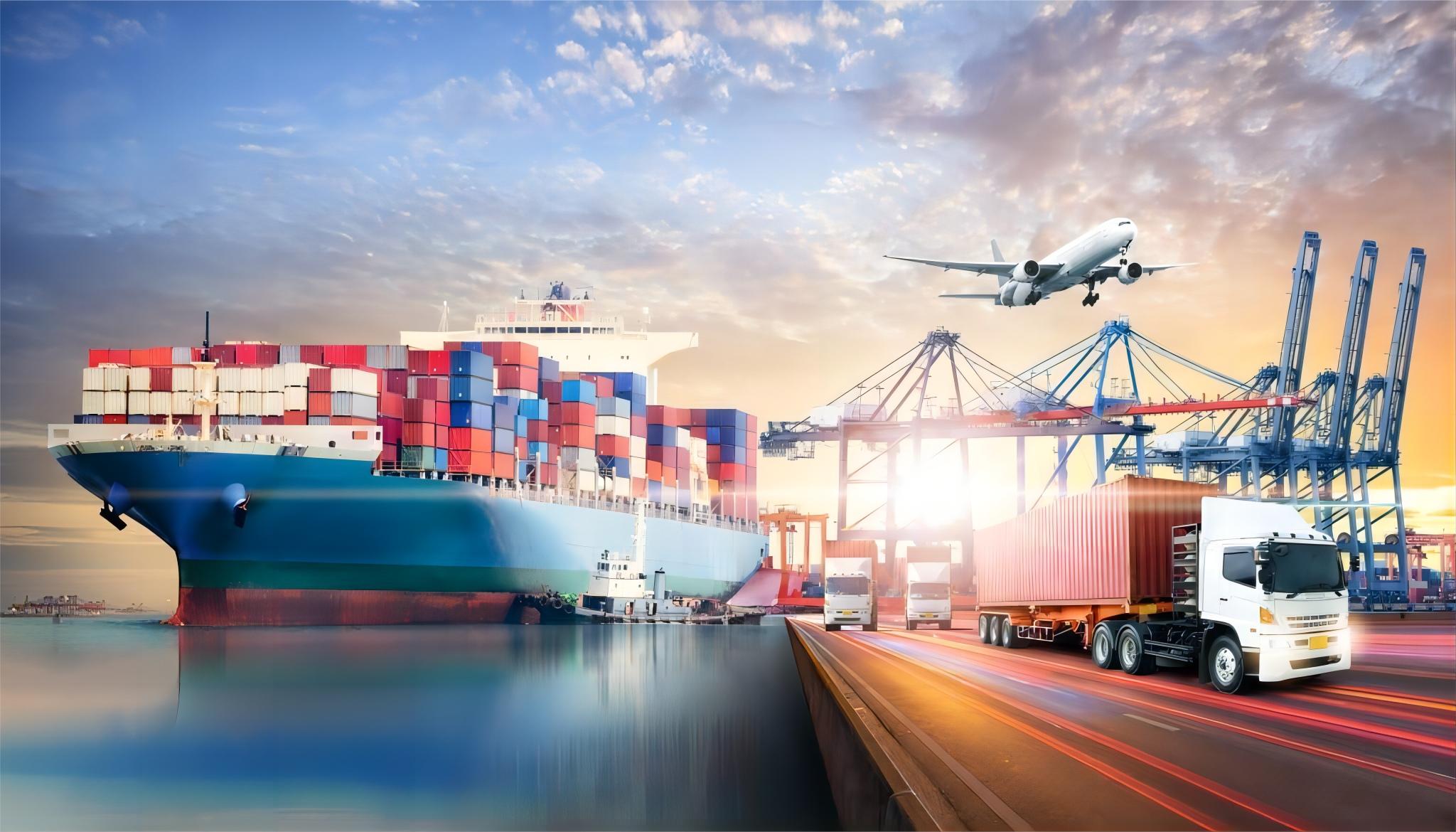
Air freight is the fastest option for shipping products from China to Singapore. It is ideal for high-value, time-sensitive, or smaller shipments where speed is paramount. However, air freight typically comes with a higher price tag compared to sea freight. Transit times usually range from 3 to 7 days.
For urgent inventory replenishment or new product launches, air freight provides an unparalleled advantage. Moreover, it significantly reduces the overall lead time for your products to reach Amazon’s Singapore FBA warehouses. This method is often chosen for its reliability and quick turnaround.
Sea Freight for Cost-Effectiveness
Sea freight is the most economical choice for larger or heavier shipments, making it popular for businesses focused on reducing FBA shipping costs China to Singapore. While slower, it offers substantial cost savings, particularly for bulk inventory. Standard transit times via sea freight typically range from 7 to 14 days port-to-port, plus additional time for customs and last-mile delivery.
Consider LCL (Less than Container Load) for shipments under 15 CBM or FCL (Full Container Load) for larger volumes. Consequently, planning well in advance is crucial when opting for sea freight due to longer transit times. This method is a cornerstone for sustainable supply chains.
Express Shipping for Small Parcels
For very small, lightweight, or sample shipments, express services like DHL, FedEx, or UPS offer door-to-door delivery. These services are known for their speed and comprehensive tracking. Although often more expensive per kg than regular air freight, they simplify the process for small volumes.
This option is particularly useful for initial product samples or urgent, small-scale replenishments. The convenience of express service often outweighs the higher cost for specific scenarios. Furthermore, they handle much of the documentation, simplifying the process for sellers.
How Does FBA Service China to Singapore Compare to Other Shipping Options?
When planning your FBA service China to Singapore, it’s vital to compare various logistics strategies beyond just the primary shipping modes. Each approach offers different trade-offs in terms of cost, speed, and overall complexity. Understanding these alternatives helps in making informed decisions for your supply chain.
Based on current market rates as of Q1 2025, freight rates for this route remain competitive, though subject to fuel surcharges and carrier capacity. Therefore, considering all viable options is crucial for optimizing your operations.
| Shipping Method | Cost Range (USD) | Transit Time (Days) | Best For | Limitations |
|---|---|---|---|---|
| Air Express (DDU/DDP) | $8-15/kg | 3-7 | Small, Urgent, High-Value | Highest Cost, Weight/Size Limits |
| Air Cargo (Airport to Airport) | $4-8/kg | 5-10 | Medium Urgency, Larger Air Shipments | Requires Local Clearance/Delivery |
| Sea LCL (Port to Port) | $50-100/CBM | 15-25 | Cost-Effective, Moderate Volume | Longer Transit, Potential Delays |
| Sea FCL (Port to Port) | $600-1200/container (20GP) | 12-20 | Large Volume, Best Unit Cost | High upfront cost, requires full container volume |
Decision Framework: Which Option Should You Choose?
Making the right choice for your FBA logistics involves evaluating your specific business needs against available options. Consider your budget, the urgency of your shipment, and the nature of your cargo. Each factor plays a significant role in determining the most suitable shipping strategy.
Moreover, seasonal variations can impact both rates and transit times, especially during peak seasons like Chinese New Year or Q4. Always obtain a current quote to reflect real-time market conditions. This proactive approach helps in managing expectations and costs effectively.
Essential Steps for Smooth FBA Shipments to Singapore
Ensuring a seamless FBA service China to Singapore requires meticulous planning and execution across several key stages. From coordinating with your supplier to managing customs, each step is vital for avoiding delays and unexpected costs. A structured approach minimizes potential issues.
Supplier Coordination and Quality Control
Firstly, effective communication with your Chinese supplier is fundamental. Confirm product specifications, packaging requirements, and production timelines. Implementing quality control checks before shipment departure helps prevent costly returns and customer dissatisfaction down the line. This proactive measure saves time and resources.
Additionally, ensure your supplier understands Amazon’s strict packaging guidelines for FBA. This prevents rework at the Amazon warehouse and potential rejection of your shipment. Clear instructions from the outset are invaluable.
FBA Prep and Labeling
Amazon has specific requirements for how products are prepared and labeled for FBA. This includes FNSKU labels for individual units, box labels for cartons, and pallet labels for palletized shipments. Incorrect labeling can lead to delays, fees, or even refusal of your inventory.
Many FBA fulfillment services China offer comprehensive prep services, including polybagging, bundling, and labeling. Utilizing these services ensures compliance and saves you significant time and effort. Proper Amazon FBA prep is a non-negotiable step for smooth delivery.
Customs Clearance and Documentation
Navigating Singaporean customs for FBA imports is a complex but crucial part of the process. Accurate documentation, including commercial invoices, packing lists, and bills of lading, is essential. Furthermore, correct HS codes and declared values are necessary to calculate duties and taxes correctly.
Partnering with an experienced customs brokerage service is highly recommended. They can ensure compliance with all import regulations, handle all necessary paperwork, and expedite the clearance process. This minimizes the risk of delays and penalties, crucial for maintaining your delivery schedule.
Note: Freight rates are subject to change based on fuel costs, carrier capacity, and seasonal demand. Contact us for a current quote tailored to your specific shipment.
| Document | Purpose | Notes |
|---|---|---|
| Commercial Invoice | Declaration of goods and value for customs | Must match packing list and B/L |
| Packing List | Details of contents, weight, dimensions per carton | Crucial for customs and inventory checks |
| Bill of Lading (B/L) / Air Waybill (AWB) | Contract between shipper and carrier | Proof of shipment and ownership |
| Certificate of Origin | Proves country of manufacture | May be required for preferential duties |
| Import Permit/License | Required for certain regulated goods | Check Singaporean regulations beforehand |
Last-Mile Delivery to Amazon SG
Once cleared through customs, your shipment needs to be delivered to the designated Amazon fulfillment center in Singapore. Amazon has strict appointment scheduling requirements for deliveries. Your freight forwarder must book a delivery slot in advance to avoid rejection or long waiting times.
Many forwarders offer door to door services, which include this final delivery step. This ensures a complete, hassle-free FBA logistics China to SG solution. This final leg is critical for timely inventory check-in at Amazon.
Cost Factors Influencing FBA Shipping from China to Singapore
Understanding the various components of FBA shipping costs China to Singapore is key to accurate budgeting and pricing strategies. Several factors contribute to the overall expense, extending beyond just the primary freight rate. Being aware of these helps in managing your total landed cost effectively.
Market data suggests that freight rates can fluctuate significantly due to global logistics trends and geopolitical events. Therefore, always factor in potential variations when planning your budget.
Freight Rates (Air, Sea, Express)
This is the primary cost, calculated based on weight, volume, and chosen shipping method. Air freight is generally more expensive per kilogram than sea freight. Express shipping, while fast, often carries the highest per-unit cost for FBA fulfillment services China. Rates are dynamic and depend on market demand and capacity.
Origin and Destination Charges
Origin charges include costs like pick-up from the supplier, warehousing, FBA prep, labeling, and export customs clearance in China. Destination charges in Singapore cover port/airport handling fees, local transportation, and import customs clearance. These fees can add a significant amount to your total FBA costs.
Customs Duties and Taxes (GST)
Singapore imposes Goods and Services Tax (GST) on imported goods, currently at 9% as of early 2024. Import duties may also apply depending on the product’s HS code and origin. These are calculated based on the declared value of your goods. DDP FBA China to Singapore services can simplify this by including these costs upfront.
It is important to classify your products correctly to avoid overpaying or underpaying duties, which can lead to penalties. A reliable FBA forwarder China Singapore can assist with accurate classification. This prevents unexpected charges and delays during customs processing.
Insurance and Other Fees
Cargo insurance is highly recommended to protect against loss or damage during transit. Additionally, there might be surcharges for fuel, peak season, or specific handling requirements. Always clarify all potential fees with your freight forwarder upfront to avoid surprises. This ensures full transparency in your shipping expenses.
Optimizing Your FBA Supply Chain: Strategies and Tips
To maximize profitability and efficiency for your FBA service China to Singapore, implementing effective supply chain optimization strategies is crucial. This involves smart inventory management, strategic shipping choices, and leveraging expert partnerships. Proactive planning leads to significant savings and smoother operations.
Consolidation of Shipments
If you source from multiple suppliers in China, consolidating your goods into one larger shipment can significantly reduce per-unit shipping costs. A freight forwarder can collect products from various vendors and combine them into a single sea freight or air freight consignment. This strategy is particularly effective for LCL shipments.
This approach streamlines customs clearance and reduces handling fees at both origin and destination. Consequently, it leads to more efficient FBA logistics China to SG. Consolidation is a key method for optimizing FBA shipments China.
Strategic Inventory Planning
Accurate forecasting and inventory planning are vital to avoid stockouts or excessive storage fees. Utilize Amazon’s sales data and your own historical performance to predict demand. This allows you to choose the most appropriate shipping method and timing.
Furthermore, consider a hybrid approach: use faster air freight for initial stock or fast-moving items, and slower sea freight for bulk replenishment. This balances speed and cost effectively. Proper inventory management is central to reducing overall FBA costs.
Choosing a Reliable FBA Forwarder
Partnering with a reputable and experienced freight forwarder specializing in FBA service China to Singapore is perhaps the most critical decision. A good forwarder understands Amazon’s requirements, manages customs efficiently, and provides transparent communication. They can guide you through complex processes.
Moreover, look for a forwarder that offers end-to-end solutions, including FBA prep, customs clearance, and last-mile delivery to Amazon’s fulfillment centers. A reliable FBA forwarder China Singapore acts as an extension of your team, ensuring smooth operations. This partnership is invaluable for scaling your business.
Utilizing DDP Services
Delivered Duty Paid (DDP) is an Incoterm where the seller (or their forwarder) assumes all risks and costs associated with transporting goods until they are delivered to the buyer. This includes all duties and taxes. For FBA sellers, a DDP FBA China to Singapore service simplifies the process by providing a single, all-inclusive cost.
This service eliminates unexpected charges and responsibilities for the Amazon seller, making budgeting much easier. Consequently, it’s an excellent option for those seeking a hassle-free shipping experience and predictable FBA requirements Singapore. This ensures a smoother import process.
Case Studies: Real-World FBA Service China to Singapore Shipments
Examining real-world scenarios helps illustrate the practical application of different shipping strategies and their outcomes. These case studies highlight typical challenges and successful approaches for FBA service China to Singapore. They provide tangible examples of efficient logistics planning.
Case Study 1: Urgent Electronics via Air Express
A fast-growing e-commerce brand needed to quickly replenish stock of popular small electronics before a major sales event. Speed was the absolute priority over cost, necessitating a rapid FBA service China to Singapore solution. Their inventory levels were critically low.
| Detail | Description |
|---|---|
| Route | Shenzhen, China -> Singapore |
| Cargo | Small Electronics, 0.5 CBM, 150 kg |
| Container | Small Parcel (Air Express) |
| Shipping Details | Carrier/Service: DHL Express; Port of Loading: Shenzhen; Port of Discharge: Singapore Changi Airport; Route Type: Direct |
| Cost Breakdown | Air Freight: $1,200; Origin Charges: $80; Destination Charges: $50; Customs & Duties (estimated): $110; Total Landed Cost: $1,440 (Based on Q3 2024 market rates) |
| Timeline | Booking to Loading: 1 day; Air Transit: 2 days; Customs Clearance: 1 day; Total Door-to-Door: 4 days |
| Key Insight | Fastest FBA shipping China to Singapore ensured stock was available for the sales event, despite higher per-unit cost. |
Case Study 2: Apparel Bulk Order via Sea LCL
A clothing brand regularly ships apparel from multiple factories in China to Amazon FBA Singapore. They prioritize cost-effectiveness for their regular replenishment orders. Therefore, they opted for an optimized LCL shipment strategy. This approach helps manage their FBA shipping costs China to Singapore effectively.
| Detail | Description |
|---|---|
| Route | Yiwu, China -> Singapore |
| Cargo | Assorted Apparel, 8 CBM, 1200 kg |
| Container | LCL 8 CBM |
| Shipping Details | Carrier/Service: Major NVOCC; Port of Loading: Ningbo; Port of Discharge: Port of Singapore; Route Type: Direct |
| Cost Breakdown | Ocean Freight: $560; Origin Charges: $180; Destination Charges: $150; Customs & Duties (estimated): $200; Total Landed Cost: $1,090 (Typical rates as of early 2025) |
| Timeline | Booking to Loading: 5 days; Sea Transit: 10 days; Customs Clearance: 3 days; Total Door-to-Door: 18 days |
| Key Insight | Consolidating from multiple suppliers into one LCL shipment significantly reduced per-unit costs, ideal for regular, non-urgent inventory. |
Case Study 3: Home Goods via DDP Sea LCL
A small business importing home decor items preferred a hassle-free, all-inclusive shipping solution for their FBA service China to Singapore. They wanted to avoid managing customs and local delivery themselves. Therefore, they chose a DDP (Delivered Duty Paid) service for simplicity and predictability.
| Detail | Description |
|---|---|
| Route | Shanghai, China -> Singapore |
| Cargo | Home Decor Items, 3 CBM, 300 kg |
| Container | LCL 3 CBM |
| Shipping Details | Carrier/Service: Specialist DDP FBA Forwarder; Port of Loading: Shanghai; Port of Discharge: Port of Singapore; Route Type: Direct DDP |
| Cost Breakdown | Total DDP Cost: $580 (includes all freight, duties, taxes, delivery); (Based on Q4 2024 market rates) |
| Timeline | Booking to Loading: 4 days; Sea Transit: 12 days; Customs Clearance: Included; Total Door-to-Door: 19 days |
| Key Insight | DDP FBA China to Singapore service offered a predictable total cost and minimal administrative burden, perfect for smaller operations focused on ease of use. |
Navigating Singaporean Customs for FBA Imports
Successful FBA service China to Singapore hinges on efficient customs clearance. Singapore has well-defined import regulations that must be adhered to. Incorrect documentation or classification can lead to significant delays and penalties, impacting your delivery schedule and costs.
Understanding the specific FBA requirements Singapore for imports is therefore critical. Proactive preparation of all necessary documents and accurate declaration are key to a smooth process. This minimizes potential disruptions to your supply chain.
Required Documents and Declarations
For all imports, you will need a commercial invoice, packing list, and Bill of Lading (for sea freight) or Air Waybill (for air freight). Additionally, an import permit may be required for controlled goods. Ensure all details match across documents to prevent discrepancies.
Accurate product descriptions and HS codes are paramount. Incorrect classification can lead to incorrect duty/GST calculations or even seizure of goods. This is where expert customs clearance Singapore FBA services become invaluable.
HS Codes, Duties, and GST
Every product has a Harmonized System (HS) code, which determines the applicable import duties and taxes. Singapore’s Goods and Services Tax (GST) applies to most imports. It is crucial to determine these accurately before shipment. The current GST rate is 9%.
Some goods may be exempt from duties under free trade agreements, but this requires proper documentation like a Certificate of Origin. Always consult with a customs expert or use official Singapore Customs resources to verify these details. This helps in calculating the true FBA shipping costs China to Singapore.
Why Partner with Top China Freight for Your FBA Service China to Singapore?
Choosing the right logistics partner can significantly impact the success of your Amazon FBA business in Singapore. Top China Freight offers a comprehensive and reliable FBA service China to Singapore, designed to streamline your supply chain. We prioritize efficiency, cost-effectiveness, and transparent communication.
Our extensive network and deep understanding of both Chinese export and Singaporean import regulations ensure your shipments are handled with expertise. We provide tailored solutions, from FBA prep in China to customs clearance and final delivery to Amazon’s fulfillment centers. This makes us a leading choice for optimizing FBA shipments China.
Conclusion: Master Your FBA Service China to Singapore
Successfully navigating the complexities of FBA service China to Singapore requires strategic planning, an understanding of various shipping methods, and meticulous attention to detail. From choosing between air and sea freight to mastering customs clearance and FBA prep, every step impacts your bottom line and customer satisfaction.
By leveraging the right strategies, such as consolidation, DDP services, and partnering with a reliable FBA forwarder China Singapore, you can optimize your supply chain. This ensures your products reach Amazon’s fulfillment centers efficiently and cost-effectively, empowering your e-commerce growth. Ultimately, a well-executed FBA service China to Singapore is a cornerstone for success.