

LCL Shipping China to UK: Your Ultimate Guide
Less than Container Load (LCL) shipping from China to UK offers a cost-effective solution for businesses with smaller cargo volumes. This method allows you to share container space, significantly reducing freight expenses. Understanding the intricacies of this process is crucial for smooth international trade, ensuring your goods arrive on time and within budget. For comprehensive logistics solutions, visit Top China Freight.

What is LCL Shipping and How Does it Work?
LCL, or Less than Container Load, refers to the shipping method where your goods do not fill an entire shipping container. Instead, your cargo is consolidated with shipments from other companies destined for the same port. This process optimizes space utilization within a container.
Typically, a freight forwarder collects various LCL shipments from multiple suppliers. Subsequently, these items are loaded into a single container, which then travels by sea freight to the destination country. Upon arrival, the container is deconsolidated, and individual shipments are prepared for final delivery. This method is particularly beneficial for smaller businesses or those with irregular shipping needs.
Why Choose LCL Shipping from China to UK?
Opting for LCL shipping provides several distinct advantages, especially for businesses importing from China to the UK. Primarily, it offers significant cost savings compared to booking a full container (FCL), making it ideal for small to medium-sized shipments. You only pay for the space your cargo occupies.
Moreover, LCL shipping enhances flexibility by allowing you to ship goods more frequently without waiting to accumulate enough cargo for an FCL. This can improve your inventory management and supply chain responsiveness. It also reduces storage costs at origin, as goods can be moved promptly. Consequently, this method supports agile business operations and reduces financial burden on inventory.
Furthermore, LCL services often include comprehensive logistics support, from pickup to customs clearance and final delivery. This end-to-end service simplifies the complex process of international shipping. Therefore, it is a convenient option for businesses seeking a streamlined import process. Many providers offer door-to-door services, adding to its appeal.
Understanding LCL Shipping Costs from China to UK
The cost of LCL shipping from China to UK is influenced by several key factors. These include the volume and weight of your cargo, the origin and destination ports, current freight rates, and any additional services required. Market conditions, such as fuel prices and carrier capacity, also play a significant role.
Typically, LCL freight rates are calculated based on either the volumetric weight or the actual weight, whichever is greater. This is often expressed per cubic meter (CBM) or per 1000 kg. Additionally, you will incur charges for origin handling, ocean freight, destination handling, and customs clearance. It is essential to get a detailed quote to understand the full landed cost.
Based on current market rates (Q1 2025), LCL costs from major Chinese ports to the UK can range from $70-$120 per CBM, excluding local charges and duties. These rates can fluctuate significantly. Therefore, obtaining an up-to-date quote is always recommended. Always factor in potential surcharges for peak seasons or specific cargo types. Ultimately, securing competitive freight rates is paramount.

How Long Does LCL Shipping from China to UK Take?
The transit time for LCL shipping from China to UK typically ranges from 30 to 45 days. This duration encompasses various stages, including cargo consolidation at the origin port, ocean transit, and deconsolidation at the destination. Several factors can influence this timeline, however.
Firstly, the specific origin port in China and the destination port in the UK will affect the direct sailing time. For instance, shipments from Shanghai or Ningbo to Felixstowe or Southampton might have slightly different schedules. Secondly, port congestion and customs clearance procedures at both ends can introduce delays. Therefore, it is wise to factor in buffer time.
Furthermore, the efficiency of the freight forwarder in managing consolidation and deconsolidation processes also impacts the overall transit time. During peak seasons, such as before major holidays, transit times may extend due to increased demand. Planning ahead and using a reliable service provider can help mitigate these potential delays. Always confirm the estimated delivery schedule with your chosen logistics partner. For faster options, consider express service or air freight.
Navigating Customs and Documentation for UK Imports
Importing goods into the UK from China via LCL shipping requires careful attention to customs procedures and documentation. Proper preparation ensures a smooth and timely clearance process. Indeed, errors or omissions can lead to significant delays and additional costs. Therefore, understanding the requirements beforehand is critical.
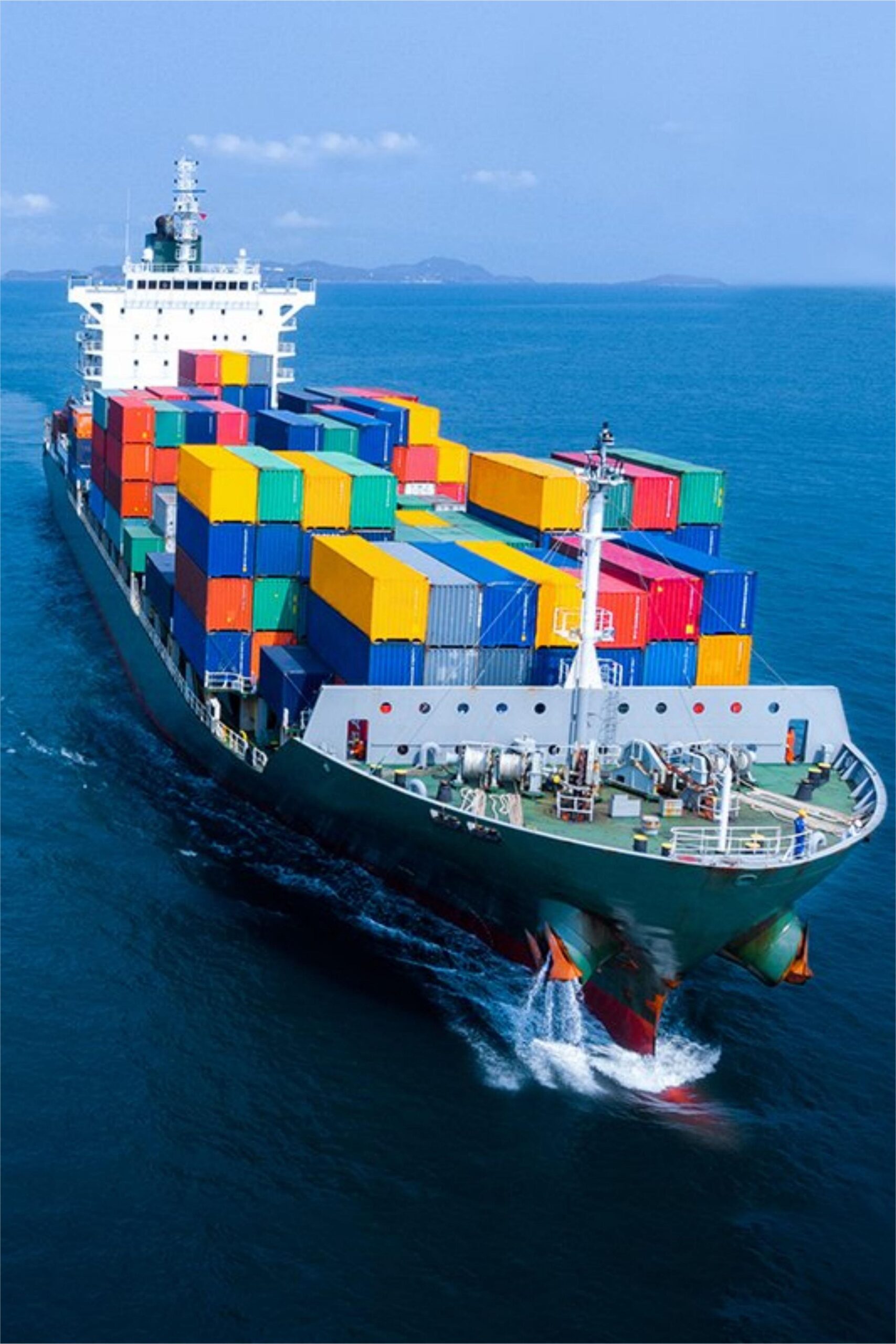
Key documents typically include the commercial invoice, packing list, bill of lading (B/L), and an import declaration. Depending on the goods, you might also need certificates of origin, licenses, or specific product compliance documents. Accurate classification of your goods using the Harmonized System (HS) codes is also vital for correct duty and tax assessment.
Upon arrival in the UK, your goods will undergo customs inspection and clearance. Import duties and VAT will be assessed based on the declared value and commodity code. Engaging a professional customs brokerage service can significantly streamline this process. They can handle all necessary paperwork and ensure compliance with UK regulations. This expertise helps prevent costly mistakes and accelerates release of your cargo.
It is important to note that post-Brexit, new customs procedures apply for goods entering the UK. Consequently, importers must be aware of these updated regulations. Always ensure your supplier provides accurate and complete documentation to avoid complications.
| Document | Purpose | Notes |
|---|---|---|
| Commercial Invoice | Details of goods, value, seller/buyer | Used for customs valuation |
| Packing List | Itemized list of contents, weights, dimensions | Aids in cargo inspection |
| Bill of Lading (B/L) | Contract between shipper and carrier, title to goods | Proof of shipment and ownership |
| Certificate of Origin | Confirms country of manufacture | May be required for preferential tariffs |
| Import Declaration | Formal declaration to UK customs | Submitted by importer or broker |
How Does LCL Shipping Compare to Other Shipping Options?
When considering LCL shipping from China to UK, it is beneficial to compare it with other available freight methods. Each option presents unique advantages and disadvantages concerning cost, speed, and suitability for different cargo types. Making an informed decision is crucial for optimizing your supply chain. Therefore, a comprehensive overview is presented below.
While LCL is cost-effective for smaller volumes, Full Container Load (FCL) offers better per-unit costs for larger shipments. Air freight, conversely, provides significantly faster transit times but at a much higher cost. Moreover, express services are the fastest but are generally reserved for very small, urgent, or high-value items. Therefore, understanding these trade-offs is essential.
For instance, if you are shipping 5 CBM of goods, LCL at $70-120/CBM might cost $350-$600 for ocean freight alone. A 20GP FCL container, however, typically costs $2,000-$2,800 for ocean freight from China to UK (as of Q1 2025). This shows that for volumes less than 15 CBM, LCL is often more economical. However, for 15 CBM or more, FCL might become more viable. Always evaluate your specific needs.
| Shipping Method | Cost Range (Ocean/Air Freight) | Transit Time | Best For | Limitations |
|---|---|---|---|---|
| LCL Sea Freight | $70-$120/CBM | 30-45 days | Small to medium volumes (1-15 CBM) | Longer transit, potential for delays |
| FCL Sea Freight | $2,000-$4,500/container | 30-40 days | Large volumes (15+ CBM), dedicated space | Higher fixed cost, requires larger volume |
| Air Freight | $4-$8/kg | 5-10 days | Urgent, high-value, perishable goods | High cost, weight/volume restrictions |
| Express Service | $8-$15/kg | 3-7 days | Very small, urgent parcels/samples | Highest cost, strict size/weight limits |
Optimizing Your LCL Shipments: Tips and Best Practices
To ensure a smooth and efficient LCL shipping experience from China to UK, several best practices can be adopted. These strategies help minimize costs, reduce transit times, and avoid potential complications. Indeed, proactive planning is key to successful international logistics.
Firstly, consolidate your orders from multiple suppliers whenever possible. This maximizes the efficiency of your LCL shipment and can lead to better freight rates. Working with a freight forwarder who offers consolidation services at origin is highly beneficial. Moreover, ensuring all cargo is well-packaged and labeled correctly is crucial for safe transit.
Secondly, pay close attention to documentation accuracy. Any discrepancies in commercial invoices or packing lists can cause significant customs delays. Therefore, double-check all paperwork before shipment. Consider cargo insurance to protect against loss or damage during transit, which provides peace of mind.
Finally, choose a reputable and experienced freight forwarder. A good forwarder will offer transparent pricing, reliable communication, and expertise in both Chinese export and UK import regulations. They can also provide valuable advice on optimizing your Amazon FBA shipments or other specific delivery needs. This partnership is invaluable for navigating the complexities of global trade.
Real-World Success: LCL Shipping Case Studies
Examining real-world scenarios provides practical insights into the benefits and challenges of LCL shipping from China to UK. These case studies illustrate how businesses leverage LCL to meet their unique supply chain demands. Based on Q3 2024 market rates, these examples offer a realistic perspective on costs and timelines.
Case Study 1: E-commerce Retailer Importing Apparel
A small e-commerce business in London needed to replenish its stock of seasonal apparel from multiple factories in Guangzhou. They had several smaller orders that didn’t warrant a full container. Consequently, LCL shipping was the ideal solution for their needs.
| Detail | Description |
|---|---|
| Route | Guangzhou, China -> Felixstowe, UK |
| Cargo | Apparel (textiles), 8 CBM, 1500 kg |
| Container | LCL 8 CBM |
| Shipping Details | Carrier: COSCO, Port of Loading: Nansha, Port of Discharge: Felixstowe, Route Type: Direct |
| Cost Breakdown | Ocean Freight: $720, Origin Charges: $250, Destination Charges: $350, Customs & Duties (estimated): $400, Total Landed Cost: $1,720 |
| Timeline | Booking to Loading: 5 days, Sea Transit: 32 days, Customs Clearance: 3 days, Total Door-to-Door: 40 days |
| Key Insight | Consolidating from multiple suppliers into one LCL shipment saved significantly on freight costs compared to individual air shipments. This allowed for more frequent stock replenishment. |
Case Study 2: Small Manufacturer Importing Components
A UK-based electronics manufacturer required a regular supply of specialized components from Shenzhen. Their order volume was consistent but too small for an FCL. Therefore, LCL provided the necessary regularity and cost efficiency.
| Detail | Description |
|---|---|
| Route | Shenzhen, China -> Southampton, UK |
| Cargo | Electronic components, 4.5 CBM, 800 kg |
| Container | LCL 4.5 CBM |
| Shipping Details | Carrier: Maersk, Port of Loading: Yantian, Port of Discharge: Southampton, Route Type: Transshipment via Singapore |
| Cost Breakdown | Ocean Freight: $450, Origin Charges: $200, Destination Charges: $300, Customs & Duties (estimated): $250, Total Landed Cost: $1,200 |
| Timeline | Booking to Loading: 7 days, Sea Transit: 35 days, Customs Clearance: 4 days, Total Door-to-Door: 46 days |
| Key Insight | Despite a slightly longer transit due to transshipment, the cost savings for these consistent, smaller shipments were substantial. Reliable scheduling allowed for proactive inventory planning. |
Making the Right Choice: Which Shipping Option is Best for You?
Deciding on the optimal shipping method for your goods from China to UK depends heavily on your specific business priorities. A clear understanding of your budget, time constraints, and cargo characteristics will guide your decision. Indeed, there is no one-size-fits-all solution in logistics.
If your **budget is the top priority** and you have a small to medium volume of goods (1-15 CBM), **LCL sea freight** is generally the most cost-effective solution. It allows you to minimize per-shipment costs by sharing container space. However, be prepared for longer transit times.
Conversely, if **speed is paramount** for urgent orders or high-value items, **air freight or express service** is recommended. While significantly more expensive, these options drastically reduce transit times. This can be crucial for maintaining tight production schedules or responding quickly to market demand.
For **large volumes (over 15 CBM)**, **FCL sea freight** typically offers the best value. It provides dedicated container space, which can sometimes result in faster transit than LCL due to fewer handling points. Moreover, it is often more secure for sensitive cargo. Consider your cargo type as well: fragile or hazardous goods might benefit from dedicated container space or specialized air cargo handling. Market data suggests that for a 20GP container, the cost-efficiency greatly improves compared to multiple LCL shipments once volume thresholds are met.
Remember: Freight rates are subject to change based on fuel costs, carrier capacity, and seasonal demand. Contact us for a current quote tailored to your specific shipment.
Conclusion: Navigating LCL Shipping China to UK Successfully
In summary, LCL shipping from China to UK presents an invaluable solution for businesses handling smaller cargo volumes. It offers a cost-effective and flexible alternative to full container loads, provided you understand its nuances. Careful planning, accurate documentation, and choosing a reliable freight partner are paramount for success.
By considering factors like costs, transit times, and customs requirements, you can make informed decisions to optimize your supply chain. Ultimately, efficient LCL shipping China to UK ensures your goods reach their destination smoothly, contributing to your business growth. Partnering with experienced logistics providers like Top China Freight can simplify this complex process significantly.
Get Your Shipping Quote Today
Ready to streamline your LCL shipping from China to UK? Contact our logistics experts today for a personalized quote and discover how we can optimize your supply chain. We are here to help you navigate international freight with confidence.
Request Quote