

Freight Forwarding China to Italy: Your Ultimate Shipping Guide
Navigating freight forwarding from China to Italy presents unique challenges, however, with the right partner, businesses can achieve seamless logistics. This comprehensive guide from Top China Freight will illuminate the most efficient strategies for your cargo, ensuring timely and cost-effective delivery. Understanding the intricacies of this route is crucial for optimizing your supply chain and enhancing profitability.
How Does Freight Forwarding China to Italy Work?
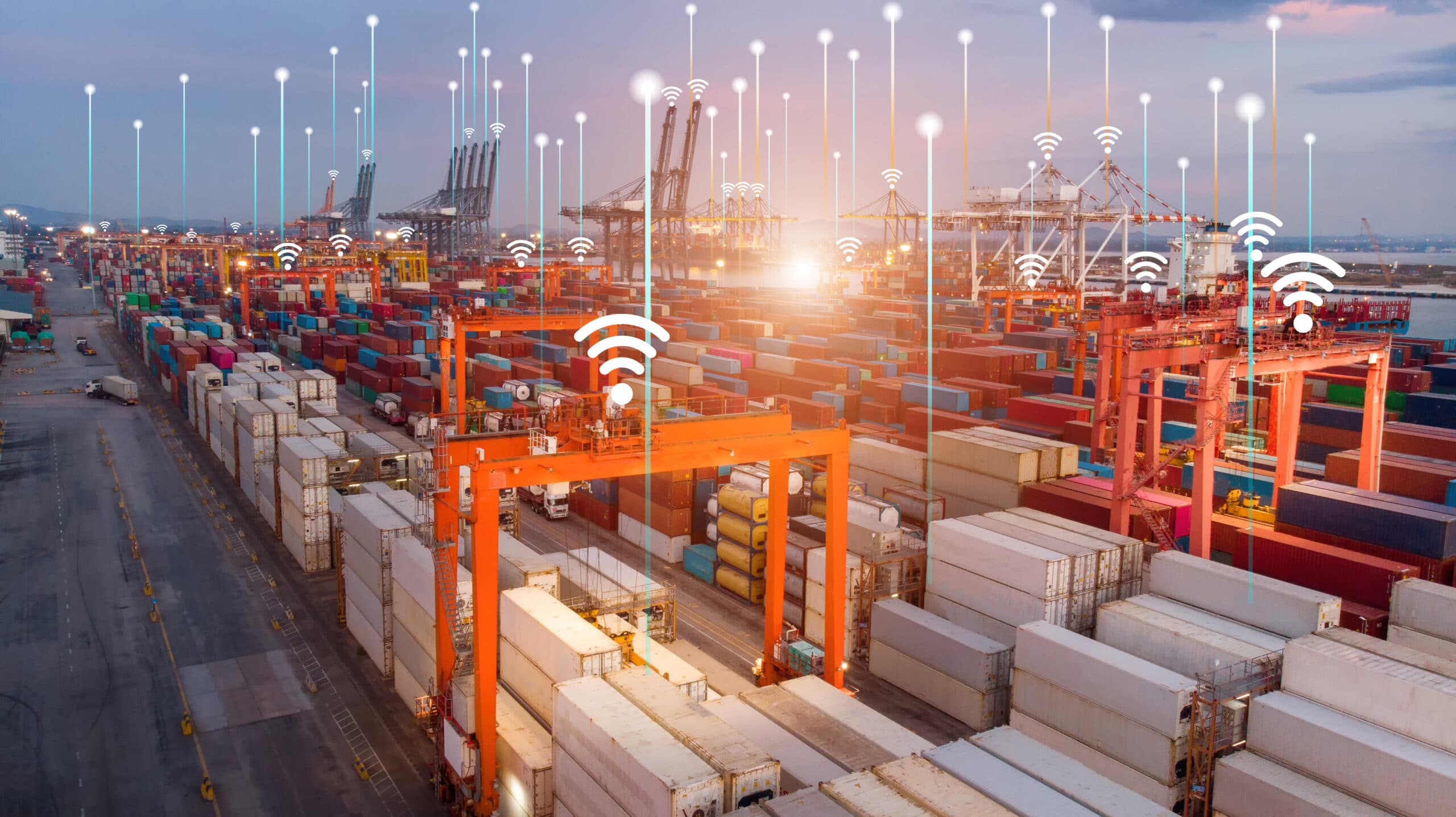
Shipping goods from China to Italy involves a complex network of logistics, carriers, and regulatory processes. Essentially, freight forwarding acts as an intermediary, managing the entire journey from your supplier’s factory to your final destination in Italy. This includes everything from documentation to customs clearance.
Choosing an experienced freight forwarder simplifies the process considerably. They handle the coordination of various transportation modes, ensuring your cargo moves efficiently across continents. Consequently, businesses can focus on their core operations rather than the complexities of international shipping.
Understanding Your Shipping Options: Sea, Air, and Rail Freight
When planning your freight forwarding from China to Italy, selecting the appropriate shipping method is paramount. Each option offers distinct advantages in terms of cost, speed, and capacity. Therefore, evaluating your specific needs, such as cargo type and urgency, is critical for an informed decision.
Consider the various factors that influence your choice, including budget constraints, desired transit time, and the volume of goods. For instance, perishable goods often require faster air freight, while bulk commodities typically favor more economical sea transport. Moreover, rail freight provides a compelling balance between these two.
| Shipping Method | Cost Range (per kg) | Transit Time | Best For | Limitations |
|---|---|---|---|---|
| Sea Freight (FCL) | $0.05 – $0.20 | 28-35 days | Large volume, heavy goods, non-urgent | Slow, port congestion risk |
| Sea Freight (LCL) | $0.15 – $0.40 | 35-45 days | Smaller shipments (1-15 CBM), cost-sensitive | Longer transit, potential delays |
| Air Freight | $4.00 – $8.00 | 5-7 days | Urgent, high-value, perishable goods | High cost, weight/volume restrictions |
| Rail Freight | $1.00 – $2.50 | 18-25 days | Mid-sized, semi-urgent, cost-effective | Limited routes, capacity constraints |
Sea Freight: Economical for Large Volumes
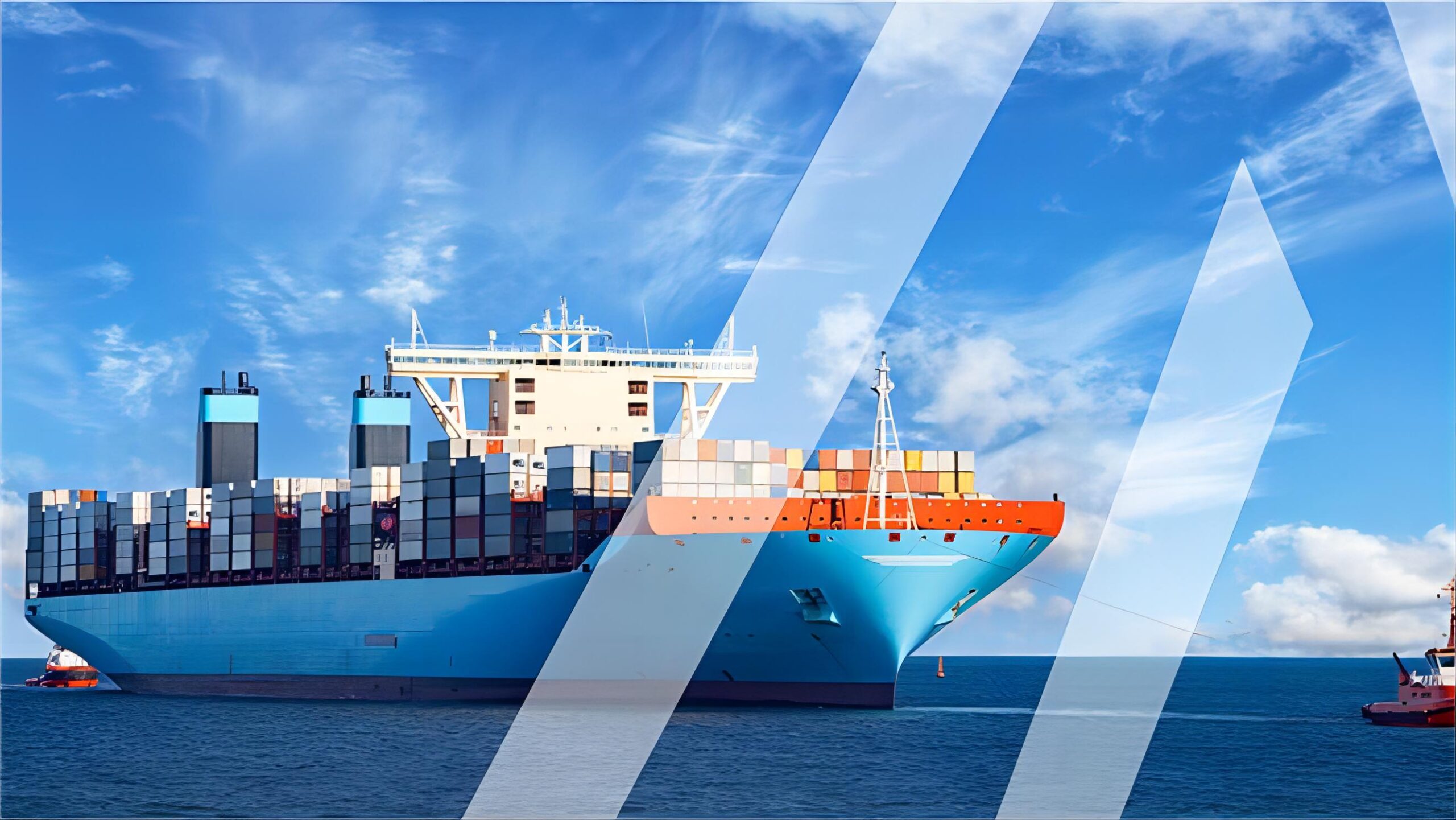
Opting for sea freight is generally the most cost-effective solution for large or heavy shipments. Vessels transport goods in containers (FCL or LCL) across vast oceans, offering significant capacity. However, the transit times are considerably longer compared to other methods.
Typically, sea freight from major Chinese ports like Shanghai or Ningbo to Italian ports such as Genoa or Livorno can take 28-35 days. Despite the extended delivery schedule, it remains the preferred choice for many businesses seeking to minimize shipping costs from China to Italy.
Air Freight: Speed for Urgent Shipments
For time-sensitive cargo, air freight provides unparalleled speed. Although significantly more expensive, it drastically reduces transit time, making it ideal for high-value goods, electronics, or urgent deliveries. Consequently, businesses can meet tight deadlines and respond quickly to market demands.
Air cargo flights typically complete the journey from China to Italy in 5-7 days, including customs clearance. This expedited service is invaluable for maintaining lean inventories or launching new products quickly. However, weight and volume restrictions are more stringent, impacting overall freight rates.
Rail Freight: A Balanced and Sustainable Approach
The New Silk Road railway offers a viable middle ground between sea and air freight for shipping from China to Italy. Rail freight provides faster transit times than sea freight and is more economical than air freight. This makes it an increasingly popular option for many European importers.
Transit times for rail freight from Chinese hubs like Xi’an or Chengdu to Italy usually range from 18-25 days. Furthermore, rail transport is often considered more environmentally friendly, contributing to sustainable supply chain management. It’s an excellent choice for a wide range of goods, offering predictable delivery schedules.
Crucial Steps in the Freight Forwarding Process
Engaging in freight forwarding China to Italy involves several key stages, each requiring meticulous attention to detail. Understanding these steps can help businesses prepare adequately and ensure a smooth shipping experience. From booking to final delivery, professional oversight is essential.
Moreover, proper documentation and compliance with international regulations are non-negotiable. A slight error can lead to significant delays and additional costs. Therefore, partnering with a knowledgeable freight forwarder is paramount for navigating these complexities effectively.
Documentation and Compliance for Import/Export
Accurate and complete documentation is the backbone of successful international shipping. Key documents include the commercial invoice, packing list, bill of lading (for sea freight) or air waybill (for air freight), and certificates of origin. Additionally, specific product certifications may be required.
Failure to provide correct documentation can result in customs holds, fines, and delays at both the origin and destination ports. Consequently, working closely with your freight forwarder to prepare all necessary paperwork is a critical step in avoiding potential issues. This proactive approach ensures compliance with both Chinese export and Italian import regulations.
Customs Clearance in Italy: What You Need to Know
Upon arrival in Italy, your goods must undergo customs clearance. This process involves verifying documentation, assessing duties and taxes, and ensuring compliance with Italian import laws. Furthermore, having a reliable customs broker is invaluable for navigating these procedures efficiently.
Importers must be aware of various factors, including VAT (Value Added Tax), import duties, and specific product regulations. For example, certain goods may require special licenses or inspections. An experienced customs broker can significantly streamline this phase, preventing costly delays and ensuring adherence to all legal requirements.
| Document Type | Purpose | Required For |
|---|---|---|
| Commercial Invoice | Value of goods, seller/buyer details | All shipments |
| Packing List | Details of contents, weight, dimensions | All shipments |
| Bill of Lading (B/L) | Contract of carriage, title to goods | Sea freight |
| Air Waybill (AWB) | Contract of carriage, non-negotiable | Air freight |
| Certificate of Origin | Country of manufacture | Preferential tariffs, certain goods |
| Import License | Permission to import specific goods | Regulated goods (e.g., food, chemicals) |
Optimizing Costs and Transit Times for Your Shipments
Achieving optimal shipping costs and transit times is a primary goal for businesses engaged in freight forwarding from China to Italy. Several strategies can be employed to strike the right balance between speed and budget. Therefore, careful planning and negotiation with your freight partner are essential.
Moreover, understanding the nuances of FCL (Full Container Load) versus LCL (Less than Container Load) can significantly impact your overall logistics expenses. Similarly, considering expedited options for urgent deliveries can save time, albeit at a higher cost.
Managing Costs: FCL, LCL, and Consolidation
For larger shipments, FCL is often more economical, offering dedicated container space and faster transit compared to LCL. Conversely, if your cargo volume is small (typically under 15 CBM), LCL allows you to share container space with other shippers, reducing costs. However, LCL shipments may experience slightly longer transit times due to consolidation and deconsolidation processes.
Many freight forwarders offer consolidation services, grouping multiple small shipments into a single container. This strategy is particularly beneficial for small to medium-sized businesses looking to lower their per-unit shipping costs. Indeed, strategic consolidation can lead to significant savings on freight rates and improved supply chain efficiency.

Expedited Shipping with Express and Door-to-Door Service
When speed is paramount, express service offers the quickest possible delivery for smaller parcels and urgent documents. This premium service leverages integrated logistics networks, ensuring rapid transit from China to Italy. Consequently, it’s ideal for samples, prototypes, or emergency stock replenishment.
Furthermore, for ultimate convenience, door-to-door service handles every aspect of the shipping process. This includes pickup from the supplier, international transport, customs clearance, and final delivery to your specified address in Italy. It streamlines your logistics, providing a single point of contact and simplifying your import/export operations.
Case Studies: Real-World Freight Forwarding Success
Examining real-world scenarios provides invaluable insights into the practicalities of freight forwarding from China to Italy. These examples illustrate how different shipping methods and strategies are applied based on specific cargo requirements and business objectives. Moreover, they highlight the importance of adaptability in logistics.
These case studies, based on typical rates as of early 2025, demonstrate effective solutions for diverse import needs. Note: Freight rates are subject to change based on fuel costs, carrier capacity, and seasonal demand. Contact us for a current quote tailored to your specific shipment.
Case Study 1: Electronics Manufacturer Seeking Speed
| Detail | Value |
|---|---|
| Route | Shenzhen, China Milan, Italy |
| Cargo | Smartwatch components, 2.5 CBM, 350 kg |
| Container | Air Cargo (LCL) |
| Shipping Details | |
| – Carrier/Service | Major Air Cargo Carrier |
| – Port of Loading | Shenzhen Bao’an International Airport (SZX) |
| – Port of Discharge | Milan Malpensa Airport (MXP) |
| – Route Type | Direct Air Freight |
| Cost Breakdown | |
| – Air Freight | $2,100 (approx. $6/kg) |
| – Origin Charges (handling, documentation) | $150 |
| – Destination Charges (handling, customs entry) | $200 |
| – Customs & Duties (estimated) | $450 |
| – Total Landed Cost | $2,900 |
| Timeline | |
| – Booking to Loading | 2 days |
| – Air Transit | 3 days |
| – Customs Clearance | 1 day |
| – Total Door-to-Door | 6 days |
| Key Insight | Air freight ensured critical components arrived swiftly, preventing production line delays. The higher cost was justified by the urgency and high value of the goods. |
Case Study 2: Fashion Retailer Optimizing Costs for Textiles
| Detail | Value |
|---|---|
| Route | Qingdao, China Genoa, Italy |
| Cargo | Seasonal apparel, 12 CBM, 1,800 kg |
| Container | LCL (Less than Container Load) |
| Shipping Details | |
| – Carrier/Service | Major Ocean Carrier (e.g., COSCO) |
| – Port of Loading | Qingdao Port |
| – Port of Discharge | Port of Genoa |
| – Route Type | Transshipment via Singapore |
| Cost Breakdown | |
| – Ocean Freight | $1,080 (approx. $90/CBM) |
| – Origin Charges (THC, documentation) | $250 |
| – Destination Charges (THC, deconsolidation) | $350 |
| – Customs & Duties (estimated) | $700 |
| – Total Landed Cost | $2,380 |
| Timeline | |
| – Booking to Loading | 5 days |
| – Sea Transit | 30 days |
| – Customs Clearance | 3 days |
| – Total Door-to-Door | 38 days |
| Key Insight | LCL sea freight offered a cost-effective solution for non-urgent, medium-volume textile imports. The longer transit time was acceptable for seasonal inventory planning. Based on Q3 2024 market rates. |
Case Study 3: Industrial Machinery via Rail for Balanced Logistics
| Detail | Value |
|---|---|
| Route | Xi’an, China Milan, Italy |
| Cargo | Small industrial machinery, 20 CBM, 4,500 kg |
| Container | Rail Container (FCL) |
| Shipping Details | |
| – Carrier/Service | China-Europe Railway Express |
| – Origin Terminal | Xi’an International Port |
| – Destination Terminal | Milan (Melzo) |
| – Route Type | Direct Rail Freight |
| Cost Breakdown | |
| – Rail Freight | $2,000 |
| – Origin Charges (loading, documentation) | $200 |
| – Destination Charges (unloading, terminal) | $300 |
| – Customs & Duties (estimated) | $1,200 |
| – Total Landed Cost | $3,700 |
| Timeline | |
| – Booking to Loading | 4 days |
| – Rail Transit | 18 days |
| – Customs Clearance | 2 days |
| – Total Door-to-Door | 24 days |
| Key Insight | Rail freight provided a swift alternative to sea freight, significantly reducing transit time compared to ocean. This balanced approach was ideal for machinery that wasn’t critically urgent but still required relatively quick delivery to Italy. |
Market Trends and Future Outlook for China-Italy Shipping
The landscape of freight forwarding from China to Italy is constantly evolving, influenced by global economic shifts and logistics trends. As of Q1 2025, freight rates from China to Europe have stabilized after the 2024 Red Sea disruptions, however, geopolitical events can still impact shipping routes and costs. Consequently, staying informed about these trends is vital for importers.
Furthermore, sustainability is becoming a key driver in logistics decisions. Businesses are increasingly seeking greener shipping options, which favors rail freight and optimized sea routes. Technology, such as real-time tracking and digital documentation, continues to enhance efficiency and transparency in the supply chain.
Which Freight Forwarding Option Should You Choose?
Deciding on the best freight forwarding China to Italy solution depends entirely on your business priorities. There is no one-size-fits-all answer, as each shipment presents unique requirements. Therefore, a careful assessment of several factors will guide your decision towards the most suitable method.
Ultimately, partnering with an expert freight forwarder allows for tailored solutions. They can analyze your specific needs and recommend the most efficient and cost-effective shipping strategy. This personalized approach ensures your cargo reaches Italy optimally.
Budget Priority
If minimizing costs is your primary concern, sea freight is generally the most economical choice. Both FCL and LCL options offer competitive freight rates for shipping large volumes. However, be prepared for longer transit times.
For smaller shipments where cost is key, LCL sea freight provides significant savings. This method is ideal for businesses that can plan inventory well in advance and do not require immediate delivery. Market data suggests sea freight offers the lowest per-unit cost for bulk goods.
Speed Priority
When speed is of the essence, air freight is your best option. It drastically reduces transit times, ensuring your goods arrive in Italy within days. This is crucial for urgent orders, perishable items, or high-value goods with tight deadlines.
Moreover, express services complement air freight by offering door-to-door expedited delivery for smaller, time-critical shipments. While more expensive, the advantage of rapid delivery often outweighs the increased cost for businesses needing quick market entry or emergency stock.
Cargo Type and Volume Considerations
The nature and volume of your cargo significantly influence the optimal shipping method. For heavy machinery or large quantities of raw materials, FCL sea freight is typically the most practical and cost-effective solution. Its capacity is unmatched for bulk goods.
Conversely, for goods between 1-15 CBM, LCL sea freight or rail freight might be more suitable. Rail freight, in particular, offers a balance for goods that are too large for air cargo but require faster delivery than sea freight. Industry average for this route indicates rail is gaining popularity for its efficiency.
Seamless Freight Forwarding China to Italy with Expert Support
In conclusion, successful freight forwarding from China to Italy hinges on understanding the various shipping methods, navigating complex customs procedures, and optimizing costs and transit times. Whether you prioritize speed, economy, or a balance of both, a suitable solution exists for your cargo. Ultimately, choosing the right freight forwarding partner is paramount for ensuring a smooth and efficient supply chain.
By leveraging expert knowledge and comprehensive services, businesses can overcome the challenges of international logistics. Consequently, they can focus on growth and market expansion in Italy. Partner with a trusted forwarder to make your China-Italy shipping seamless.

Ready to streamline your logistics?
Ready to streamline your freight forwarding from China to Italy? Contact our experts today for a personalized quote and discover how our tailored logistics solutions can benefit your business. We are committed to providing efficient and reliable shipping services.
Request Quote