

Machinery Air Freight From China: Your Guide to Fast & Reliable Shipping
Importing machinery from China often presents unique logistical challenges, especially when speed is paramount. Securing efficient transportation for high-value or time-sensitive equipment is crucial for maintaining production schedules and minimizing downtime. This comprehensive guide explores the intricacies of machinery air freight from China, ensuring your critical components arrive swiftly and safely.
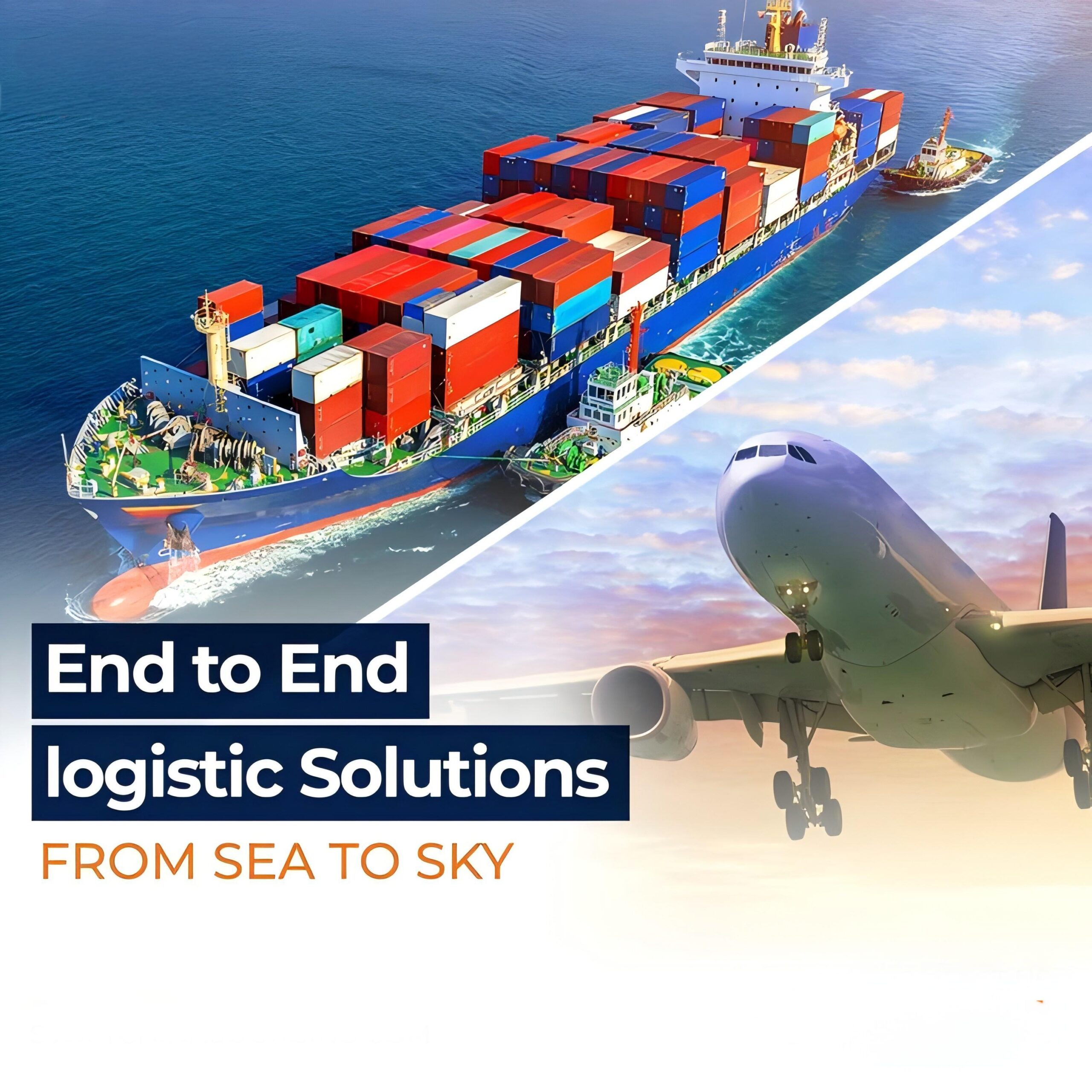
Why Choose Machinery Air Freight from China?
Opting for air freight when importing machinery from China offers distinct advantages, primarily centered around speed and reliability. This method is indispensable for businesses facing tight deadlines or requiring immediate replacement parts to prevent operational halts.
Crucially, air freight significantly reduces transit times compared to sea shipping, often cutting delivery windows from weeks to mere days. This accelerated delivery minimizes inventory holding costs and ensures a quicker return on investment for your imported equipment.
Furthermore, the secure environment of air cargo provides enhanced protection for high-value or delicate machinery. Reduced handling and shorter journey durations lower the risk of damage or theft, safeguarding your crucial assets during transit.
Many businesses leverage air freight for `urgent machinery shipping from China` to manage just-in-time inventory systems. This strategic approach helps avoid costly production delays and keeps your operations running smoothly without excessive capital tied up in warehousing.
Understanding Machinery Air Freight Costs from China
Determining the exact `shipping costs` for machinery via air freight involves several key variables. Unlike sea freight, air cargo rates are often calculated based on either the actual weight or the volumetric weight of the shipment, whichever is greater.
The destination country and specific airport also play a significant role in the overall `freight rates`. Distances, fuel surcharges, and local handling fees at the destination port all contribute to the final price.
A typical cost breakdown for `machinery air freight from China` includes the air freight rate itself, terminal handling charges (THC) at both origin and destination, and local delivery fees. Customs duties and taxes, alongside any necessary insurance, are additional considerations.
Market conditions, such as peak seasons or fuel price fluctuations, can also impact air freight prices. Therefore, obtaining a detailed quote that outlines all potential charges is essential for accurate budgeting and avoiding unexpected expenses.
Navigating Transit Times and Delivery Schedules for Machinery
Air freight is renowned for its speed, offering unparalleled `transit time` efficiency for machinery imports. Typical `China to USA air freight transit time` can range from 3 to 7 days, depending on the service level and specific route.
Service options typically include `express machinery shipping` for the fastest delivery, or standard air freight, which offers a balance of speed and cost-effectiveness. The choice depends heavily on your urgency and budget.
For a truly seamless experience, opting for door-to-door service is highly recommended. This comprehensive solution handles every step from factory pickup in China to final delivery at your facility, streamlining your `delivery schedule` and reducing logistical complexities.
Key Considerations for Shipping Machinery by Air
Successful `machinery air freight from China` requires meticulous attention to several critical details. Proper packaging is paramount to protect sensitive equipment during air transit, which can involve significant vibrations and pressure changes.
Machinery typically requires robust crating, often custom-built, with internal bracing and shock-absorbing materials. Ensuring that all components are secured and protected against moisture is also vital for safe arrival.
Furthermore, comprehensive documentation is non-negotiable. This includes a commercial invoice, packing list, bill of lading (air waybill), and any specific permits or licenses required for your type of machinery in the destination country.
Navigating `customs` procedures and regulations is another crucial aspect. Engaging a knowledgeable customs brokerage service can prevent delays and ensure compliance with all import laws, avoiding costly penalties.
Finally, understanding the specific `cargo handling` requirements for your machinery, such as whether it needs specialized lifting equipment or temperature control, will ensure a smooth process from origin to destination.
How Does Machinery Air Freight Compare to Other Shipping Options?
When importing machinery from China, businesses often weigh the benefits of air freight against other viable shipping methods. Each option presents distinct advantages and limitations regarding cost, speed, and capacity.
Understanding these differences is crucial for making an informed decision that aligns with your `supply chain` needs and budget. The right choice can significantly impact your operational efficiency and overall `logistics trends`.

For example, while air freight is unmatched in speed, it comes at a higher price point. Conversely, sea freight offers a more economical solution for larger volumes but with considerably longer transit times.
Rail freight, primarily for China-Europe routes, provides a middle ground in terms of both cost and speed. However, its geographical limitations mean it’s not suitable for all destinations, such as North America or Australia.
Shipping Method Comparison for Machinery from China
This table provides a clear overview of the primary methods for shipping machinery from China, highlighting their key characteristics to help you decide.
It outlines the typical cost ranges, expected transit times, ideal use cases, and inherent limitations for each transportation mode.
| Shipping Method | Cost Range | Transit Time | Best For | Limitations |
|---|---|---|---|---|
| Air Freight | High | 3-8 Days | Urgent, High-Value, Small-to-Medium Machinery | High Cost, Volume/Weight Restrictions |
| Sea Freight (FCL/LCL) | Low | 15-45 Days | Large, Heavy, Non-Urgent Machinery, Bulk Shipments | Slow Transit, Port Congestion, Longer Lead Times |
| Rail Freight (China-Europe) | Medium | 15-20 Days | Mid-Size Machinery, Europe-Bound, Cost-Sensitive but Faster than Sea | Limited Destinations, Rail Infrastructure Dependent |
Alternative Strategies and Hybrid Solutions
Beyond choosing a single method, alternative strategies and hybrid solutions can offer optimized `logistics solutions for machinery`. For instance, combining sea and air freight can provide a balance of speed and cost.
A common hybrid approach involves shipping machinery by sea to a transshipment hub, then transferring it to air freight for the final leg. This ‘Sea-Air’ option is faster than pure sea freight and more economical than pure air.
For smaller, critical components, utilizing an express service might be a better fit than standard air cargo. These services often provide guaranteed delivery times and enhanced tracking for `time-sensitive equipment delivery`.
Conversely, if `cost-saving strategies` are paramount and urgency is low, consolidating smaller machinery parts into a Less than Container Load (LCL) sea shipment can be highly economical compared to dedicated air freight.
Which Option Should You Choose?
The optimal shipping method for your machinery depends entirely on your specific priorities and cargo characteristics. A clear decision framework helps in selecting the most suitable option.
If `speed priority` is your main concern, especially for urgent repairs or new production lines, `machinery air freight from China` is the undisputed choice. It ensures minimal downtime and rapid deployment.
For `budget priority` and large, heavy machinery that is not time-critical, `sea freight` is generally the most cost-effective. Consider FCL (Full Container Load) for significant volumes or LCL for smaller, consolidated shipments.
When `cargo type considerations` include delicate or high-value items, the security and reduced handling of air freight often outweigh the higher cost. For standard, robust machinery, sea or rail may suffice.
Finally, evaluate `volume thresholds for switching methods`. Smaller, lighter machinery might always be best by air, while extremely large or oversized equipment often necessitates sea freight due to air cargo limitations.
Case Studies: Successful Machinery Air Freight Shipments
Examining real-world scenarios helps illustrate the practical application and benefits of `machinery air freight from China`. These examples highlight diverse needs and tailored solutions.
These case studies demonstrate how strategic planning and expert execution ensure the timely and safe delivery of critical industrial equipment.
Based on Q3 2024 market rates, these examples reflect typical challenges and successful outcomes in international logistics. They underscore the importance of choosing a reliable freight partner.
Case Study 1: Urgent Production Line Component
This case involved a manufacturing plant facing a critical breakdown, requiring an immediate replacement part for their automated production line. Speed was the absolute priority to prevent significant financial losses.
| Detail | Description |
|---|---|
| Route | Shanghai, China -> Chicago, USA |
| Cargo | Precision CNC machine spindle, 1.5 CBM, 350 kg |
| Container | Specialized air cargo pallet (ULD) |
| Shipping Details | Carrier/Service: Major airline (e.g., Cathay Pacific Cargo), Port of Loading: PVG, Port of Discharge: ORD, Route Type: Direct air cargo |
| Cost Breakdown | Air Freight: $2,800, Origin Charges: $250, Destination Charges: $300, Customs & Duties (estimated): $180, Total Landed Cost: $3,530 |
| Timeline | Booking to Loading: 1 day, Air Transit: 2 days, Customs Clearance: 1 day, Total Door-to-Door: 4 days |
| Key Insight | Rapid response and efficient customs clearance were crucial. Utilizing an express service ensured minimal production downtime, validating the higher cost. |
Case Study 2: Small Batch of Medical Devices
A medical equipment distributor needed to replenish stock of high-value diagnostic devices quickly for a new hospital contract. The cargo was delicate and required careful handling.
| Detail | Description |
|---|---|
| Route | Shenzhen, China -> Frankfurt, Germany |
| Cargo | 5 units of diagnostic imaging equipment, 3 CBM, 600 kg |
| Container | Custom wooden crates on air cargo pallet |
| Shipping Details | Carrier/Service: Lufthansa Cargo, Port of Loading: SZX, Port of Discharge: FRA, Route Type: Direct air cargo |
| Cost Breakdown | Air Freight: $4,500, Origin Charges: $350, Destination Charges: $400, Customs & Duties (estimated): $250, Total Landed Cost: $5,500 |
| Timeline | Booking to Loading: 2 days, Air Transit: 3 days, Customs Clearance: 1 day, Total Door-to-Door: 6 days |
| Key Insight | The high value and fragility of the cargo justified the air freight cost. Expedited customs processes were vital for prompt market entry. This was an ideal use case for air freight. |
Case Study 3: Prototype Industrial Robot for Trade Show
An engineering firm needed to transport a prototype industrial robot to a major trade show in Sydney, Australia. The delivery had a non-negotiable deadline and required specialized handling.
| Detail | Description |
|---|---|
| Route | Ningbo, China -> Sydney, Australia |
| Cargo | Industrial robot prototype, 2.8 CBM, 550 kg |
| Container | Reinforced custom crate |
| Shipping Details | Carrier/Service: Qantas Freight, Port of Loading: NGB, Port of Discharge: SYD, Route Type: Direct air cargo |
| Cost Breakdown | Air Freight: $4,200, Origin Charges: $320, Destination Charges: $380, Customs & Duties (estimated): $200, Total Landed Cost: $5,100 |
| Timeline | Booking to Loading: 2 days, Air Transit: 4 days, Customs Clearance: 1 day, Total Door-to-Door: 7 days |
| Key Insight | Meeting a strict event deadline was paramount. The robot’s novelty and importance demanded the fastest, most reliable transport, showcasing the value of `logistics trends` in event shipping. |
Optimizing Your Supply Chain with Air Freight
Strategic use of `machinery air freight from China` can significantly enhance `supply chain optimization China`. It allows businesses to maintain leaner inventories and respond rapidly to market demands or unforeseen disruptions.
Integrating air freight for critical components or high-demand products reduces lead times, thereby improving overall efficiency and customer satisfaction. This proactive approach minimizes the risk of stockouts.
Furthermore, leveraging a robust `logistics solution for machinery` involves more than just transport. It includes warehousing, distribution, and real-time tracking, all of which contribute to a resilient supply chain.
Many companies use air freight to mitigate risks associated with longer transit times of sea shipping, especially during peak seasons or periods of geopolitical instability. This flexibility is a key advantage.
Choosing the Right Freight Forwarder for Machinery Air Freight from China
Selecting an experienced freight forwarder is crucial for successful `machinery air freight from China`. Look for a partner with a proven track record in handling industrial equipment and complex international logistics.
A reputable forwarder will possess extensive knowledge of customs regulations, international shipping laws, and specific `cargo handling` requirements for machinery. Their expertise can prevent costly errors and delays.
Moreover, transparency in pricing and clear communication are hallmarks of a reliable partner. They should provide detailed quotes and regular updates on your shipment’s status, ensuring peace of mind.
Top China Freight specializes in comprehensive `logistics solutions for machinery`, offering tailored services from origin to destination. We ensure your valuable equipment reaches you efficiently and securely, managing every detail with precision. Note: Freight rates are subject to change based on fuel costs, carrier capacity, and seasonal demand. Contact us for a current quote tailored to your specific shipment.
Conclusion: Ensuring Smooth Machinery Air Freight from China
In summary, `machinery air freight from China` is an indispensable solution for businesses prioritizing speed, reliability, and security for their valuable equipment. While it represents a higher investment than other shipping methods, the benefits of reduced downtime and optimized supply chains often outweigh the costs.
Successful air freight hinges on meticulous planning, proper documentation, and expert execution of `customs procedures`. Partnering with a knowledgeable freight forwarder is paramount to navigating these complexities effectively.
By understanding the nuances of air cargo and leveraging strategic `logistics solutions for machinery`, you can ensure your critical imports arrive on time and intact, keeping your operations running at peak efficiency.
Ready to streamline your logistics?
Ready to streamline your machinery imports from China? Contact Top China Freight today for a personalized quote and expert consultation. We ensure reliable and efficient `machinery air freight from China` solutions tailored to your unique business needs.
Request Quote