

Furniture Freight from China: Your Ultimate Shipping Guide
“Navigating the complexities of furniture freight from China can be a daunting task for many businesses. Importers often face challenges with logistics, costs, and compliance, leading to potential delays and unexpected expenses. This comprehensive guide simplifies the process, offering clear insights and practical solutions for efficient furniture shipping. Partner with Top China Freight to streamline your international furniture imports.”

Why is China a Hub for Furniture Sourcing?
❖China stands as the global leader in furniture manufacturing and export, offering an unparalleled variety of styles and price points. From mass-produced items to bespoke pieces, its factories cater to diverse market demands worldwide. Consequently, understanding efficient furniture freight from China is crucial for importers.
Furthermore, the established supply chain infrastructure and competitive production costs make China an attractive sourcing destination. Businesses can leverage this environment to secure high-quality furniture while managing their import logistics effectively. This global advantage drives significant international trade.
What are the Primary Shipping Methods for Furniture Freight from China?
❖Choosing the right shipping method is paramount when importing furniture from China, directly impacting transit time and overall cost. Each option presents distinct advantages and disadvantages tailored to different cargo sizes and urgency levels. Therefore, careful consideration is essential for optimal logistics planning.
| Shipping Method | Cost Range (per CBM/kg) | Transit Time (China to Europe/NA) | Best For | Limitations |
|---|---|---|---|---|
| Sea Freight (FCL) | Low ($40-80/CBM) | 25-45 days | Large volumes, non-urgent, heavy items | Slow, port-to-port only |
| Sea Freight (LCL) | Medium ($60-120/CBM) | 30-50 days | Small to medium volumes, non-urgent | Slower, potential for damages, LCL surcharges |
| Air Freight | High ($5-15/kg) | 3-10 days | Urgent, high-value, samples, small volumes | Very expensive, weight/volume restrictions |
| Rail Freight (Europe) | Medium ($150-250/CBM) | 18-25 days | Medium volumes, balanced speed/cost | Limited destinations, specific routes |

Sea Freight: The Cost-Effective Choice
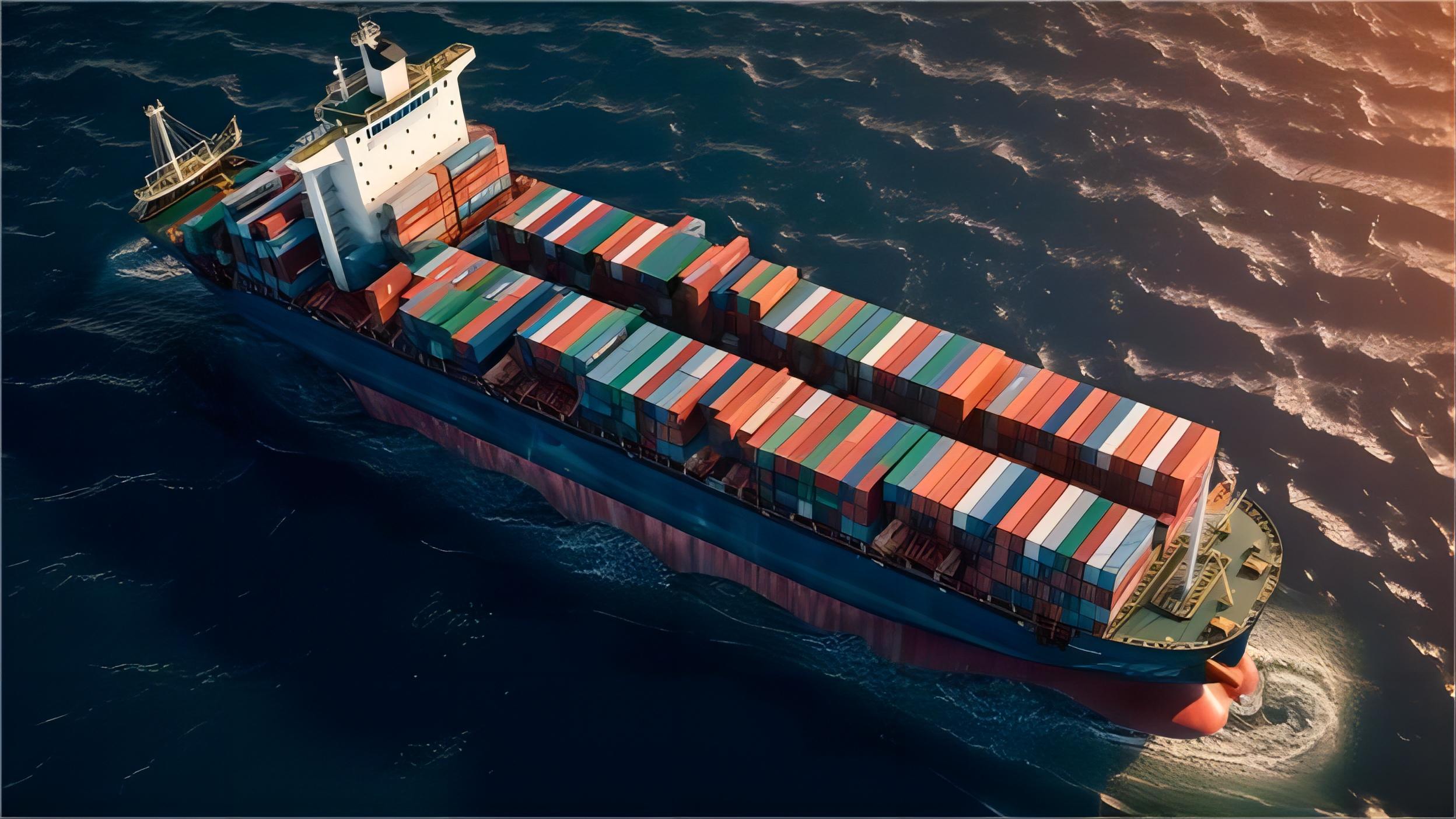
Sea freight remains the most popular and economical option for shipping large furniture from China. It is ideal for bulk orders and less time-sensitive shipments, offering significant cost savings. Moreover, it accommodates both Full Container Load (FCL) and Less than Container Load (LCL) options.
For instance, FCL involves reserving an entire container (20GP, 40GP, 40HQ) for your goods, offering security and faster transit. Conversely, LCL consolidates multiple shippers’ goods into one container, suitable for smaller volumes. Learn more about sea freight solutions.
Air Freight: Speed for Urgent Deliveries
Air freight provides the fastest transit times for furniture freight from China, making it suitable for urgent or high-value, smaller shipments. While significantly more expensive than sea freight, it drastically reduces delivery schedules. However, dimensional weight considerations can quickly escalate costs.
This method is often chosen for samples, high-end, or time-critical furniture pieces where speed outweighs budget concerns. It minimizes inventory holding costs and responds rapidly to market demands. Explore air freight services for rapid transport.
Rail Freight: A Balanced Option for Europe
Rail freight offers a viable middle ground between sea and air for destinations in Europe and Central Asia. It provides faster transit than sea freight and is more cost-effective than air freight. Consequently, it has grown in popularity for its efficiency and environmental benefits.
The New Silk Road railway network connects major Chinese cities to European destinations, facilitating reliable and regular shipments. It is particularly beneficial for medium-sized furniture volumes. Discover more about rail freight options.
Understanding the Cost Structure of Furniture Freight from China
❖The total cost to ship furniture from China involves more than just the basic freight rate. Importers must account for various charges that accumulate throughout the shipping process. Therefore, a clear understanding of these components is vital for accurate budgeting and avoiding surprises.
Indeed, hidden fees can significantly impact profitability if not factored in from the outset. Consequently, obtaining a detailed quote from your freight forwarder is always recommended. This transparency helps manage your supply chain effectively.
| Cost Category | Description | Typical Range (USD) | Impact |
|---|---|---|---|
| Ocean Freight | Main shipping cost from port to port | $1,500 – $6,000 (per container) | High, varies by route & season |
| Origin Charges | Loading, documentation, terminal handling in China | $300 – $800 | Moderate, fixed per shipment |
| Destination Charges | Unloading, terminal handling, local fees at destination | $400 – $1,200 | Moderate, fixed per shipment |
| Customs Duties & Taxes | Government levies based on HS code and value | 5% – 25% of CIF value | High, varies by product & country |
| Inland Transport | Trucking from factory to port, or port to final warehouse | $100 – $1,000+ | Variable, depends on distance |
| Insurance | Coverage against loss or damage | 0.3% – 0.5% of cargo value | Low, but critical for risk mitigation |
Key Cost Components
Firstly, the base freight rate covers the actual transportation from origin to destination. This rate varies significantly based on the chosen shipping method, volume, weight, and current market conditions. Secondly, origin charges include terminal handling, documentation, and drayage to the port.
Thirdly, destination charges encompass port fees, customs clearance, and local delivery. Finally, customs duties and taxes are levied by the importing country’s government. These are calculated based on the furniture’s Harmonized System (HS) code and declared value. Accurate classification is crucial here.
Factors Influencing Furniture Freight Rates
Several variables influence the final cost of furniture freight from China. The volume and weight of your shipment are primary determinants, as they dictate container size or air cargo space. Moreover, the distance and specific route also play a significant role.
Seasonal demand, such as peak shipping periods before holidays like Chinese New Year or during Q3/Q4, can cause rates to surge. Fuel surcharges, port congestion, and geopolitical events also contribute to fluctuating freight rates. Staying informed about logistics trends is essential.
What are Key Considerations for Customs and Documentation?
❖Successfully importing furniture from China requires meticulous attention to customs regulations and documentation. Errors or omissions can lead to significant delays, fines, and even seizure of goods. Therefore, understanding these requirements is critical for a smooth import process.
Moreover, working with an experienced freight forwarder or customs broker can greatly simplify this complex aspect. They possess the expertise to navigate international trade laws and ensure compliance. This partnership minimizes risks and optimizes delivery schedules.
Essential Documents for Furniture Imports
A comprehensive set of documents is required for customs clearance. Firstly, the Commercial Invoice details the goods, value, and terms of sale. Secondly, the Packing List provides a detailed inventory of items, including dimensions and weight. Thirdly, the Bill of Lading (for sea freight) or Air Waybill (for air freight) acts as the contract of carriage and title to the goods.
Additionally, a Certificate of Origin may be necessary to claim preferential duty rates under trade agreements. Other documents could include fumigation certificates for wooden furniture or specific licenses depending on the product type and destination country. Proper documentation prevents delays.
Navigating the Customs Clearance Process
Upon arrival, your furniture shipment undergoes customs inspection and clearance. This involves submitting all required documentation and paying applicable duties and taxes. Incorrect valuation or classification can result in penalties or delays. Consequently, accuracy is paramount.
Furthermore, some furniture items may be subject to specific import restrictions or safety standards in the destination country. For example, certain materials or finishes might be prohibited. Utilizing professional customs brokerage services can significantly expedite this process and ensure compliance.
How Can You Optimize Your Furniture Freight from China?
❖Optimizing your furniture freight from China involves strategic planning and leveraging expert services. Efficient logistics can lead to substantial cost savings and improved delivery times. Consequently, every importer should explore methods to enhance their shipping strategy.
From choosing the right Incoterms to ensuring proper packaging, each step contributes to a streamlined and successful import operation. Moreover, proactive measures can mitigate potential risks and challenges. This holistic approach ensures better supply chain management.
Choosing the Right Incoterms
Incoterms define the responsibilities of buyers and sellers for the delivery of goods under sales contracts. For furniture freight from China, common terms include FOB (Free On Board) and EXW (Ex Works). FOB places more responsibility on the seller to get goods to the port.
Conversely, EXW means the buyer assumes responsibility from the factory gate, often requiring more coordination. Selecting the appropriate Incoterm impacts cost, risk, and control over the shipping process. Therefore, understanding their implications is vital.
Consolidation and LCL Shipments
For smaller furniture orders that do not fill an entire container, consolidation via LCL (Less than Container Load) is a cost-effective solution. Freight forwarders combine multiple shipments into one container, sharing the overall cost among shippers. This method reduces per-unit shipping costs.
However, LCL shipments may experience longer transit times due to additional handling and consolidation processes. Careful planning is needed to balance cost savings with delivery schedules. It is a smart choice for managing import furniture from China without excessive inventory.
Packaging and Insurance
Proper packaging is crucial for protecting delicate furniture during transit from China. Utilize sturdy cartons, bubble wrap, foam, and corner protectors to prevent damage. Disassembly where possible can save space and reduce freight costs. Indeed, robust packaging is an investment.
Furthermore, cargo insurance is highly recommended to cover potential loss or damage during transit. While an additional cost, it provides financial protection against unforeseen incidents. This safeguard ensures peace of mind for valuable furniture imports. Protecting your assets is paramount.
Leveraging Door-to-Door Services
For maximum convenience and reduced logistical burden, consider utilizing door-to-door furniture freight from China. This service handles the entire shipping process, from factory pickup to final delivery at your warehouse. It simplifies the supply chain significantly.
A single point of contact manages all aspects, including customs clearance, inland transport, and last-mile delivery. This comprehensive solution minimizes administrative overhead and potential complications. It is an ideal option for businesses seeking efficiency and reliability.
How Does Sea Freight Compare to Other Shipping Options for Furniture?
❖When planning furniture freight from China, comparing sea freight against other modes is essential for strategic decision-making. Each method offers a unique balance of cost, speed, and capacity. Consequently, understanding these trade-offs is crucial for optimizing your supply chain and meeting customer expectations.
Moreover, the ideal choice often depends on specific shipment characteristics, urgency, and budget constraints. We will explore the nuances of each option to help you make an informed decision for your furniture imports.
| Shipping Method | Cost Range (Approx.) | Transit Time (Avg.) | Best For | Limitations |
|---|---|---|---|---|
| Sea FCL (40HQ) | $2,500 – $6,000 | 14-45 days | Large, bulk orders, cost-sensitive | Slow, port congestion risks |
| Sea LCL (per CBM) | $60 – $120 | 20-50 days | Smaller volumes (under 15 CBM), flexible | Slower, more handling, higher damage risk |
| Air Freight (per kg) | $5 – $15 | 3-10 days | Urgent, high-value, small/light items | Very expensive, strict weight/size limits |
| Rail Freight (Europe) | $150 – $250 (per CBM) | 18-25 days | Medium volumes to Europe, balanced | Geographic limitations, specific routes |
| Express Service | $8 – $25 (per kg) | 2-7 days | Samples, very small, urgent, door-to-door | Extremely expensive for furniture, small parcel only |
Sea Freight vs. Air Freight
Sea freight is overwhelmingly preferred for large-volume furniture due to its low cost per unit. While sea freight costs $2,800-4,200 for a 40HQ container from China to Europe, air freight for the same volume would cost $15,000-25,000, but arrives in 5-7 days instead of 30-40 days. Therefore, the primary differentiator is speed versus expense.
Air freight is suitable for high-value, small, or urgent furniture items where transit time is critical. For instance, sending a sample or a limited edition piece might justify the higher cost. However, for most bulk furniture imports, air freight is economically unfeasible due to its high cost and volumetric weight charges.
FCL vs. LCL for Sea Freight
Within sea freight, the choice between FCL (Full Container Load) and LCL (Less than Container Load) is significant. For shipments under 15 CBM, LCL at $60-120/CBM may be more economical than an FCL. However, for volumes exceeding 15-20 CBM, FCL typically becomes more cost-effective. FCL also offers faster transit and less handling.
LCL involves sharing container space, which means additional consolidation and deconsolidation time, thus increasing overall transit duration. Furthermore, LCL shipments are more susceptible to damage due to multiple handling points. Therefore, balancing cost, speed, and risk is key when choosing between FCL and LCL for furniture imports.
Direct vs. Transshipment Routes
Shipping routes can be direct or involve transshipment. Direct routes offer faster transit times and reduced risk of damage or delays, but often come at a premium. For example, a direct route from Shanghai to Los Angeles might cost 10-15% more but save 5-7 days compared to transshipment via Busan or other intermediate ports.
Transshipment routes, while potentially cheaper, introduce additional handling and longer transit times. They involve unloading cargo from one vessel and reloading onto another. Consequently, this can increase the risk of delays or misrouted cargo. Therefore, consider the trade-off between cost savings and potential delays when selecting a route for your furniture freight from China.
Which Option Should You Choose for Your Furniture Imports?
❖Deciding on the best shipping method for furniture freight from China depends on a clear understanding of your priorities. A strategic approach considers your budget, urgency, cargo characteristics, and volume. Consequently, aligning these factors will lead to the most effective logistics solution.
Consider this framework to guide your decision-making process. This structured evaluation ensures that you select a shipping strategy that best supports your business objectives. It minimizes unnecessary costs and maximizes efficiency.
Budget Priority
If your primary concern is minimizing shipping costs, sea freight via FCL is almost always the most economical choice for large furniture volumes. For smaller quantities, LCL sea freight offers a cost-effective alternative. However, be prepared for longer transit times.
Therefore, if budget is paramount, allocate sufficient lead time for your orders. Negotiating freight rates and optimizing container utilization will further reduce expenses. Cost-saving strategies are crucial here.
Speed Priority
When speed is critical for furniture freight from China, air freight is the undisputed champion. It ensures the fastest delivery, ideal for time-sensitive product launches or replenishing low stock. However, this comes at a significantly higher cost.
For urgent shipments to Europe, rail freight provides a good balance of speed and cost. It is considerably faster than sea freight but more affordable than air. Consequently, it offers a compelling alternative for specific regions.
Cargo Type and Volume Considerations
The type and volume of furniture heavily influence the shipping method. Large, bulky, or heavy items are best suited for sea freight, often as FCL. Delicate or high-value pieces might benefit from specialized handling and potentially faster air transport to minimize transit risks. Indeed, packaging is key for all types.
For volumes below 15 CBM, LCL is generally recommended. Conversely, for anything above 15-20 CBM, FCL becomes more economical and efficient. Proper assessment of cargo size and fragility is essential for choosing the optimal method. This ensures secure and cost-effective delivery.
Real-World Scenarios: Furniture Freight from China
❖These case studies illustrate practical applications of different shipping strategies for furniture freight from China. They highlight how various factors, from cargo size to urgency, influence the choice of method and overall logistics. Consequently, these examples provide valuable insights for your own import planning.
Each scenario offers a detailed breakdown of costs, timelines, and key insights. They reflect typical rates and conditions as of early 2025, providing a realistic perspective on international furniture shipping. Understanding these real-world examples can inform your decisions.
Case Study 1: Large Volume Container to USA West Coast
This case demonstrates a standard FCL shipment for a furniture retailer importing a full container of bedroom sets. The focus was on cost-efficiency and reliable transit for a large order. This strategy is common for established businesses.
| Route: | Shanghai, China Los Angeles, USA |
| Cargo: | Bedroom Furniture Sets (beds, dressers, nightstands), 55 CBM, 8,500 kg |
| Container: | 40HQ |
| Shipping Details: | |
| – Carrier/Service: | COSCO via direct route |
| – Port of Loading: | Shanghai |
| – Port of Discharge: | Los Angeles |
| – Route Type: | Direct |
| Cost Breakdown (Based on Q1 2025 rates): | |
| – Ocean Freight: | $3,500 |
| – Origin Charges (THC, documentation): | $650 |
| – Destination Charges: | $950 |
| – Customs & Duties (estimated): | $1,200 (approx. 7.5% of value) |
| – Total Landed Cost (excluding inland transport): | $6,300 |
| Timeline: | |
| – Booking to Loading: | 5 days |
| – Sea Transit: | 16 days |
| – Customs Clearance: | 3 days |
| – Total Port-to-Port: | 24 days |
| Key Insight: | Direct FCL routes offer excellent balance of cost and speed for major trade lanes. Booking well in advance helps secure optimal rates and vessel space. This is crucial for managing furniture freight from China efficiently. |

Case Study 2: Medium Volume LCL Shipment to Europe
This scenario involves a boutique furniture store importing a diverse range of unique pieces. Since the volume didn’t warrant a full container, LCL was the most practical and cost-effective solution. This approach is ideal for smaller businesses.
| Route: | Ningbo, China Hamburg, Germany |
| Cargo: | Assorted decorative furniture (chairs, small tables, lamps), 12 CBM, 1,800 kg |
| Container: | LCL 12 CBM |
| Shipping Details: | |
| – Carrier/Service: | Major carrier via transshipment |
| – Port of Loading: | Ningbo |
| – Port of Discharge: | Hamburg |
| – Route Type: | Transshipment via Singapore |
| Cost Breakdown (Based on Q1 2025 rates): | |
| – Ocean Freight: | $1,200 (approx. $100/CBM) |
| – Origin Charges (incl. LCL handling): | $450 |
| – Destination Charges (incl. LCL deconsolidation): | $700 |
| – Customs & Duties (estimated): | $600 (approx. 9% of value) |
| – Total Landed Cost (excluding inland transport): | $2,950 |
| Timeline: | |
| – Booking to Loading: | 7 days |
| – Sea Transit: | 35 days |
| – Customs Clearance: | 5 days |
| – Total Port-to-Port: | 47 days |
| Key Insight: | LCL is cost-effective for smaller volumes but requires longer transit times due to consolidation. Proper packaging is extremely vital for LCL shipments to prevent damage during multiple handling stages. This is a common strategy for importing furniture from China. |
Case Study 3: Urgent Air Freight for Display Furniture to North America
An exhibition organizer needed custom display furniture quickly for an upcoming trade show. Speed was the absolute priority over cost. Air freight ensured the furniture arrived well in advance of the event. This strategy is reserved for critical, time-sensitive needs.
| Route: | Guangzhou, China Toronto, Canada |
| Cargo: | Lightweight display stands and chairs, 3 CBM (volumetric weight 500 kg), 150 kg actual weight |
| Container: | Air Cargo |
| Shipping Details: | |
| – Carrier/Service: | Express Service via major airline |
| – Airport of Origin: | Guangzhou (CAN) |
| – Airport of Destination: | Toronto (YYZ) |
| – Route Type: | Direct Flight |
| Cost Breakdown (Based on Q1 2025 rates): | |
| – Air Freight (based on volumetric weight): | $3,500 (approx. $7/kg for 500kg) |
| – Origin Charges (incl. handling, documentation): | $300 |
| – Destination Charges: | $450 |
| – Customs & Duties (estimated): | $200 (approx. 5% of value) |
| – Total Landed Cost (excluding inland transport): | $4,450 |
| Timeline: | |
| – Booking to Loading: | 2 days |
| – Air Transit: | 4 days |
| – Customs Clearance: | 1 day |
| – Total Airport-to-Airport: | 7 days |
| Key Insight: | Air freight is ideal for urgent, smaller, or high-value furniture shipments where speed is paramount. Volumetric weight often determines costs, not actual weight. This requires careful calculation and planning for furniture freight from China. |
Navigating Market Trends and Challenges in Furniture Freight
❖The landscape of furniture freight from China is dynamic, constantly influenced by global economic shifts and logistical challenges. Staying informed about current market conditions is crucial for effective planning and budgeting. Consequently, anticipating trends can provide a competitive edge.
As of Q1 2025, freight rates from China have shown signs of stabilization after the volatility of previous years. However, certain factors continue to impact the supply chain. These include port congestion, labor shortages, and geopolitical events. Therefore, adaptability is key.
Current Market Conditions and Seasonal Patterns
Current market data suggests that ocean freight rates, while higher than pre-pandemic levels, have normalized compared to their 2021-2022 peaks. However, disruptions like the Red Sea situation can still cause temporary rate spikes and extended transit times, particularly for routes to Europe. Therefore, flexibility in planning is important.
Seasonal patterns significantly affect furniture freight rates. Rates typically increase by 15-25% during the August-October peak season leading up to Western holidays, and also before Chinese New Year in January/February. Planning shipments outside these windows can lead to cost savings. Indeed, early booking is always advisable during peak periods.
Strategies for Mitigating Risks
To mitigate risks in furniture freight from China, diversify your shipping routes and carriers where possible. Building strong relationships with reliable freight forwarders is also paramount. They can offer insights into market trends and alternative solutions during disruptions. Consequently, a robust network is invaluable.
Furthermore, consider buffer stock to account for potential delays, especially for critical inventory. Regularly review your supply chain for vulnerabilities and implement contingency plans. This proactive approach ensures resilience in an unpredictable global logistics environment. Note: Freight rates are subject to change based on fuel costs, carrier capacity, and seasonal demand. Contact us for a current quote tailored to your specific shipment.
Streamlining Your Furniture Freight from China
Navigating the intricate world of furniture freight from China demands careful planning, strategic decision-making, and reliable partnerships. By understanding the various shipping methods, cost components, customs requirements, and market dynamics, businesses can optimize their import processes. This comprehensive approach ensures timely and cost-effective delivery of furniture.
Ultimately, a well-managed logistics strategy is vital for success in the competitive furniture market. Partnering with an experienced freight forwarder like Top China Freight can significantly simplify these complexities. They offer the expertise and services needed to streamline your furniture imports, ensuring a smooth and efficient supply chain from China to your destination.
Ready to streamline your logistics?
Ready to optimize your furniture freight from China? Do not let complex logistics hinder your business growth. Contact us today to receive a personalized quote and discuss your specific shipping needs. Our experts are here to provide tailored solutions for your international furniture imports.
Request Quote