

Logistics Service China to Singapore: Your Complete Guide
“Navigating global supply chains can be complex, especially when importing goods. For businesses seeking a reliable logistics service China to Singapore, understanding the various shipping options and their intricacies is crucial. This comprehensive guide will illuminate the best strategies for efficient and cost-effective freight, ensuring your cargo reaches its destination smoothly. We will explore everything from transit times and customs procedures to choosing the right shipping method, helping you streamline your import process.”
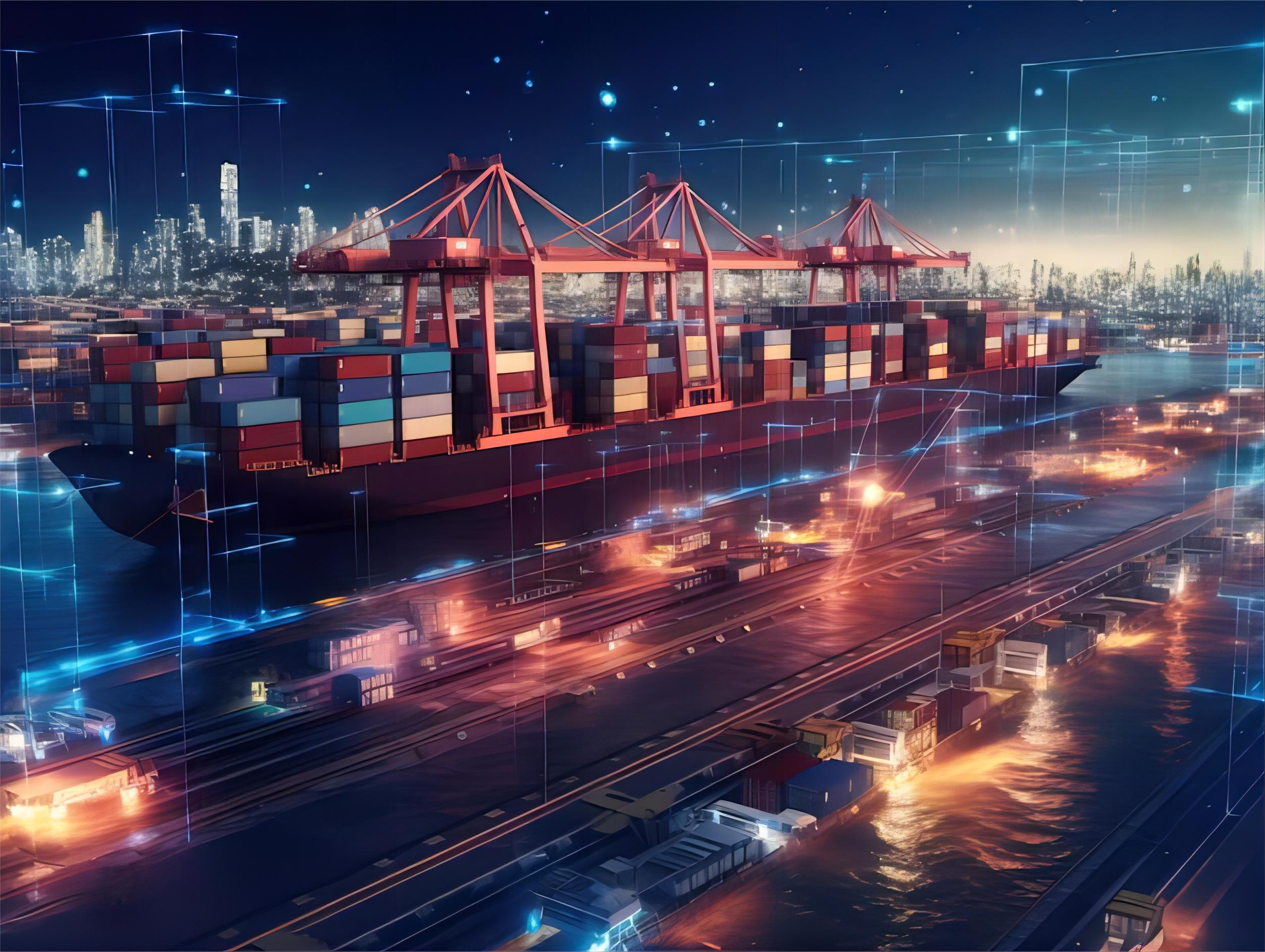
Understanding the China-Singapore Trade Lane
❖Singapore, a vibrant economic hub, serves as a critical gateway for goods flowing into and out of Asia. Consequently, demand for efficient logistics service China to Singapore remains high. Many businesses rely on this route for manufacturing components, consumer goods, and e-commerce fulfillment.
Understanding this trade lane is paramount for successful import/export operations. Factors like port infrastructure and local regulations significantly impact your supply chain. Therefore, selecting the right shipping strategy is essential for optimizing delivery schedules and managing costs effectively.
Main Shipping Methods from China to Singapore
❖Several primary methods are available for shipping goods from China to Singapore, each offering distinct advantages. Your choice depends on cargo volume, urgency, and budget, including sea freight, air freight, and express courier services.
Knowing transit times and cost implications is vital for informed decision-making. While air freight offers speed, sea freight provides an economical solution for larger volumes. Balancing these elements ensures a suitable logistics plan.
| Shipping Method | Estimated Cost Range | Typical Transit Time | Best For |
|---|---|---|---|
| Sea Freight (FCL) | $700 – $1,800 (per container) | 7 – 15 days | Large, heavy, non-urgent cargo |
| Sea Freight (LCL) | $40 – $70 (per CBM) | 10 – 20 days | Smaller volumes, cost-sensitive goods |
| Air Freight | $4 – $8 (per kg) | 3 – 7 days | Time-sensitive, high-value, lighter cargo |
| Express Service | $10 – $25 (per kg) | 2 – 5 days | Small packages, urgent documents, samples |
Sea Freight from China to Singapore
❖Undoubtedly, sea freight is the most common and cost-effective method for transporting large volumes from China to Singapore. This method is ideal for bulk commodities or heavy machinery. Major Chinese ports like Shanghai, Ningbo, and Shenzhen offer frequent sailings.
You can choose between Full Container Load (FCL) and Less than Container Load (LCL). FCL shipping China to Singapore suits cargo filling an entire container. LCL shipping China to Singapore allows sharing space, reducing costs for smaller shipments. Transit time typically ranges from 7 to 15 days.
Air Freight Solutions for Urgent Shipments
❖For time-sensitive or high-value items, air freight offers unparalleled speed from China to Singapore. Major airports like Shanghai Pudong and Guangzhou Baiyun provide direct flights to Singapore Changi. This drastically reduces transit times compared to sea freight.
However, air freight China to Singapore comes at a higher cost per kilogram. It is generally reserved for urgent deliveries, perishable goods, or high-turnover products. Companies leverage air freight to meet tight deadlines or manage lean inventory, ensuring minimal supply chain disruption.
Express and Door-to-Door Services
❖When speed and convenience are paramount, express delivery China to Singapore offers the quickest solution. Global couriers provide expedited shipping for small packages, often with tracking and guaranteed delivery times. This service is invaluable for urgent business needs or e-commerce parcels.
Moreover, opting for a door-to-door shipping China Singapore service simplifies the entire logistics process. It handles everything from pickup to final delivery, including customs clearance. This provides a seamless experience and predictable delivery schedule for shippers.
Navigating Customs and Regulations in Singapore
❖Importing goods into Singapore requires careful attention to customs procedures and regulations. All goods are subject to Goods and Services Tax (GST) at 9%, unless exempted. Certain items may also require import permits or licenses, especially controlled goods.
Engaging a professional customs brokerage service is highly recommended. An experienced broker ensures accurate, compliant documentation, preventing delays and penalties. They assist with tariff classification and duty calculation, streamlining the customs clearance Singapore process.
| Key Document | Purpose | Notes |
|---|---|---|
| Commercial Invoice | Details of goods, value, seller/buyer | Crucial for customs valuation and duties |
| Packing List | Itemized list of contents, weight, dimensions | Aids in cargo inspection and handling |
| Bill of Lading (B/L) / Air Waybill (AWB) | Contract of carriage, title to goods | Proof of shipment and ownership |
| Certificate of Origin | Confirms country of manufacture | May be required for preferential tariffs or specific goods |
How Does Sea Freight Compare to Other Shipping Options?
❖When planning your logistics service China to Singapore, understanding trade-offs between shipping methods is essential. While sea freight is often the default for cost-effectiveness, alternatives might suit specific requirements. We compare sea freight with air freight and express services.

The best choice depends on a clear understanding of your priorities. If budget is primary, sea freight is superior. Conversely, if delivery speed is critical, air freight or express services offer significant advantages, despite higher prices.
Shipping Method Comparison: Sea vs. Air vs. Express
This table provides a concise overview, highlighting key differences to help you make an informed decision for your import/export needs. Consider these factors carefully when evaluating your options for shipping from China to Singapore.
| Shipping Method | Cost Range (relative) | Transit Time | Key Characteristics |
|---|---|---|---|
| Sea Freight (FCL/LCL) | Low to Medium | 7-20 days | Bulk, heavy, non-urgent; potential port congestion |
| Air Freight | Medium to High | 3-7 days | Time-sensitive, high-value, lighter cargo; size/weight limits |
| Express Service | High | 2-5 days | Urgent, small parcels, samples; highest cost, package limits |
Alternative Strategies and Hybrid Solutions
Sometimes, a single shipping method isn’t optimal. For urgent but large goods, a sea-air combination might be considered, shipping by sea to a regional hub then by air to Singapore.
Exploring consolidation options can significantly reduce LCL shipping costs. Combining multiple small orders into one larger shipment achieves better freight rates. This strategy is effective for e-commerce logistics China Singapore from diverse vendors.
Which Option Should You Choose?
**Budget priority:** If minimizing shipping costs from China to Singapore is your top concern, sea freight (LCL or FCL) is recommended. It offers the most economical solution for bulk cargo.
**Speed priority:** For urgent deliveries or products with short shelf lives, air freight or express service should be chosen. These ensure rapid transit times, crucial for time-sensitive supply chains.
**Cargo type considerations:** Hazardous materials or oversized cargo often have specific restrictions, favoring specialized sea freight services. Delicate or high-value items benefit from air freight’s faster handling and reduced exposure time.
**Volume thresholds:** For shipments under 15 CBM, LCL sea freight is often more economical than FCL. Exceeding this threshold typically makes FCL a better value. For very small, lightweight, and urgent parcels, express delivery remains unrivaled.
Cost-Effective Strategies for Your Shipments
❖Optimizing your shipping costs from China to Singapore involves more than just choosing the cheapest carrier. Strategic planning and smart execution lead to significant savings. Consider consolidating multiple small orders into one larger shipment to leverage better volume rates for LCL.
Effective inventory management also plays a crucial role. Avoiding last-minute rush orders reduces the need for expensive air freight. Planning your import/export schedule in advance allows utilization of more economical sea freight, ensuring a predictable supply chain.
Real-World Case Studies: China to Singapore Logistics
❖Understanding how different shipping methods perform in practice provides valuable insights. These case studies illustrate common scenarios and outcomes for logistics service China to Singapore, reflecting typical rates as of early 2025. Note: Freight rates are subject to change based on fuel costs, carrier capacity, and seasonal demand. Contact us for a current quote tailored to your specific shipment.
Case Study 1: E-commerce Apparel via LCL Sea Freight
This client needed a consistent and cost-effective solution for their growing e-commerce apparel business, importing seasonal collections.
| Detail | Value |
|---|---|
| Route | Guangzhou, China -> Singapore |
| Cargo | Fashion Apparel, 8 CBM, 1200 kg |
| Container | LCL 8 CBM |
| Shipping Details | |
| – Carrier/Service | Major LCL consolidator |
| – Port of Loading | Nansha (Guangzhou) |
| – Port of Discharge | Singapore |
| – Route Type | Direct |
| Cost Breakdown | |
| – Ocean Freight | $480 (8 CBM x $60/CBM) |
| – Origin Charges | $150 |
| – Destination Charges | $180 |
| – Customs & Duties (estimated) | $250 (GST on value) |
| – Total Landed Cost | $1,060 |
| Timeline | |
| – Booking to Loading | 5 days |
| – Sea Transit | 10 days |
| – Customs Clearance | 2 days |
| – Total Door-to-Door | 17 days |
| Key Insight | LCL provided significant savings over air freight, allowing the client to maintain healthy profit margins on their apparel. Careful planning avoided peak season surcharges. |
Case Study 2: Electronics Components via Air Freight
A tech company required urgent delivery of critical electronic components to avoid production line shutdowns.
| Detail | Value |
|---|---|
| Route | Shenzhen, China -> Singapore |
| Cargo | Electronic Components, 1.5 CBM, 300 kg |
| Container | Air Cargo |
| Shipping Details | |
| – Carrier/Service | Major airline cargo (e.g., Singapore Airlines Cargo) |
| – Airport of Origin | Shenzhen Bao’an (SZX) |
| – Airport of Destination | Singapore Changi (SIN) |
| – Route Type | Direct flight |
| Cost Breakdown | |
| – Air Freight | $2,100 (300 kg x $7/kg) |
| – Origin Charges | $120 |
| – Destination Charges | $100 |
| – Customs & Duties (estimated) | $180 (GST on value) |
| – Total Landed Cost | $2,500 |
| Timeline | |
| – Booking to Loading | 1 day |
| – Air Transit | 1 day |
| – Customs Clearance | 1 day |
| – Total Door-to-Door | 3 days |
| Key Insight | Despite the higher cost, air freight prevented costly production delays, justifying the investment. Expedited customs clearance was critical. |
Case Study 3: Bulk Raw Materials via FCL Sea Freight
A manufacturing client needed to import a large quantity of raw materials for their Singapore-based factory on a regular schedule.
| Detail | Value |
|---|---|
| Route | Ningbo, China -> Singapore |
| Cargo | Plastic Pellets, 25 tons, 40 CBM |
| Container | 40GP |
| Shipping Details | |
| – Carrier/Service | COSCO Shipping |
| – Port of Loading | Ningbo-Zhoushan Port |
| – Port of Discharge | Port of Singapore |
| – Route Type | Direct |
| Cost Breakdown | |
| – Ocean Freight | $1,400 |
| – Origin Charges | $250 |
| – Destination Charges | $300 |
| – Customs & Duties (estimated) | $450 (GST on value) |
| – Total Landed Cost | $2,400 |
| Timeline | |
| – Booking to Loading | 4 days |
| – Sea Transit | 8 days |
| – Customs Clearance | 2 days |
| – Total Door-to-Door | 14 days |
| Key Insight | FCL provided the most economical solution for high-volume, regular shipments. Booking in advance secured favorable freight rates and ensured timely delivery for production planning. |

Choosing the Right Logistics Partner
❖Selecting an experienced and reliable freight forwarder is paramount for successful logistics service China to Singapore. A good partner offers comprehensive supply chain solutions, expert customs guidance, and proactive communication. They understand both Chinese export procedures and Singaporean import regulations.
Top China Freight specializes in efficient, cost-effective shipping from China globally, including Singapore. We offer tailored solutions from sea and air freight to express and door-to-door services. Our expertise in customs brokerage and local delivery makes us a trusted partner for your import needs.
Conclusion: Mastering Your Logistics Service China to Singapore
In summary, navigating the complexities of <a href=”https://Top China Freight.com/”>logistics service China to Singapore</a> requires understanding options, meticulous planning, and a reliable partner. Whether prioritizing cost with sea freight, speed with air freight, or convenience with door-to-door services, each method offers distinct advantages.
By carefully considering cargo type, urgency, and budget, and by working with an experienced freight forwarder, businesses ensure seamless import operations. Optimizing this crucial trade lane significantly contributes to your operational efficiency and overall business success.
Ready to streamline your logistics?
Ready to streamline your imports from China to Singapore? Contact us today for a personalized quote and discover how our expert logistics service can optimize your supply chain. We are committed to providing reliable, efficient, and cost-effective shipping solutions tailored to your unique business requirements.
Request Quote