

Ocean Freight China to Europe: Your Complete Shipping Guide
Shipping goods from China to Europe can be a complex process, yet it is crucial for countless businesses worldwide. Understanding the intricacies of international shipping is vital for successful supply chain management. This comprehensive guide will demystify ocean freight from China to Europe, helping you make informed decisions. We will explore costs, transit times, and best practices to ensure your cargo arrives safely and on schedule.
What is Ocean Freight from China to Europe?
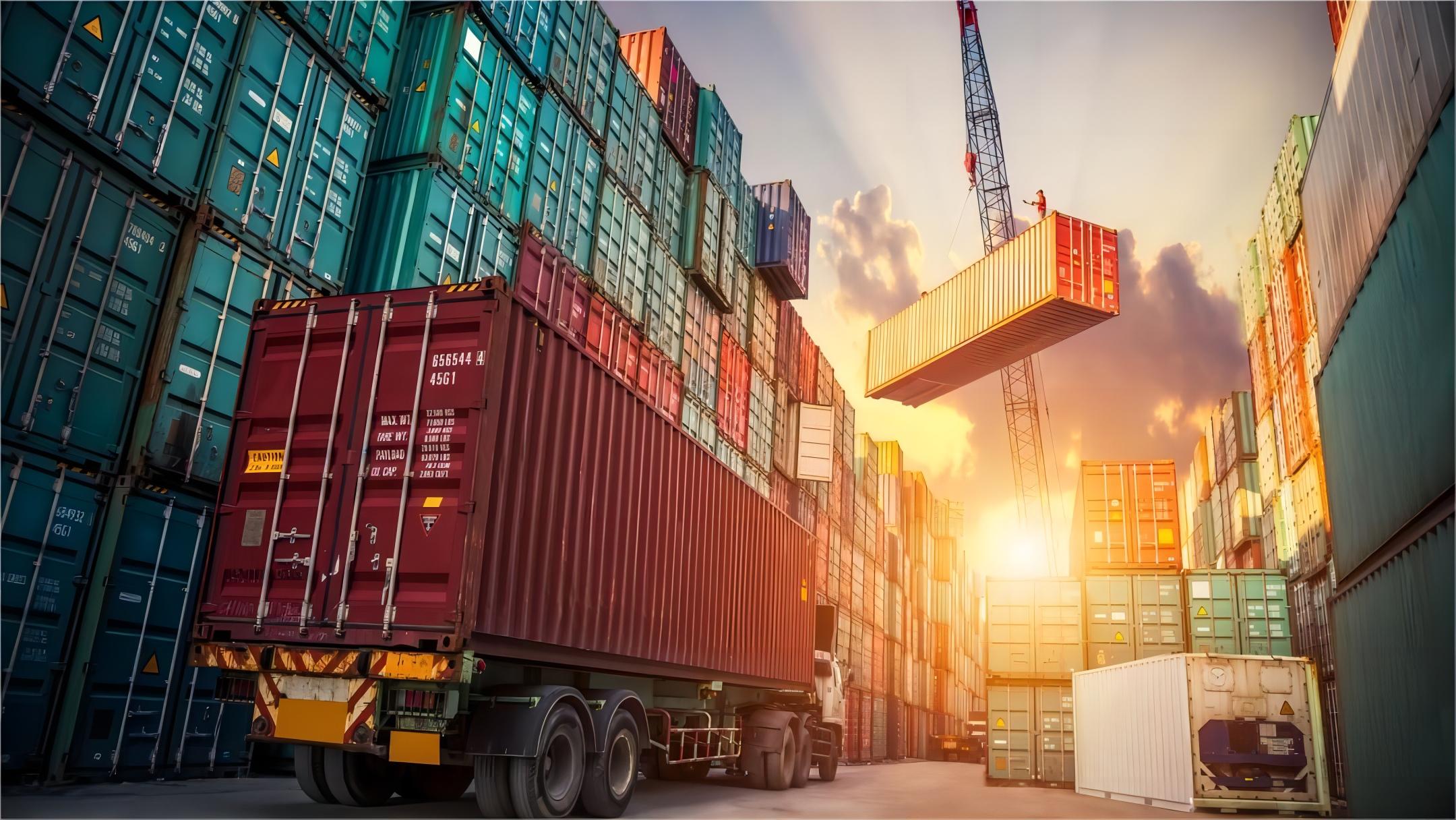
Ocean freight involves transporting goods via cargo ships across vast seas, connecting major ports in China with various European destinations. This method is predominantly chosen for large volumes, heavy items, or non-urgent shipments due to its cost-effectiveness. Consequently, it forms the backbone of global trade between these two economic powerhouses.
Typically, cargo is loaded into containers at a Chinese port, then shipped across the Indian Ocean, through the Suez Canal, and into European waters. Upon arrival, the containers are offloaded at a destination port like Rotterdam, Hamburg, or Felixstowe. Therefore, understanding this journey is key to planning your logistics.
Key Factors Influencing Ocean Freight Costs and Transit Times
Numerous elements dictate the final cost and duration of your sea freight from China to Europe. These include fluctuating freight rates, fuel surcharges, and port congestion. Moreover, the type of cargo and chosen service level significantly impact these variables.
Furthermore, geopolitical events and seasonal demand can lead to unexpected rate hikes or delays. For instance, peak shipping seasons like Chinese New Year or the pre-Christmas rush often see increased prices and longer transit times. Consequently, careful planning and flexibility are essential for managing your budget and delivery schedule.
Freight Rates and Surcharges
Ocean freight rates are highly dynamic, influenced by market supply and demand, fuel prices, and carrier capacity. Expect various surcharges such as Bunker Adjustment Factor (BAF), Currency Adjustment Factor (CAF), and Peak Season Surcharges (PSS). Additionally, port charges at both origin and destination add to the overall shipping costs.
Generally, rates are quoted per container (FCL) or per cubic meter/weight (LCL). Therefore, obtaining a detailed quote that itemizes all potential fees is crucial for accurate budgeting.
Container Types and Capacity
Choosing the correct container is fundamental for efficient ocean freight. Standard options include 20-foot, 40-foot, and 40-foot High Cube containers, each offering different capacities. Specialized containers, such as refrigerated or open-top options, are also available for specific cargo types.
Indeed, selecting an appropriately sized container prevents wasted space and optimizes shipping costs. Always consult with your freight forwarder to match your cargo volume to the most suitable container.
Transit Time Variables
The typical transit time for ocean freight from China to Europe ranges from 28 to 40 days, depending on the specific origin and destination ports. Direct services are faster but often pricier, while routes involving transshipment can add several days. Weather conditions and port congestion also play significant roles.
Moreover, customs clearance procedures at both ends can introduce additional delays. Therefore, it is always wise to factor in buffer time when planning your delivery schedule.
How Does Ocean Freight Compare to Other Shipping Options?
When shipping from China to Europe, businesses have several logistics trends to consider beyond traditional sea freight. Each method offers distinct advantages regarding speed, cost, and cargo handling capabilities. Understanding these differences is vital for making the best logistical choice.
For example, while ocean freight is generally the most economical, it is also the slowest. Conversely, air freight provides unparalleled speed but at a significantly higher cost.
| Shipping Method | Cost Range | Transit Time | Best For | Limitations |
|---|---|---|---|---|
| Ocean Freight | Low | 28-40 days | Large volume, heavy goods, non-urgent | Slow, potential port delays, less flexible |
| Rail Freight | Medium | 18-25 days | Medium-sized cargo, faster than sea, cheaper than air | Limited routes, less capacity than sea, potential border delays |
| Air Freight | High | 3-7 days | Urgent, high-value, small volume | Very expensive, carbon footprint, size/weight restrictions |
| Express Service | High | 2-5 days | Small parcels, documents, e-commerce | Limited volume, higher per-kg cost |
Which Ocean Freight Service is Right for Your Business?
Selecting the appropriate ocean freight service is crucial for optimizing your shipping strategy and managing supply chain efficiency. Your choice largely depends on the volume of your cargo and your specific delivery requirements. Understanding the nuances of each service ensures cost-effectiveness and timely delivery.
Indeed, whether you need to ship a full container or just a few pallets, there is a tailored solution available. This decision profoundly impacts both your shipping costs and transit time.
FCL vs. LCL: Understanding Your Options
Full Container Load (FCL): This option means your goods occupy an entire container, even if it’s not completely full. FCL is generally more cost-effective for larger shipments (typically over 15 CBM) and offers faster transit times as there are no consolidations or deconsolidations. Moreover, it minimizes handling, reducing damage risk.
Less than Container Load (LCL): For smaller shipments that don’t fill a full container, LCL allows you to share container space with other shippers. While more economical for lower volumes, LCL can involve longer transit times due to consolidation and deconsolidation processes at both ends. Consequently, careful planning is necessary for this type of cargo handling.
Door-to-Door vs. Port-to-Port
Port-to-Port: This service covers the ocean leg of the journey, meaning you are responsible for transport to the origin port and from the destination port. It offers flexibility for businesses with their own logistics networks. However, it requires significant coordination and can increase operational complexity.
Door-to-Door: This comprehensive service handles your shipment from your supplier’s factory in China directly to your warehouse in Europe. It streamlines the entire process, including trucking, customs clearance, and terminal handling. Therefore, it is ideal for businesses seeking a hassle-free, end-to-end solution, simplifying your import/export operations.
Navigating Customs and Documentation for China-Europe Shipments
Effective customs clearance is a critical component of successful ocean freight from China to Europe. Proper documentation ensures smooth passage through customs, preventing costly delays and penalties. Furthermore, understanding the regulations of both countries is paramount for compliance.
Always ensure all paperwork is accurate and complete, including commercial invoices, packing lists, bills of lading, and certificates of origin. Customs brokerage services can significantly simplify this complex process.
| Document | Purpose | Notes |
|---|---|---|
| Commercial Invoice | Details goods, value, seller, buyer | Crucial for customs valuation and duties |
| Packing List | Itemizes contents, weights, dimensions | Aids inspection and cargo handling |
| Bill of Lading (B/L) | Contract of carriage, title to goods | Master B/L for FCL, House B/L for LCL |
| Certificate of Origin | Proves country of manufacture | May qualify for reduced tariffs |
| Import License (if applicable) | Required for certain goods or industries | Check specific European country regulations |
Real-World Scenarios: Ocean Freight China to Europe Case Studies
Understanding real-world applications of ocean freight from China to Europe can illuminate the complexities and solutions involved. These case studies highlight typical challenges and successful strategies for various cargo types and routes. They offer practical insights into managing your delivery schedule and overall logistics.
These examples demonstrate how different shipping methods and choices impact the final outcome. Furthermore, they showcase the value of a reliable freight forwarder in navigating international trade.
Case Study 1: E-commerce Retailer Importing Electronics
This e-commerce client frequently imports consumer electronics. They needed a balance between cost and a predictable delivery schedule for their growing inventory.
The solution involved using LCL for smaller, regular top-ups and FCL for bulk seasonal orders, optimizing their inventory management.
| Detail | Value |
|---|---|
| Route | Shenzhen, China -> Hamburg, Germany |
| Cargo | Consumer Electronics, 12 CBM, 2,500 kg |
| Container | LCL |
| Shipping Details | Carrier/Service: Major carrier (e.g., COSCO); Port of Loading: Shenzhen; Port of Discharge: Hamburg; Route Type: Transshipment via Singapore |
| Cost Breakdown (Based on Q3 2024 market rates) | Ocean Freight: $780 (LCL per CBM); Origin Charges (THC, documentation): $150; Destination Charges: $200; Customs & Duties (estimated): $450; Total Landed Cost: $1,580 |
| Timeline | Booking to Loading: 5 days; Sea Transit: 32 days; Customs Clearance: 3 days; Total Door-to-Door: 40 days |
| Key Insight | Combining LCL and FCL strategies allowed for flexible inventory and cost control. Transshipment added a few days but offered better rates for LCL. |
Case Study 2: Industrial Manufacturer Shipping Heavy Machinery Parts
An industrial client required shipping large, heavy machinery components to a factory in Poland. The priority was secure handling and cost-effectiveness for oversized items.
FCL was the obvious choice for security and volume, with direct routing to minimize handling.
| Detail | Value |
|---|---|
| Route | Ningbo, China -> Gdynia, Poland |
| Cargo | Heavy Machinery Parts, 35 CBM, 15,000 kg |
| Container | 40GP |
| Shipping Details | Carrier/Service: Major carrier (e.g., Maersk); Port of Loading: Ningbo; Port of Discharge: Gdynia; Route Type: Direct |
| Cost Breakdown (Typical rates as of early 2025) | Ocean Freight: $3,500; Origin Charges (THC, documentation): $300; Destination Charges: $400; Customs & Duties (estimated): $750; Total Landed Cost: $4,950 |
| Timeline | Booking to Loading: 7 days; Sea Transit: 30 days; Customs Clearance: 4 days; Total Door-to-Door: 41 days |
| Key Insight | Direct FCL minimized transit time and handling, crucial for sensitive industrial equipment. |
Case Study 3: Fashion Brand Importing Textiles for Seasonal Collection
A European fashion brand needed to import textiles for its upcoming seasonal collection, requiring a balance of speed and cost within a tight production timeline.
They opted for a hybrid approach: initial samples via express service, followed by bulk via ocean freight.
| Detail | Value |
|---|---|
| Route | Shanghai, China -> Felixstowe, UK |
| Cargo | Textiles & Apparel, 22 CBM, 4,000 kg |
| Container | 20GP |
| Shipping Details | Carrier/Service: Major carrier (e.g., MSC); Port of Loading: Shanghai; Port of Discharge: Felixstowe; Route Type: Direct |
| Cost Breakdown (Based on Q1 2025 market rates, excluding Express) | Ocean Freight: $2,200; Origin Charges (THC, documentation): $250; Destination Charges: $350; Customs & Duties (estimated): $600; Total Landed Cost: $3,400 |
| Timeline | Booking to Loading: 6 days; Sea Transit: 33 days; Customs Clearance: 3 days; Total Door-to-Door: 42 days |
| Key Insight | Strategic use of multimodal transport (express for samples, ocean for bulk) met both urgent and cost-effective needs. |
Optimizing Your Supply Chain: Tips for Efficient Ocean Freight
Efficiently managing your ocean freight from China to Europe requires proactive planning and a strategic approach. Consider consolidating multiple smaller orders into a single, larger shipment to benefit from FCL rates. Moreover, effective communication with your suppliers and freight forwarder is paramount.
Additionally, explore options for cargo insurance to protect against unforeseen circumstances. Regular monitoring of logistics trends and market conditions can also help you anticipate and mitigate potential disruptions.
Note: Freight rates are subject to change based on fuel costs, carrier capacity, and seasonal demand. Contact us for a current quote tailored to your specific shipment.
Decision Framework: Which Option Should You Choose?
Choosing the optimal shipping method for your goods from China to Europe depends on several critical factors. Your priorities, cargo characteristics, and volume thresholds will largely dictate the best approach. Therefore, carefully evaluate your specific business needs.
This framework helps streamline your decision-making process, ensuring you select a solution that aligns with your operational and financial goals.
Budget Priority
If cost-effectiveness is your primary concern, ocean freight, particularly FCL for larger volumes, remains the most economical choice. Consider LCL for smaller shipments to save on container costs. However, be prepared for longer transit times.
Alternative: For slightly faster but still budget-friendly options, explore rail freight to Europe.
Speed Priority
For urgent deliveries or high-value, time-sensitive goods, air freight or express services are indispensable. While significantly more expensive, they offer transit times of just a few days. This option is ideal for meeting tight deadlines.
Alternative: Consider a sea-air hybrid solution, combining ocean freight to a hub (e.g., Dubai) then air freight to Europe, offering a balance of speed and cost.
Cargo Type Considerations
Fragile or perishable goods often benefit from specialized handling and faster transit, making air freight or temperature-controlled containers via sea viable options. Oversized or hazardous materials require specific permits and equipment, often best handled by experienced ocean freight carriers.
Alternative: For very heavy, non-urgent, and large items, ocean freight is almost always the only practical solution due to capacity limits of other modes.
Volume Thresholds for Switching Methods
Generally, if your shipment exceeds 15-20 CBM, FCL ocean freight becomes more economical than LCL. Below 1-2 CBM, express shipping might compete with LCL rates due to minimum charges. For volumes between 2-15 CBM, LCL is typically the go-to ocean freight solution.
Alternative: For volumes that are too small for LCL but too large for express, consider consolidating with other shipments through a freight forwarder.
Conclusion
In conclusion, mastering ocean freight from China to Europe is a strategic imperative for businesses engaged in international trade. By understanding the nuances of costs, transit times, and service options, you can significantly enhance your supply chain efficiency. Partnering with an experienced freight forwarder is key to unlocking seamless and cost-effective shipping solutions.
Need a tailored shipping solution?
Navigating the complexities of ocean freight from China to Europe demands expertise and reliable partnerships. For a smooth and efficient shipping experience, trust Top China Freight to handle your logistics needs. Request a personalized quote today and discover how we can optimize your supply chain.