

Logistics Service China to Dubai: Your Ultimate Shipping Guide
“Shipping goods from China to Dubai involves navigating a complex landscape of regulations, routes, and carriers. Consequently, understanding the intricacies of logistics service China to Dubai is crucial for businesses aiming for efficiency and cost-effectiveness. This guide provides comprehensive insights to help you streamline your supply chain and ensure smooth delivery.”
Why Choose China for Sourcing to Dubai?
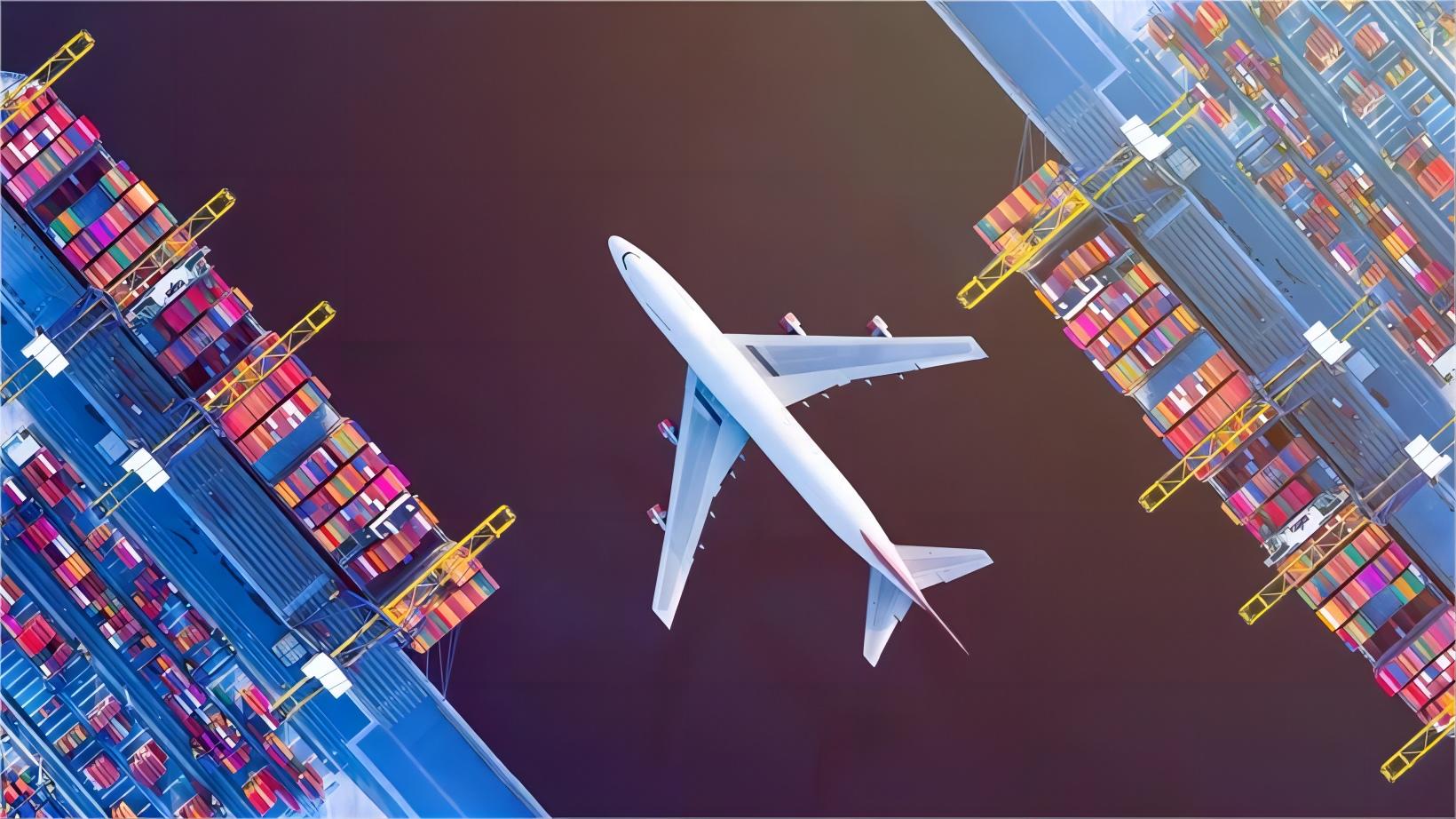
❖China’s position as the world’s manufacturing powerhouse makes it a primary sourcing destination for businesses globally. Indeed, its vast production capabilities offer competitive pricing and a diverse range of products. Therefore, companies in Dubai frequently leverage China’s industrial might to stock their markets.
Dubai, on the other hand, serves as a crucial trade hub, connecting East and West. Furthermore, its strategic location, advanced infrastructure, and business-friendly policies make it an ideal gateway for goods entering the Middle East, Africa, and beyond. As a result, efficient logistics service China to Dubai is paramount for capitalizing on these advantages.
Key Shipping Methods for Logistics Service China to Dubai
❖Selecting the appropriate shipping method is fundamental to successful logistics service China to Dubai. Your choice largely depends on factors like cargo volume, urgency, and budget. Here, we outline the primary options available for this route.
| Method | Cost Range (per kg/CBM) | Transit Time (China to Dubai) | Best For | Limitations |
|---|---|---|---|---|
| Sea Freight (LCL) | $50-90/CBM | 20-30 days | Large, non-urgent, heavy goods | Slow, potential for delays |
| Sea Freight (FCL) | $1200-2500/container | 18-25 days | High volume, dedicated space | Requires full container load |
| Air Freight | $3-6/kg | 3-7 days | Time-sensitive, high-value, perishable | High cost, weight/size restrictions |
| Express Service | $7-15/kg | 2-5 days | Small parcels, urgent documents, samples | Very high cost, strict size/weight limits |
Sea Freight: The Economical Choice
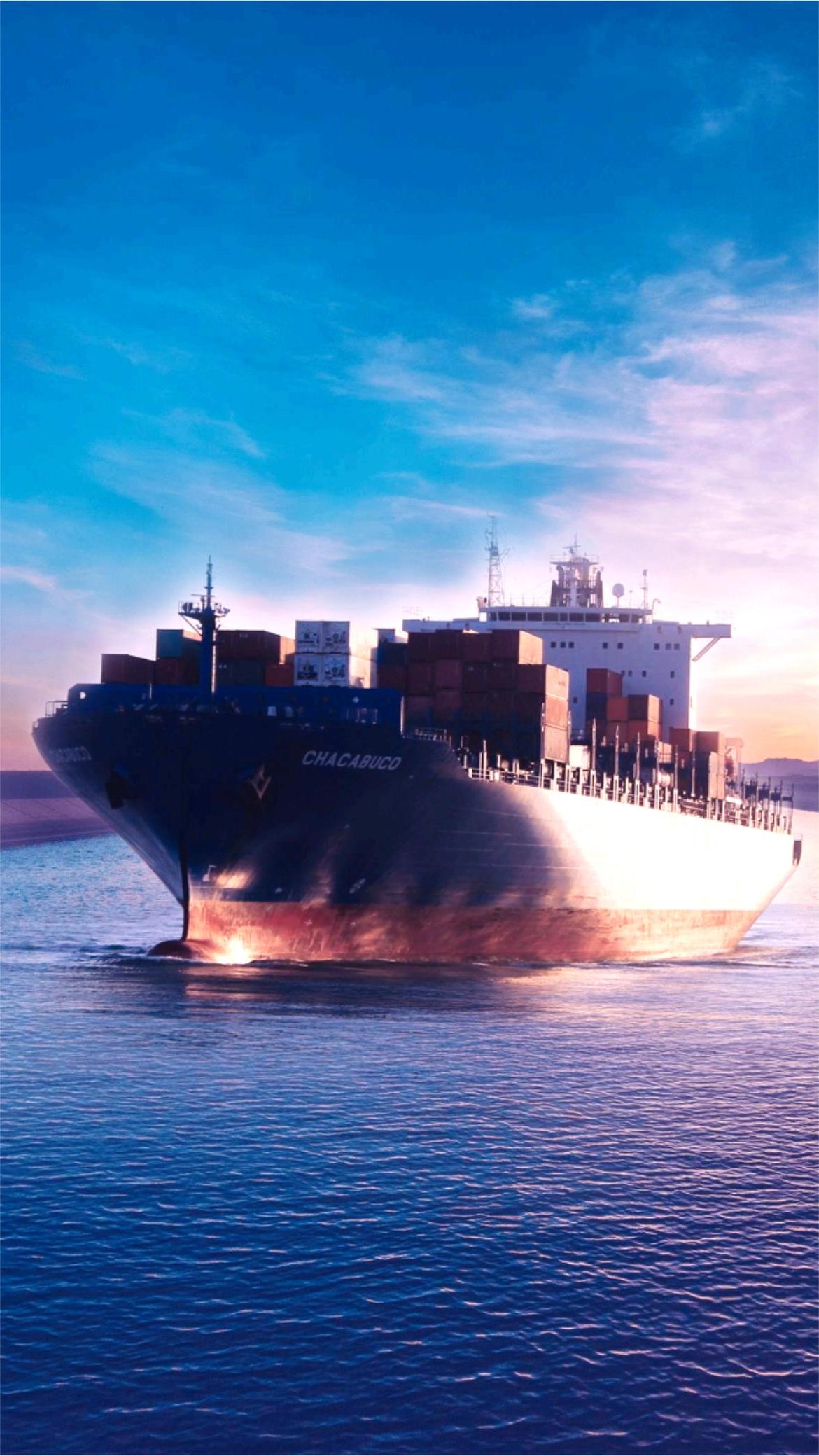
For large volumes and non-urgent shipments, sea freight remains the most cost-effective solution. Consequently, it is ideal for bulk goods, heavy machinery, and products with longer lead times. Shipments can be sent as Full Container Load (FCL) or Less than Container Load (LCL).
FCL involves reserving an entire container (20ft or 40ft) for your goods, offering greater security and faster transit times compared to LCL. Conversely, LCL allows you to share container space with other shippers, making it suitable for smaller shipments that don’t fill a full container. However, LCL often involves more handling and slightly longer transit due to consolidation.
Air Freight: Speed and Urgency
When speed is a priority, air freight offers significantly shorter transit times, typically ranging from 3 to 7 days. This method is perfect for high-value goods, perishable items, and time-sensitive products. Nevertheless, the cost per kilogram is considerably higher than sea freight.
Moreover, air freight is subject to strict regulations regarding cargo type and weight. Therefore, careful planning and adherence to international aviation rules are essential. Despite the higher cost, the reduced transit time can significantly impact inventory management and market responsiveness.
Express Service: Small Packages, Fast Delivery
For very small packages or documents requiring door-to-door delivery within a few days, express service is unparalleled. Major international couriers handle these shipments efficiently, often providing customs clearance and direct delivery. This service is particularly popular for e-commerce samples or urgent components.
While the fastest option, express service is also the most expensive per kilogram. However, the convenience and speed often outweigh the cost for critical small shipments. It offers end-to-end tracking and minimal hassle for the shipper.
Navigating Customs and Documentation for Dubai Imports
❖Efficient customs clearance is a critical component of successful customs brokerage and logistics service China to Dubai. Inaccurate or incomplete documentation can lead to significant delays, fines, and additional storage costs. Therefore, understanding Dubai’s import regulations is essential.
The UAE, including Dubai, has specific requirements for imported goods, including product conformity assessments and labeling. Furthermore, certain goods may require special permits or licenses. Collaborating with an experienced freight forwarder or customs broker can significantly simplify this complex process.
| Document | Purpose | Notes |
|---|---|---|
| Commercial Invoice | Details of goods, value, seller, buyer | Must be accurate for customs valuation |
| Packing List | Details of contents, weight, dimensions per package | Aids in inspection and cargo handling |
| Bill of Lading (Sea) / Air Waybill (Air) | Contract between shipper and carrier, title to goods | Essential for cargo release at destination |
| Certificate of Origin | Confirms country of manufacture | Required for preferential tariffs or trade agreements |
| Import Permit/License | Required for restricted or controlled goods | Obtained from relevant UAE authorities |
| Product Conformity Certificate | Ensures products meet UAE safety standards | Mandatory for many consumer goods |
Optimizing Shipping Costs and Transit Times
❖Managing costs and ensuring timely delivery are constant challenges in international shipping. Nevertheless, several strategies can help optimize your door-to-door logistics service China to Dubai.
Factors Influencing Freight Rates
Freight rates are dynamic and influenced by numerous factors. For instance, global fuel prices directly impact transportation costs. Furthermore, peak seasons, such as before major holidays or during Q4, can lead to increased demand and consequently higher rates. Moreover, the volume and type of cargo also play a significant role.
Incoterms (International Commercial Terms) also define responsibilities and costs between buyer and seller, impacting the final landed cost. Therefore, choosing the right Incoterm can help manage your budget effectively. Understanding these variables allows for better forecasting and budgeting.
Strategies for Cost-Effective Shipping
To reduce shipping expenses, consider consolidating multiple smaller shipments into a larger LCL or FCL shipment. This approach often results in lower per-unit costs. Additionally, booking in advance, especially during off-peak seasons, can secure more favorable rates.
Furthermore, exploring different carriers and negotiating long-term contracts with a reliable freight forwarder can yield significant savings. Always compare quotes from various providers to ensure competitive pricing. Lastly, minimizing packaging while ensuring adequate protection can reduce volumetric weight and save costs.
How Does Sea Freight Compare to Other Shipping Options?
❖Sea freight often serves as the backbone for logistics service China to Dubai, especially for bulk goods. However, understanding its comparative advantages and limitations against other methods is vital for strategic decision-making. This section provides an objective analysis of viable alternatives for this route.
Comprehensive Shipping Comparison: China to Dubai
Choosing the right method hinges on your specific priorities. While sea freight is cost-effective, air and express options offer speed for urgent needs. Consider the trade-offs between cost, time, and cargo characteristics.
| Shipping Method | Cost Range (Approx.) | Transit Time (Approx.) | Best For | Limitations |
|---|---|---|---|---|
| Sea Freight (FCL) | $1,200 – $2,500 per container | 18-25 days | Large volumes, heavy goods, non-urgent | Slow, port-to-port only (needs inland transport) |
| Sea Freight (LCL) | $50 – $90 per CBM | 20-30 days | Smaller shipments (under 15 CBM), cost-sensitive | Slower than FCL, more handling, potential for delays |
| Air Freight | $3 – $6 per kg | 3-7 days | Time-sensitive, high-value, perishable goods | High cost, weight and size restrictions |
| Express Courier | $7 – $15 per kg | 2-5 days | Small parcels, samples, urgent documents | Very high cost, strict size/weight limits, not for bulk |
Alternative Strategies and Hybrid Solutions
For shipments where sea freight is too slow but air freight is too expensive, hybrid solutions can offer a middle ground. For example, a ‘sea-air’ combination involves shipping goods by sea from China to a transshipment hub (e.g., Singapore), then by air to Dubai. This approach balances cost and speed, reducing overall transit time compared to pure sea freight.
Moreover, consider the choice between FCL and LCL carefully. For shipments under 15 CBM, LCL at $50-90/CBM may be more economical than a full container. However, if your volume approaches 15-20 CBM, an FCL might offer better value and faster transit. Additionally, direct shipping routes are typically faster but can be 10-15% more expensive than routes involving transshipment through intermediary ports.
Which Option Should You Choose? A Decision Framework
Your decision ultimately depends on your specific business needs. If budget is your primary priority, sea freight (LCL or FCL) is the recommended option. Conversely, if speed is paramount, air freight or express service will be more suitable. Consider your cargo type as well; perishables or high-value electronics often require faster, more secure methods.
Furthermore, volume thresholds are critical. For instance, if you regularly ship goods that fill less than half a container, LCL is probably best. However, once your volume consistently exceeds 15 CBM, it’s worth evaluating FCL for potentially better rates and efficiency. Always obtain current quotes to make an informed decision based on prevailing market rates.
Real-World Scenarios: Logistics Service China to Dubai
❖To illustrate the practical application of logistics service China to Dubai, here are a few realistic case studies. These examples highlight how different factors influence shipping decisions and outcomes.
Case Study 1: Large Volume, Cost-Sensitive Goods
| Detail | Description |
|---|---|
| Route | Ningbo, China to Jebel Ali Port, Dubai |
| Cargo | Plastic household goods, 40 CBM, 8,000 kg |
| Container | 1 x 40HQ |
| Shipping Details | Carrier: COSCO; Port of Loading: Ningbo; Port of Discharge: Jebel Ali; Route Type: Direct |
| Cost Breakdown (Based on Q3 2024 market rates) | Ocean Freight: $1,850; Origin Charges: $450; Destination Charges: $300; Customs & Duties (estimated): $500; Total Landed Cost: $3,100 |
| Timeline | Booking to Loading: 5 days; Sea Transit: 20 days; Customs Clearance: 3 days; Total Door-to-Door: 28 days |
| Key Insight | Choosing FCL sea freight provided the best cost efficiency for this bulk shipment, despite the longer transit time. Direct route minimized transshipment risks. |
Case Study 2: Time-Sensitive E-commerce Products
| Detail | Description |
|---|---|
| Route | Shenzhen, China to Dubai International Airport (DXB) |
| Cargo | Latest smartphone accessories, 1.5 CBM, 250 kg |
| Container | Air Cargo |
| Shipping Details | Carrier: Emirates SkyCargo; Port of Loading: Shenzhen; Port of Discharge: DXB; Route Type: Direct |
| Cost Breakdown (Typical rates as of early 2025) | Air Freight: $1,250 ($5/kg); Origin Charges: $150; Destination Charges: $100; Customs & Duties (estimated): $200; Total Landed Cost: $1,700 |
| Timeline | Booking to Loading: 2 days; Air Transit: 4 days; Customs Clearance: 1 day; Total Door-to-Door: 7 days |
| Key Insight | Air freight ensured rapid market entry for new products, leveraging Dubai’s status as a regional distribution hub, despite the higher per-kg cost. |
Case Study 3: Specialized Industrial Equipment
| Detail | Description |
|---|---|
| Route | Shanghai, China to Jebel Ali Port, Dubai |
| Cargo | Precision manufacturing machine, 10 CBM, 2,000 kg |
| Container | LCL (Less than Container Load) |
| Shipping Details | Carrier: Maersk (LCL service); Port of Loading: Shanghai; Port of Discharge: Jebel Ali; Route Type: Transshipment via Singapore |
| Cost Breakdown (Industry average for this route) | Ocean Freight: $750 ($75/CBM); Origin Charges: $300; Destination Charges: $250; Customs & Duties (estimated): $400; Total Landed Cost: $1,700 |
| Timeline | Booking to Loading: 7 days; Sea Transit: 25 days; Customs Clearance: 3 days; Total Door-to-Door: 35 days |
| Key Insight | LCL was chosen for its cost-effectiveness for a shipment that didn’t fill a full container. The transshipment added a few days but offered a better rate. Note: Freight rates are subject to change based on fuel costs, carrier capacity, and seasonal demand. Contact us for a current quote tailored to your specific shipment. |
The Role of a Reliable Freight Forwarder in China to Dubai Logistics
❖Partnering with an experienced freight forwarder is crucial for streamlining your logistics service China to Dubai. A good forwarder offers expertise in international shipping regulations, customs procedures, and carrier selection. Furthermore, they can provide valuable insights into optimizing routes and costs.
Top China Freight excels in providing comprehensive logistics solutions from China to Dubai. We manage everything from cargo pickup and warehousing to customs clearance and final delivery. Our extensive network and local knowledge ensure your goods arrive safely and efficiently. We focus on transparent communication and reliable service, making your shipping experience hassle-free.
Seamless Shipping: Mastering Logistics Service China to Dubai
Navigating the complexities of <a href=”https://Top China Freight.com/”>logistics service China to Dubai</a> requires careful planning and strategic decision-making. By understanding the various shipping methods, customs requirements, and cost-optimization strategies, businesses can ensure efficient and cost-effective delivery of their goods. Partnering with a reliable freight forwarder further simplifies this intricate process, offering peace of mind and operational excellence.
Ultimately, a well-executed logistics plan is key to leveraging the immense trade opportunities between China and Dubai. We encourage you to explore all options and choose solutions that best fit your business objectives and budget. Efficient logistics are a cornerstone of international trade success.
Ready to streamline your logistics?
Ready to optimize your shipping strategy from China to Dubai? Contact us today for a personalized quote and discover how our expert logistics service can benefit your business. Let us handle the complexities while you focus on growth.
Request Quote