

Rail Freight China to France: Your Ultimate Shipping Guide
For businesses navigating the complexities of international logistics, efficient shipping from China to France is paramount. Consequently, Top China Freight offers comprehensive solutions, with rail freight emerging as a compelling option. This guide explores how rail freight from China to France provides a balanced approach to speed, cost, and reliability.

Understanding Rail Freight from China to France
The journey for goods traveling from China to France demands strategic planning. Indeed, choosing the right shipping method significantly impacts supply chain efficiency and profitability. Rail freight, often referred to as the ‘New Silk Road,’ offers a robust alternative to traditional sea and air transport.
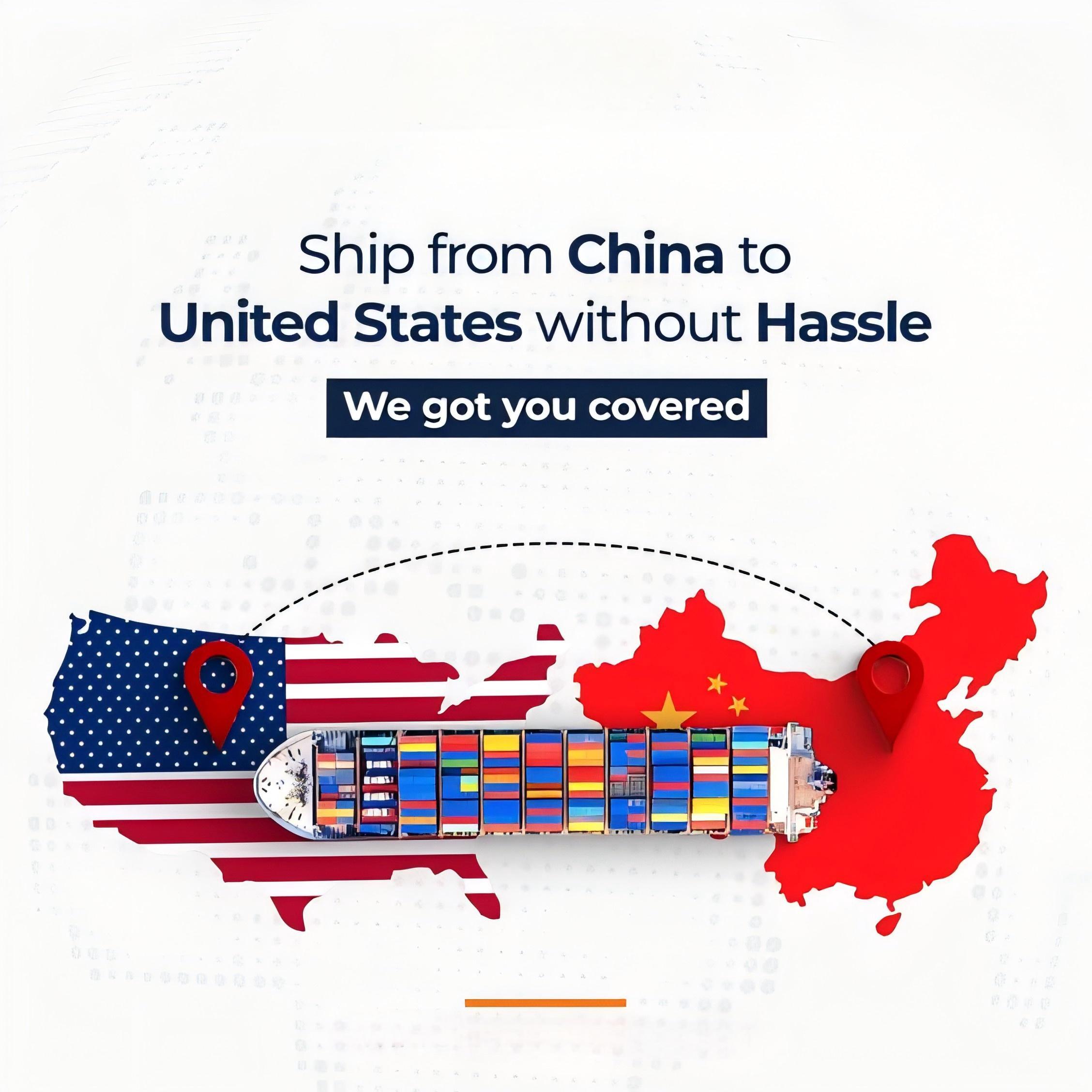
This mode of transport has gained substantial traction due to its unique blend of advantages. Furthermore, it provides a crucial link between Asian manufacturing hubs and European markets, including France, effectively bridging geographical distances with optimized transit times.
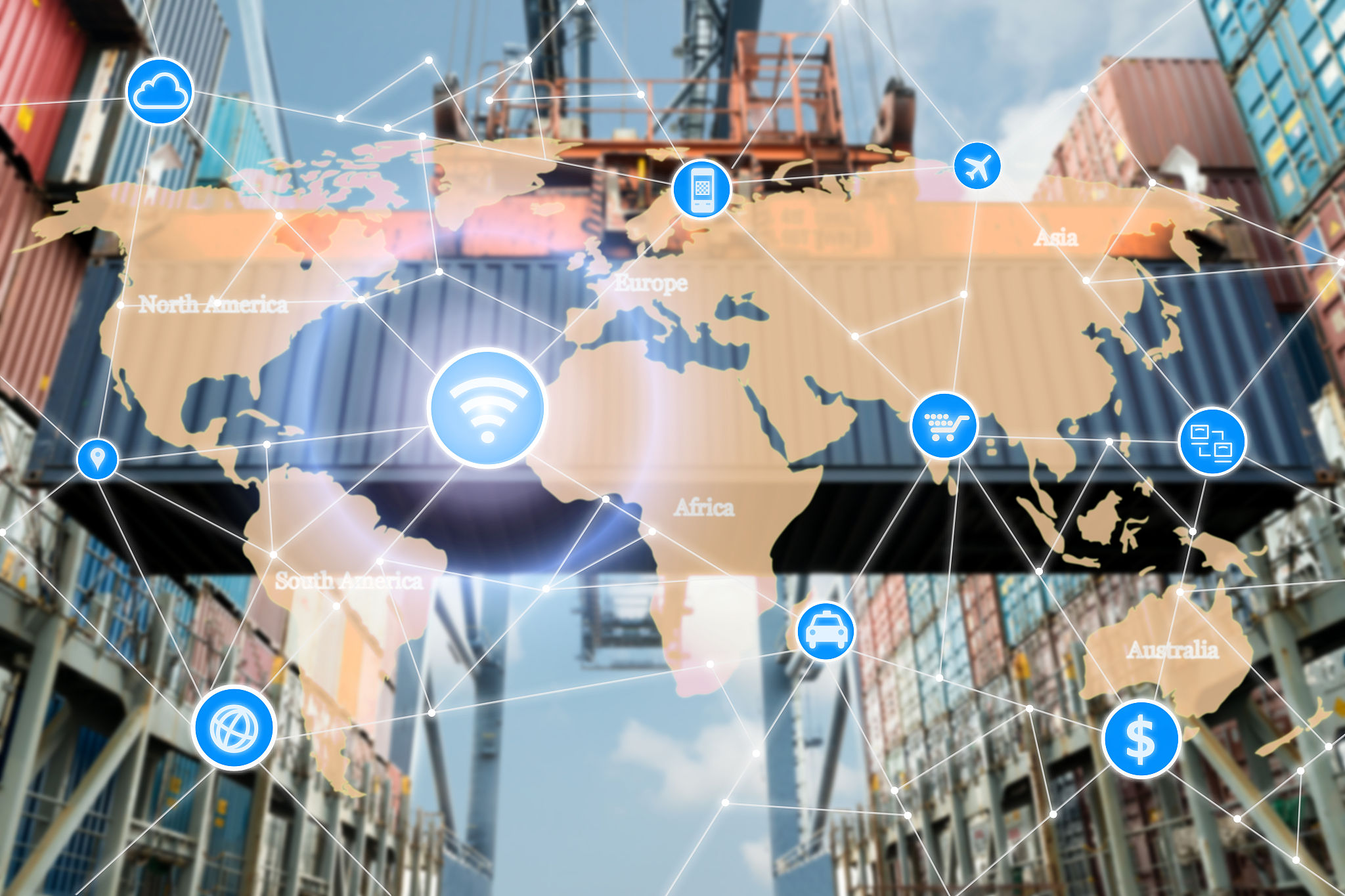
The New Silk Road: Connecting Continents
The New Silk Road, or the China-Europe Railway Express, represents a vast network of rail lines. Primarily, these routes connect major Chinese cities with key European logistics hubs. Importantly, this infrastructure facilitates consistent and reliable cargo movement, serving as a vital artery for international trade.
Moreover, these rail routes traverse multiple countries, offering a land bridge for goods. Consequently, this connectivity supports a growing demand for timely and cost-effective shipping solutions, making rail freight China to France an increasingly popular choice.
Key Benefits of Choosing Rail Freight
Opting for rail freight from China to France brings several distinct benefits. Firstly, it offers significantly faster transit times compared to ocean freight, often cutting delivery schedules by half. Secondly, it presents a more economical alternative to air freight, especially for heavy or bulky cargo.
Additionally, rail transport boasts a lower carbon footprint than air shipping, aligning with sustainability goals. Without a doubt, its reliability and consistent scheduling reduce supply chain uncertainties. Ultimately, this makes it an attractive option for businesses seeking a balance of speed, cost, and environmental responsibility.
How Does Rail Freight China to France Work?
Implementing rail freight for your shipments from China to France involves several coordinated steps. Generally, cargo is collected from the supplier in China and transported to a main rail hub. From there, it embarks on its cross-continental journey.
Upon arrival at a European rail terminal, goods undergo customs clearance and are then distributed for final delivery. Therefore, understanding this process helps in planning and managing your logistics effectively.
The Journey: Route and Hubs
The primary routes for rail freight from China to France typically originate from major Chinese cities like Chongqing, Chengdu, Wuhan, or Xi’an. These trains then travel through Central Asia, Russia, Belarus, Poland, and Germany. Ultimately, they reach European rail hubs such as Duisburg or Hamburg, which act as gateways to France.
From these European hubs, cargo is often transshipped to France via rail or truck for last-mile delivery. Consequently, this extensive network ensures broad coverage and efficient transit. Furthermore, specialized services like door to door delivery can streamline this complex journey.
Types of Rail Freight Services
When considering rail freight China to France, businesses can choose between different service types. Full Container Load (FCL) involves dedicating an entire container to a single shipper’s goods. This option is ideal for large volumes, ensuring cargo security and faster handling.
Conversely, Less than Container Load (LCL) allows multiple shippers to share space within a single container. Therefore, LCL is a cost-effective solution for smaller shipments that do not require a full container. This flexibility caters to various cargo sizes and budgetary requirements.
Rail Freight China to France: Transit Times and Costs
Assessing the transit time and shipping costs is crucial for any logistics decision. Indeed, rail freight provides a competitive edge in both aspects for the China to France route. Understanding these elements helps businesses budget accurately and manage expectations.
Generally, transit times are significantly shorter than sea freight, yet more affordable than air freight. Consequently, this makes it an attractive middle-ground solution for many importers.
| Service Type | Transit Time (Days) | Cost Range (USD per 40’HQ) | Best For |
|---|---|---|---|
| Standard Rail FCL | 18-22 | $7,000 – $9,500 | Large, non-urgent shipments |
| Standard Rail LCL | 20-25 | $250 – $450 per CBM | Smaller, flexible shipments |
| Express Rail FCL | 16-19 | $9,000 – $11,000 | Time-sensitive, large shipments |
| Express Rail LCL | 17-20 | $350 – $600 per CBM | Time-sensitive, smaller shipments |
Factors Influencing Transit Time
Several factors impact the total transit time for rail freight from China to France. The specific origin city in China and the final destination in France play a significant role. Direct routes generally offer quicker transits than those involving multiple transfers.
Additionally, customs clearance procedures at various borders can influence the overall schedule. Moreover, seasonal demand, railway congestion, and unforeseen operational delays can also affect delivery schedules. Therefore, it is wise to factor in a buffer for potential variances.
Cost Components of Rail Freight
The total cost of rail freight China to France includes several components. These typically encompass the base freight rate, terminal handling charges (THC) at both origin and destination, and customs brokerage fees. Furthermore, trucking costs for pick-up and last-mile delivery are usually included in a comprehensive quote.
Other potential costs might include cargo insurance, special handling fees for oversized or hazardous goods, and any applicable duties and taxes. As a result, securing a detailed quote that outlines all charges is essential for accurate budgeting. Current market rates (Q1 2025) suggest competitive pricing compared to other modes.
Customs and Documentation for China-France Rail
Navigating customs procedures is a critical aspect of any international shipment, especially for rail freight China to France. Proper documentation and adherence to regulations are essential to avoid delays and additional costs. Therefore, understanding the requirements beforehand streamlines the entire process.
Both Chinese export customs and French import customs have specific protocols that must be followed. Consequently, engaging with experienced freight forwarders or customs brokers can significantly simplify this complex step. Consider customs brokerage services for seamless operations.
Essential Documents Checklist
For rail freight from China to France, a comprehensive set of documents is required. This typically includes the Commercial Invoice, Packing List, Bill of Lading (or Waybill for rail), and a Certificate of Origin. Furthermore, specific product certifications or licenses may be necessary depending on the goods being shipped.
Additionally, customs declarations for both export and import are mandatory. Ensuring all documents are accurate and complete prevents potential hold-ups. Therefore, meticulous preparation is key to smooth customs clearance.
Navigating French Customs
Upon arrival in France, your rail cargo will undergo French import customs procedures. This involves verifying documentation, assessing duties and taxes, and potentially physical inspections. Moreover, adherence to EU import regulations, including VAT and specific product standards, is paramount.
Working with a knowledgeable local agent or a freight forwarder with strong European network is highly recommended. Indeed, they can help ensure compliance and expedite the clearance process. This expertise minimizes risks associated with international trade regulations.
How Does Rail Freight Compare to Other Shipping Options?
When planning shipments from China to France, businesses typically weigh rail freight against other established methods. Each option offers distinct advantages and disadvantages concerning cost, speed, and capacity. Therefore, an objective analysis is crucial for making an informed decision.
Comparing these alternatives helps identify the most suitable logistics strategy for specific business needs and cargo types. Consequently, this ensures efficient supply chain management.
| Shipping Method | Cost Range (40’HQ) | Transit Time (Days) | Best For | Limitations |
|---|---|---|---|---|
| Rail Freight | $7,000 – $11,000 | 18-25 | Balanced speed & cost, mid-volume | Limited flexibility in routes, not door-to-door by default |
| Sea Freight | $3,000 – $5,000 | 30-45 | Large volume, non-urgent, lowest cost | Slowest, port congestion risks |
| Air Freight | $15,000 – $25,000 | 5-8 | Urgent, high-value, small volume | Highest cost, limited cargo size/weight |
| Express Service | $20,000 – $35,000 | 3-5 | Very urgent, small packages/documents | Extremely high cost, strict weight/size limits |
Alternative Shipping Strategies and Hybrid Solutions
While rail freight China to France offers a compelling solution, exploring alternative and hybrid strategies can further optimize your logistics. Indeed, a diversified approach can mitigate risks and enhance efficiency. Therefore, considering various combinations allows for greater flexibility.
These strategies cater to different priorities, whether it is cost-saving, increased speed, or specific cargo requirements. Consequently, understanding these options empowers businesses to make more strategic choices.
Sea-Rail Intermodal Transport
For businesses looking to balance cost and speed, a sea-rail intermodal solution can be highly effective. This involves shipping goods by sea from China to a European port, such as Hamburg or Rotterdam. Subsequently, the cargo is transferred to rail for onward transit to France.
This approach typically reduces overall transit time compared to pure sea freight to France, while remaining more cost-effective than pure rail. Moreover, it leverages the strengths of both modes. For example, sea freight handles the long-haul economically, and rail provides faster inland distribution.
Air-Rail Combinations for Specific Needs
In certain scenarios, an air-rail combination offers a unique blend of speed and reach. This might involve air freighting goods from China to a central European hub, then utilizing rail for efficient distribution across France. This strategy is particularly useful for time-sensitive, high-value goods that need rapid transit to Europe but can then benefit from rail’s efficiency for the final leg.
However, this option is generally more expensive than pure rail or sea-rail. Consequently, it is best suited for urgent deliveries where the cost premium is justified. Consider air freight for the fastest initial transit.
Cost-Saving Tips and Trade-offs
To optimize shipping costs, consider consolidating smaller shipments into LCL rail freight. Moreover, planning shipments outside of peak seasons (e.g., Q4 holidays) can result in lower freight rates. Booking in advance also often secures better pricing.
However, these cost savings often come with trade-offs, such as slightly longer transit times or less direct routing. Furthermore, investing in robust cargo handling and packaging can prevent damage, ultimately saving costs. Therefore, a careful assessment of priorities is essential.
Which Option Should You Choose for Your Shipments?
Selecting the optimal shipping method from China to France depends entirely on your specific business priorities. Indeed, there is no one-size-fits-all solution in international logistics. Therefore, a structured decision framework can guide your choice.
Consider your budget, urgency, cargo characteristics, and volume thresholds. Consequently, aligning your choice with these factors ensures the most efficient and cost-effective supply chain.
Budget Priority
If minimizing shipping costs is your primary concern, sea freight typically offers the most economical solution. It is ideal for large volumes where transit time is not critical. For slightly faster transit at a still reasonable cost, standard rail freight is an excellent alternative. However, always request a current quote as rates fluctuate based on fuel surcharges and market capacity (as of Q1 2025).
Speed Priority
For urgent shipments, air freight or express service is unparalleled in speed, delivering goods in a matter of days. If you need a balance of speed and cost, express rail freight offers a significant improvement over standard rail. This option is perfect for time-sensitive cargo that doesn’t warrant air freight’s premium price tag. For instance, fast-moving consumer goods often benefit from express rail.
Cargo Type and Volume Considerations
The nature and volume of your cargo also dictate the best shipping method. For heavy, bulky, or non-perishable goods in large quantities, sea freight or FCL rail are often preferred. Conversely, smaller, lighter, or high-value items might be better suited for LCL rail or air freight.
For example, delicate electronics or pharmaceuticals might require specialized handling and faster transit, making air or express rail more appropriate. Furthermore, for e-commerce businesses, specific services like Amazon FBA shipping leverage optimized routes and customs procedures, regardless of the core transport method.
Real-World Case Studies: Rail Freight China to France
Examining actual shipping scenarios provides valuable insights into the practical application of rail freight from China to France. These case studies highlight how different businesses leverage this shipping method to meet their unique logistical needs. Indeed, they showcase the versatility and effectiveness of rail transport.
These examples demonstrate the balance between transit time, cost efficiency, and cargo characteristics. Consequently, they offer a clearer picture of what to expect for your own shipments.
Case Study 1: High-Value Electronics
| Detail | Value |
|---|---|
| Route | Shenzhen, China -> Lyon, France |
| Cargo | High-end consumer electronics, 15 CBM, 4,500 kg |
| Container | LCL 15 CBM |
| Shipping Details | |
| – Carrier/Service | Major rail operator via Xi’an |
| – Port of Loading (Rail Terminal) | Xi’an International Port |
| – Port of Discharge (Rail Terminal) | Duisburg, Germany (then truck to Lyon) |
| – Route Type | Direct rail to Germany, then intermodal to France |
| Cost Breakdown (Based on Q3 2024 rates) | |
| – Rail Freight | $5,250 (350 USD/CBM) |
| – Origin Charges | $350 |
| – Destination Charges (Duisburg to Lyon) | $800 (trucking + terminal handling) |
| – Customs & Duties (estimated) | $1,200 |
| – Total Landed Cost | $7,600 |
| Timeline | |
| – Booking to Loading | 5 days |
| – Rail Transit | 19 days |
| – Customs Clearance | 3 days |
| – Total Door-to-Door | 27 days |
| Key Insight | Rail freight offered a significant speed advantage over sea freight for these electronics, without the prohibitive cost of air freight. The intermodal leg from Duisburg to Lyon was efficient. |
Case Study 2: Apparel and Textiles
| Detail | Value |
|---|---|
| Route | Ningbo, China -> Paris, France |
| Cargo | Seasonal apparel and textiles, 40HQ, 9,000 kg |
| Container | 40HQ |
| Shipping Details | |
| – Carrier/Service | Rail Express Service |
| – Port of Loading (Rail Terminal) | Yiwu West Railway Station (from Ningbo via truck) |
| – Port of Discharge (Rail Terminal) | Paris (Garonor Terminal) |
| – Route Type | Direct rail to Paris |
| Cost Breakdown (Typical rates as of early 2025) | |
| – Rail Freight | $9,800 |
| – Origin Charges | $450 |
| – Destination Charges | $600 |
| – Customs & Duties (estimated) | $1,500 |
| – Total Landed Cost | $12,350 |
| Timeline | |
| – Booking to Loading | 4 days |
| – Rail Transit | 17 days |
| – Customs Clearance | 2 days |
| – Total Door-to-Door | 23 days |
| Key Insight | This client chose rail express for faster delivery of seasonal fashion, ensuring products hit the market sooner than with sea freight. The direct route to Paris was a key advantage. |
Case Study 3: Industrial Components
| Detail | Value |
|---|---|
| Route | Chongqing, China -> Marseille, France |
| Cargo | Heavy industrial components, 20GP, 20,000 kg |
| Container | 20GP |
| Shipping Details | |
| – Carrier/Service | Standard Rail Freight |
| – Port of Loading (Rail Terminal) | Chongqing Tuanjiecun Station |
| – Port of Discharge (Rail Terminal) | Duisburg, Germany (then rail to Marseille) |
| – Route Type | Rail to Germany, then intermodal rail to France |
| Cost Breakdown (Based on Q4 2024 market rates) | |
| – Rail Freight | $7,200 |
| – Origin Charges | $300 |
| – Destination Charges (Duisburg to Marseille) | $950 (rail + terminal handling) |
| – Customs & Duties (estimated) | $1,800 |
| – Total Landed Cost | $10,250 |
| Timeline | |
| – Booking to Loading | 6 days |
| – Rail Transit | 21 days |
| – Customs Clearance | 4 days |
| – Total Door-to-Door | 31 days |
| Key Insight | For heavy components, rail offered a cost-effective alternative to air, with better speed than sea freight. The intermodal rail connection from Germany to southern France proved reliable for this bulk cargo. Note: Freight rates are subject to change based on fuel costs, carrier capacity, and seasonal demand. Contact us for a current quote tailored to your specific shipment. |
Partnering with a Reliable Freight Forwarder
Navigating the intricacies of international shipping, especially for rail freight China to France, demands expert assistance. Indeed, a professional freight forwarder acts as your crucial logistics partner. Consequently, they ensure your cargo moves smoothly and efficiently across continents.
Choosing the right partner significantly impacts your supply chain’s success. Therefore, selecting a forwarder with extensive experience in the China-Europe rail corridor is paramount.
Why Expertise Matters for China-France Routes
An experienced freight forwarder possesses in-depth knowledge of complex rail routes, customs regulations, and potential transit challenges. They can anticipate issues and proactively implement solutions. Furthermore, their network of contacts in both China and France streamlines communication and coordination.
This expertise is invaluable in optimizing transit times, minimizing shipping costs, and ensuring compliance with all international trade laws. Without a doubt, a skilled partner provides peace of mind throughout the shipping process.
Services Offered by Top China Freight
At Top China Freight, we specialize in comprehensive logistics solutions for the China-Europe corridor, including dedicated rail freight services to France. We manage everything from origin pick-up and consolidation to customs clearance and last-mile delivery. Our services ensure end-to-end visibility and control.
We offer competitive freight rates, reliable transit times, and personalized customer support. Furthermore, our team handles all necessary documentation and provides real-time tracking updates. Ultimately, we aim to simplify your import/export operations, making rail freight China to France accessible and efficient for your business.
Conclusion: The Future of Rail Freight China to France
In summary, rail freight from China to France stands as a powerful and increasingly popular shipping solution. It offers a compelling balance of speed, cost-effectiveness, and reliability, positioning itself as a vital component of modern supply chains. Businesses can significantly enhance their logistics efficiency by leveraging this intercontinental connection.
The ongoing development of the New Silk Road further solidifies rail freight’s role in global trade. Ultimately, partnering with an experienced freight forwarder is key to unlocking the full potential of rail freight China to France, ensuring seamless and successful cargo delivery.
Need a tailored shipping solution?
Ready to optimize your supply chain with efficient rail freight from China to France? Our expert team is prepared to provide tailored solutions and competitive quotes. Contact us today to discuss your specific shipping needs and discover how we can streamline your logistics.