

Cosmetics Sea Freight from China: Your Ultimate Shipping Guide
“Importing cosmetics from China can significantly boost your business, offering access to a vast manufacturing base. However, the complexities of international logistics, particularly for sensitive beauty products, often present significant challenges. This guide will thoroughly explain how to master cosmetics sea freight from China, ensuring your products arrive safely and cost-effectively.”
Why Consider Cosmetics Sea Freight from China?
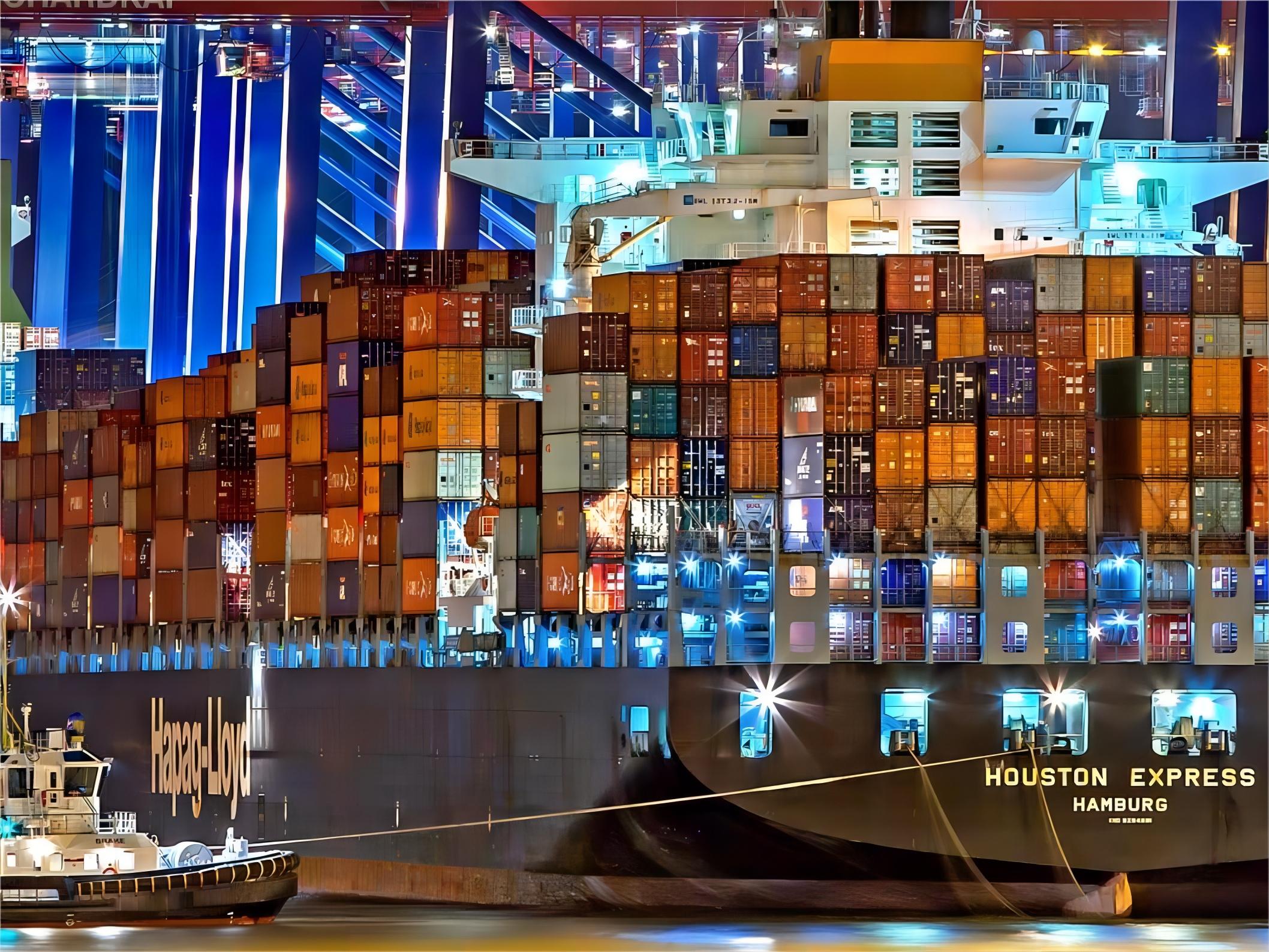
❖Sea freight stands out as the most economical option for shipping large volumes of goods, especially when importing cosmetics from China. This method is particularly suitable for non-urgent, heavy, or bulky shipments, offering substantial cost savings compared to air freight.
Indeed, businesses frequently choose ocean shipping to maintain competitive pricing for their beauty products. It allows for greater inventory control and helps manage the overall supply chain effectively. Moreover, it is ideal for businesses focused on long-term inventory planning.
When shipping beauty products from China, understanding the nuances of sea freight is crucial. This includes navigating freight rates, transit times, and various cargo handling procedures. Consequently, a well-planned sea freight strategy can significantly impact your bottom line.
How Does Sea Freight Compare to Other Shipping Options?
❖Choosing the right shipping method is paramount for successful cosmetics imports. Each option presents unique trade-offs between cost, speed, and suitability for different cargo types. Consequently, a careful evaluation is essential for optimizing your supply chain.
For example, while sea freight is economical, air freight offers unparalleled speed. Therefore, understanding these differences helps in making informed decisions about your delivery schedule.
Considering the varying needs of cosmetic products, from sensitive formulations to large volumes of packaging materials, a flexible logistics strategy is often best. This could involve a hybrid approach, combining methods for different parts of your shipment.
| Shipping Method | Cost Range (per kg/CBM) | Transit Time (China-US/EU) | Best For | Limitations |
|---|---|---|---|---|
| Sea Freight (LCL) | $50-80/CBM | 25-45 days | Small-medium volumes, non-urgent, cost-sensitive | Longer transit, potential delays |
| Sea Freight (FCL) | $2,000-6,000/container | 20-40 days | Large volumes, bulk goods, stable supply | Requires full container, less flexible |
| Air Freight | $4-8/kg | 3-8 days | Urgent, high-value, small volumes, samples | High cost, weight/volume restrictions |
| Express Service | $8-15/kg | 2-5 days | Very urgent, small packages, documents | Highest cost, strict size/weight limits |

Which Option Should You Choose?
Making the right choice depends heavily on your priorities. For instance, if budget is your primary concern and time is flexible, sea freight is generally the best option. Conversely, if speed is critical, air freight is superior.
Furthermore, the type of cosmetic product plays a significant role. Highly sensitive or high-value items might benefit from faster transit, while bulk raw materials are often suited for slower, more cost-effective shipping. Therefore, assess your specific product needs carefully.
| Priority | Recommendation | Considerations |
|---|---|---|
| Budget Priority | Sea Freight (LCL/FCL) | Longer transit times, significant cost savings for volume |
| Speed Priority | Air Freight / Express | Higher costs, ideal for urgent or high-value items |
| Cargo Type (Sensitive) | Air Freight / Temperature-Controlled Sea | Special handling, higher costs, reduced risk |
| Volume Thresholds | LCL (under 15 CBM), FCL (over 15 CBM) | Optimize container space for cost efficiency |
Navigating Regulations and Customs for Cosmetic Imports
❖Importing cosmetics into any country involves stringent regulatory compliance. Each destination market, whether North America or Europe, has specific rules governing product safety, labeling, and ingredients.
Indeed, understanding these import regulations for cosmetics is crucial to avoid delays and penalties. Proper documentation, including Certificates of Analysis and Ingredient Lists, must accompany your shipment. Consequently, engaging a knowledgeable customs brokerage service is highly recommended.
Furthermore, accurate product classification (HS codes) is vital for determining correct duties and taxes. Misclassification can lead to significant issues, affecting your overall shipping costs and delivery schedule. Always ensure all paperwork is precise and complete.
What Factors Influence Cosmetics Sea Freight Rates?
❖Several key factors contribute to the overall cost of shipping beauty products from China. Understanding these elements allows businesses to better manage their budget and forecast expenses accurately. Therefore, a comprehensive overview is essential.
Firstly, the volume and weight of your shipment directly impact whether Less than Container Load (LCL) or Full Container Load (FCL) is more cost-effective. FCL generally offers a lower per-unit cost for larger quantities, whereas LCL is suitable for smaller volumes.
Secondly, the chosen route and destination port significantly affect freight rates and transit time. Direct routes are often faster but can be more expensive than routes involving transshipment. Moreover, seasonal demand, fuel surcharges, and port congestion can also cause fluctuations in price.
Finally, additional services like warehousing, insurance, and door to door delivery add to the total landed cost. Always request a detailed quote to understand all components of your shipping expenses. Note: Freight rates are subject to change based on fuel costs, carrier capacity, and seasonal demand. Contact us for a current quote tailored to your specific shipment.
Real-World Case Studies: Cosmetics Shipping Success
❖Examining actual shipping scenarios provides valuable insights into the practicalities of cosmetics sea freight from China. These examples illustrate common challenges and successful strategies. Therefore, learning from these cases can help optimize your own logistics.
Each case highlights different aspects, from managing large volumes to dealing with specific product requirements. Understanding these diverse situations is key to planning effective import strategies. Consequently, these insights can inform your decision-making process.
Case Study 1: Large Volume Skincare Import to USA
This case demonstrates the efficiency of FCL shipping for a growing skincare brand. The client needed to replenish their popular product lines for the US market. Optimizing container space was crucial for cost-effectiveness.
| Detail | Description |
|---|---|
| Route | Shanghai, China -> Long Beach, USA |
| Cargo | Skincare products (serums, moisturizers), 28 CBM, 15,000 kg |
| Container | 40GP |
| Shipping Details | Carrier: COSCO, Port of Loading: Shanghai, Port of Discharge: Long Beach, Route Type: Direct |
| Cost Breakdown | Ocean Freight: $3,200, Origin Charges: $450, Destination Charges: $600, Customs & Duties (estimated): $1,500, Total Landed Cost: $5,750 (Based on Q3 2024 market rates) |
| Timeline | Booking to Loading: 5 days, Sea Transit: 16 days, Customs Clearance: 3 days, Total Door-to-Door: 24 days |
| Key Insight | Direct FCL route offered predictable transit and significant cost savings for this large volume. Careful planning of documentation prevented delays. |
Case Study 2: LCL Makeup Samples to Europe
A startup beauty brand required a smaller shipment of new makeup samples for market testing in Europe. LCL was the ideal solution, balancing cost with sufficient volume. This scenario highlights flexibility for smaller businesses.
| Detail | Description |
|---|---|
| Route | Ningbo, China -> Rotterdam, Netherlands |
| Cargo | Makeup palettes, 3 CBM, 250 kg |
| Container | LCL 3 CBM |
| Shipping Details | Carrier: Maersk (via consolidator), Port of Loading: Ningbo, Port of Discharge: Rotterdam, Route Type: Transshipment via Singapore |
| Cost Breakdown | Ocean Freight: $240, Origin Charges: $180, Destination Charges: $250, Customs & Duties (estimated): $300, Total Landed Cost: $970 (Typical rates as of early 2025) |
| Timeline | Booking to Loading: 7 days, Sea Transit: 30 days, Customs Clearance: 4 days, Total Door-to-Door: 45 days |
| Key Insight | LCL allowed cost-effective shipment for a smaller volume, though with a longer transit time due to consolidation and transshipment. |
Case Study 3: Temperature-Controlled Cosmetics to Australia
This case involved shipping sensitive cosmetic ingredients requiring specific temperature control to Australia. A reefer container was essential to maintain product integrity throughout the journey. This demonstrates specialized cargo handling.
| Detail | Description |
|---|---|
| Route | Shenzhen, China -> Sydney, Australia |
| Cargo | Temperature-sensitive cosmetic ingredients, 18 CBM, 10,000 kg |
| Container | 20GP Reefer |
| Shipping Details | Carrier: OOCL, Port of Loading: Shenzhen, Port of Discharge: Sydney, Route Type: Direct |
| Cost Breakdown | Ocean Freight: $2,800, Origin Charges: $550, Destination Charges: $700, Customs & Duties (estimated): $1,000, Total Landed Cost: $5,050 (Based on Q1 2025 market rates, reefer premium included) |
| Timeline | Booking to Loading: 6 days, Sea Transit: 15 days, Customs Clearance: 2 days, Total Door-to-Door: 25 days |
| Key Insight | Utilizing a reefer container ensured product integrity, albeit at a higher cost than standard dry containers. Efficient customs clearance was critical. |
Choosing the Right Freight Partner for Your Cosmetics
❖Selecting a reliable freight forwarder is paramount for smooth sea freight operations. A good partner understands the specific needs of cosmetic shipments, including handling sensitive materials and navigating complex regulations. Therefore, thorough vetting is essential.
Look for a partner with expertise in cosmetic import regulations and a strong network in both China and your destination country. They should offer comprehensive services, including customs clearance, warehousing, and potentially Amazon FBA prep. Moreover, transparent communication and tracking capabilities are vital.
For example, Top China Freight offers specialized solutions for shipping cosmetics from China. We provide end-to-end logistics support, ensuring your beauty products are handled with care and delivered efficiently. Our team is adept at managing all aspects of your supply chain.
Mitigating Risks and Overcoming Challenges in Sea Freight
❖Despite its benefits, cosmetics sea freight from China can present various challenges. These include potential port congestion, customs delays, and the risk of cargo damage. Therefore, proactive risk management is crucial for a smooth process.
Indeed, proper packaging requirements for cosmetic shipping are vital to protect products from moisture, temperature fluctuations, and physical impact. Additionally, cargo insurance offers financial protection against unforeseen events, providing peace of mind. Moreover, working with an experienced freight forwarder can help foresee and mitigate many common issues.
Furthermore, staying updated on logistics trends and potential disruptions, such as peak season rate hikes or geopolitical events, is important. A flexible delivery schedule and contingency plans can help navigate these complexities effectively. Consequently, strategic planning minimizes disruptions.
Current Market Trends Affecting Cosmetics Shipping from China
❖The global logistics landscape is constantly evolving, impacting cosmetics sea freight from China. As of Q1 2025, freight rates from China to Europe have stabilized after the 2024 Red Sea disruptions, though some volatility persists. Moreover, demand for shipping capacity remains high.
Industry average for this route suggests lead times are relatively consistent, but port efficiency can vary. Market data suggests that rates typically increase 15-25% during the August-October peak season. Therefore, planning shipments outside these periods can offer cost-saving strategies.
Additionally, increasing emphasis on sustainable shipping practices is influencing carrier choices and route optimization. Many businesses are now seeking partners who prioritize eco-friendly logistics solutions. Consequently, this trend is shaping future supply chain decisions.
Mastering Your Cosmetics Sea Freight Journey from China
Successfully navigating cosmetics sea freight from China requires a deep understanding of logistics, regulations, and market dynamics. By carefully planning your shipments, understanding cost factors, and choosing the right partners, you can achieve significant efficiencies and cost savings.
Ultimately, importing beauty products from China efficiently hinges on proactive management and expert support. Partnering with a reliable freight forwarder is crucial for overcoming challenges and ensuring a smooth supply chain. This strategic approach will undoubtedly enhance your business operations.
We are committed to providing seamless <a href=”https://Top China Freight.com/services/sea-freight/”>sea freight</a> solutions for your cosmetics, from factory to your warehouse. Let us help you unlock the full potential of your international trade.
Ready to streamline your logistics?
Ready to optimize your cosmetics sea freight from China? Contact us today for a personalized quote and expert guidance. Our team is prepared to streamline your import process and ensure your beauty products arrive efficiently and safely.
Request Quote