

Clothing Freight China to Europe: Your Ultimate Shipping Guide
Shipping clothing freight from China to Europe presents a unique set of logistics challenges and opportunities for businesses. Successfully navigating this complex supply chain requires careful planning, understanding various shipping methods, and managing customs regulations effectively. Top China Freight offers comprehensive solutions to streamline your apparel imports, ensuring timely and cost-efficient delivery. This guide will explore the best strategies for your clothing shipments.
Why is Clothing Freight from China to Europe Complex?
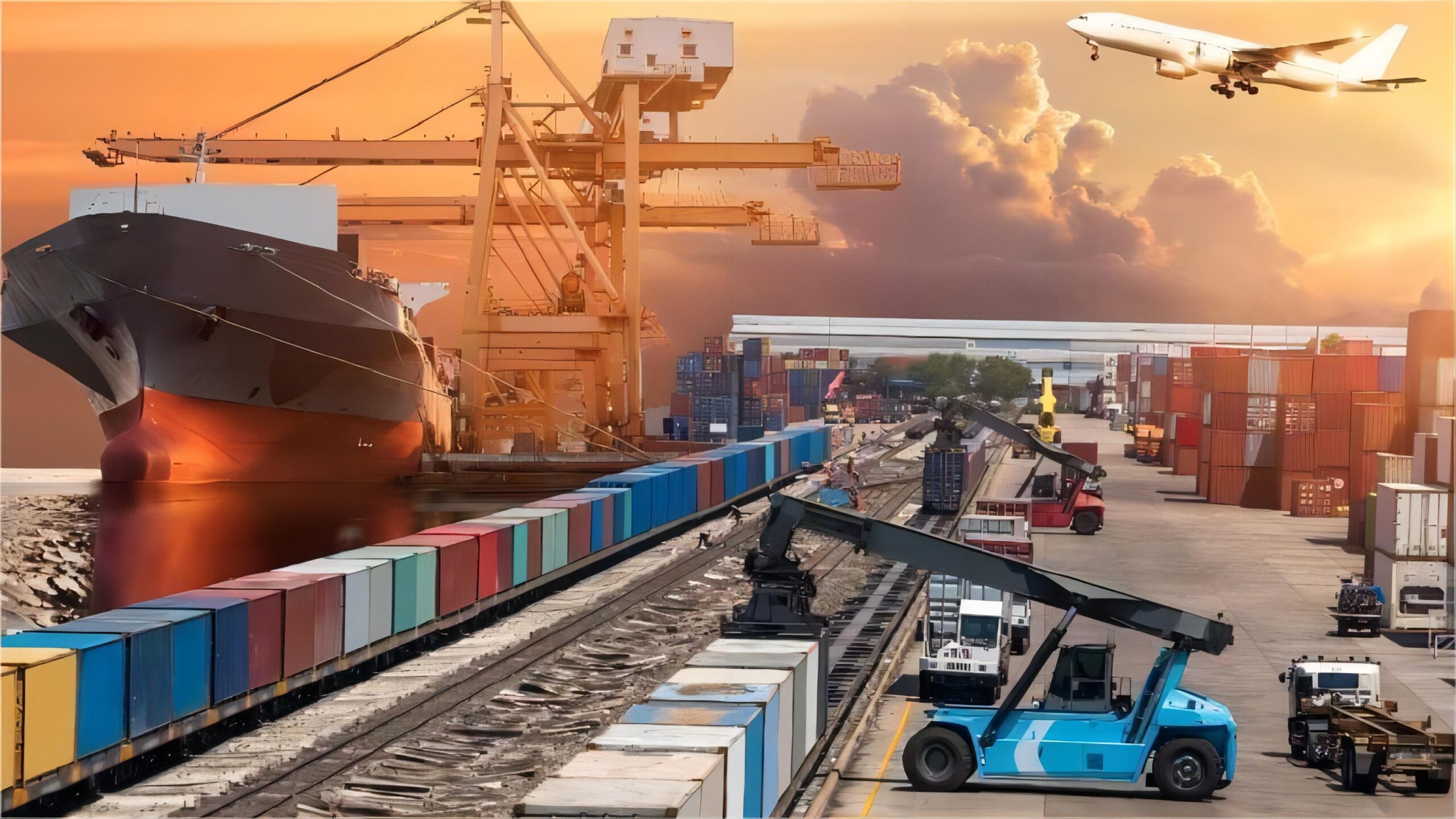
Transporting clothing freight from China to Europe involves more than just moving boxes; it requires navigating a sophisticated global supply chain. Indeed, the sheer volume of textile shipments and the diverse range of apparel types, from fast fashion to high-end garments, demand specialized handling. Furthermore, intricate customs procedures and varying regulations across EU member states significantly add to this complexity, therefore requiring expert knowledge.
Moreover, businesses importing garments from China to EU countries face constant pressure regarding shipping costs and transit times. Balancing these factors while ensuring product integrity and compliance is crucial for maintaining profitability. Consequently, understanding the nuances of international logistics is paramount for successful clothing imports, especially for fashion brands and retailers.
Additionally, market dynamics, including peak seasons and unforeseen global events, can impact freight rates and delivery schedules. Therefore, a robust logistics strategy, often including reliable freight forwarders, is essential to mitigate risks and ensure a smooth flow of goods. This comprehensive approach helps manage every aspect of your clothing freight China to Europe journey.
Key Shipping Methods for Clothing from China to Europe
When planning your clothing freight from China to Europe, selecting the right shipping method is fundamental. Each option offers distinct advantages in terms of speed, cost, and capacity. Ultimately, the best choice depends on your specific business needs, cargo type, and urgency, hence careful consideration is necessary.
For instance, large volume textile shipments often prioritize cost-effectiveness, while urgent fashion collections might require rapid delivery. Therefore, evaluating all available logistics solutions is crucial for optimizing your supply chain and delivery schedule. Understanding these methods helps make informed decisions.
| Shipping Method | Cost Range (per kg) | Transit Time | Best For | Limitations |
|---|---|---|---|---|
| Sea Freight (LCL) | $0.20 – $0.50 | 28-40 days | Large volume, non-urgent, heavy goods | Slow, potential delays, port congestion |
| Sea Freight (FCL) | $0.15 – $0.40 | 28-35 days | High volume, consistent supply, cost-efficiency | Slow, suitable only for full containers |
| Air Freight | $4.00 – $8.00+ | 5-10 days | Urgent, high-value, samples, small batches | Expensive, weight/volume restrictions, carbon footprint |
| Rail Freight | $1.00 – $2.50 | 15-22 days | Mid-urgency, balanced cost/speed, regular shipments | Route limitations, potential border delays, less capacity than sea |

Sea Freight: The Cost-Effective Choice
Sea freight remains the most popular and economical method for shipping clothing from China to Europe, particularly for bulk orders. While transit times are longer, typically 28-40 days, the cost savings are substantial, making it ideal for non-urgent inventory. Both Full Container Load (FCL) and Less than Container Load (LCL) options are available, catering to different shipment sizes. Consider sea freight for large, stable volumes.
Generally, FCL is suitable for shipments exceeding 15-20 CBM, offering dedicated container space and potentially faster transit within the port system. Conversely, LCL allows smaller apparel businesses to share container space, paying only for the volume used, thereby reducing shipping costs. However, LCL shipments often involve more handling and slightly longer transit times due to consolidation and deconsolidation processes.
Air Freight: For Speed and High Value
Air freight is the fastest option for clothing freight China to Europe, with transit times ranging from 5-10 days. This method is indispensable for time-sensitive fashion collections, high-value garments, or urgent sample deliveries. Although significantly more expensive than sea freight, its speed can prevent stockouts and capitalize on market trends. Explore air freight for critical deliveries.
However, air freight costs are calculated based on both weight and volumetric weight, meaning lightweight but bulky apparel can still incur high charges. Therefore, it is generally reserved for situations where speed outweighs cost considerations. Many businesses use a combination of air and sea freight for different parts of their clothing inventory, balancing speed and economy.
Rail Freight: A Balanced Alternative
Rail freight has emerged as a viable middle-ground solution for clothing freight from China to Europe, offering a balance between speed and cost. Typically, rail transit takes 15-22 days, significantly faster than sea freight but more affordable than air freight. This makes it an attractive option for many apparel businesses seeking an efficient supply chain. Learn more about rail freight services.
Indeed, the New Silk Road railway network connects major Chinese cities directly to European hubs, reducing transit time and often offering greater reliability compared to ocean schedules. Moreover, it is generally more environmentally friendly than air freight, appealing to brands with sustainability goals. However, rail capacity can sometimes be limited, especially during peak seasons, so early booking is advisable.
Understanding Shipping Costs for Clothing Freight
The overall shipping costs for clothing freight from China to Europe depend on numerous variables. Primarily, these include the chosen shipping method, cargo volume and weight, origin and destination ports, and current market conditions. Additionally, fuel surcharges, terminal handling charges (THC), and customs duties significantly influence the final landed cost.
For example, LCL shipments for clothing might seem cheaper per CBM initially, but they can incur higher per-unit costs due to consolidation fees and destination charges. Conversely, FCL offers a fixed container price, which becomes more cost-effective as the volume approaches the container’s capacity. Understanding these cost drivers is essential for accurate budgeting and managing your supply chain.
As of Q1 2025, freight rates from China to Europe have largely stabilized after the volatility of recent years, including the 2024 Red Sea disruptions. However, rates typically increase 15-25% during the August-October peak season for holiday inventory. Always seek a current quote tailored to your specific apparel shipment for the most accurate pricing.
Note: Freight rates are subject to change based on fuel costs, carrier capacity, and seasonal demand. Contact us for a current quote tailored to your specific shipment.
Navigating Customs and Documentation for European Clothing Imports
Successfully importing clothing from China to Europe requires meticulous attention to customs regulations and documentation. The European Union has strict import rules, including specific tariffs, VAT, and safety standards for textiles. Consequently, improper documentation can lead to significant delays, fines, and even seizure of goods, impacting your delivery schedule.
Primarily, you will need a commercial invoice, packing list, bill of lading (for sea freight) or air waybill (for air freight), and a certificate of origin. Furthermore, depending on the type of clothing and materials, additional certificates or licenses might be required to demonstrate compliance with EU health and safety standards. Utilizing a professional customs brokerage service can streamline this complex process.
Indeed, understanding the Harmonized System (HS) codes for different clothing items is critical for accurate duty calculation. Moreover, the origin of the goods can impact tariff rates, especially with various trade agreements in place. Therefore, ensuring all paperwork is precise and complete before shipment departure is a proactive measure against potential customs bottlenecks.
Ultimately, proactive preparation and expert guidance are key to smooth customs clearance. This not only avoids unexpected costs but also ensures your clothing freight reaches its European destination without unnecessary interruptions. A reliable freight forwarder can provide invaluable assistance here.
| Document Type | Purpose | Key Information Required |
|---|---|---|
| Commercial Invoice | Customs valuation, duties, taxes | Shipper/Consignee details, HS codes, item description, value, currency |
| Packing List | Cargo inspection, inventory management | Itemized list of contents, quantity, weight, dimensions, package marks |
| Bill of Lading / Air Waybill | Contract of carriage, title to goods | Carrier details, origin/destination, cargo description, terms of delivery |
| Certificate of Origin | Determines goods’ country of origin | Manufacturer details, product description, proof of origin country |
| Import License (if applicable) | Regulatory compliance | Specific permits for certain textile categories or restricted items |
Real-World Scenarios: Clothing Freight China to Europe Case Studies
Examining real-world examples helps illustrate the practical application of different shipping strategies for clothing freight from China to Europe. These case studies highlight how various factors influence choices and outcomes. They demonstrate the importance of tailored logistics solutions for diverse apparel businesses.
These scenarios showcase typical challenges and successful approaches in managing logistics, providing valuable insights for your own import operations. Ultimately, understanding these examples can guide your decision-making processes for future shipments.
Case Study 1: Large Volume Fashion Retailer (Sea Freight)
| Detail | Description |
|---|---|
| Route | Shanghai, China to Rotterdam, Netherlands |
| Cargo | Seasonal apparel collection (jeans, t-shirts, sweaters), 60 CBM, 12,000 kg |
| Container | 2 x 40HQ FCL |
| Shipping Details | Major carrier (e.g., COSCO), Port of Loading: Shanghai, Port of Discharge: Rotterdam, Route Type: Direct |
| Cost Breakdown | Ocean Freight: $7,000 (total for 2x40HQ), Origin Charges: $600, Destination Charges: $800, Customs & Duties (estimated): $2,800, Total Landed Cost: $11,200 |
| Timeline | Booking to Loading: 7 days, Sea Transit: 30 days, Customs Clearance: 3 days, Total Door-to-Door: 45 days |
| Key Insight | Based on Q3 2024 market rates, FCL sea freight was chosen for its cost-efficiency for large volumes. Pre-clearance and direct route minimized delays, crucial for seasonal stock. |

Case Study 2: Fast Fashion Brand (Air Freight + Express)
| Detail | Description |
|---|---|
| Route | Guangzhou, China to Paris, France |
| Cargo | New collection samples & limited edition garments, 1.5 CBM, 300 kg |
| Container | Air Cargo (Consolidated) |
| Shipping Details | Major airline (e.g., Lufthansa Cargo), Airport of Loading: Guangzhou (CAN), Airport of Discharge: Paris (CDG), Route Type: Direct |
| Cost Breakdown | Air Freight: $1,800, Origin Charges: $150, Destination Charges: $100, Customs & Duties (estimated): $250, Total Landed Cost: $2,300 |
| Timeline | Booking to Loading: 2 days, Air Transit: 4 days, Customs Clearance: 1 day, Total Door-to-Door: 7 days |
| Key Insight | Typical rates as of early 2025. Air freight was essential for rapid market entry and trend responsiveness for a fast fashion brand. Express service provided swift last-mile delivery. |
Case Study 3: Boutique with Diverse Products (LCL Sea + Rail Hybrid)
| Detail | Description |
|---|---|
| Route | Ningbo, China to Hamburg, Germany |
| Cargo | Mixed apparel (dresses, accessories, small home textiles), 8 CBM, 1,500 kg |
| Container | LCL Sea Freight + Rail from Poland |
| Shipping Details | Major NVOCC for LCL, Port of Loading: Ningbo, Port of Discharge: Hamburg, Route Type: Transshipment via Gdansk (rail to Hamburg) |
| Cost Breakdown | Ocean Freight (LCL): $850, Rail Freight (Gdansk to Hamburg): $400, Origin Charges: $200, Destination Charges: $250, Customs & Duties (estimated): $450, Total Landed Cost: $2,150 |
| Timeline | Booking to Loading: 5 days, Sea Transit: 25 days, Rail Transit: 5 days, Customs Clearance: 2 days, Total Door-to-Door: 37 days |
| Key Insight | Market data suggests this hybrid approach offers a cost-effective balance for mid-sized shipments, reducing overall transit time compared to pure sea freight. It’s a smart choice for diverse product lines. |
How Does Sea Freight Compare to Other Shipping Options?
While sea freight is often the default for clothing freight China to Europe due to its cost-effectiveness, it is crucial to understand its position relative to other shipping methods. Each alternative offers distinct advantages and disadvantages that can impact your supply chain strategy. Therefore, an objective analysis helps in making informed decisions.
Consider, for instance, the trade-off between speed and cost. Air freight provides unparalleled speed but at a premium, while rail freight offers a compelling middle ground. Ultimately, the best choice aligns with your specific shipment requirements, budget constraints, and delivery timelines. The following table provides a comprehensive overview.
Note: Freight rates are subject to change based on fuel costs, carrier capacity, and seasonal demand. Contact us for a current quote tailored to your specific shipment.
| Shipping Method | Cost Range (20GP) | Transit Time | Best For | Limitations |
|---|---|---|---|---|
| Sea Freight | $1,800 – $2,500 | 28-35 days | Large bulk orders, cost-sensitive, non-urgent | Slow, prone to port congestion, longer lead times |
| Air Freight | $15,000 – $25,000 (equivalent 40HQ) | 5-10 days | Urgent, high-value, samples, small batches | Very expensive, limited capacity for heavy/bulky items |
| Rail Freight | $5,000 – $7,000 (equivalent 40HQ) | 15-22 days | Mid-urgency, balanced cost/speed, regular shipments | Route specific, less flexible, capacity can be tight |
| Express Service | Variable, often higher than air cargo | 2-5 days | Documents, small packages, very urgent samples | High cost per kg, strict size/weight limits |
Which Option Should You Choose?
Your decision for clothing freight from China to Europe should be guided by a clear framework. For example, if budget is your primary concern, sea freight (especially FCL) is typically the most economical option, despite longer transit times. This suits large volume, non-urgent orders.
Conversely, if speed is paramount, perhaps for new fashion lines or urgent replenishment, air freight is the best choice, even with higher shipping costs. For instance, sending samples or high-value, time-sensitive items often justifies the increased expense. This ensures rapid market response.
For a balanced approach, offering a good compromise between speed and cost, rail freight is increasingly popular. It’s faster than sea but more affordable than air, making it suitable for regular, moderately urgent shipments. Hybrid solutions, like sea-rail combinations, can also optimize this balance.
Finally, cargo type considerations also play a role. Delicate or high-value garments might benefit from the reduced handling of air freight, while durable, bulk textiles are well-suited for sea or rail. For shipments under 15 CBM, LCL at $50-80/CBM may be more economical than a full container, though it adds complexity.
Optimizing Your Clothing Freight Supply Chain
Beyond choosing a shipping method, optimizing your overall supply chain for clothing freight from China to Europe involves several strategic considerations. These elements collectively contribute to efficiency, cost reduction, and improved delivery reliability. Therefore, a holistic approach is beneficial for long-term success.
Consider, for instance, utilizing door-to-door service for seamless logistics from your factory in China to your warehouse in Europe. This comprehensive solution minimizes your administrative burden and streamlines the entire process. Furthermore, it often includes customs clearance and local delivery, providing peace of mind.
Additionally, consolidation services, especially for LCL shipments, can significantly reduce costs for multiple smaller orders. By combining goods from various suppliers into a single container, you benefit from economies of scale. Moreover, proper cargo handling, including appropriate packaging and labeling, prevents damage and ensures smooth transit.
Ultimately, integrating real-time tracking and robust insurance policies into your logistics plan provides transparency and protection. This allows you to monitor your clothing shipments and mitigate financial risks associated with loss or damage. A proactive approach to these details strengthens your entire apparel import operation.
Conclusion: Navigating Clothing Freight China to Europe with Confidence
In conclusion, successfully managing clothing freight from China to Europe requires a strategic approach, encompassing careful selection of shipping methods, diligent customs compliance, and continuous supply chain optimization. While challenges exist, understanding the options—sea, air, and rail freight—empowers businesses to make informed decisions.
Indeed, partnering with a reliable freight forwarder like Top China Freight ensures that your textile imports are handled efficiently, cost-effectively, and with minimal delays. We provide tailored solutions to meet the specific demands of the apparel industry, from fast fashion to bulk textile shipments. Ultimately, a well-executed logistics plan is key to your success in the competitive European market.
Get Your Shipping Quote Today
Ready to streamline your clothing freight from China to Europe? Contact Top China Freight today for a personalized quote and expert guidance on your apparel shipping needs. Our team is here to help you navigate the complexities of international logistics.
Request Quote