

Import Customs China to Spain: Your Complete Guide
“Importing goods from China to Spain involves navigating a complex web of logistics, regulations, and customs procedures. Understanding these intricacies is crucial for a smooth and cost-effective supply chain. This comprehensive guide, brought to you by Top China Freight, will demystify the process, helping you master import customs from China to Spain. We will explore everything from shipping methods to essential documentation and tariff considerations.”

What Are the Key Steps for Importing from China to Spain?
❖Importing goods requires careful planning and execution. Initially, you must identify your product, secure a reliable Chinese supplier, and finalize purchase agreements. Subsequently, arranging suitable transportation from China to Spain becomes essential, involving choices like sea, air, or rail freight.
Furthermore, navigating the customs clearance process in Spain is a critical step. This involves preparing all necessary documentation, paying applicable tariffs and duties, and ensuring compliance with Spanish and EU regulations. Ultimately, the goal is efficient delivery to your final destination, minimizing delays and costs.
How Do Shipping Methods Impact Your Import Customs China to Spain Journey?
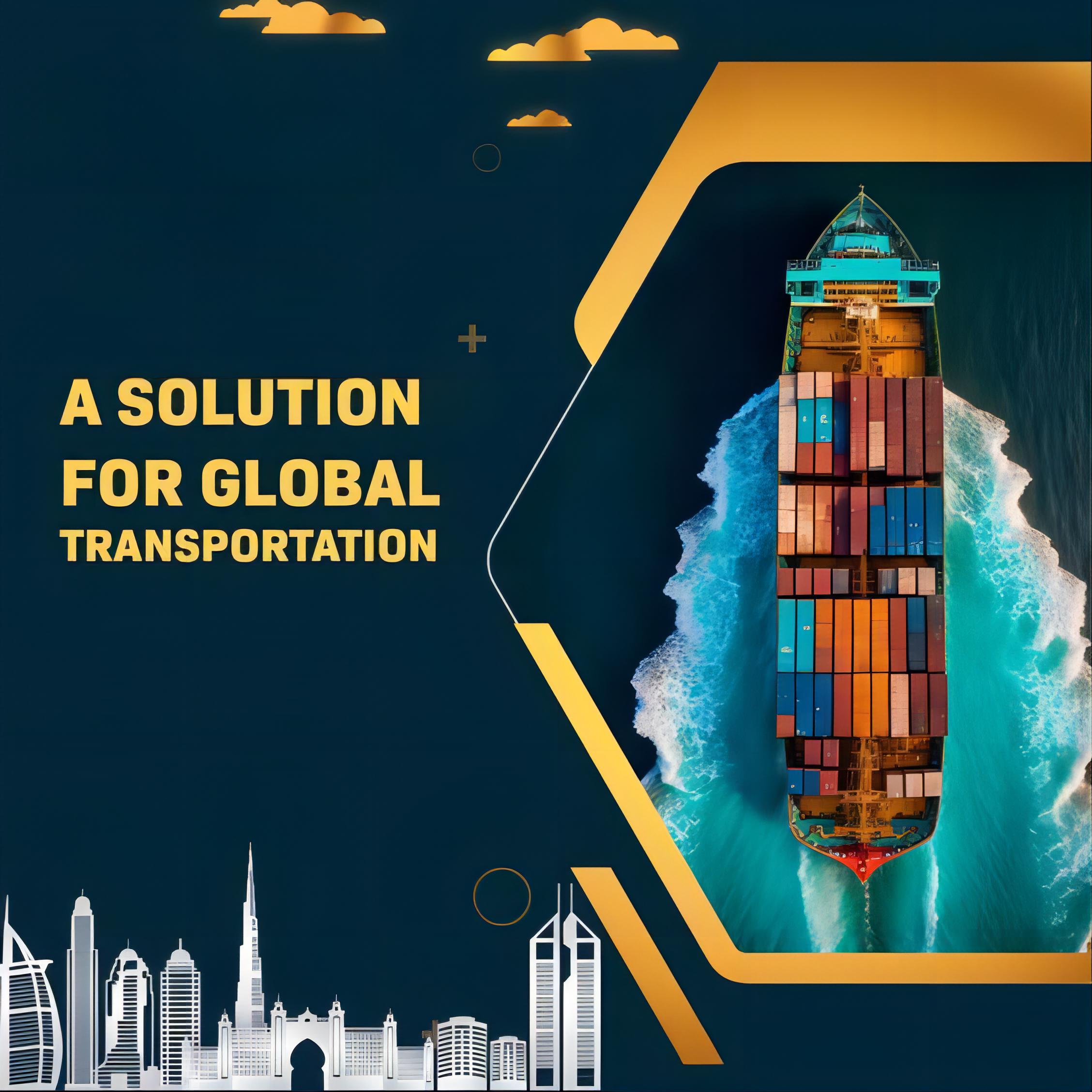
❖Choosing the right shipping method significantly influences your overall import customs China to Spain experience. Each option presents distinct advantages and disadvantages concerning cost, transit time, and cargo suitability. Therefore, understanding these differences is paramount for strategic planning.

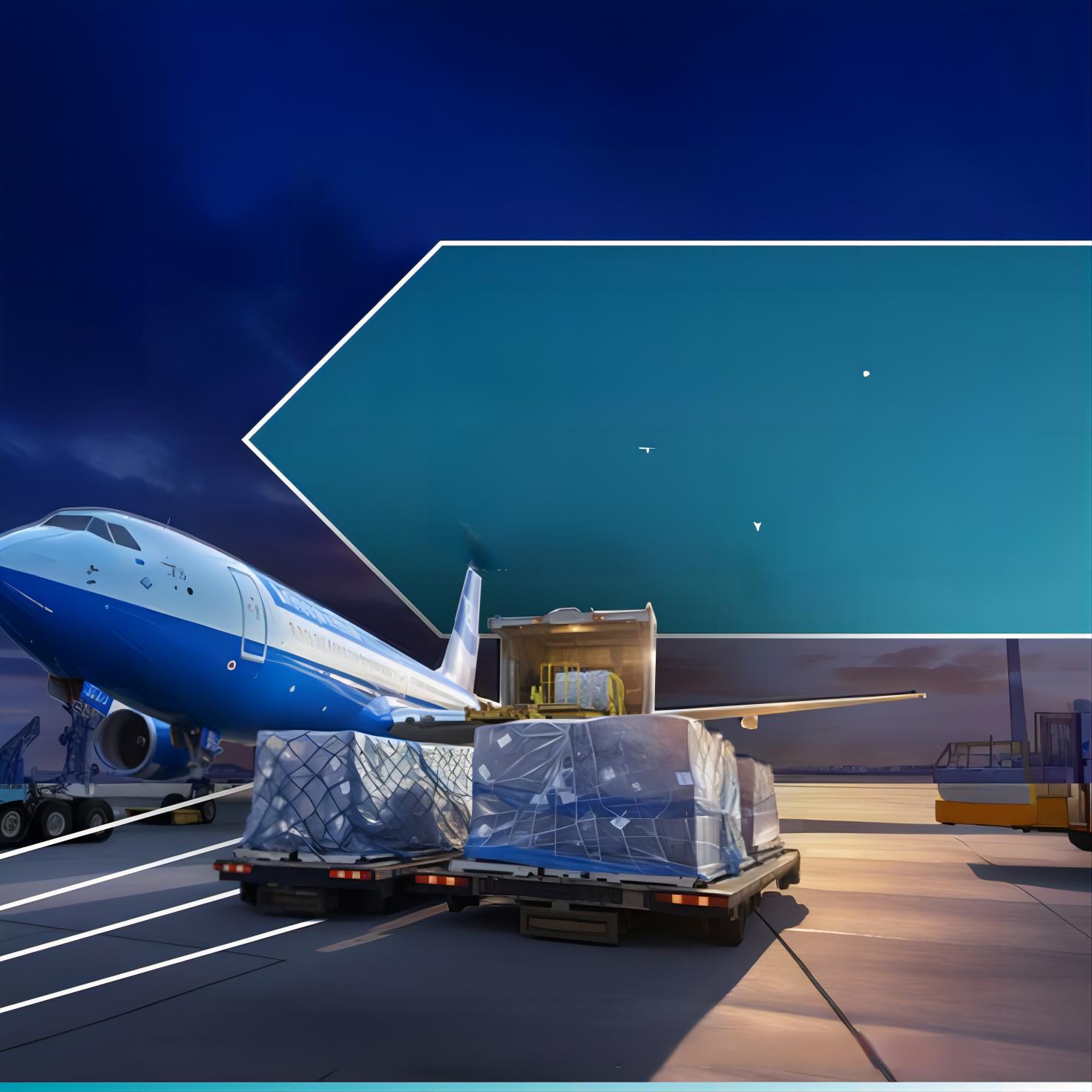
For instance, sea freight services are generally the most economical for large volumes or heavy cargo, albeit with longer transit times. Conversely, air freight solutions offer unparalleled speed, making them ideal for urgent or high-value shipments, despite higher shipping costs from China to Spain. Additionally, rail freight options provide a balance between speed and cost, particularly for landlocked destinations in Europe.
Considering these factors, your decision directly affects your supply chain’s efficiency and budget. Consequently, evaluating your specific needs against each method’s characteristics is a crucial step in optimizing your logistics solutions China Spain.
| Shipping Method | Cost Range | Transit Time (China to Spain) | Best For | Limitations |
|---|---|---|---|---|
| Sea Freight (FCL/LCL) | Low to Moderate | 28-40 days | Large volumes, heavy goods, non-urgent shipments | Slowest, prone to port congestion |
| Rail Freight | Moderate | 15-22 days | Medium volumes, time-sensitive but not urgent cargo | Limited routes, less flexible than sea/air |
| Air Freight | High | 5-10 days | Urgent, high-value, perishable goods, samples | Most expensive, weight/volume restrictions |
What Documents Are Required for Customs Clearance in Spain?
❖Accurate and complete documentation is the backbone of smooth import customs China to Spain. Any discrepancies can lead to significant delays, fines, or even seizure of goods. Therefore, meticulous preparation of these documents is non-negotiable for successful customs clearance process China Spain.
Moreover, key documents include the commercial invoice, packing list, bill of lading or air waybill, and a certificate of origin. Furthermore, you must possess an EORI number for imports into Spain. Depending on the product, additional permits, licenses, or certificates (e.g., health, safety, environmental) might be necessary. Consulting with customs brokerage expertise can ensure all requirements are met.
| Document Type | Purpose | Key Details |
|---|---|---|
| Commercial Invoice | Proof of sale, value declaration | Seller/Buyer details, product description, quantity, price, Incoterms |
| Packing List | Detailed cargo contents | Weight, dimensions, number of packages, contents of each package |
| Bill of Lading (Sea) / Air Waybill (Air) | Contract of carriage, title to goods | Carrier, shipper, consignee, ports, goods description |
| Certificate of Origin | Proves country of manufacture | Issued by Chamber of Commerce, required for preferential tariffs |
| EORI Number | Economic Operator Registration and Identification | Mandatory for all businesses importing/exporting in the EU |
| Customs Declaration (DUA) | Official import declaration | Submitted electronically, details goods, value, duties, taxes |
How Are Tariffs and Duties Calculated for China to Spain Imports?
❖Understanding tariffs and duties China to Spain is crucial for budgeting your imports. These charges are typically based on the classification of your goods using the Harmonized System (HS) codes. Incorrect classification can lead to overpayment or underpayment, resulting in penalties.
Furthermore, the customs value of your goods, which includes the cost of the goods, insurance, and freight (CIF), forms the basis for calculating duties. Additionally, Value Added Tax (VAT) on imports Spain is applied to the customs value plus any duties. Anti-dumping duties or specific import taxes might also apply to certain products from China.
Can Door-to-Door Shipping Simplify Import Customs China to Spain?
❖Absolutely, door-to-door shipping significantly streamlines the import process. This service handles every stage of your shipment, from your supplier’s factory in China to your designated address in Spain. Consequently, it minimizes the administrative burden on the importer.
Moreover, a single logistics provider manages all aspects, including pickup, international transport, customs clearance, and final delivery. This integrated approach reduces the complexity of managing multiple vendors and ensures greater transparency. Ultimately, it simplifies navigating Spanish customs regulations and provides a hassle-free experience for businesses.
Practical Examples: Navigating Import Customs China to Spain
❖Examining real-world scenarios provides valuable insights into the complexities and solutions for import customs China to Spain. These case studies highlight how different shipping methods and cargo types influence the logistics and cost aspects of international trade.
Case Study 1: High-Value Electronics – Air Freight
This scenario illustrates the benefits of air freight for time-sensitive, high-value goods, balancing speed against cost for critical supply chains. Based on Q1 2025 market rates, the efficiency gained often justifies the higher freight rates.
| Route: | Shenzhen, China -> Madrid, Spain |
| Cargo: | Smartwatches and accessories, 3 CBM, 450 kg |
| Container: | Air cargo |
| Shipping Details: | |
| – Carrier/Service: | Major airline (e.g., Lufthansa Cargo) |
| – Port of Loading: | Shenzhen Bao’an International Airport (SZX) |
| – Port of Discharge: | Madrid-Barajas Airport (MAD) |
| – Route Type: | Direct flight |
| Cost Breakdown: | |
| – Air Freight: | $3,800 |
| – Origin Charges (Handling, documentation): | $250 |
| – Destination Charges (Terminal, handling): | $350 |
| – Customs & Duties (estimated): | $700 |
| – Total Landed Cost: | $5,100 |
| Timeline: | |
| – Booking to Loading: | 2 days |
| – Air Transit: | 3 days |
| – Customs Clearance: | 1 day |
| – Total Door-to-Door: | 7 days |
| Key Insight: | Speed was critical for a product launch; air freight minimized transit times from China to Spain, despite higher shipping costs. |
Case Study 2: Bulk Textiles – FCL Sea Freight
This example demonstrates the cost-effectiveness of FCL sea freight for larger, less urgent shipments, a common choice for businesses managing significant inventory. Typical rates as of early 2025 reflect the stability of ocean freight for this route.
| Route: | Ningbo, China -> Valencia, Spain |
| Cargo: | Apparel fabric rolls, 58 CBM, 12,000 kg |
| Container: | 40HQ |
| Shipping Details: | |
| – Carrier/Service: | COSCO |
| – Port of Loading: | Ningbo-Zhoushan Port |
| – Port of Discharge: | Port of Valencia |
| – Route Type: | Direct route |
| Cost Breakdown: | |
| – Ocean Freight: | $3,500 |
| – Origin Charges (THC, documentation): | $400 |
| – Destination Charges (THC, port fees): | $500 |
| – Customs & Duties (estimated): | $1,200 |
| – Total Landed Cost: | $5,600 |
| Timeline: | |
| – Booking to Loading: | 4 days |
| – Sea Transit: | 32 days |
| – Customs Clearance: | 3 days |
| – Total Door-to-Door: | 40 days |
| Key Insight: | Cost efficiency was prioritized for bulk textiles. Sea freight offered the best value, despite the longer transit times from China to Spain. |
Case Study 3: Small Business Goods – LCL Sea Freight
For smaller businesses or those with less than a full container load, LCL sea freight offers an economical solution. This case study, based on Q3 2024 market rates, shows how consolidating shipments can significantly reduce shipping costs from China to Spain.
| Route: | Shanghai, China -> Barcelona, Spain |
| Cargo: | Assorted household items, 8 CBM, 1,500 kg |
| Container: | LCL (Less than Container Load) |
| Shipping Details: | |
| – Carrier/Service: | Freight forwarder consolidation |
| – Port of Loading: | Port of Shanghai |
| – Port of Discharge: | Port of Barcelona |
| – Route Type: | Transshipment via Port Said |
| Cost Breakdown: | |
| – Ocean Freight: | $800 |
| – Origin Charges (Consolidation, documentation): | $300 |
| – Destination Charges (Devanning, port fees): | $450 |
| – Customs & Duties (estimated): | $600 |
| – Total Landed Cost: | $2,150 |
| Timeline: | |
| – Booking to Loading: | 5 days |
| – Sea Transit: | 35 days |
| – Customs Clearance: | 4 days |
| – Total Door-to-Door: | 47 days |
| Key Insight: | LCL was the most cost-effective solution for smaller volumes, allowing a small business to manage import customs China to Spain without committing to a full container. |
How Does Sea Freight Compare to Other Shipping Options?
❖While sea freight is often the go-to for cost-efficiency, it is important to objectively compare it against other viable alternatives for the China to Spain route. Each method presents a unique balance of cost, speed, and suitability for different cargo types. Consequently, a detailed analysis helps in making informed logistics decisions.
For example, as of Q1 2025, freight rates from China to Europe have stabilized, yet sea freight remains significantly cheaper than air cargo. However, air freight offers a substantially faster delivery schedule, which can be critical for high-demand products or urgent replenishments. Rail freight, conversely, provides a robust middle-ground solution, bridging the gap between sea and air in terms of both cost and transit time.
| Shipping Method | Cost Range (per kg/CBM) | Transit Time (China to Spain) | Best For | Limitations |
|---|---|---|---|---|
| Sea Freight (FCL) | ~$0.05-0.15/kg; $80-150/CBM (40HQ) | 28-40 days | Large volumes, heavy cargo, durable goods | Slowest, port congestion, weather delays |
| Sea Freight (LCL) | ~$0.15-0.30/kg; $50-100/CBM | 35-45 days | Small to medium volumes, cost-sensitive | Longer transit than FCL, potential for more handling |
| Rail Freight | ~$0.20-0.40/kg; $100-200/CBM | 15-22 days | Mid-size shipments, good balance of speed/cost | Less flexible routes, limited capacity, not door-to-door by default |
| Air Freight | ~$4.00-8.00/kg (varies) | 5-10 days | Urgent, high-value, perishable goods, samples | Most expensive, weight/volume restrictions, fuel surcharges |
Which Option Should You Choose?
Your ultimate choice for import customs China to Spain largely depends on your priorities. If budget is your primary concern, particularly for large or heavy shipments, sea freight (FCL or LCL) offers the most economical solution. However, be prepared for longer transit times from China to Spain.
Conversely, if speed is paramount, perhaps for high-value goods, samples, or urgent product launches, air freight is the undisputed champion. It minimizes transit time but comes with a higher price tag. Rail freight emerges as a compelling hybrid solution, offering a good balance of cost and speed, especially beneficial for destinations further inland in Europe. Consider cargo type and volume thresholds carefully; for instance, LCL sea freight is often more economical for shipments under 15 CBM than a full container.
Tips for Optimizing Your Import Customs China to Spain Strategy
❖To ensure a seamless import experience, several strategies can significantly enhance your efficiency and reduce potential issues. Firstly, partnering with experienced freight forwarders China to Spain is invaluable; their expertise in navigating complex regulations and logistics trends can save you time and money. They can provide crucial insights into cargo handling and delivery schedules.
Secondly, meticulous attention to documentation and classification is paramount. Double-check all paperwork for accuracy and ensure your products are correctly classified with HS codes. Furthermore, consider shipment consolidation for smaller orders to optimize shipping costs, and stay updated on evolving customs regulations and market data affecting freight rates. Note: Freight rates are subject to change based on fuel costs, carrier capacity, and seasonal demand. Contact us for a current quote tailored to your specific shipment.
Conclusion
Successfully managing import customs China to Spain is paramount for any business sourcing goods from the Far East. By understanding the various shipping methods, diligently preparing documentation, and anticipating costs like tariffs and duties, importers can significantly reduce delays and unexpected expenses. Partnering with a knowledgeable logistics provider ensures a smooth and efficient supply chain, ultimately contributing to your business’s success. This comprehensive approach to logistics solutions China Spain will undoubtedly optimize your operations.
Ready to streamline your logistics?
Ready to streamline your import process from China to Spain? Navigating the complexities of import customs China to Spain requires expert knowledge and reliable partners. Contact us today for a personalized quote and discover how Top China Freight can simplify your international shipping needs.
Request Quote