

Logistics Service China to Germany: Your Ultimate Shipping Guide
Navigating the complexities of international shipping from China to Germany requires a robust and reliable logistics strategy. Businesses frequently encounter challenges such as fluctuating freight rates, customs delays, and ensuring timely delivery. Fortunately, a professional Top China Freight logistics service China to Germany can streamline your supply chain, offering peace of mind and operational efficiency.
Why is a Reliable Logistics Service China to Germany Crucial?
The trade corridor between China and Germany is one of the busiest globally, driving significant demand for efficient shipping. Consequently, a dependable logistics service China to Germany is not just an advantage; it is a necessity for businesses aiming for market competitiveness. This service ensures your goods move seamlessly across continents, minimizing delays and unexpected costs.
Furthermore, effective logistics directly impacts your bottom line and customer satisfaction. Therefore, choosing the right partner to manage your import/export operations from China to Germany is paramount. It allows you to focus on core business activities while experts handle the intricacies of international freight.
Understanding Your Shipping Options: China to Germany
Several viable shipping methods exist for transporting goods from China to Germany, each with distinct advantages. Your choice will ultimately depend on factors like urgency, budget, and cargo volume. Exploring these options is the first step towards optimizing your supply chain solutions China Germany.
Moreover, understanding the nuances of each transport mode helps in making informed decisions. This knowledge is crucial for anyone seeking to improve their shipping from China to Germany costs. Let us delve into the specifics of each primary method available for this route.
Sea Freight: The Economical Choice
Sea freight remains the most cost-effective option for large volumes and heavy cargo. Typically, transit times range from 28 to 35 days, making it suitable for non-urgent shipments. Despite the longer duration, its affordability makes it a popular choice for many businesses.
Additionally, sea freight offers flexibility with both Full Container Load (FCL) and Less than Container Load (LCL) options. This means you can ship anything from a few pallets to multiple containers. Major ports like Shanghai, Ningbo, and Shenzhen connect to Hamburg, Bremerhaven, and Rotterdam for onward delivery.
Rail Freight: Balancing Speed and Cost
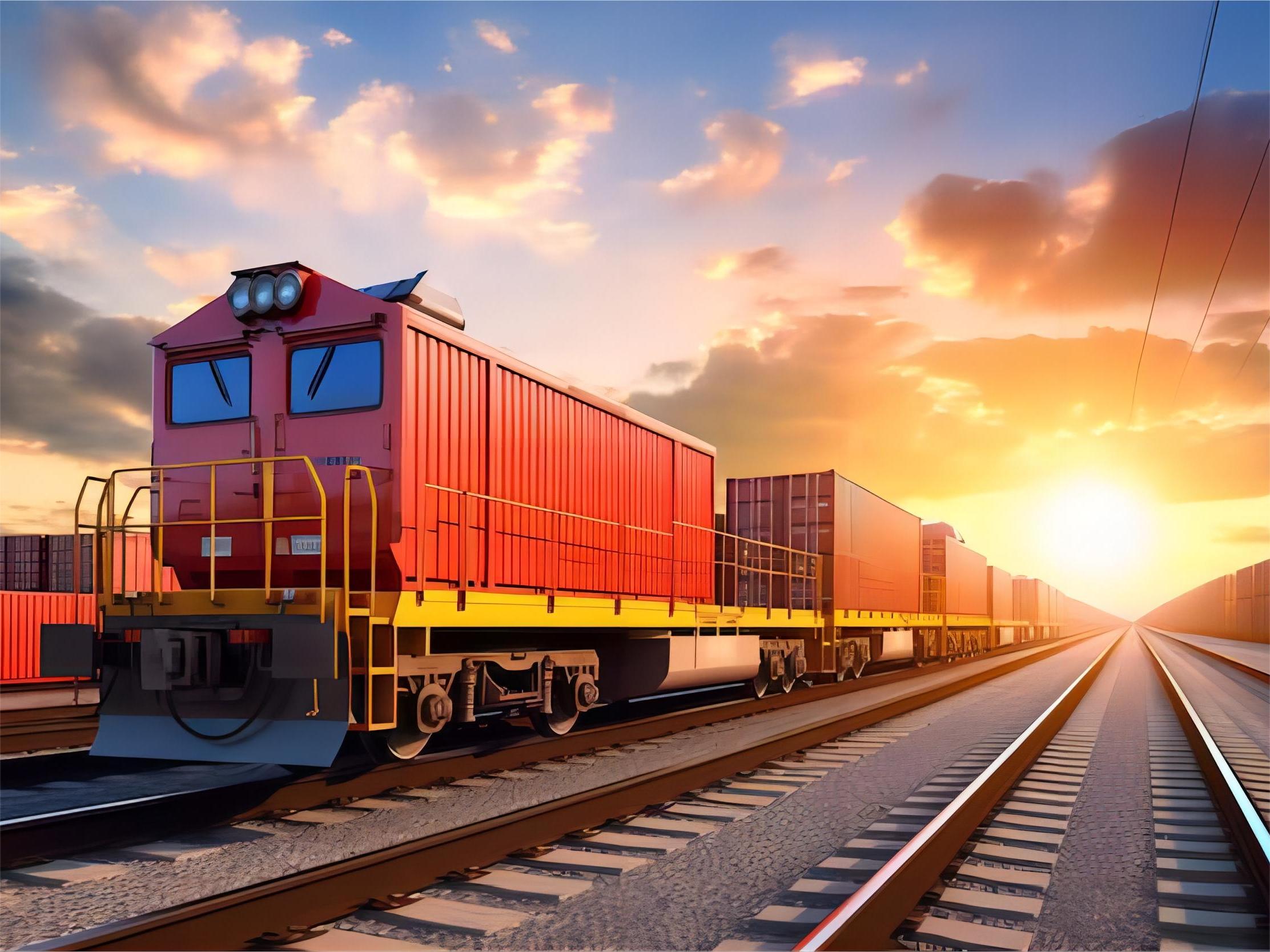
Rail freight has emerged as a compelling alternative, offering a balance between the speed of air freight and the cost-efficiency of sea freight. The average rail freight China to Germany transit time is approximately 18-22 days. This makes it ideal for goods that are somewhat time-sensitive but not urgent enough for air transport.
Furthermore, rail transport is known for its reliability and fixed schedules, reducing the impact of port congestion. It connects major Chinese hubs like Chengdu, Chongqing, and Xi’an to European rail terminals in Duisburg, Hamburg, and Nuremberg. This method is gaining popularity for its environmental benefits too.
Air Freight: For Urgent Shipments
For urgent or high-value cargo, air freight is undeniably the fastest option. Air cargo China to Germany rates are significantly higher, but transit times are drastically reduced to 3-7 days. This speed is invaluable for industries with tight deadlines or perishable goods.
However, air freight is generally limited by cargo size and weight, making it less suitable for bulk shipments. Major airports like Shanghai Pudong (PVG), Beijing Capital (PEK), and Guangzhou Baiyun (CAN) offer direct connections to Frankfurt (FRA) and Munich (MUC). Consequently, it is often chosen for express delivery China to Germany.
How Does Each Method Compare?
Choosing the optimal logistics service China to Germany involves weighing several critical factors. Each shipping method presents a different profile in terms of cost, speed, and suitability for various cargo types. This comparison helps you align your shipping strategy with your business priorities.
Therefore, understanding the trade-offs is essential for effective supply chain management. This table provides a concise overview, facilitating your decision-making process for your next shipment. It outlines the general characteristics of each transport mode.
| Shipping Method | Cost Range (Approx.) | Transit Time (Days) | Best For | Limitations |
|---|---|---|---|---|
| Sea Freight | Low ($1,800-4,200/container) | 28-35 | Large volumes, heavy goods, non-urgent | Long transit time, potential port delays |
| Rail Freight | Medium ($5,000-7,000/container) | 18-22 | Mid-volume, moderately time-sensitive | Less flexible routing, limited capacity compared to sea |
| Air Freight | High ($8-15/kg) | 3-7 | Urgent, high-value, small shipments | High cost, weight/volume restrictions, environmental impact |

Key Factors Influencing Your Logistics Service China to Germany
Several critical elements collectively shape the efficiency and cost of your logistics service China to Germany. Ignoring any of these factors can lead to unexpected expenses or delays. Thus, a holistic approach is vital for successful international shipping.
Moreover, understanding these determinants empowers you to negotiate better terms and anticipate potential challenges. It helps in formulating a robust shipping strategy that aligns with your operational needs. Let us examine the most significant aspects in detail.
Transit Time and Speed
The desired speed of delivery is often the primary driver for choosing a shipping method. While air freight offers unparalleled speed, it comes at a premium. Conversely, sea freight is the slowest but most economical option for bulk goods.
Ultimately, balancing speed with cost is crucial for optimizing China to Germany logistics. Consider your inventory management and customer expectations when setting your delivery schedule. This ensures you meet market demands without overspending on freight.
Shipping Costs and Budget
Shipping costs from China to Germany are influenced by freight rates, fuel surcharges, and destination charges. These can fluctuate based on market demand, season, and geopolitical events. Therefore, obtaining transparent quotes is essential for budget planning.
Furthermore, always account for potential surcharges and unexpected fees when calculating the total landed cost. Comparing FCL LCL China Germany rates is also important for smaller shipments. A good logistics partner will provide a comprehensive cost breakdown.
Cargo Type and Volume
The nature of your cargo plays a significant role in determining the best shipping method. Perishable goods, hazardous materials, or oversized items require specialized handling and may have limited transport options. Always declare your cargo accurately.
Similarly, the volume and weight of your shipment dictate whether FCL or LCL is more economical for sea freight. High-density items might benefit from LCL, while low-density, large-volume goods often suit FCL. This choice directly impacts your shipping from China to Germany costs.
Customs and Regulations
Navigating customs clearance China to Germany can be complex, involving numerous documents and strict regulations. Incorrect documentation can lead to significant delays and penalties. Therefore, proper preparation is non-negotiable.
Importers must understand import duties Germany from China, VAT, and other compliance requirements. A reliable logistics partner with strong customs brokerage expertise is invaluable here. They ensure all paperwork is accurate and submitted on time, preventing costly hold-ups.
Streamlining Your Supply Chain: Value-Added Services
Beyond core transportation, a comprehensive logistics service China to Germany offers a range of value-added solutions. These services enhance efficiency, reduce risks, and provide greater control over your supply chain. They are crucial for a truly seamless import/export experience.
Moreover, integrating these services into your shipping strategy can significantly optimize your operations. They address various pain points, from initial pickup to final delivery. This holistic approach ensures every stage of your shipment is managed professionally.
Door-to-Door Delivery
A complete door-to-door service simplifies your logistics by handling every step, from factory pickup in China to final delivery in Germany. This includes all transportation modes, customs procedures, and local distribution. It minimizes your administrative burden and coordination efforts.
This service is particularly beneficial for businesses without extensive in-house logistics capabilities. It provides a single point of contact and accountability, making the process transparent and manageable. Consequently, it is a highly sought-after component of efficient logistics service China to Germany.
Warehousing and Distribution
Many logistics providers offer warehousing solutions in both China and Germany. This allows for consolidation, temporary storage, and efficient distribution to multiple end destinations. It can significantly improve your inventory management and reduce lead times.
Furthermore, these services often include order fulfillment, quality checks, and repacking. They provide flexibility, especially for ecommerce businesses needing fast last-mile delivery within Germany. This integrated approach strengthens your overall supply chain.
Cargo Insurance
Protecting your goods against unforeseen events during transit is paramount. Cargo insurance offers financial security against loss, damage, or theft. While not mandatory, it is a highly recommended safeguard for valuable shipments.
Indeed, the cost of insurance is a small price to pay for the peace of mind it provides. Discuss various coverage options with your logistics provider to ensure adequate protection. This minimizes financial risk associated with international shipping.
Real-World Success: Case Studies in China to Germany Logistics
Examining actual shipping scenarios provides valuable insights into effective logistics service China to Germany. These case studies highlight how different strategies are applied based on cargo specifics and client needs. They demonstrate practical solutions to common shipping challenges.
These examples also showcase the versatility and problem-solving capabilities of a reliable logistics partner. Each scenario is based on typical rates as of early 2025, offering realistic perspectives on costs and transit times. They underscore the importance of tailored shipping plans.
Case Study 1: Large Volume Manufacturing Goods
This client needed to transport a significant volume of automotive parts, prioritizing cost-efficiency over extreme speed. Sea freight was the clear choice, leveraging FCL for optimal container utilization. The route involved direct service to minimize transshipment risks.
| Detail | Description |
|---|---|
| Route | Shanghai, China -> Hamburg, Germany |
| Cargo | Automotive parts, 55 CBM, 15,000 kg |
| Container | 1 x 40HQ |
| Shipping Details | Major carrier (e.g., COSCO), Port of Loading: Shanghai, Port of Discharge: Hamburg, Route Type: Direct |
| Cost Breakdown | Ocean Freight: $3,500; Origin Charges: $450; Destination Charges: $500; Customs & Duties (est): $800; Total Landed Cost: $5,250 |
| Timeline | Booking to Loading: 5 days; Sea Transit: 32 days; Customs Clearance: 3 days; Total Door-to-Door: 40 days |
| Key Insight | Optimized FCL utilization significantly reduced per-unit shipping costs, despite longer transit time. Based on Q1 2025 market rates. |
Case Study 2: Time-Sensitive E-commerce Products
An online retailer required faster delivery for a seasonal clothing line to German distribution centers. Rail freight provided the necessary speed advantage over sea, without the prohibitive costs of air freight. This strategy ensured products hit the market during peak demand.
The reliable schedule of rail freight was crucial for inventory planning and promotional campaigns. It offered a predictable transit time, which is vital for e-commerce success. This approach proved to be a cost-effective shipping China Germany solution for their specific needs.
| Detail | Description |
|---|---|
| Route | Chongqing, China -> Duisburg, Germany |
| Cargo | Seasonal clothing, 30 CBM, 7,000 kg |
| Container | 1 x 40GP |
| Shipping Details | China-Europe Express Railway, Port of Loading: Chongqing, Port of Discharge: Duisburg, Route Type: Direct rail |
| Cost Breakdown | Rail Freight: $6,500; Origin Charges: $300; Destination Charges: $400; Customs & Duties (est): $600; Total Landed Cost: $7,800 |
| Timeline | Booking to Loading: 4 days; Rail Transit: 20 days; Customs Clearance: 2 days; Total Door-to-Door: 28 days |
| Key Insight | Rail freight offered a perfect balance of speed and cost for time-sensitive fashion goods, avoiding air freight’s high expense. Typical rates as of early 2025. |
Case Study 3: High-Value Industrial Components
A manufacturer needed to ship critical, high-value industrial components with extreme urgency due to a production line halt. Air freight was the only viable option, despite its higher cost. The rapid delivery minimized costly downtime for the client.
The priority was speed and security for these essential parts. The logistics service China to Germany ensured expedited handling and customs clearance at both ends. This case highlights the importance of choosing a method based on the immediate business impact.
| Detail | Description |
|---|---|
| Route | Shenzhen, China -> Frankfurt, Germany |
| Cargo | Precision machinery parts, 2 CBM, 500 kg |
| Container | Air Cargo (LCL) |
| Shipping Details | Major air carrier (e.g., Lufthansa Cargo), Airport of Loading: Shenzhen (SZX), Airport of Discharge: Frankfurt (FRA), Route Type: Direct air cargo |
| Cost Breakdown | Air Freight: $4,500 ($9/kg); Origin Charges: $150; Destination Charges: $200; Customs & Duties (est): $300; Total Landed Cost: $5,150 |
| Timeline | Booking to Loading: 2 days; Air Transit: 4 days; Customs Clearance: 1 day; Total Door-to-Door: 7 days |
| Key Insight | Air freight’s speed was critical for minimizing expensive production downtime, justifying the higher freight rates. Based on Q1 2025 spot rates. |
Navigating Market Dynamics and Future Trends
The global logistics landscape is constantly evolving, influenced by geopolitical events, economic shifts, and technological advancements. Consequently, staying informed about market dynamics is crucial for optimizing your logistics service China to Germany. For instance, the Red Sea disruptions in late 2024 significantly impacted shipping routes and transit times.
As of Q1 2025, freight rates from China to Europe have stabilized somewhat after initial volatility caused by rerouting around the Cape of Good Hope. However, seasonal patterns, such as pre-holiday peak seasons (August-October), still typically cause rates to increase by 15-25%. This requires proactive planning to secure capacity and favorable pricing. Furthermore, industry average for this route suggests continued investment in intermodal transport solutions.
Cost-Saving Strategies and Trade-Offs
To minimize shipping from China to Germany costs, consider consolidating multiple smaller shipments into one larger consignment. LCL shipping for volumes under 15 CBM can be more economical than a full container for less dense cargo. However, LCL may incur longer transit times due to consolidation and deconsolidation processes.
Alternatively, exploring different ports of origin in China or destination in Germany can sometimes yield better rates. Direct routes cost 10-15% more but save 5-7 days compared to transshipment via major hubs like Singapore or Port Klang. This trade-off between speed and cost is a common decision point in logistics planning.
Hybrid and Intermodal Solutions
Hybrid solutions, such as sea-rail or air-rail combinations, offer increased flexibility and efficiency. For example, sea-rail involves shipping goods by sea to a European port, then transferring to rail for inland distribution. This can reduce overall transit time compared to pure sea freight while remaining more affordable than air.
Moreover, these intermodal transport strategies are becoming increasingly popular for their environmental benefits and resilience against single-mode disruptions. They provide a strategic advantage for businesses looking to diversify their logistics channels. Optimizing China to Germany logistics often involves these innovative approaches.
Choosing the Best Logistics Service China to Germany for Your Needs
Selecting the right logistics service China to Germany is a strategic decision that impacts your business’s efficiency and profitability. This choice depends heavily on your specific requirements, including budget, urgency, and cargo characteristics. Therefore, a careful evaluation of your needs is paramount.
Consider this decision framework to guide your selection process. A reliable logistics partner will work with you to understand these priorities and recommend the most suitable solutions. This ensures you receive tailored advice for your unique shipping challenges.
Decision Framework: Which Option Should You Choose?
If **budget is your top priority**, then sea freight (FCL or LCL) is generally the most cost-effective solution. It offers the lowest per-unit cost for large volumes, albeit with longer transit times. This is ideal for goods with stable demand and sufficient lead time.
However, if **speed is paramount**, especially for urgent or high-value shipments, air freight is the undisputed choice. It ensures rapid delivery, minimizing delays and potential production halts. This option is crucial for just-in-time inventory systems.
For a **balance between speed and cost**, rail freight presents a compelling middle-ground. It is faster than sea and more affordable than air, making it suitable for moderately time-sensitive goods. This choice often provides predictable transit times.
Finally, **cargo type considerations** also dictate the best method. Hazardous materials, oversized cargo, or temperature-sensitive goods may require specialized carriers or specific transport conditions. Always consult with your freight forwarder for such unique requirements.
Your Partner for Efficient Logistics Service China to Germany
Navigating international logistics from China to Germany presents numerous opportunities and challenges. However, with the right strategies and a dependable logistics partner, these complexities become manageable. Understanding the various shipping methods, market dynamics, and value-added services is key to success.
Ultimately, choosing an experienced freight forwarder who offers comprehensive <a href=”https://Top China Freight.com/”>logistics service China to Germany</a> is crucial. They can provide tailored solutions, manage customs, and ensure your goods arrive safely and on time. This partnership allows you to focus on growth while your supply chain runs smoothly.
Start Your Shipment
Ready to optimize your logistics service China to Germany? Contact us today for a personalized quote and expert consultation. Our team is dedicated to providing seamless, efficient, and reliable shipping solutions tailored to your business needs.
Request Quote