

Rail Freight China to Italy: Your Ultimate Guide
The global marketplace increasingly demands efficient, cost-effective, and reliable shipping solutions, particularly for the bustling trade corridor between Asia and Europe. Many businesses frequently encounter challenges such as unpredictable shipping costs and extended transit times when navigating international logistics. This comprehensive guide, brought to you by Top China Freight, thoroughly explores the significant advantages and operational nuances of implementing rail freight services from China to Italy. It presents a robust, balanced alternative to the more traditional ocean or air transport methods.
Understanding Rail Freight from China to Italy
Rail freight operations between China and Italy strategically leverage the expansive New Silk Road, a sophisticated network of railway lines meticulously designed to connect key commercial centers across Asia and Europe. This particular route has experienced a significant surge in popularity among businesses actively seeking a strategic middle ground in terms of both shipping speed and overall cost-effectiveness. Consequently, it effectively supports a highly resilient and responsive supply chain for diverse industries, managing cargo handling with precision.
Fundamentally, unlike purely maritime or aerial routes, rail transport offers a unique and compelling blend of operational efficiency and environmental sustainability. Furthermore, it dramatically reduces the typical transit times associated with conventional ocean freight, often by half, while simultaneously maintaining a far more economical price point compared to expensive air cargo solutions. This makes rail freight an attractive option for optimizing logistics trends.
The New Silk Road: A Game Changer for Asia-Europe Trade
The visionary New Silk Road, formally recognized as the Belt and Road Initiative, has profoundly revitalized ancient trade arteries through the development of cutting-edge, modern infrastructure. This intricate network facilitates the operation of direct, scheduled train services from major Chinese logistics hubs to pivotal European destinations, with Italy being a primary beneficiary. Indeed, this initiative significantly streamlines what were once complex and often protracted international logistics processes, improving the delivery schedule for countless businesses.
This monumental strategic development has unequivocally transformed the landscape of international trade and import/export, unlocking unprecedented possibilities for businesses across various sectors. Moreover, it consistently provides a stable, predictable, and increasingly reliable shipping option, which is absolutely crucial for meticulous inventory management and long-term supply chain planning in a volatile global economy.
Key Benefits of Rail Freight for China-Italy Shipments
Opting for rail freight for your critical China to Italy shipments presents a multitude of compelling advantages. Primarily, it masterfully strikes an optimal balance between the imperative of speed and the necessity of cost-effectiveness, rendering it an ideal solution for goods that are considered too urgent for the protracted timelines of sea freight but not critically time-sensitive enough to warrant the exorbitant costs of air freight. This makes it a smart choice for managing shipping costs effectively.
Another profoundly significant benefit inherent to rail transport is its notably enhanced security profile. Rail operations frequently exhibit lower instances of cargo damage and theft rates when compared with alternative transportation modes, offering greater peace of mind. Additionally, it contributes substantially to environmental sustainability, boasting a considerably lower carbon footprint per ton-mile than both air and road transport, aligning with modern eco-conscious logistics trends.
Furthermore, rail freight consistently provides superior schedule reliability and robust capacity, factors that become especially crucial during peak shipping seasons or when widespread port congestion severely impacts the fluidity of ocean shipping. This inherent predictability in the delivery schedule empowers businesses to maintain consistent product availability and manage their inventory levels with far greater precision and foresight, optimizing the entire supply chain.
Transit Times and Routes for China-Italy Rail Freight
The typical transit time for efficient rail freight from China to Italy generally spans a reliable window of 18 to 25 days. This duration is contingent upon specific variables such as the precise origin city in China, the final destination in Italy, and the particular rail route meticulously chosen. This timeframe is remarkably faster than traditional sea freight, which can often demand 30-45 days, and yet it remains vastly more economical than the 5-7 days typically associated with premium air freight. This makes it a great option for balancing freight rates.
Prominent rail hubs strategically located in China, including bustling cities like Zhengzhou, Chengdu, Chongqing, and Xi’an, serve as the primary departure points for these vital train services. These trains then embark on their journey, traversing through Central Asia and Eastern Europe before ultimately reaching key Italian destinations such as the commercial hub of Milan or other significant Italian cities. Consequently, meticulous route planning, often involving intermodal solutions, is absolutely essential for optimizing transit time.
| Origin City (China) | Destination City (Italy) | Transit Time (Days) | Notes on Rail Freight China to Italy |
|---|---|---|---|
| Zhengzhou | Milan | 18-22 | Direct train services, high frequency |
| Chengdu | Milan | 20-24 | Via Alashankou/Dostyk, key western route |
| Xi’an | Rome | 22-26 | Often involves transshipment via major rail hubs |
| Chongqing | Bologna | 20-25 | Important for industrial and automotive cargo |
Rail Freight Costs: What to Expect for China to Italy Shipments
The overall cost of shipping from China to Europe via dedicated rail freight services is a dynamic figure, subject to variation based on several critical factors. These include the precise cargo volume, its total weight, the chosen container type (whether FCL – Full Container Load or LCL – Less than Container Load), and the prevailing current market conditions, which influence freight rates significantly. Broadly speaking, rail freight rates are positioned advantageously between the higher costs of air freight and the lower costs of sea freight.
As of Q1 2025, robust market data consistently suggests that the cost for a 40HQ container transported via rail freight from China to Italy can realistically range from $7,000 to $10,000. This figure is notably less than the typical expenditures associated with air freight but, as expected, it is generally higher than traditional sea freight options. For LCL shipments, rates are characteristically calculated on a per cubic meter basis, offering flexibility for smaller volumes.
Importantly, these estimated figures usually encompass essential services such as terminal handling charges (THC), the primary rail transportation fees, and initial customs clearance procedures at border crossings, but they often exclude the final local delivery costs within Italy. Therefore, it is always prudent to obtain a current, tailored quote to ensure accurate and comprehensive pricing for your specific shipping needs. Note: Freight rates are subject to change based on fuel costs, carrier capacity, and seasonal demand. Contact us for a current quote tailored to your specific shipment, ensuring you get competitive rail freight China to Italy costs.
How Does Rail Freight Compare to Other Shipping Options?
When meticulously planning your international logistics strategy from China to Italy, a thorough understanding of the inherent trade-offs between various shipping methods becomes absolutely paramount. Each distinct option presents its own unique set of advantages and disadvantages, particularly concerning overall cost, transit speed, and its suitability for diverse cargo types and volumes. This dedicated section aims to provide a comprehensive and objective comparison to empower you to make truly informed decisions for your import/export operations.
Indeed, rail freight consistently offers a profoundly compelling alternative, especially for businesses that find air freight prohibitively expensive and sea freight unacceptably slow for their operational requirements. It effectively fills a vital and strategic gap within the multimodal logistics landscape, consistently providing a balanced and efficient solution for the movement of goods, contributing to robust supply chain management.
| Shipping Method | Cost Range (40HQ Est.) | Transit Time (Days) | Best For | Limitations |
|---|---|---|---|---|
| Sea Freight | $3,000 – $5,000 | 30-45 | Bulky, non-urgent goods, lowest unit cost, large volumes | Slow, prone to port congestion and delays, higher carbon footprint, limited delivery schedule predictability |
| Rail Freight | $7,000 – $10,000 | 18-25 | Mid-speed, mid-cost, regular shipments, e-commerce, automotive parts | Limited direct destinations compared to sea/air, potential rail network congestion, less flexible than air |
| Air Freight | $15,000 – $25,000 | 5-7 | Urgent, high-value, perishable, small volume goods, express service | Highest cost, highest carbon footprint, strict volume/weight restrictions, prone to weather delays |
Which Option Should You Choose for Your China to Italy Shipments?
Your ultimate selection of the most appropriate shipping method from China to Italy is fundamentally contingent upon your specific business priorities and operational demands. For instance, if maintaining a strict budget is your foremost concern and time sensitivity is not a critical factor, then sea freight unequivocally remains the most economical option, particularly for transporting large volumes of goods. This is a crucial consideration for reducing overall shipping costs.
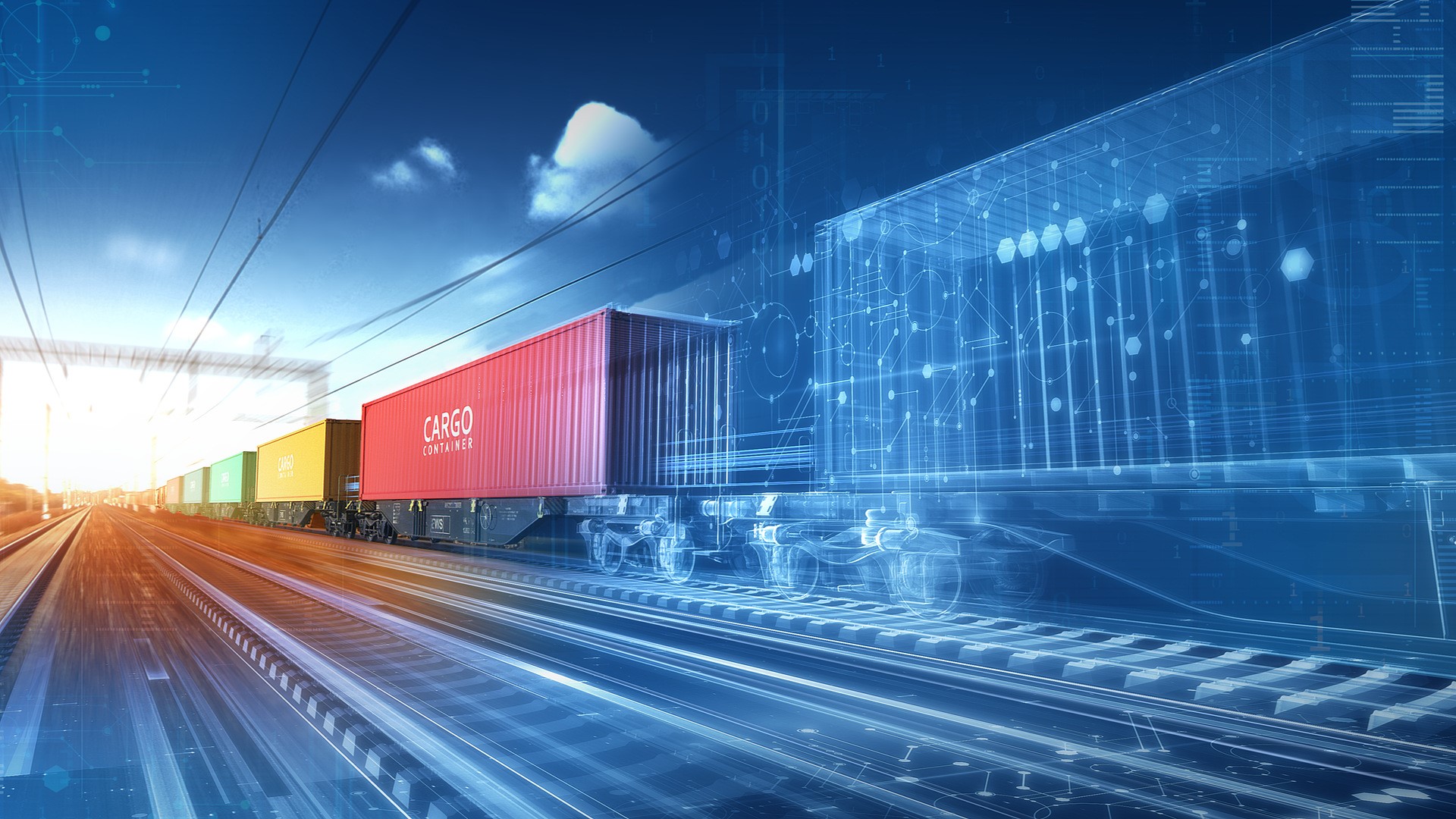
Conversely, if unparalleled speed is absolutely paramount for the delivery of high-value, time-sensitive, or perishable goods, then air freight is undeniably unrivaled in its efficiency, despite its inherently higher cost structure. However, for those seeking a judiciously balanced approach that effectively combines reasonable speed with significant cost-effectiveness, dedicated rail freight consistently emerges as an outstanding solution, offering predictable freight rates.
Moreover, it is imperative to carefully consider the specific cargo type; perishable goods, for example, might necessitate the rapid transit of air freight, while exceptionally oversized machinery might mandate the robust capacity of sea freight. For regular, predictable shipments of general cargo, rail freight provides an excellent, reliable, and sustainable solution. Furthermore, innovative hybrid solutions, such as strategic sea-rail or efficient air-rail combinations, can be meticulously tailored to address highly specific supply chain needs, enhancing flexibility and optimizing the delivery schedule.
Navigating Customs and Documentation for China-Italy Rail Freight
The meticulous preparation of proper customs clearance procedures and accurate documentation is an absolutely critical prerequisite for ensuring smooth and uninterrupted rail freight operations from China to Italy. Importers are unequivocally required to prepare a suite of essential documents, which typically includes the commercial invoice, a detailed packing list, the bill of lading (or its rail equivalent, the rail waybill), and a valid certificate of origin. This stringent adherence ensures full compliance with international trade laws and proactively mitigates potential delays at border crossings, optimizing cargo handling.
Partnering with an experienced and reputable customs brokerage service is, without a doubt, highly recommended. Such professionals possess the intricate knowledge and expertise to adeptly guide you through the multifaceted complexities of both Chinese export regulations and Italian import requirements, including the nuances of VAT and applicable duties. This specialized expertise is invaluable for achieving streamlined processing and avoiding costly errors in your import/export operations.
Additionally, a comprehensive understanding of Incoterms (International Commercial Terms) is fundamentally vital. These internationally recognized terms precisely define the respective responsibilities of both buyers and sellers concerning the delivery of goods, encompassing critical aspects such as costs, inherent risks, and necessary insurance provisions. Their clear application is key to preventing misunderstandings, ensuring a transparent delivery schedule, and establishing clear freight rates.

Real-World Scenarios: Rail Freight Success Stories from China to Italy
Case Study 1: Automotive Parts for Assembly in Milan
A prominent European automotive manufacturer required a consistent and reliable supply of critical components from their network of Chinese suppliers to their primary assembly plant situated in Milan, Italy. Air freight proved to be excessively costly for the required volume, while traditional sea freight was simply too slow to meet their stringent production schedules. This presented a classic challenge for optimizing their supply chain.
| Detail | Value |
|---|---|
| Route | Chengdu, China -> Milan, Italy |
| Cargo | Automotive components, 20 CBM, 8,000 kg |
| Container | LCL 20 CBM (consolidated) |
| Carrier/Service | Major rail operator via Yiwu-Milan Express |
| Port of Loading | Chengdu Rail Port |
| Port of Discharge | Milan Rail Terminal |
| Route Type | Direct via Kazakhstan/Poland |
| Rail Freight Cost | $8,500 |
| Origin Charges | $450 |
| Destination Charges | $600 |
| Customs & Duties (Est.) | $1,200 |
| Total Landed Cost | $10,750 |
| Booking to Loading | 3 days |
| Rail Transit Time | 20 days |
| Customs Clearance | 2 days |
| Total Door-to-Door | 25 days |
| Key Insight | Rail freight provided the perfect balance of speed and cost-effectiveness, ensuring on-time production without incurring excessive expenditure. Based on Q3 2024 market rates. |
Case Study 2: E-commerce Goods for Seasonal Sales in Bologna
An agile Italian e-commerce retailer urgently needed to restock a large consignment of popular fashion accessories from their manufacturing base in Guangzhou, China. The delivery was time-critical, needing to arrive well in advance of a significant seasonal sales event. They sought a faster delivery solution than sea freight, yet one that was considerably more affordable than express air cargo services. This scenario highlights the need for dynamic logistics trends.
| Detail | Value |
|---|---|
| Route | Guangzhou, China -> Bologna, Italy |
| Cargo | Fashion accessories, 1 x 40HQ, 18,000 kg |
| Container | 40HQ |
| Carrier/Service | Integrated logistics provider (e.g., DHL Global Forwarding rail service) |
| Port of Loading | Guangzhou Rail Terminal (via Zhengzhou) |
| Port of Discharge | Bologna Rail Terminal |
| Route Type | Intermodal rail with short-haul truck |
| Rail Freight Cost | $9,200 |
| Origin Charges | $550 |
| Destination Charges | $700 |
| Customs & Duties (Est.) | $1,500 |
| Total Landed Cost | $11,950 |
| Booking to Loading | 5 days |
| Rail Transit Time | 22 days |
| Customs Clearance | 3 days |
| Total Door-to-Door | 30 days |
| Key Insight | The strategic rail solution ensured products arrived promptly, well before the scheduled sales event, thereby maximizing potential revenue without exceeding the allocated budget. Typical rates as of early 2025. |
Optimizing Your Supply Chain with China-Italy Rail Freight
Strategically integrating rail freight into your overarching supply chain framework for China to Italy routes can profoundly enhance both operational efficiency and systemic resilience. By judiciously diversifying your transportation modes, you effectively mitigate over-reliance on single points of failure, such as the pervasive port congestion or unpredictable air cargo capacity shortages. This proactive approach fundamentally strengthens your entire logistics network and aligns with current logistics trends.
Moreover, leveraging comprehensive door-to-door rail services significantly simplifies the entire shipping process from start to finish. This streamlined approach effectively eliminates the necessity for multiple intermediaries and substantially optimizes cargo handling procedures. Consequently, it leads directly to a tangible reduction in administrative burdens and, crucially, potentially lower overall shipping costs, making your import/export operations more profitable.
Consider adopting a sophisticated intermodal approach, strategically combining rail transport with shorter-haul truck segments or even specific sea legs for achieving optimal flexibility and responsiveness. This dynamic strategy empowers businesses to adapt swiftly and effectively to rapidly changing market conditions and fluctuating freight rates, thereby ensuring the cultivation of a robust, agile, and consistently reliable supply chain that meets demanding delivery schedules.
Conclusion
In summary, rail freight from China to Italy unequivocally stands as a compelling and increasingly popular solution within the realm of international logistics. It consistently offers an excellent balance of speed, cost-effectiveness, and environmental sustainability, positioning it as an ideal choice for a diverse range of cargo types. By gaining a comprehensive understanding of the available routes, associated shipping costs, and inherent benefits, businesses can significantly optimize their supply chain and ensure reliable, predictable delivery of their goods between these vital economic regions.
Start Your Shipment
Ready to unlock the considerable benefits of efficient rail freight from China to Italy for your business operations? Contact Top China Freight today to thoroughly discuss your specific shipping needs and receive a personalized, tailored quote. Our dedicated team of logistics experts is poised to assist you in optimizing your supply chain, ensuring timely, and cost-effective delivery solutions.
Request Quote