

How to Ship Medical Equipment from China to UK: A Complete Guide
Navigating the complexities of global logistics, especially when dealing with sensitive cargo like medical equipment, requires precision and expertise. If you’re wondering how to ship medical equipment from China to UK, understanding the various regulations, shipping methods, and potential challenges is crucial. This comprehensive guide provides essential insights to ensure a smooth and compliant import process for your valuable goods.
Why is Shipping Medical Equipment from China to UK Challenging?
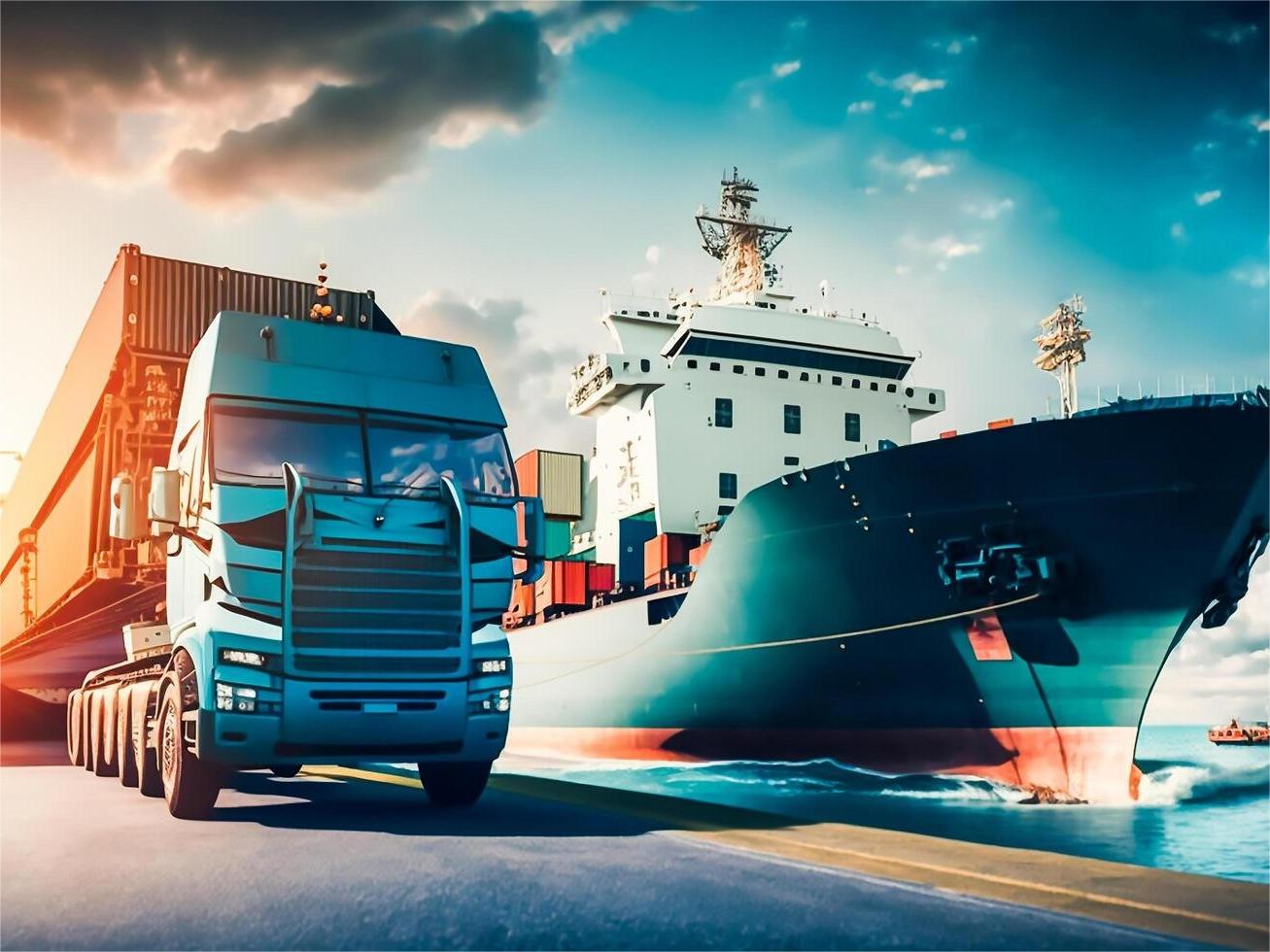
Shipping medical equipment from China to the UK presents unique complexities beyond standard cargo. These items are often high-value, sensitive, and critical for healthcare, demanding specialized handling. Consequently, any delays or damage can have severe consequences for patients and healthcare providers.
Furthermore, the regulatory landscape for medical devices is stringent, requiring meticulous compliance with international and national standards. Importers must navigate specific certifications, labeling, and quality control measures. Therefore, understanding these requirements upfront is essential to prevent costly customs issues.
Understanding UK Medical Device Regulations and Import Requirements
Importing medical equipment into the UK necessitates strict adherence to the Medicines and Healthcare products Regulatory Agency (MHRA) guidelines. Post-Brexit, the UKCA marking has become increasingly relevant, alongside continued recognition of CE marking for certain periods. Ultimately, compliance ensures patient safety and market access.
Moreover, importers must ensure their products meet the Medical Devices Regulation (MDR) or In Vitro Diagnostic Medical Devices Regulation (IVDR) standards, depending on the device type. A designated UK Responsible Person (UKRP) is often required for non-UK manufacturers. This step is critical for legal representation and regulatory oversight.
Additionally, an Economic Operators Registration and Identification (EORI) number is mandatory for all businesses importing goods into the UK. This number facilitates customs declarations and trade operations. Consequently, securing your EORI well in advance is a crucial preparatory step.
Key Documentation Checklist for Medical Imports
Accurate and complete documentation is paramount for seamless customs clearance. Missing or incorrect paperwork can lead to significant delays and penalties. Therefore, preparing all necessary documents meticulously is non-negotiable for importing medical devices.
| Document | Purpose | Notes |
|---|---|---|
| Commercial Invoice | Details of goods, value, seller/buyer. | Accurate valuation for duties. |
| Packing List | Itemized list of contents, weights, dimensions. | Matches cargo for inspection. |
| Bill of Lading (B/L) / Air Waybill (AWB) | Contract of carriage, title to goods. | Essential for release of cargo. |
| UKCA / CE Certificates | Proof of regulatory compliance. | Mandatory for market entry. |
| Declaration of Conformity | Manufacturer’s statement of compliance. | Supports UKCA/CE marking. |
| Import License / Permit | Required for certain high-risk devices. | Check MHRA guidance. |
| Insurance Certificate | Protects against loss or damage. | Highly recommended for high-value cargo. |
Choosing the Right Shipping Method: Air vs. Sea Freight for Medical Equipment
Selecting the optimal shipping method is a critical decision, balancing speed, cost, and cargo sensitivity. For urgent or high-value, smaller shipments, air freight offers unparalleled speed. However, this comes at a significantly higher cost, often making it suitable for time-sensitive medical supplies.
Conversely, sea freight is the most economical option for larger volumes and less urgent medical equipment. While transit times are considerably longer, the cost savings can be substantial. This method is ideal for durable medical devices or bulk shipments with flexible delivery schedules.

How Does Sea Freight Compare to Other Shipping Options?
Understanding the nuances between various shipping methods is crucial for making informed decisions when importing medical equipment from China to UK. Each option presents different trade-offs in terms of speed, cost, and cargo capacity. Therefore, evaluating your specific needs is paramount.
Moreover, while sea freight remains a dominant choice, alternatives like air freight and specialized express services cater to distinct logistical requirements. For instance, some medical devices may require strict temperature control, influencing the choice of carrier and service. Hybrid solutions can also offer flexibility.
Comprehensive Shipping Method Comparison
This table provides a clear overview of the primary methods for shipping medical equipment, highlighting their key characteristics. Based on current market rates as of Q1 2025, these figures offer a realistic perspective. However, actual rates can fluctuate due to fuel costs and seasonal demand.
| Shipping Method | Cost Range (per 40HQ/100kg) | Transit Time (China to UK) | Best For | Limitations |
|---|---|---|---|---|
| Sea Freight (FCL) | $3,500-4,500 (40HQ) | 30-38 days | Large volumes, non-urgent, cost-effective | Slow transit, port-to-port only |
| Sea Freight (LCL) | $80-150 per CBM | 35-45 days | Smaller volumes (under 15 CBM), cost-effective | Slower than FCL, potential for delays |
| Air Freight | $5-10 per kg | 5-10 days | Urgent, high-value, small/medium size, sensitive cargo | High cost, weight/volume restrictions |
| Express Service | $8-15 per kg | 2-5 days | Very urgent, small parcels, samples, documents | Highest cost, strict size/weight limits |
Alternative Strategies and Hybrid Solutions
For shipments under 15 CBM, Less than Container Load (LCL) sea freight is often more economical than a full container. However, it typically involves longer transit times due to consolidation and deconsolidation processes. Therefore, planning ahead is crucial for LCL shipments.
Additionally, direct routes from major Chinese ports to the UK can save 5-7 days compared to transshipment via intermediate ports like Rotterdam or Singapore. While direct routes may cost 10-15% more, the reduced transit time can be invaluable for certain medical supplies. Prioritizing speed often justifies the extra expense.
Hybrid solutions, such as sea-air combinations, can offer a balance between speed and cost for specific scenarios. For instance, cargo might travel by sea from China to a Middle Eastern hub, then by air to the UK. This approach can reduce overall transit time compared to pure sea freight, without the full expense of air freight.
Navigating Customs Clearance and Documentation for Medical Imports
Efficient customs clearance is a bottleneck for many importers, particularly with regulated goods like medical equipment. A smooth process relies heavily on accurate documentation and proactive communication with authorities. Consequently, engaging expert assistance can significantly reduce risks.
Leveraging a professional customs brokerage service is highly recommended for medical device imports. These specialists understand the intricacies of tariffs, duties, and specific MHRA requirements. Their expertise ensures compliance and minimizes delays, preventing costly penalties.
Furthermore, understanding Incoterms is vital for defining responsibilities and costs between buyer and seller. Terms like DDP (Delivered Duty Paid) place maximum responsibility on the seller, while EXW (Ex Works) places it on the buyer. Clearly defined Incoterms prevent disputes and ensure transparency.
Cost Considerations for Shipping Medical Equipment from China to UK
The total cost of shipping medical equipment from China to UK involves more than just the freight rate. Importers must account for a range of charges, including origin charges, destination charges, duties, VAT, and insurance. Analyzing these components helps forecast the total landed cost accurately.
Origin charges typically cover local transport, warehousing, and loading at the Chinese port. Destination charges, conversely, include unloading, customs clearance fees, and local delivery in the UK. Understanding these fees prevents unexpected expenses.
Furthermore, freight rates are subject to market volatility, influenced by factors such as fuel costs, carrier capacity, and seasonal demand. As of Q1 2025, freight rates from China to Europe have largely stabilized after the 2024 Red Sea disruptions, but peak season surcharges (typically August-October) can still increase costs by 15-25%.
Note: Freight rates are subject to change based on fuel costs, carrier capacity, and seasonal demand. Contact us for a current quote tailored to your specific shipment.
Real-World Shipping Scenarios: Case Studies
Examining actual shipping scenarios provides practical insights into the complexities and solutions involved in transporting medical equipment. These examples illustrate how different factors influence method choice, cost, and transit time. Ultimately, each shipment presents unique challenges and opportunities.
Case Study 1: Large Volume Diagnostic Devices
This case involved a UK hospital importing a significant quantity of diagnostic imaging equipment, prioritizing cost-effectiveness over speed. The durable nature of the devices allowed for sea freight, optimizing budget allocation.
| Detail | Value |
|---|---|
| Route | Shanghai, China to Felixstowe, UK |
| Cargo | Diagnostic Imaging Equipment, 55 CBM, 12,000 kg |
| Container | 1 x 40HQ |
| Shipping Details | Carrier: COSCO, Port of Loading: Shanghai, Port of Discharge: Felixstowe, Route Type: Direct |
| Cost Breakdown | Ocean Freight: $4,100, Origin Charges: $550, Destination Charges: $700, Customs & Duties (estimated): $2,800, Total Landed Cost: $8,150 (Based on Q3 2024 market rates) |
| Timeline | Booking to Loading: 5 days, Sea Transit: 32 days, Customs Clearance: 3 days, Total Door-to-Door: 40 days |
| Key Insight | Choosing FCL sea freight significantly reduced per-unit shipping costs, aligning with the budget-sensitive project. Careful planning for port-to-door logistics was essential. |
Case Study 2: Urgent Surgical Instruments
A medical distributor required urgent delivery of specialized surgical instruments for an upcoming procedure. Speed was the paramount concern, necessitating air freight despite the higher cost. The high value and critical nature of the cargo justified the premium service.
| Detail | Value |
|---|---|
| Route | Shenzhen, China to London Heathrow, UK |
| Cargo | Surgical Instruments, 2 CBM, 250 kg |
| Container | Air Cargo (Consolidated) |
| Shipping Details | Carrier: Major Air Cargo Carrier, Port of Loading: Shenzhen, Port of Discharge: London Heathrow, Route Type: Direct Air Cargo |
| Cost Breakdown | Air Freight: $2,100, Origin Charges: $280, Destination Charges: $350, Customs & Duties (estimated): $800, Total Landed Cost: $3,530 (Typical rates as of early 2025) |
| Timeline | Booking to Loading: 2 days, Air Transit: 3 days, Customs Clearance: 1 day, Total Door-to-Door: 7 days |
| Key Insight | Air freight provided the necessary speed for time-critical medical supplies. Utilizing an experienced freight forwarder streamlined customs and final delivery, crucial for urgent imports. |

Which Shipping Option Should You Choose?
The best shipping solution ultimately depends on your specific priorities and the nature of the medical equipment. A clear understanding of your budget, timeline, and cargo characteristics will guide your decision. Therefore, a careful assessment of these factors is indispensable.
If budget is your primary concern and transit time is flexible, cost-effective sea freight (FCL or LCL) offers a suitable solution. This is ideal for bulk orders or durable goods that are not time-sensitive. Conversely, if speed is paramount, rapid air freight or express service is the only viable option, despite higher costs. This is best for urgent, high-value, or temperature-sensitive items.
For cargo type considerations, delicate or temperature-sensitive medical devices may require specialized handling, such as reefer containers for sea freight or temperature-controlled air cargo. Volume thresholds also play a role; LCL is efficient for smaller shipments, while FCL becomes more cost-effective for larger volumes (typically above 15 CBM).
Considering a door-to-door service can simplify the entire process, especially for importers new to international logistics. This comprehensive service handles all aspects from pickup in China to final delivery in the UK. It offers convenience and reduces logistical burdens.
Partnering with a Reliable Freight Forwarder
Engaging an experienced freight forwarder is perhaps the most crucial step in successfully shipping medical equipment from China to UK. A reputable partner like Top China Freight possesses the expertise to navigate complex regulations, optimize routes, and manage all logistical aspects. They act as your single point of contact, simplifying the entire supply chain.
Furthermore, a good freight forwarder offers invaluable assistance with documentation, customs clearance, and risk management, including cargo insurance. Their network and industry knowledge can prevent common pitfalls, saving you time and money. Consequently, choosing the right partner ensures peace of mind and efficient delivery.
Conclusion: Navigating Medical Equipment Shipping with Confidence
Shipping medical equipment from China to UK is undeniably a complex undertaking, demanding careful planning and adherence to strict regulations. From choosing the right shipping method to managing intricate customs procedures, every step requires precision. However, with the right knowledge and a reliable logistics partner, this process can be managed effectively.
By understanding the regulatory landscape, evaluating your shipping options, and preparing meticulously, you can ensure your valuable medical cargo reaches its destination safely and compliantly. Ultimately, successful imports contribute to better healthcare outcomes and strengthen your supply chain. Partner with experts to simplify how to ship medical equipment from China to UK.
Need a tailored shipping solution?
Ready to streamline your medical equipment imports from China to the UK? Contact us today for a personalized quote and expert consultation. Our team is prepared to offer tailored solutions for your specific shipping needs, ensuring compliance and efficiency.