

Fastest Way to Ship Home Goods from China to Europe: An Ultimate Guide
Shipping home goods from China to Europe can often present logistical challenges, especially when speed is a primary concern. Understanding the various shipping methods and their associated transit times is crucial for efficient planning. This guide explores the fastest options available, helping you navigate complex international logistics for your household items through experienced partners like Top China Freight.

Why Speed Matters for Shipping Home Goods to Europe
For many individuals and businesses, the swift delivery of home goods from China to Europe is paramount. Whether you are relocating, furnishing a new property, or managing an e-commerce business, delays can be costly and inconvenient. Consequently, optimizing transit time is often a top priority.
Furthermore, certain items, such as seasonal decorations or time-sensitive electronics, benefit significantly from faster shipping. Minimizing the waiting period ensures goods arrive when needed, enhancing customer satisfaction and operational efficiency. Therefore, selecting the right shipping method becomes critical.
Key Shipping Methods: Evaluating Speed and Cost
When considering the fastest way to ship home goods from China to Europe, several distinct methods are available. Each option offers a unique balance of speed, cost, and capacity. Understanding these differences is essential for making an informed decision.
Ultimately, your choice will depend on the urgency of your shipment, the volume of goods, and your overall budget. We examine the primary methods below, providing insight into their typical performance.
Express Courier Services
Express courier services, provided by global carriers, represent the absolute fastest option for smaller home goods. These services prioritize speed, offering door-to-door delivery with minimal transit times. They are ideal for urgent or high-value items.
Typically, transit times range from 2 to 5 business days, making them unparalleled for time-sensitive deliveries. However, this speed comes at a premium, making it less suitable for bulkier or less urgent shipments. Explore express service for your most urgent needs.
Air Freight
Air freight offers a robust balance between speed and cost for larger volumes of home goods that are still time-sensitive. This method involves transporting cargo on commercial or dedicated freighter aircraft. It is significantly faster than sea or rail freight.
Generally, air freight shipments from China to Europe take between 5 to 10 days, depending on the specific route and customs processing. While more expensive than sea freight, it is considerably more economical than express services for heavier or bulkier items. Learn more about air freight solutions.
Rail Freight
Rail freight has emerged as a viable middle-ground option for shipping home goods from China to Europe. It offers a faster transit time than sea freight and is more cost-effective than air freight. The New Silk Road railway network connects major Chinese cities to various European hubs.
Transit times for rail freight typically fall between 15 to 25 days, depending on the origin and destination terminals. This method is particularly suitable for medium-sized shipments where both speed and budget are important considerations. Consider rail freight for a balanced approach.
Sea Freight (FCL/LCL)
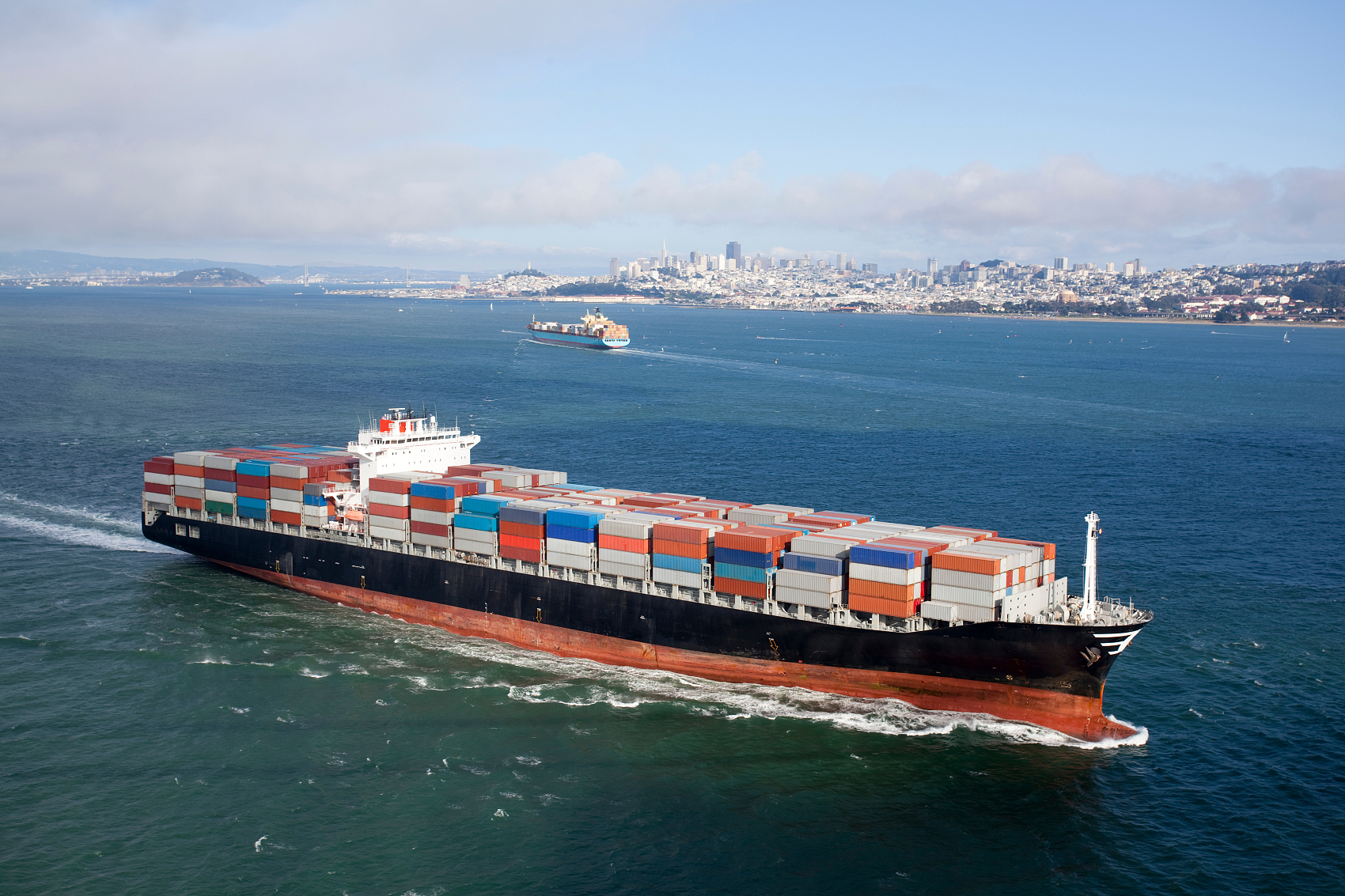
While not the fastest, sea freight remains the most economical option for large volumes of home goods. It involves shipping containers across oceans, with full container load (FCL) and less than container load (LCL) options available. This method is best for non-urgent, heavy, or bulky items.
Transit times for sea freight from China to Europe typically range from 28 to 45 days, subject to port congestion and specific routes. Despite the longer duration, its cost-effectiveness makes it popular for large-scale moves or commercial imports. Discover more about sea freight services.
How Does Each Method Compare for Home Goods Shipping?
Choosing the optimal shipping method for home goods from China to Europe requires a detailed comparison of critical factors. Speed, cost, and cargo suitability are paramount considerations. Each option presents unique advantages and limitations that must be carefully weighed.
Therefore, aligning your specific needs with the capabilities of each shipping method is crucial. This helps ensure both efficiency and cost-effectiveness for your international home goods delivery. Below is a comprehensive comparison.
| Shipping Method | Cost Range (Approx.) | Transit Time (Days) | Best For | Limitations |
|---|---|---|---|---|
| Express Courier | High (e.g., $100-$500+ for 10kg) | 2-5 | Small, urgent, high-value items (documents, small electronics) | Very high cost for bulkier items, weight/size limits |
| Air Freight | Medium-High (e.g., $5-10/kg) | 5-10 | Medium to large urgent shipments (appliances, furniture parts) | More expensive than rail/sea, volumetric weight considerations |
| Rail Freight | Medium (e.g., $2-4/kg or $3000-6000/container) | 15-25 | Medium to large non-urgent shipments (furniture, electronics) | Limited routes/terminals, less flexible schedule than air |
| Sea Freight (LCL) | Low-Medium (e.g., $80-150/CBM) | 28-45 | Small to medium non-urgent shipments (boxes, some furniture) | Slowest transit, potential for delays, extra handling |
| Sea Freight (FCL) | Low (e.g., $2800-4200/container) | 28-45 | Large, non-urgent shipments (full household moves, bulk furniture) | Slowest transit, high fixed cost even if not full, port congestion |

Optimizing for Speed: Strategies and Considerations
Achieving the fastest way to ship home goods from China to Europe involves more than just selecting a fast transport method. Proactive planning and careful execution of several key strategies can significantly reduce overall transit times. This holistic approach ensures a smoother and quicker delivery process.
Furthermore, paying attention to details like documentation and packaging can prevent common delays. Consequently, a well-managed shipping process is paramount for expedited results. Let’s delve into specific optimization tactics.
Efficient Documentation and Customs Clearance
Accurate and complete documentation is perhaps the most critical factor in avoiding customs delays. Any discrepancies or missing paperwork can hold up your shipment for days or even weeks. Therefore, preparing all necessary documents in advance is essential.
Partnering with a reliable freight forwarder who offers customs brokerage services can streamline this process. They ensure all declarations are correct and submitted promptly, facilitating swift clearance upon arrival in Europe. This significantly contributes to a faster overall delivery schedule.
Professional Packaging and Labeling
Proper packaging not only protects your home goods during transit but also contributes to efficient cargo handling. Securely packed items are less likely to be damaged, reducing the need for inspections or re-packaging. This prevents unnecessary delays at various checkpoints.
Moreover, clear and accurate labeling ensures your shipment is correctly routed and identified throughout its journey. Professional packaging standards minimize risks and help maintain a smooth flow through the logistics chain. This attention to detail can shave off valuable time.
Choosing a Reputable Freight Forwarder
Selecting an experienced freight forwarder is paramount for navigating the complexities of international shipping. A reliable partner possesses extensive knowledge of routes, regulations, and potential pitfalls. They can offer tailored solutions for your specific home goods.
Furthermore, a good freight forwarder provides end-to-end visibility and proactive communication, keeping you informed every step of the way. Their expertise can significantly expedite the entire process, from origin to final destination. Consider a door-to-door service for maximum convenience.
Navigating Customs and Regulations for Home Goods
Customs procedures are a significant hurdle in international shipping, especially when moving home goods from China to Europe. Each European country has specific import regulations, tariffs, and documentation requirements. Understanding and complying with these rules is vital for preventing delays.
Consequently, proper preparation for customs clearance is a non-negotiable step in achieving the fastest possible delivery. Failure to adhere to regulations can lead to costly fines, storage fees, and extended transit times. Here’s a general checklist for common documents.
| Document Type | Purpose | Key Details |
|---|---|---|
| Commercial Invoice | Proof of sale/value for customs | Shipper/consignee details, description of goods, value, currency, Incoterms |
| Packing List | Details contents of each package | Number of packages, weight, dimensions, itemized list of contents |
| Bill of Lading / Air Waybill | Contract of carriage, title to goods | Carrier details, origin/destination, cargo description, terms and conditions |
| Certificate of Origin | Verifies country of manufacture | Issued by Chamber of Commerce, required for preferential tariffs |
| Import License (if applicable) | Permit for controlled goods | Required for specific items (e.g., certain electronics, antiques) |
| Customs Declaration Form | Formal declaration of goods to authorities | Detailed item descriptions, HS codes, declared value, duties/taxes |
Real-World Scenarios: Expedited Home Goods Shipments
Understanding theoretical shipping options is one thing, but seeing how they apply in real-world scenarios provides invaluable insight. These case studies illustrate practical applications of the fastest shipping methods for home goods from China to Europe. They highlight typical costs, transit times, and potential challenges.
Based on Q3 2024 market rates, these examples offer a realistic perspective on what to expect. Note: Freight rates are subject to change based on fuel costs, carrier capacity, and seasonal demand. Contact us for a current quote tailored to your specific shipment.
Case Study 1: Urgent Electronics Delivery (Air Freight)
| Detail | Description |
|---|---|
| Route | Shenzhen, China -> Frankfurt, Germany |
| Cargo | High-end home electronics (TVs, sound systems), 3 CBM, 250 kg |
| Container | LCL Air Cargo |
| Shipping Details | Carrier: Lufthansa Cargo, Port of Loading: Shenzhen (SZX), Port of Discharge: Frankfurt (FRA), Route Type: Direct |
| Cost Breakdown | Air Freight: $1,875 (approx. $7.50/kg), Origin Charges: $150, Destination Charges: $120, Customs & Duties (estimated): $300, Total Landed Cost: $2,445 |
| Timeline | Booking to Loading: 2 days, Air Transit: 3 days, Customs Clearance: 1 day, Total Door-to-Door: 6 days |
| Key Insight | Air freight provided the necessary speed for high-value, time-sensitive electronics. Pre-clearing customs paperwork dramatically reduced airport dwell time. |
Case Study 2: Fast Furniture Consolidation (Rail Freight)
| Detail | Description |
|---|---|
| Route | Chongqing, China -> Duisburg, Germany |
| Cargo | Flat-pack furniture for a small apartment, 10 CBM, 800 kg |
| Container | LCL Rail Cargo |
| Shipping Details | Carrier: China Railway Express, Terminal of Loading: Chongqing, Terminal of Discharge: Duisburg, Route Type: Direct |
| Cost Breakdown | Rail Freight: $1,600 (approx. $2/kg), Origin Charges: $180, Destination Charges: $150, Customs & Duties (estimated): $400, Total Landed Cost: $2,330 |
| Timeline | Booking to Loading: 3 days, Rail Transit: 18 days, Customs Clearance: 2 days, Total Door-to-Door: 23 days |
| Key Insight | Rail freight offered a significant speed advantage over sea freight at a competitive cost for bulky but not hyper-urgent home goods. Strategic terminal selection was key. |
Case Study 3: Small Household Items (Express Courier)
| Detail | Description |
|---|---|
| Route | Shanghai, China -> Paris, France |
| Cargo | Assorted small household decor items, 0.5 CBM, 20 kg |
| Container | Express Parcel |
| Shipping Details | Carrier: DHL Express, Origin Hub: Shanghai, Destination Hub: Paris, Route Type: Direct Air Express |
| Cost Breakdown | Express Freight: $280, Origin Charges: $0 (included), Destination Charges: $0 (included), Customs & Duties (estimated): $50, Total Landed Cost: $330 |
| Timeline | Booking to Pickup: 1 day, Air Transit: 2 days, Customs Clearance: 1 day, Total Door-to-Door: 4 days |
| Key Insight | For very small, urgent shipments, express courier services provide unmatched speed and convenience, often with all-inclusive pricing. This is the fastest way to ship home goods from China to Europe for parcels. |
Current Market Conditions and Future Trends
As of early 2025, the global logistics landscape continues to evolve, impacting the fastest way to ship home goods from China to Europe. The disruptions in the Red Sea have led to rerouting for many sea freight vessels, increasing transit times and costs for ocean-bound cargo. Consequently, alternative methods like air and rail freight have seen increased demand and fluctuating rates.
Industry data suggests a continued focus on supply chain resilience and diversification. Shippers are increasingly exploring hybrid solutions, such as sea-air combinations, to mitigate risks and maintain delivery schedules. Seasonal peaks, especially during Q4, can still cause rates to increase by 15-25% and extend transit times, necessitating early planning.
Which Option Should You Choose? A Decision Framework
Selecting the ideal shipping method for your home goods hinges on a clear understanding of your priorities. A structured decision framework can help you navigate the choices effectively. This ensures you align your logistics strategy with your specific requirements.
Consider these key factors to determine the fastest way to ship home goods from China to Europe that meets your needs.
If budget is your absolute priority, and time is flexible, sea freight (FCL or LCL) is undoubtedly the most cost-effective solution. However, be prepared for longer transit times.
For urgent deliveries where speed is paramount, and the cargo is relatively small or high-value, express courier services or air freight are your best bets. These options significantly cut down transit time but come at a higher cost. For a balanced approach for larger items, rail freight offers a compelling compromise between speed and expense.
Conclusion: Navigating Your Home Goods Shipping Journey
Ultimately, the fastest way to ship home goods from China to Europe depends on a careful assessment of your specific needs regarding speed, cost, and cargo volume. Express courier and air freight offer unparalleled speed for urgent items, while rail freight provides a solid middle ground. Sea freight remains the most economical for larger, less time-sensitive shipments.
By understanding each method’s nuances, optimizing documentation, and partnering with an experienced freight forwarder, you can effectively manage your international logistics. This ensures your home goods arrive in Europe as quickly and efficiently as possible, minimizing stress and maximizing satisfaction.

Get Your Shipping Quote Today
Ready to find the fastest way to ship your home goods from China to Europe? Contact our experts at Top China Freight today for a personalized quote and tailored logistics solutions. We are here to streamline your international shipping process.
Request Quote