

How to Ship Textiles from China to Europe: Your Complete Guide
Shipping textiles from China to Europe presents unique challenges. Understanding international freight is essential for successful import operations. This guide illuminates strategies for how to ship textiles from China to Europe. For support, visit Top China Freight.
✦
Understanding Textile Shipping to Europe
Textile products, including clothing and fabrics, require careful handling and specific logistics. The journey from Chinese manufacturers to European markets demands precision. Choosing the right shipping strategy is paramount for cost-effectiveness.
Moreover, the European market has distinct import regulations and consumer demands. Businesses must consider sustainability, quality control, and EU standards. A well-planned supply chain helps mitigate risks.
Key Considerations for Textile Logistics
Several factors significantly impact textile shipping. Shipment volume and weight influence freight method and costs. Delivery urgency dictates the required speed.
The specific textile type, like silk or denim, influences packaging and cargo handling. Understanding these nuances is crucial for optimizing your import strategy. Careful planning prevents delays.
Main Shipping Methods for Textiles from China to Europe
Businesses have several reliable options for transporting textiles from China to Europe. Each method offers distinct advantages in speed, cost, and capacity. Selecting the most suitable option depends on your specific business needs.
Considering current logistics trends and market conditions helps in making informed decisions. Understanding each method’s pros and cons is the first step to optimizing your supply chain.
Sea Freight for Large Textile Shipments
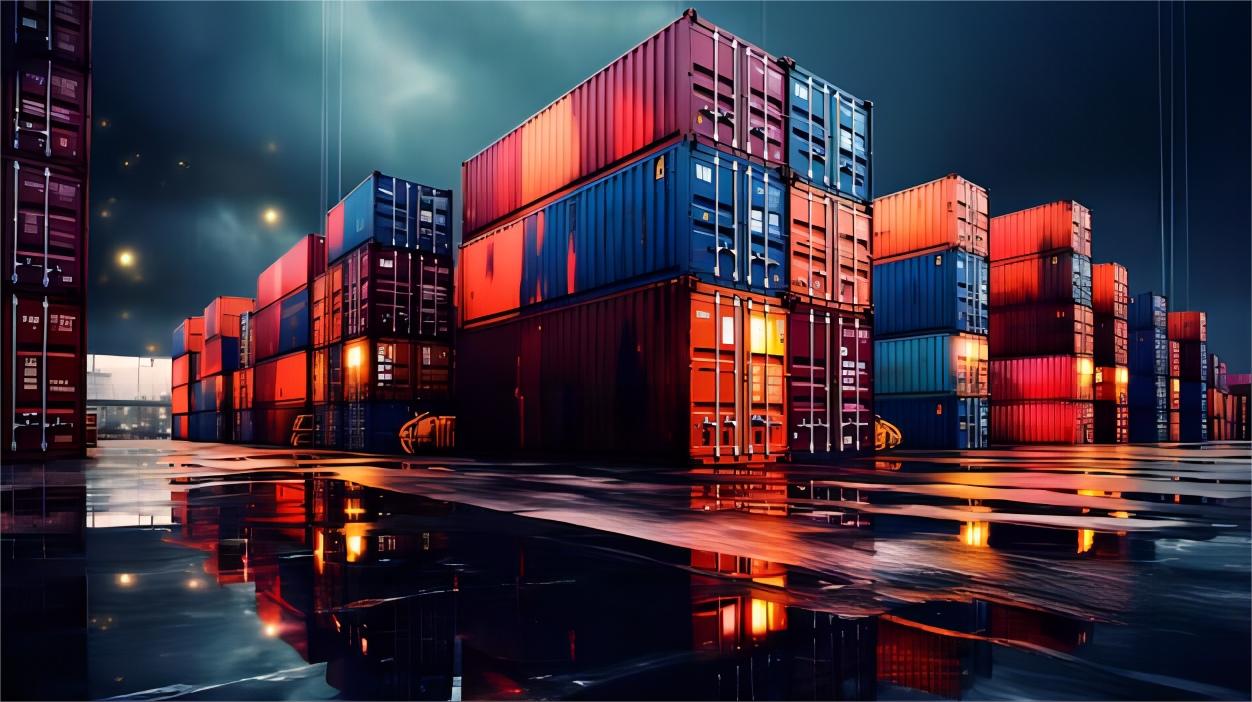
Sea freight is the most economical option for large textile volumes from China to Europe. It’s ideal for non-urgent, bulk orders, offering significant cost savings. Transit times are longer, typically 28 to 35 days. Consider sea freight for cost-effective, high-volume textile imports.
Air Freight for Urgent Textile Deliveries
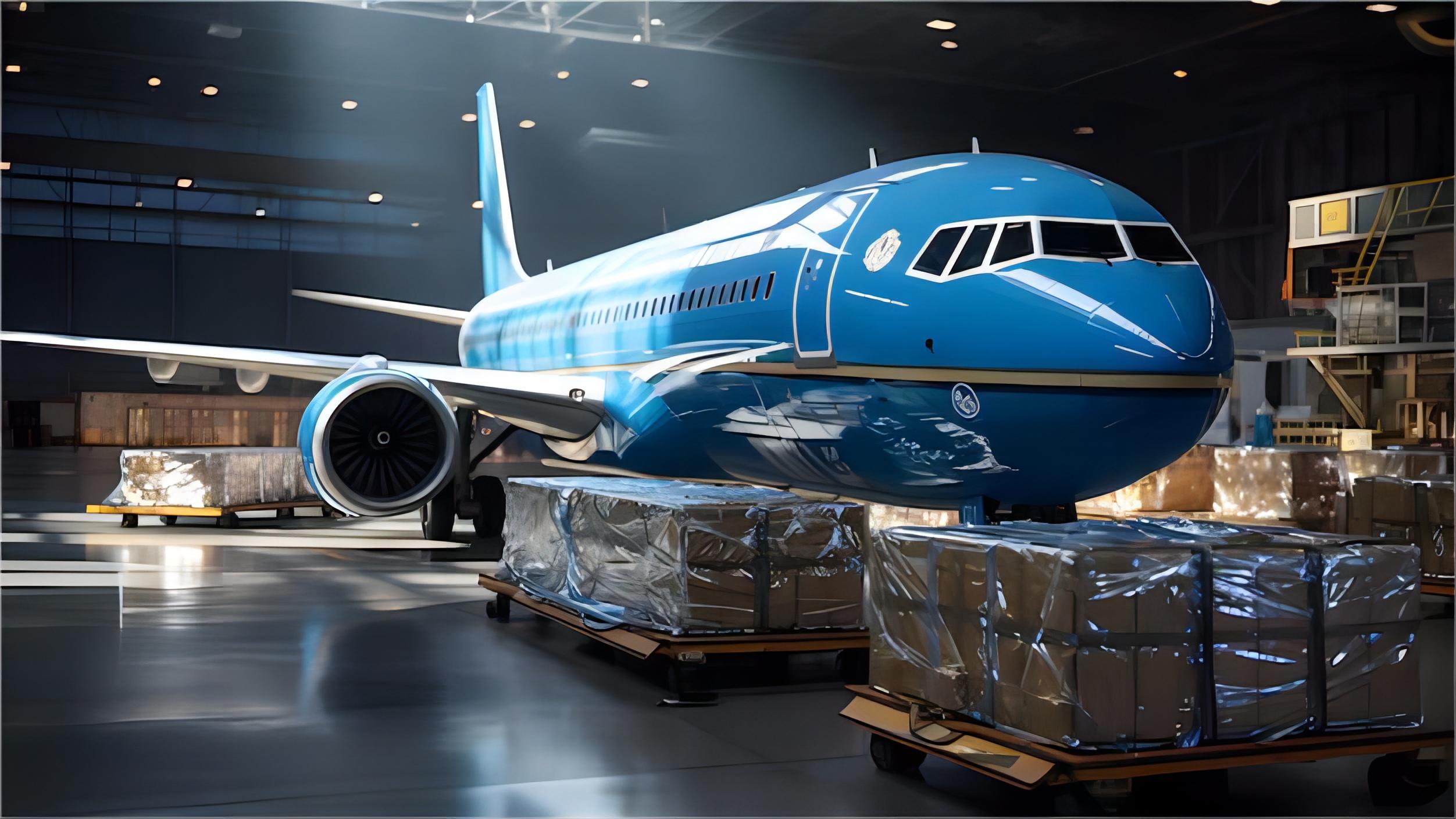
For time-sensitive textile shipments, air freight is the fastest solution, reducing transit time to 3-7 days. This speed comes at a higher price. Air freight suits smaller, high-value, or urgent textile cargo. Explore air freight for rapid textile delivery needs.
Rail Freight: A Balanced Option for Textiles
Rail freight offers a middle ground between air speed and sea cost. It provides transit times of approximately 15-20 days from Chinese hubs to Europe. This method is advantageous for a faster alternative without high air freight costs. Discover the benefits of rail freight for your textile logistics.
Express Shipping for Textile Samples and Small Orders
For small textile shipments like samples, express courier services are invaluable. They offer door-to-door delivery within 2-5 days, providing unparalleled speed. While more expensive, express shipping is ideal for minimum order quantities. This service ensures fast, reliable small textile consignments.
How Does Each Method Compare for Textile Shipments?
Choosing the optimal textile shipping method involves weighing budget, delivery speed, and cargo volume. No one-size-fits-all solution exists; the ideal choice depends on your specific business needs. A clear comparison is essential.
Understanding cost-speed trade-offs allows strategic decisions. This comparison table provides an overview of primary methods for shipping textiles from China to Europe. Align your logistics with business goals.
| Shipping Method | Cost Range (per kg) | Transit Time (days) | Best For | Limitations |
|---|---|---|---|---|
| Sea Freight (FCL/LCL) | $0.05 – $0.20 | 28-35 | Large volume, non-urgent, heavy textiles | Long transit times, port-to-port delivery |
| Rail Freight | $0.25 – $0.50 | 15-20 | Medium volume, moderately urgent, balanced cost/speed | Limited routes, capacity constraints |
| Air Freight | $3.00 – $6.00 | 3-7 | Urgent, high-value, small to medium volume textiles | Highest cost, weight/volume restrictions |
| Express Courier | $6.00 – $12.00 | 2-5 | Samples, very small parcels, urgent documents | Very high cost, strict weight/size limits |
Cost Factors and Pricing Trends for Textile Shipping
Understanding shipping cost components is vital for accurate budgeting and financial planning. Freight rates for textiles are influenced by dynamic factors. Obtaining comprehensive quotes is always recommended.
Market data suggests rates can fluctuate significantly due to global events and seasonal demands. A detailed breakdown helps in forecasting expenses. Businesses can maintain competitive pricing.
What Influences Textile Shipping Costs?
Several key elements contribute to overall textile shipping costs. The chosen method (sea, air, rail) is the most significant determinant. Volume and weight of cargo directly impact freight charges.
Market Insights and Seasonal Variations
Freight rates from China to Europe are subject to market volatility. Q1 2025 rates are stable but higher than pre-pandemic levels. Peak seasons often see 15-25% rate increases. Always consult your freight forwarder for current rates. Note: Freight rates are subject to change based on fuel costs, carrier capacity, and seasonal demand. Contact us for a current quote.
Navigating Customs and Documentation for Textile Imports
Customs clearance is a critical stage in shipping textiles from China to Europe. Meticulous documentation preparation is essential to avoid delays and penalties. Proper compliance ensures smooth EU market entry.
Understanding import duties and regulations is vital for accurate cost calculation and legal compliance. Working with an experienced customs brokerage service streamlines this process, minimizing issues.
Essential Documents for Textile Imports
A comprehensive set of documents is required for textile customs clearance. These papers verify origin, value, and type of goods. Incomplete documentation leads to significant delays. Ensuring all paperwork is accurate and complete before shipment is crucial.
| Document Type | Purpose | Notes |
|---|---|---|
| Commercial Invoice | Details of goods, value, seller/buyer | Crucial for customs valuation and duties |
| Packing List | Itemized list of contents, weights, dimensions | Aids in cargo handling and inspection |
| Bill of Lading (BOL)/Air Waybill (AWB) | Contract of carriage, title to goods | Proof of shipment and ownership |
| Certificate of Origin | Confirms manufacturing country | Required for preferential tariffs (if applicable) |
| Import License | Permit for specific goods (if required) | Check EU regulations for textile quotas/restrictions |
| Textile Composition Label | Details of fabric content | Mandatory for consumer product compliance in EU |

Duties, Taxes, and Regulations
Import duties and VAT are significant cost components for textiles entering Europe. Duty rates vary based on textile type and HS code; accurate classification is paramount. Textiles are also subject to EU safety, labeling, and environmental regulations.
Optimizing Your Textile Supply Chain for Europe
An optimized supply chain is fundamental for businesses importing textiles from China to Europe. Effectively managing goods flow enhances efficiency and reduces operational costs. It also improves customer satisfaction.
Modern logistics solutions offer greater visibility and control over textile shipments. Partnering with a reliable freight forwarder provides tailored services addressing industry challenges. This collaboration ensures a seamless process.
Door-to-Door Solutions for Seamless Textile Delivery
Many businesses prefer comprehensive door-to-door shipping for textile imports. This option handles all logistics, from factory pickup to final delivery in Europe. It minimizes administrative burden for importers. Consider door to door services for a hassle-free experience.
Amazon FBA for Textile Businesses in Europe
For textile brands selling via Amazon in Europe, FBA streamlines distribution. Ship textiles directly from China to Amazon’s fulfillment centers, where Amazon handles storage and shipping. Integrating with Amazon FBA requires careful planning. This solution optimizes logistics for Amazon sellers.
Which Shipping Option Should You Choose for Your Textiles?
Deciding the best textile shipping method involves assessing your priorities. No one-size-fits-all solution exists; the ideal choice depends on your business model. Evaluate your requirements carefully.
This decision framework helps align logistics strategy with operational and financial goals. Consider these criteria for an informed choice for textile imports. The right method ensures efficiency and profitability.
| Priority | Recommendation | Considerations |
|---|---|---|
| Budget | Sea Freight (LCL/FCL) | Longer transit times, requires inventory planning |
| Speed | Air Freight / Express Courier | Higher cost, suitable for urgent or high-value items |
| Balanced Cost & Speed | Rail Freight | Moderate transit time and cost, good for regular shipments |
| Cargo Volume (Small) | LCL Sea Freight / Air Freight / Express | LCL for cost, Air/Express for speed |
| Cargo Volume (Large) | FCL Sea Freight | Most economical for full container loads |
| Delicate/High-Value Textiles | Air Freight with specialized handling | Requires robust packaging and insurance |
Real-World Textile Shipping Case Studies
Examining real-world examples provides valuable insights into successful textile shipping. These case studies highlight method application based on cargo and business needs. They showcase practical challenges and solutions.
Understanding various shipment nuances helps in planning your own logistics effectively. These examples illustrate typical scenarios for how to ship textiles from China to Europe. Learn from past experiences and optimize your approach.
Case Study 1: Large Volume Apparel Shipment
This case exemplifies a large-scale apparel import, prioritizing cost-efficiency. The client replenished seasonal clothing inventory for European retail. Sea freight was optimal. Meticulous planning and early booking secured favorable rates, ensuring a steady supply chain. Rates based on Q3 2024 market.
| Detail | Description |
|---|---|
| Route | Shanghai, China Rotterdam, Netherlands |
| Cargo | Cotton T-shirts and denim jeans, 55 CBM, 15,000 kg |
| Container | 1 x 40HQ |
| Carrier/Service | COSCO (Major carrier) |
| Port of Loading | Shanghai |
| Port of Discharge | Rotterdam |
| Route Type | Direct |
| Ocean Freight | $3,800 |
| Origin Charges | $450 |
| Destination Charges | $600 |
| Customs & Duties (estimated) | $1,200 |
| Total Landed Cost | $6,050 |
| Booking to Loading | 7 days |
| Sea Transit | 32 days |
| Customs Clearance | 3 days |
| Total Door-to-Door | 45 days |
| Key Insight | Cost-effective for bulk, but requires significant lead time. |
Case Study 2: Urgent Fashion Collection Delivery
An emerging fashion brand required rapid delivery for a European fashion show. Speed was the absolute priority, overriding cost. Air freight was the only viable option. Timely arrival met crucial market deadlines, and secure packaging ensured pristine garments. This strategy was critical for market entry. Typical rates as of early 2025.
| Detail | Description |
|---|---|
| Route | Guangzhou, China Paris, France |
| Cargo | High-end silk dresses and accessories, 3 CBM, 500 kg |
| Container | Air Cargo (General) |
| Carrier/Service | Lufthansa Cargo (Major carrier) |
| Port of Loading | Guangzhou Baiyun (CAN) |
| Port of Discharge | Paris Charles de Gaulle (CDG) |
| Route Type | Direct |
| Air Freight | $2,800 |
| Origin Charges | $250 |
| Destination Charges | $350 |
| Customs & Duties (estimated) | $500 |
| Total Landed Cost | $3,900 |
| Booking to Loading | 2 days |
| Air Transit | 4 days |
| Customs Clearance | 1 day |
| Total Door-to-Door | 7 days |
| Key Insight | Fastest for urgent, high-value goods, but at a premium cost. |
Case Study 3: LCL Consignment of Fabric Samples
A textile design studio imported fabric samples for product development. The shipment was small, and reasonable transit time preferred. LCL sea freight provided a balanced solution. Consolidating samples made it cost-effective. Careful labeling ensured easy identification. Note: Freight rates are subject to change based on fuel costs, carrier capacity, and seasonal demand. Contact us for a current quote.
| Detail | Description |
|---|---|
| Route | Ningbo, China Hamburg, Germany |
| Cargo | Assorted fabric samples, 1.5 CBM, 250 kg |
| Container | LCL (Less than Container Load) |
| Carrier/Service | MSC (Major carrier) |
| Port of Loading | Ningbo |
| Port of Discharge | Hamburg |
| Route Type | Transshipment via Singapore |
| Ocean Freight | $250 |
| Origin Charges | $180 |
| Destination Charges | $220 |
| Customs & Duties (estimated) | $100 |
| Total Landed Cost | $750 |
| Booking to Loading | 5 days |
| Sea Transit | 30 days |
| Customs Clearance | 2 days |
| Total Door-to-Door | 40 days |
| Key Insight | Economical for small volumes, but transit time can be longer due to consolidation. |
Conclusion: Mastering Textile Logistics from China to Europe
Shipping textiles from China to Europe requires a strategic approach, balancing cost, speed, and reliability. Understanding methods, navigating customs, and optimizing your supply chain ensures seamless operations. Partnering with a knowledgeable freight forwarder is key to manage how to ship textiles from China to Europe.
Effective logistics management ensures textile products reach European markets efficiently and economically. Informed decisions about your shipping strategy will significantly impact your business’s profitability and growth. We are here to support your textile import journey.