

Electronics Air Freight China to UK: Speed & Efficiency
“Shipping electronics from China to the UK demands speed, reliability, and precision. Businesses frequently face challenges like extended transit times, complex customs procedures, and fluctuating freight costs. Therefore, choosing the right logistics partner is paramount to ensure your valuable goods arrive safely and on schedule. Top China Freight offers tailored solutions to navigate these complexities effectively.”
Why Choose Air Freight for Electronics from China to UK?
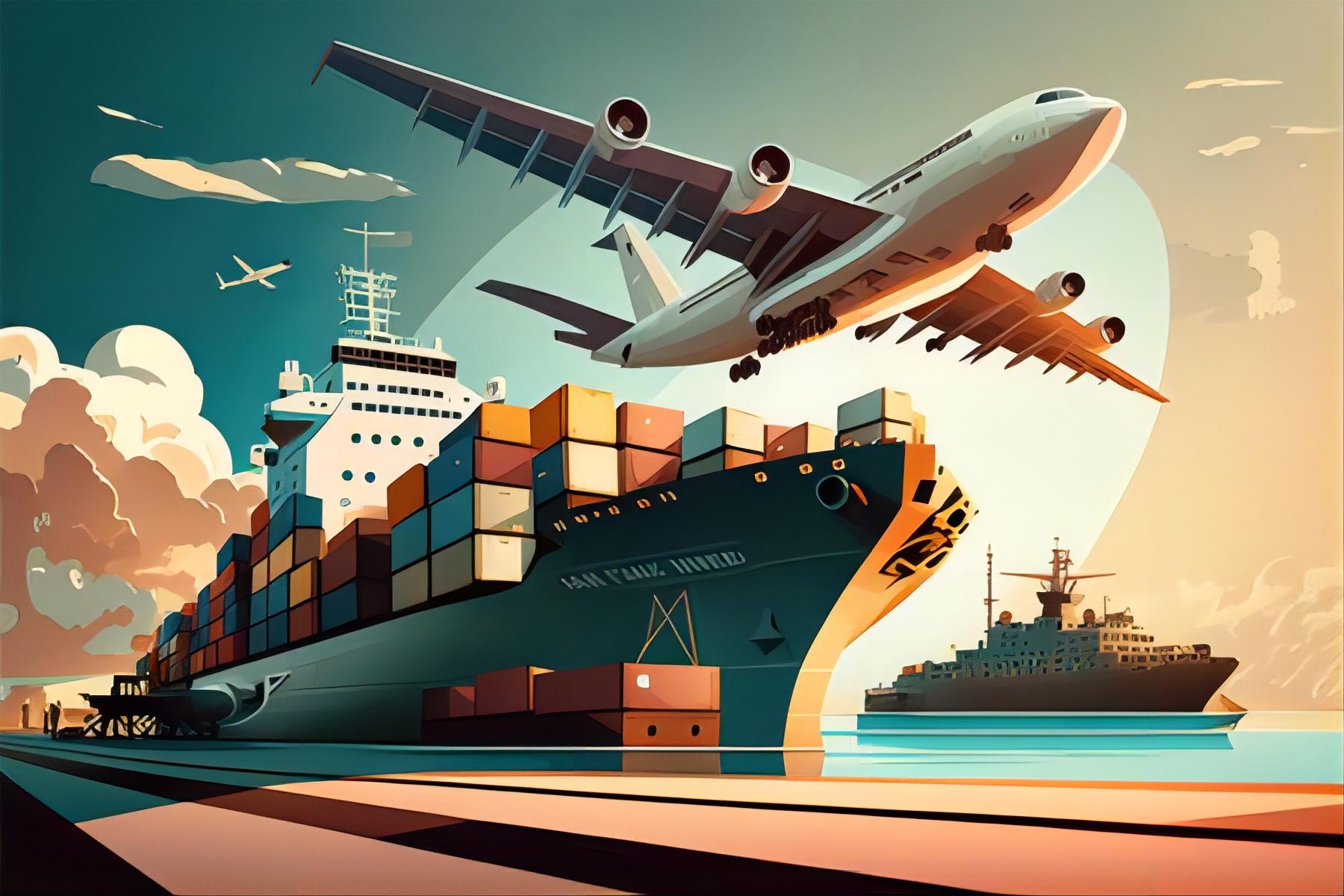
❖When dealing with high-value, time-sensitive, or fragile electronics, air freight often becomes the preferred shipping method. It offers unparalleled speed, significantly reducing the lead time from manufacturing in China to market availability in the UK. This speed is crucial for maintaining competitive advantages and meeting consumer demand for new technology.
Moreover, air cargo provides enhanced security and reduced handling, which is vital for delicate electronic components. The shorter transit times also minimize the risk of damage or theft. Consequently, many businesses prioritize air shipping for critical inventory, product launches, or urgent replenishment.
Air freight also benefits from a robust global network, offering extensive reach to various airports across the UK. This ensures greater flexibility in delivery points compared to other modes. Furthermore, the specialized handling and tracking systems provide peace of mind for sensitive shipments.

Consider the rapid pace of technology; therefore, getting your products to market quickly is essential. Air freight helps businesses capitalize on trends and seasonal demands, ultimately boosting sales and customer satisfaction. It is an indispensable part of modern supply chain management for electronics.
Key Factors Influencing Electronics Air Freight Costs
❖Several elements determine the overall cost of air freight for electronics from China to the UK. Understanding these factors helps in budgeting and optimizing your shipping strategy. Firstly, the volumetric weight versus actual weight plays a significant role, as airlines charge based on whichever is greater.
Secondly, the specific origin airport in China and destination airport in the UK impact pricing. Direct flights are generally more expensive than routes involving transshipment, but they offer faster delivery. Fuel surcharges, security fees, and terminal handling charges (THC) are also standard additions.
Furthermore, the type and value of electronics can affect insurance costs and any special handling requirements. For example, lithium-ion batteries often incur additional charges due to their hazardous classification. Packaging standards also contribute to the final cost.
Finally, market conditions, peak seasons (like before major holidays), and carrier capacity can cause significant fluctuations in freight rates. Booking in advance or consolidating shipments can sometimes mitigate these rising costs. Always seek a detailed quote to avoid surprises.
| Cost Factor | Description | Impact on Price |
|---|---|---|
| Weight & Volume | Actual weight vs. volumetric weight (L*W*H/6000) | Higher of the two determines chargeable weight |
| Route & Carrier | Direct vs. transshipment, specific airlines | Direct is faster but usually more costly |
| Fuel Surcharge | Variable charge based on jet fuel prices | Fluctuates, can be a significant portion of cost |
| Special Handling | Dangerous goods (e.g., lithium batteries), fragile items | Additional fees and specific packaging required |
Understanding Transit Times for China to UK Air Shipments
❖Transit time is a critical consideration for electronics air freight from China to the UK. Typically, direct air cargo services can deliver goods within 3-7 business days. However, this timeframe can vary based on several logistical factors. For instance, the choice of airline and route significantly affects the speed.
Additionally, customs clearance processes at both the origin and destination can impact the overall delivery schedule. Efficient documentation and prompt responses to any customs inquiries are therefore essential. Delays can occur if paperwork is incomplete or incorrect.
Moreover, the exact origin city in China and the final destination in the UK also play a role. Shipping from a major hub like Shanghai or Guangzhou to London Heathrow is generally faster than to more remote locations. Door-to-door services, while convenient, include local pick-up and delivery times.
Peak seasons, such as the period leading up to Christmas or Chinese New Year, can also extend transit times due to increased demand and potential airport congestion. Planning ahead during these periods is advisable to avoid unexpected delays. Overall, a reliable freight forwarder provides transparent timelines.
Navigating Customs and Regulations for Electronics Imports
❖Importing electronics into the UK from China involves navigating a complex web of customs regulations and compliance requirements. Proper documentation is absolutely essential to avoid delays and penalties. Importers must ensure all product specifications, safety standards, and labeling are met.
The customs declaration must be accurate, detailing the Harmonized System (HS) codes for each electronic item. Furthermore, proper valuation of goods is crucial for calculating import duties and taxes, including VAT. Misdeclarations can lead to significant fines or even seizure of goods.
Certain electronics may require specific certifications, such as CE marking for product safety within the European Economic Area (even post-Brexit for many products). UKCA marking is now also relevant for goods placed on the market in Great Britain. Compliance with WEEE (Waste Electrical and Electronic Equipment) regulations is also necessary.
Engaging a professional customs brokerage service is highly recommended to streamline this process. They possess the expertise to handle all necessary paperwork, ensure compliance, and expedite clearance. This significantly reduces potential headaches and speeds up delivery. For instance, they can advise on specific tariffs and trade agreements.
| Document | Purpose | Importance |
|---|---|---|
| Commercial Invoice | Details goods, value, seller, buyer | Crucial for customs valuation and duties |
| Packing List | Itemizes contents, weights, dimensions | Aids in cargo inspection and verification |
| Bill of Lading/Air Waybill | Contract of carriage, title to goods | Proof of shipment and ownership |
| Certificate of Origin | Confirms country of manufacture (China) | May impact duty rates under trade agreements |
How Does Air Freight Compare to Other Shipping Options?
❖Choosing the optimal shipping method for electronics from China to the UK depends heavily on your priorities: speed, cost, or cargo volume. While air freight excels in speed, it comes at a premium. Consequently, it’s vital to compare it with alternatives like sea freight and rail freight for different scenarios.
Sea freight, for example, is significantly more economical for large, non-urgent shipments. However, transit times can range from 30 to 40 days, which is often too long for fast-moving electronics. This method is best suited for bulk components or less time-sensitive consumer electronics.
Rail freight offers a middle-ground solution, balancing cost and speed. It typically takes 18-25 days from China to the UK, making it faster than sea but slower than air. Rail is a viable option for moderately urgent goods, offering better environmental credentials than air cargo.
Hybrid solutions, such as sea-air combinations, can also be considered. Here, goods travel by sea for the initial leg and then switch to air for the final, faster journey. This approach can provide a cost-effective balance for certain supply chains, reducing overall transit time compared to pure sea freight.
| Shipping Method | Cost Range (per kg/CBM) | Transit Time (China to UK) | Best For | Limitations |
|---|---|---|---|---|
| Air Freight | High ($4-10/kg) | 3-7 days | Time-sensitive, high-value, fragile electronics | Most expensive, capacity limits |
| Sea Freight (FCL/LCL) | Low ($50-80/CBM LCL, $3500-4500/40HQ) | 30-40 days | Large volume, non-urgent, heavy items | Slow, port congestion, longer lead times |
| Rail Freight | Medium ($1.5-3/kg) | 18-25 days | Mid-urgency, heavy/bulky items, good balance | Less flexible routes, potential for delays at borders |

Real-World Examples: Electronics Air Freight Success Stories
❖Case Study 1: Urgent Component Delivery for UK Manufacturer
An established UK-based electronics manufacturer urgently needed a critical batch of microcontrollers from their supplier in Shenzhen, China. Production lines were at risk of halting due to an unexpected shortage. Speed was the absolute priority to minimize downtime and avoid contractual penalties.
| Detail | Description |
|---|---|
| Route | Shenzhen, China -> London Heathrow, UK |
| Cargo | Microcontrollers (sensitive electronic components), 1.5 CBM, 350 kg |
| Container | LCL Air Cargo (palletized) |
| Shipping Details | Carrier/Service: Major airline (e.g., Cathay Cargo), Port of Loading: Shenzhen Bao’an (SZX), Port of Discharge: London Heathrow (LHR), Route Type: Direct air freight |
| Cost Breakdown (Estimated, Q3 2024) | Air Freight: $2,800, Origin Charges: $150, Destination Charges: $200, Customs & Duties (estimated): $350, Total Landed Cost: $3,500 |
| Timeline | Booking to Loading: 1 day, Air Transit: 2 days, Customs Clearance: 1 day, Total Door-to-Door: 4 days |
| Key Insight | Direct air freight ensured minimal production disruption, proving cost-effective despite higher per-kg rates when considering lost production revenue. Expert customs pre-clearance was vital. |
Case Study 2: New Product Launch for UK Retailer
A fast-growing online retailer in the UK was launching a new line of smart home devices manufactured in Ningbo, China. They needed to ensure simultaneous stock arrival across multiple distribution centers in the UK for a nationwide marketing campaign. Therefore, reliable and synchronized delivery was paramount.
| Detail | Description |
|---|---|
| Route | Ningbo, China -> Manchester Airport, UK |
| Cargo | Smart home devices, 4.0 CBM, 900 kg |
| Container | LCL Air Cargo (multiple pallets) |
| Shipping Details | Carrier/Service: Strategic partner airline, Port of Loading: Shanghai Pudong (PVG), Port of Discharge: Manchester (MAN), Route Type: Direct air freight with onward door-to-door delivery |
| Cost Breakdown (Estimated, Q4 2024) | Air Freight: $6,500, Origin Charges: $300, Destination Charges: $450, Customs & Duties (estimated): $900, Total Landed Cost: $8,150 |
| Timeline | Booking to Loading: 2 days, Air Transit: 3 days, Customs Clearance: 1 day, Total Door-to-Door: 6 days |
| Key Insight | Utilizing air freight facilitated a successful product launch with coordinated stock availability across the UK. The slightly longer transit due to multiple destination deliveries was managed by careful planning and a robust logistics network. |
Case Study 3: High-Value Medical Electronics to London
A specialized medical equipment distributor in London required a shipment of high-precision diagnostic electronics from Guangzhou, China. The cargo was not only high-value but also extremely sensitive to environmental conditions and handling. Therefore, secure and expedited delivery was non-negotiable.
| Detail | Description |
|---|---|
| Route | Guangzhou, China -> London Heathrow, UK |
| Cargo | Diagnostic electronics, 2.8 CBM, 600 kg |
| Container | LCL Air Cargo (crating for protection) |
| Shipping Details | Carrier/Service: Premium air cargo service, Port of Loading: Guangzhou Baiyun (CAN), Port of Discharge: London Heathrow (LHR), Route Type: Direct, temperature-controlled air freight |
| Cost Breakdown (Estimated, Q1 2025) | Air Freight: $5,200, Origin Charges: $250, Destination Charges: $350, Customs & Duties (estimated): $600, Total Landed Cost: $6,400 |
| Timeline | Booking to Loading: 2 days, Air Transit: 2 days, Customs Clearance: 1 day, Total Door-to-Door: 5 days |
| Key Insight | Specialized handling and temperature control for sensitive medical electronics were crucial. The higher cost of premium express service was justified by the cargo’s value and criticality, ensuring safe and timely arrival. |
Optimizing Your Electronics Air Freight Strategy
❖To maximize efficiency and cost-effectiveness for your electronics air freight from China to the UK, consider several strategic approaches. Firstly, consolidate smaller shipments whenever possible. This reduces per-unit shipping costs by leveraging economies of scale, often through a freight forwarder.
Secondly, invest in robust and appropriate packaging. High-quality packaging not only protects your valuable electronics but also ensures compliance with airline regulations. Proper labeling and documentation further prevent delays at customs and during transit.
Moreover, establishing clear communication channels with your supplier and freight forwarder is paramount. Proactive information sharing about production schedules and shipping readiness can prevent last-minute rushes and expedite the booking process. This fosters a smooth supply chain.
Another strategy involves leveraging technology for tracking and visibility. Real-time updates on your cargo’s location and status allow for better inventory management and quicker responses to any unforeseen issues. This transparency is invaluable for time-sensitive electronics. Market data suggests that digital tracking reduces delays by up to 15%.
Which Option Should You Choose?
❖Deciding on the best shipping method for your electronics from China to the UK requires a clear understanding of your business priorities. This decision framework helps you select the most suitable logistics solution.
If budget is your primary concern and you have ample lead time, sea freight is undoubtedly the most economical choice. It is ideal for large volume, less urgent electronics or components where cost per unit is critical. However, be prepared for longer transit times.
Conversely, if speed is non-negotiable, especially for product launches, urgent stock replenishment, or high-value, time-sensitive components, then air freight is the superior option. It ensures your products reach the UK market in days, not weeks.
For a balanced approach between cost and speed, particularly for moderately urgent goods, rail freight can be an effective alternative. It offers a quicker transit than sea freight at a lower cost than air freight, making it a viable compromise. Cargo type also influences this choice. Delicate or high-value items benefit from the reduced handling of air freight, while robust, bulky goods can withstand sea or rail transport. Consider the volume thresholds; for instance, LCL sea freight might be economical for shipments under 15 CBM.
What are the Latest Trends in China-UK Air Freight?
❖The landscape of electronics air freight from China to the UK is continuously evolving, influenced by global events and technological advancements. As of Q1 2025, freight rates have largely stabilized following the disruptions of previous years, though volatility remains a factor.
One significant trend is the increasing demand for sustainable logistics solutions. Businesses are exploring options to reduce their carbon footprint, leading to greater interest in rail freight and optimized air cargo routes. This is driven by both corporate responsibility and consumer pressure.
Furthermore, advancements in digital platforms and AI are enhancing supply chain visibility and efficiency. Predictive analytics help anticipate potential delays and optimize routing, leading to more reliable delivery schedules. This technology is particularly beneficial for complex electronics supply chains.
Additionally, there’s a growing emphasis on resilient supply chains. Companies are diversifying their sourcing and shipping strategies to mitigate risks from geopolitical tensions or unforeseen global events. This includes exploring multiple carriers and routes to ensure continuity of supply. Note: Freight rates are subject to change based on fuel costs, carrier capacity, and seasonal demand. Contact us for a current quote tailored to your specific shipment.
Conclusion: Mastering Electronics Air Freight from China to UK
In summary, navigating the complexities of electronics air freight from China to the UK requires a strategic approach and a reliable logistics partner. Speed, security, and compliance are paramount for high-value and time-sensitive electronic goods. Understanding the cost drivers, transit times, and customs requirements is crucial for successful import operations.
By carefully comparing air freight with other shipping methods, leveraging expert customs brokerage, and implementing optimized strategies, businesses can ensure efficient and cost-effective delivery. Ultimately, a well-managed electronics air freight China to UK strategy contributes significantly to supply chain resilience and market competitiveness. Partner with a trusted forwarder to streamline your logistics.
Ready to streamline your logistics?
Ready to optimize your electronics air freight from China to the UK? Our team of experts is here to provide tailored solutions and competitive quotes. Contact us today to discuss your specific shipping needs and ensure your valuable cargo arrives swiftly and securely.
Request Quote