

How to Ship Toys from China to Europe: Your Ultimate Handbook
Navigating international logistics for goods like toys can be complex, especially when importing from China to Europe. Businesses often face challenges with regulations, costs, and transit times. This comprehensive guide will explain exactly how to ship toys from China to Europe, providing clear solutions for a smooth import process.
✦
Understanding the Landscape of Toy Shipping from China to Europe
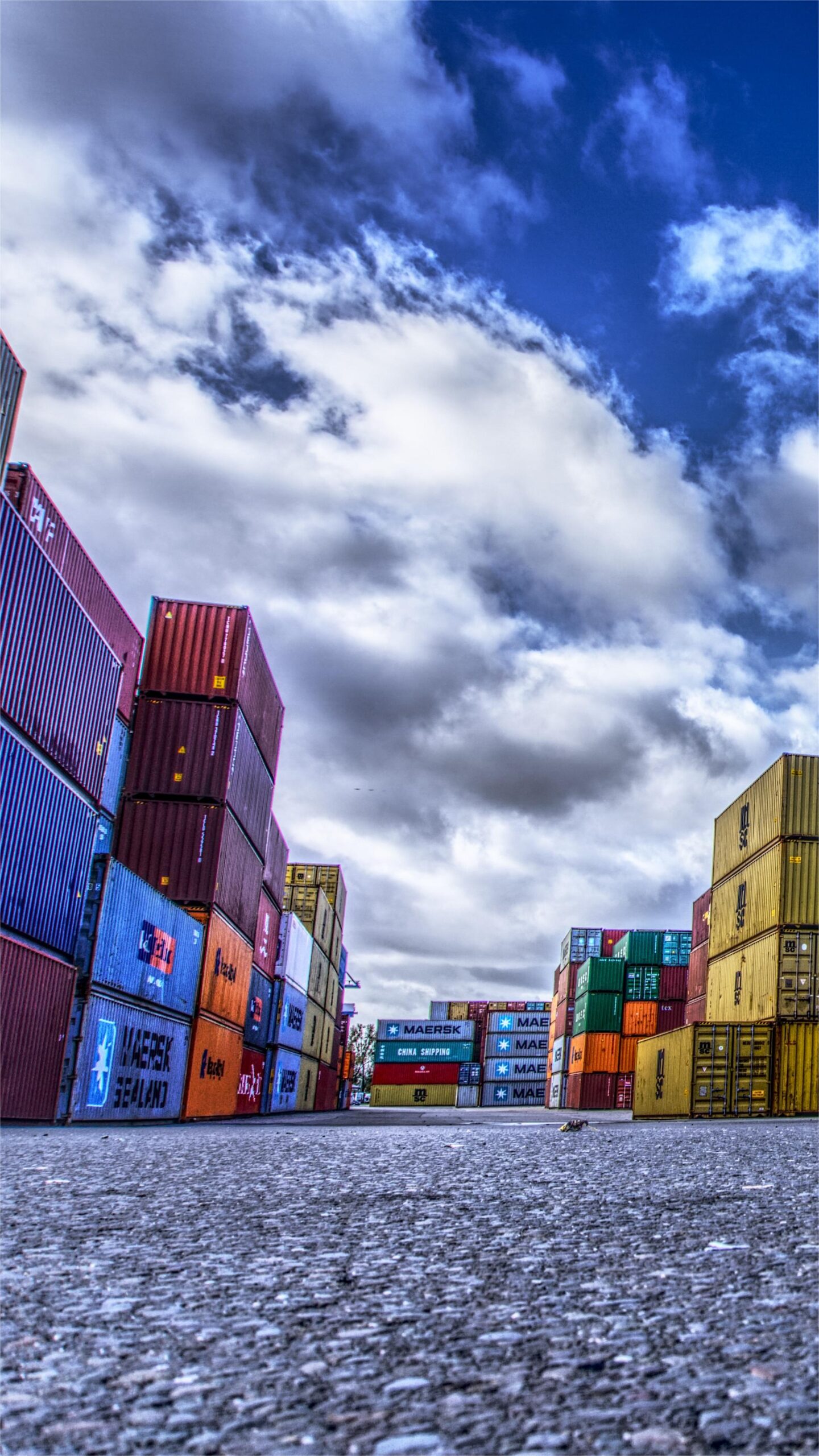
Shipping toys from China to European markets involves a strategic approach to logistics. Businesses must consider factors like shipment volume, urgency, and budget constraints. Therefore, understanding the entire supply chain is crucial for success.
Indeed, the toy industry is highly regulated, particularly concerning safety standards in the European Union. Consequently, importers must ensure full compliance with directives such as CE Marking and EN 71. This proactive approach prevents costly delays and potential penalties upon arrival.
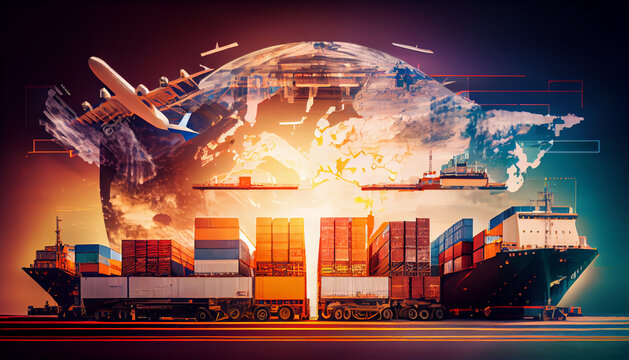
Moreover, the choice of shipping method significantly impacts both cost and delivery speed. For instance, large bulk orders might benefit from sea freight, whereas smaller, time-sensitive shipments could require air freight. Ultimately, tailoring your logistics strategy to specific needs is paramount.
Key Shipping Methods for Toys from China to Europe
Several viable options exist for transporting toys across continents, each with distinct advantages and disadvantages. Selecting the appropriate method depends heavily on your specific business requirements. Let’s explore the primary choices available.
Firstly, sea freight remains the most cost-effective solution for large volumes of toys. It is ideal for non-urgent shipments where cost savings are a priority. Both Full Container Load (FCL) and Less than Container Load (LCL) options are available, catering to different shipment sizes.
| Shipping Method | Cost (Relative) | Transit Time (China to Europe) | Best For |
|---|---|---|---|
| Sea Freight (FCL) | Low | 30-45 days | Large, non-urgent bulk orders |
| Sea Freight (LCL) | Medium-Low | 35-50 days | Smaller bulk orders (under 15 CBM) |
| Rail Freight | Medium | 18-25 days | Mid-size, time-sensitive bulk orders |
| Air Freight | High | 5-10 days | Urgent, high-value, smaller volume shipments |
| Express Service | Very High | 3-7 days | Samples, very small, urgent packages |
Sea Freight: FCL vs. LCL
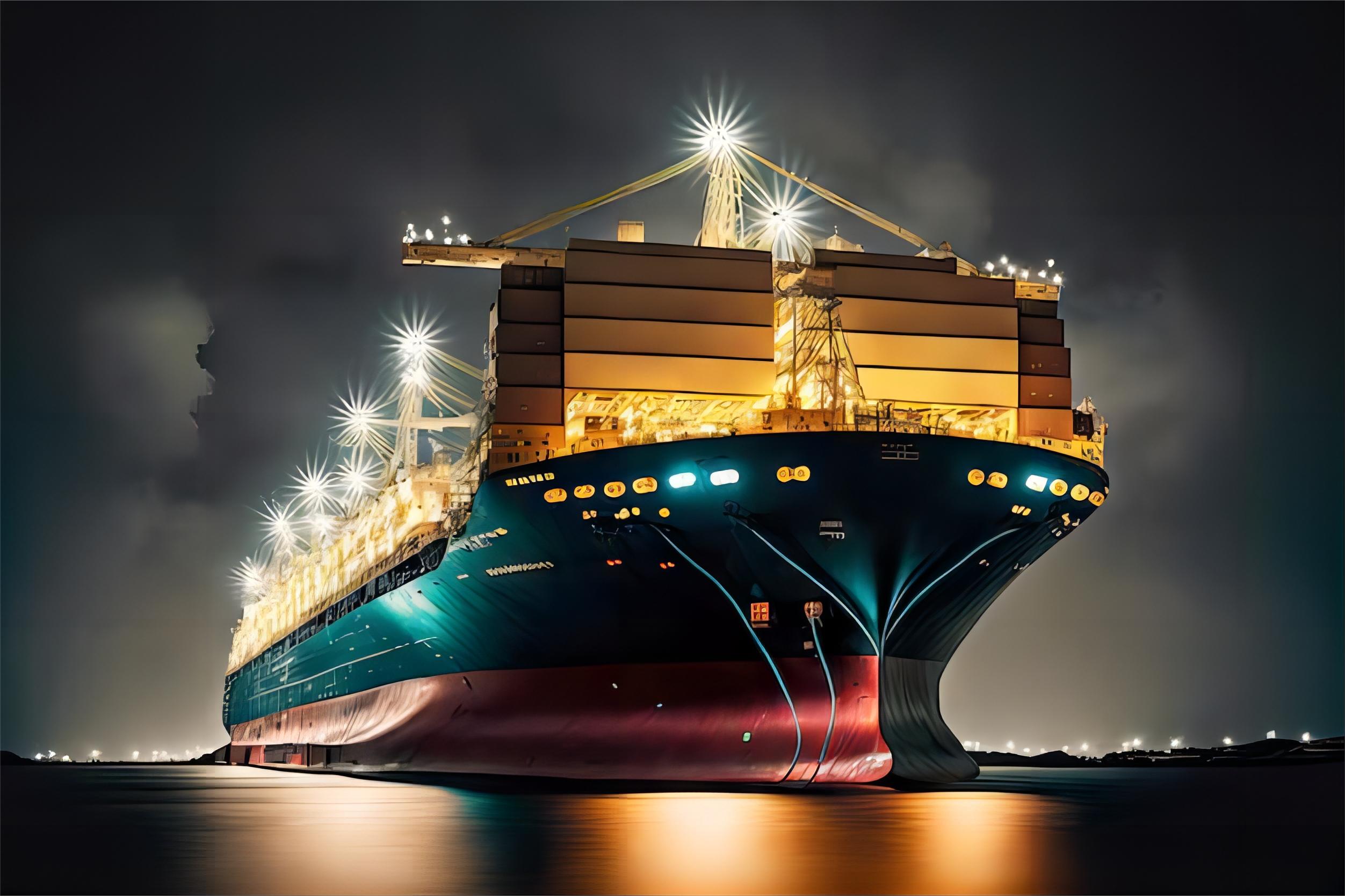
FCL involves reserving an entire container exclusively for your toys, regardless of whether it is completely full. This method offers faster transit times compared to LCL and minimizes handling, reducing the risk of damage. It is typically recommended for shipments exceeding 15 cubic meters (CBM).
Conversely, LCL involves sharing container space with other shippers’ goods. While more economical for smaller volumes (typically under 15 CBM), it often entails longer transit times due to consolidation and deconsolidation processes at ports. Proper packaging is especially critical for LCL shipments.
For instance, a 40HQ container can hold a substantial quantity of toys, making FCL an excellent choice for major distributors. However, smaller businesses importing limited stock might find LCL more suitable for managing freight rates.
Air Freight: Speed and Efficiency
Air freight is the fastest way to ship toys from China to Europe, making it perfect for urgent orders, high-value items, or limited-edition products. Although significantly more expensive than sea freight, it drastically reduces transit times from weeks to mere days. This speed can be crucial for meeting seasonal demand or product launches.
Nevertheless, air freight has strict limitations on cargo size and weight. Furthermore, fuel surcharges and airport handling fees can add substantially to the overall cost. Therefore, it is typically reserved for shipments where speed outweighs budget considerations.
Rail Freight: A Balanced Approach
Rail freight offers a compelling middle ground between sea and air freight for shipping toys to Europe. It is faster than sea freight and more affordable than air freight. This method has gained popularity, especially with the development of the ‘New Silk Road’ rail lines connecting China directly to various European cities.
Moreover, rail transport is generally more environmentally friendly than air freight and less susceptible to weather delays than sea freight. It is an excellent option for businesses seeking a balance of cost, speed, and reliability. Transit times typically range from 18 to 25 days.
However, rail freight might not reach all inland destinations directly, potentially requiring additional trucking for final delivery. Consequently, door-to-door services often integrate rail with local road networks for seamless transit.
Express Service: Door-to-Door Convenience
Express service, provided by carriers like DHL, FedEx, and UPS, is ideal for small, lightweight, and urgent toy shipments. This option offers unparalleled speed and convenience, including door-to-door delivery and integrated customs clearance. It is particularly useful for samples or small batches of toys.
While express services are very fast, their costs per kilogram are considerably higher than traditional air freight or other methods. Therefore, they are not typically economical for bulk toy imports. However, for quick replenishment or urgent prototypes, they are invaluable.
How Does Each Method Compare? Choosing the Right Option
Deciding on the optimal shipping method for your toy imports requires a careful evaluation of various trade-offs. Each option presents a unique balance of cost, speed, and reliability. Understanding these nuances is fundamental to effective logistics planning.
Moreover, market conditions, such as peak seasons and global events, can significantly influence freight rates and transit times. Therefore, flexibility in your shipping strategy can lead to substantial savings and improved delivery schedules. Consider current logistics trends and potential disruptions when making your choice.
| Shipping Method | Cost Range (per kg/CBM) | Transit Time (days) | Best For | Limitations |
|---|---|---|---|---|
| Sea FCL | $0.05-0.10/kg | 30-45 | Large, heavy, non-urgent goods | Slow, port-to-port only |
| Sea LCL | $0.10-0.20/kg | 35-50 | Smaller, non-urgent goods (1-15 CBM) | Slower, more handling, consolidation delays |
| Rail FCL/LCL | $0.25-0.50/kg | 18-25 | Mid-size, moderately urgent goods | Limited direct routes, potential transshipment |
| Air Freight | $3.00-6.00/kg | 5-10 | Urgent, high-value, lightweight items | High cost, weight/size restrictions |
| Express Courier | $7.00-15.00/kg | 3-7 | Samples, very small, urgent parcels | Very high cost, strict dimension limits |
Decision Framework: Which Option Should You Choose?
Your budget priority will largely dictate your shipping choice. If cost is the primary concern and delivery time is flexible, sea freight is undoubtedly the most economical option. This method allows for significant savings on large volumes, despite longer transit times.
Conversely, if speed is paramount for your toy launch or to meet urgent market demand, air freight becomes indispensable. Although more expensive, it ensures rapid delivery, which can be critical for competitive advantage. The premium cost is justified by accelerated market entry.
For a balanced approach, rail freight offers a compelling solution. It provides a good compromise between speed and cost, often delivering goods faster than sea freight without the high expense of air cargo. This makes it an attractive option for many medium-sized toy importers.
Furthermore, the cargo type and volume also play a crucial role. For shipments under 15 CBM, LCL sea freight or rail LCL might be more cost-effective than a partial FCL container. However, for full container loads, FCL offers better security and often faster port-to-port times.
Finally, hybrid solutions, such as sea-air combinations (sea to a transit hub, then air to Europe), can offer flexibility. These methods aim to reduce overall transit time compared to pure sea freight while remaining more affordable than pure air freight. Such strategies are often employed for time-sensitive but bulky goods.
Navigating Customs and Regulations for Toy Imports to Europe
Importing toys into the European Union is subject to stringent customs regulations and safety standards. Compliance is not optional; it is a legal requirement. Consequently, understanding these rules is vital for avoiding delays and ensuring market entry.
Specifically, all toys sold in the EU must bear the CE Marking, indicating conformity with European safety, health, and environmental protection standards. Furthermore, the EN 71 series of standards details specific safety requirements for toys. Importers are responsible for ensuring their products meet these criteria.
Required documentation typically includes a commercial invoice, packing list, bill of lading (for sea freight) or air waybill (for air freight), and a certificate of origin. Additionally, a Declaration of Conformity and technical documentation proving CE compliance are mandatory. Thorough preparation of these documents streamlines the customs clearance process.
Furthermore, duties and VAT (Value Added Tax) will be levied on imported toys. The specific duty rates depend on the Harmonized System (HS) code of the toy. VAT rates vary by EU member state. Therefore, it is crucial to accurately classify your products and calculate these costs in advance.
Engaging a professional customs brokerage service can significantly simplify this complex process. They possess expertise in tariff classification, duty calculations, and navigating specific country regulations. This partnership ensures smooth clearance and minimizes potential issues at the border.
Cost Factors and Strategies for Shipping Toys from China to Europe
The total cost to ship toys from China to Europe extends beyond just the freight rate. Various factors contribute to the overall landed cost, and understanding each component is essential for accurate budgeting. Furthermore, strategic planning can help minimize these expenses.
Foremost, the freight rate itself depends on the chosen shipping method, cargo volume, weight, and current market conditions. As of Q1 2025, freight rates from China to Europe have seen some stabilization after previous disruptions, though volatility can still occur. Fuel surcharges, for example, are a variable component.
Origin charges include local trucking to the port/airport, terminal handling charges (THC), documentation fees, and customs declaration fees in China. Similarly, destination charges in Europe cover port/airport handling, customs clearance, and local delivery to your warehouse or distribution center.
Moreover, import duties and VAT are significant cost components, as mentioned earlier. These are calculated based on the declared value of the goods and their HS codes. Additionally, marine or air cargo insurance is highly recommended to protect against loss or damage during transit, adding another layer of cost.
To optimize costs, consider consolidating multiple smaller orders into a larger shipment. Utilizing LCL services or combining different suppliers’ goods into one FCL container can reduce per-unit shipping costs. Also, negotiating Incoterms (International Commercial Terms) with your supplier can shift cost responsibilities, potentially saving you money.
Note: Freight rates are subject to change based on fuel costs, carrier capacity, and seasonal demand. Typical rates as of early 2025 for a 40HQ from China to Europe range from $3,500-$4,500, but these are estimates. Contact us for a current quote tailored to your specific shipment.
Real-World Scenarios: Shipping Toys Successfully
Examining real-world examples can provide valuable insights into the practicalities of shipping toys from China to Europe. These case studies highlight diverse approaches based on specific needs and challenges. They illustrate how different shipping methods are applied effectively.
Case Study 1: Large Volume Seasonal Toy Shipment
| Detail | Value |
|---|---|
| Route | Ningbo, China -> Hamburg, Germany |
| Cargo | Plastic action figures, 60 CBM, 15,000 kg |
| Container | 1 x 40HQ |
| Shipping Method | Sea Freight (FCL) |
| Carrier/Service | COSCO |
| Port of Loading | Ningbo |
| Port of Discharge | Hamburg |
| Route Type | Direct |
| Ocean Freight | $4,100 |
| Origin Charges (THC, documentation) | $350 |
| Destination Charges | $400 |
| Customs & Duties (estimated) | $1,800 |
| Total Landed Cost | $6,650 |
| Booking to Loading | 7 days |
| Sea Transit | 32 days |
| Customs Clearance | 3 days |
| Total Door-to-Door | 45 days |
| Key Insight | Optimal for pre-holiday stock. Q3 2024 rates were slightly higher due to peak season demand, making early booking critical for cost management. |
Case Study 2: Urgent New Product Launch
| Detail | Value |
|---|---|
| Route | Shanghai, China -> Paris, France |
| Cargo | Interactive electronic toys, 2.5 CBM, 350 kg |
| Container | N/A (Air Cargo) |
| Shipping Method | Air Freight |
| Carrier/Service | Major air cargo airline |
| Port of Loading | Shanghai Pudong (PVG) |
| Port of Discharge | Paris Charles de Gaulle (CDG) |
| Route Type | Direct |
| Air Freight | $1,850 (approx. $5.30/kg) |
| Origin Charges (documentation, handling) | $120 |
| Destination Charges | $180 |
| Customs & Duties (estimated) | $450 |
| Total Landed Cost | $2,600 |
| Booking to Loading | 2 days |
| Air Transit | 3 days |
| Customs Clearance | 1 day |
| Total Door-to-Door | 6 days |
| Key Insight | Crucial for hitting market launch deadlines. Despite higher costs, the speed enabled rapid market entry and capitalized on initial demand. |
Case Study 3: Mid-Volume Regular Stock Replenishment
| Detail | Value |
|---|---|
| Route | Chongqing, China -> Warsaw, Poland |
| Cargo | Educational wooden toys, 12 CBM, 2,500 kg |
| Container | LCL |
| Shipping Method | Rail Freight (LCL) |
| Carrier/Service | China-Europe Railway Express |
| Port of Loading | Chongqing |
| Port of Discharge | Małaszewicze (Poland) |
| Route Type | Direct (rail) |
| Rail Freight | $1,200 (approx. $0.48/kg) |
| Origin Charges (consolidation, documentation) | $200 |
| Destination Charges | $250 |
| Customs & Duties (estimated) | $600 |
| Total Landed Cost | $2,250 |
| Booking to Loading | 5 days |
| Rail Transit | 18 days |
| Customs Clearance | 2 days |
| Total Door-to-Door | 25 days |
| Key Insight | Rail freight provided a reliable and cost-effective alternative to sea freight, significantly reducing lead times for regular stock replenishment compared to ocean transport. |
Streamlining Your Supply Chain: Tips for Efficient Toy Logistics
Optimizing your toy supply chain from China to Europe requires more than just choosing a shipping method. It involves strategic partnerships, technology utilization, and proactive planning. Efficient logistics directly translate into reduced costs and improved customer satisfaction.
Firstly, partnering with an experienced freight forwarder like Top China Freight is invaluable. They offer comprehensive services, including cargo handling, customs support, and multimodal transport solutions. Their expertise in international shipping regulations ensures compliance and efficiency.
Consider utilizing door-to-door services. This option simplifies the entire shipping process by handling all aspects from your supplier’s factory in China directly to your warehouse or customer in Europe. It minimizes your administrative burden and streamlines coordination.
Furthermore, for businesses selling toys online, especially through platforms like Amazon, understanding Amazon FBA shipping requirements is critical. Freight forwarders specializing in FBA can ensure your shipments are correctly labeled, packaged, and delivered to Amazon fulfillment centers in Europe, avoiding costly rejections.
Finally, implementing robust inventory management systems helps forecast demand accurately, preventing both overstocking and stockouts. This, in turn, allows for better planning of shipping schedules and optimization of freight rates, leading to a more resilient supply chain. Regular communication with your logistics partner is also key.
Common Challenges and How to Overcome Them
Despite careful planning, international toy shipping can present various challenges. Anticipating these issues and having strategies to mitigate them is crucial for maintaining supply chain stability. Proactive problem-solving is always more effective than reactive measures.
Port congestion and customs delays are frequent occurrences, especially during peak seasons or due to unforeseen global events like the Red Sea disruptions affecting shipping lanes. To counteract this, always build buffer time into your delivery schedule. Moreover, consider alternative ports or routes if delays become significant.
Cargo damage or loss during transit is another concern. Although rare with reputable carriers, it can happen. Therefore, comprehensive cargo insurance is highly recommended. Ensure your toys are adequately packaged, considering the rigors of international transport, particularly for LCL shipments.
Regulatory changes, such as updates to EU toy safety directives or new import tariffs, can also pose challenges. Staying informed through your freight forwarder or industry associations is vital. Furthermore, ensure your suppliers provide accurate and complete documentation to meet evolving requirements.
Communication breakdowns between suppliers, forwarders, and importers can lead to misunderstandings and delays. Establish clear communication channels and regular updates with all parties involved. A single point of contact, often provided by a dedicated freight forwarder, can significantly improve coordination.
Conclusion
Successfully shipping toys from China to Europe requires a well-informed strategy, encompassing the right shipping method, meticulous customs compliance, and effective cost management. Each decision, from choosing sea freight to utilizing <a href=”https://Top China Freight.com/shipping-from-china-to-europe/”>shipping from China to Europe</a> expertise, plays a vital role in your supply chain’s efficiency.
By understanding the nuances of each transport option, navigating regulatory frameworks, and partnering with experienced logistics providers, businesses can optimize their operations. Ultimately, a smooth and cost-effective shipping process ensures your toys reach their European market efficiently, satisfying both your business needs and your customers. This comprehensive approach is key to mastering how to ship toys from China to Europe.