Shipping Agent China to Middle East: Your Ultimate Guide
Navigating the intricate logistics of international trade from China to the Middle East can be a daunting task for businesses. Ensuring your goods arrive safely, on time, and within budget requires specialized expertise and a robust network. This is precisely where a professional shipping agent from China to the Middle East becomes indispensable. We will explore how these experts streamline your supply chain and mitigate potential risks, ensuring your cargo reaches its destination efficiently.
✦
Why is a Shipping Agent China to Middle East Essential for Your Business?
The journey from China to the Middle East involves significant and often complex logistical challenges. Businesses frequently encounter hurdles such as diverse customs regulations, intricate local import procedures, and varying transit times. Furthermore, navigating potential language barriers and cultural differences adds another layer of complexity. Therefore, engaging an experienced shipping agent China to Middle East is not merely a convenience, but a strategic necessity for seamless trade. They provide the specialized knowledge required for smooth operations.
Moreover, these agents possess in-depth knowledge of local regulations and international shipping laws. This comprehensive expertise helps prevent costly delays, fines, and ensures full compliance with all trade requirements. They diligently act as your representative, managing every detail of the freight forwarding process from start to finish.
Additionally, a reliable partner offers invaluable insights into the most efficient routes and suitable carriers. They can leverage their volume of business to negotiate competitive freight rates, ultimately leading to significant cost savings for your company. This enhanced efficiency directly and positively impacts your overall bottom line.
Indeed, mitigating inherent risks like cargo damage, loss, or theft is another key benefit they provide. Professional agents offer robust cargo insurance options and handle any unforeseen issues or disruptions promptly. They safeguard your valuable investments throughout the entire shipping process, from the initial pickup to the final destination delivery.
How Do Shipping Methods Impact Your China to Middle East Shipments?
Choosing the correct shipping method is absolutely pivotal for successful logistics from China to the Middle East. Your decision critically depends on several factors, including the specific cargo type, its urgency, and your allocated budget. Each available option presents unique advantages and distinct disadvantages for businesses to consider carefully.
For instance, sea freight is typically the most economical choice, especially for large, heavy, or non-urgent shipments. Massive vessels can carry vast quantities of goods, making this method ideal for bulk commodities and Full Container Loads (FCL). However, transit times are considerably longer, ranging from 20 to 45 days, which requires careful planning.
Alternatively, air freight offers unparalleled speed and efficiency for time-sensitive cargo. This method is perfectly suited for high-value goods, perishables, or urgent samples that cannot endure long transit periods. While significantly faster, arriving in 3-7 days, it undeniably comes with a substantially higher cost per kilogram.
Furthermore, express services provide rapid, door-to-door delivery specifically for smaller, lightweight packages. Reputable companies like DHL, FedEx, and UPS excel in this specialized segment, offering advanced tracking and swift customs clearance processes. This option is generally more expensive than standard air freight for larger volumes but offers ultimate convenience and speed for critical items.
| Shipping Method | Cost Level | Transit Time | Best For | Limitations |
|---|---|---|---|---|
| Sea Freight (FCL/LCL) | Low to Medium | 20-45 Days | Heavy, large, non-urgent cargo | Slow, susceptible to port delays |
| Air Freight | High | 3-7 Days | Time-sensitive, high-value, urgent samples | Expensive, volume/weight restrictions |
| Express Service | Very High | 2-5 Days | Small, lightweight, urgent packages | Most expensive, strict size/weight limits |
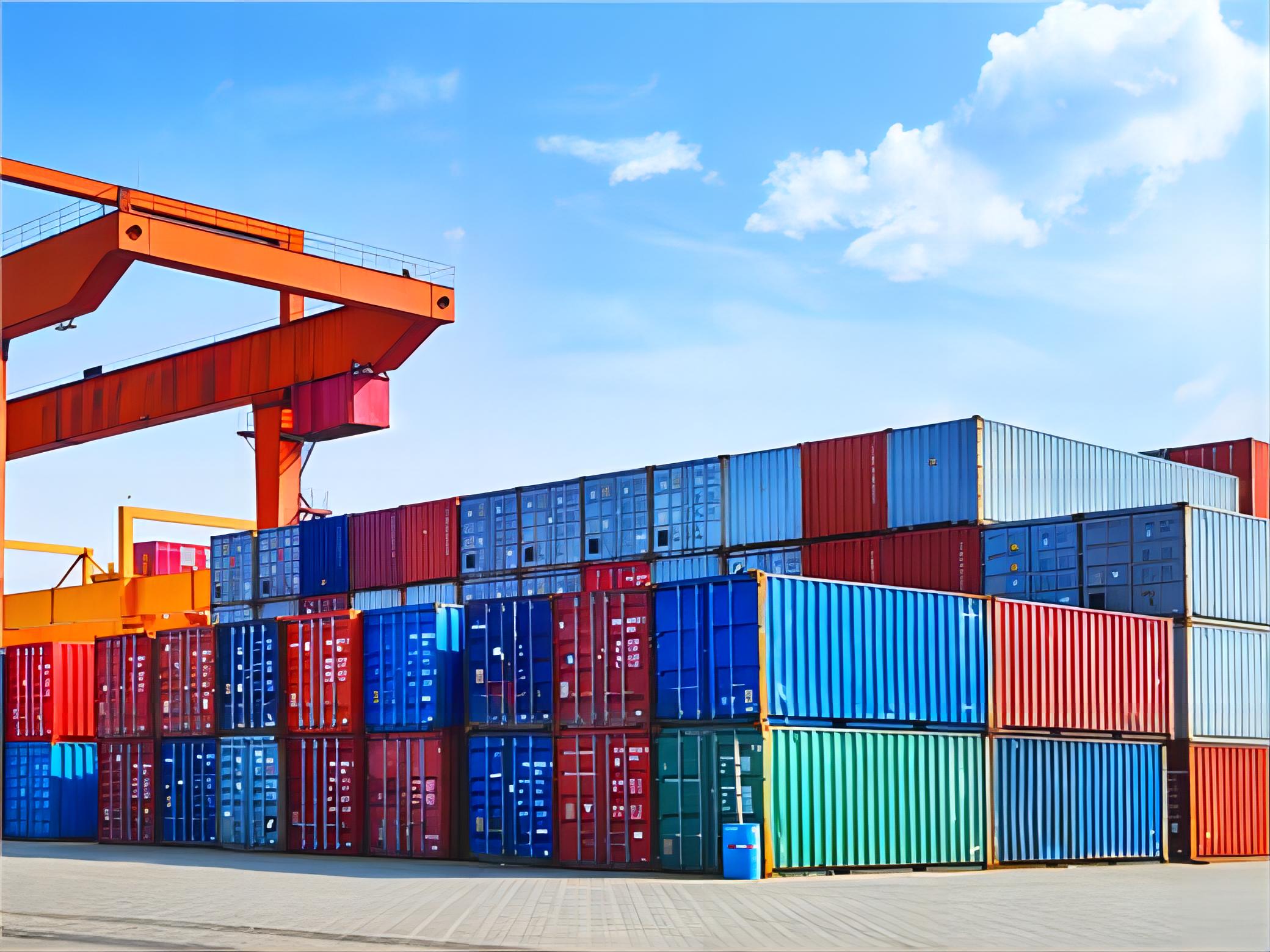
Understanding Shipping Costs and Transit Times from China to the Middle East
Determining the exact shipping costs from China to the Middle East requires careful consideration of several variables. These factors collectively influence the final freight rates and your overall expenditure. A clear and comprehensive understanding helps significantly in budgeting and strategic supply chain planning.
Firstly, the chosen shipping method (sea, air, or express) remains the primary and most significant cost driver. Sea freight is consistently the cheapest option, followed by air freight, with express services being the most expensive. This cost hierarchy holds true across the vast majority of international routes.
Secondly, the specific cargo volume and its total weight play a crucial role in pricing. For sea freight, this directly translates to whether you require a Full Container Load (FCL) or a Less than Container Load (LCL) service. Air freight rates, conversely, are often calculated based on either volumetric weight or actual weight, whichever figure is greater.
Additionally, the precise origin city in China and the final destination city in the Middle East significantly affect pricing. Inland transportation costs to the port of loading and from the port of discharge also contribute to the total. Remote locations or those with less direct routes might incur higher charges and longer transit times.
Moreover, various ancillary charges such as fuel surcharges, port handling fees, customs duties, and cargo insurance premiums further add to the total cost. These additional charges can sometimes constitute a significant portion of the overall shipping expenditure. Experienced agents provide transparent breakdowns of all these fees.
Transit times also vary widely, depending not only on the chosen method but also on the specific route and carrier. Sea freight to major Middle Eastern ports like Dubai, Jeddah, or Dammam can typically take between 20 to 35 days. Air freight, however, consistently delivers within a much shorter timeframe of 3 to 7 days.
Note: Freight rates are subject to dynamic change based on fluctuating fuel costs, carrier capacity, and seasonal demand. We strongly recommend contacting us for a current, accurate quote tailored precisely to your specific shipment requirements.
| Route (Port to Port) | Sea Freight (FCL 40GP Range) | Sea Freight Transit Time | Air Freight Transit Time |
|---|---|---|---|
| Shanghai to Jebel Ali (Dubai) | $2,800 – $4,200 | 20-25 Days | 3-5 Days |
| Ningbo to Jeddah (Saudi Arabia) | $3,000 – $4,500 | 25-30 Days | 4-6 Days |
| Shenzhen to Dammam (Saudi Arabia) | $2,900 – $4,300 | 22-28 Days | 3-5 Days |
| Qingdao to Hamad (Qatar) | $3,200 – $4,800 | 28-35 Days | 5-7 Days |
Mastering Customs Clearance and Documentation for Middle East Imports
Customs clearance represents a critical, yet often complex, phase in the international shipping process. Incorrect documentation, or a fundamental lack of understanding of local regulations, can lead to significant delays, substantial penalties, and unforeseen costs. A proficient shipping agent China to Middle East adeptly simplifies this entire process.
Every single shipment requires precise and comprehensive documentation to pass through customs. This includes essential papers like commercial invoices, detailed packing lists, bills of lading, and certificates of origin. Furthermore, specific products might also necessitate additional import licenses or specialized health certificates. All these documents must be accurate and completely filled.
Moreover, Middle Eastern countries each have their unique import duties, specific taxes, and often strict restricted item lists. For example, some goods may require very specific labeling or particular certification for religious or cultural compliance. Navigating these intricate nuances is precisely where expert knowledge becomes absolutely indispensable, preventing potential issues.
Indeed, engaging a professional for customs brokerage services ensures full compliance and significantly expedites the clearance process. These specialists prepare and submit all necessary paperwork, effectively interact with customs officials, and handle duty and tax payments on your behalf. This proactive approach prevents unforeseen complications and speeds up delivery.
Furthermore, a thorough understanding of Incoterms (International Commercial Terms) is absolutely vital for international trade. These internationally recognized terms clearly define the responsibilities of both buyers and sellers for the delivery of goods, including costs, risks, and insurance. Your experienced agent can expertly guide you in choosing the most appropriate Incoterms for your specific shipment, ensuring clarity and avoiding disputes.
The Convenience of Door-to-Door Shipping China to Middle East
For many businesses, a comprehensive door-to-door shipping China to Middle East service offers the ultimate convenience and invaluable peace of mind. This integrated logistical solution covers every single step of the supply chain, from your supplier’s factory directly to your final delivery address. It significantly minimizes your administrative burden and streamlines operations.
Essentially, opting for a door-to-door service means your dedicated shipping agent handles everything on your behalf. This extensive service typically includes initial pickup from the origin point, meticulous export customs clearance, the main carriage (whether by sea or air), efficient import customs clearance, and finally, the last-mile delivery. You benefit from a single point of contact and simplified, consolidated billing.
Furthermore, this all-encompassing service eliminates the need for you to coordinate multiple vendors for different stages of the journey. It dramatically streamlines communication channels and substantially reduces the potential for miscommunication or costly delays between various parties. The entire complex process is expertly managed by one experienced provider, ensuring consistency.
Moreover, it provides greater transparency and enhanced control over your entire supply chain from beginning to end. You gain access to real-time tracking and regular updates, giving you complete visibility into your cargo’s status at all times. This proactive approach helps effectively manage expectations and optimize your delivery schedules, ensuring timely arrivals.
How Does Sea Freight Compare to Other Shipping Options for the Middle East?
When shipping from China to the Middle East, sea freight often serves as the fundamental backbone for international trade due to its immense capacity and inherent cost-effectiveness. However, understanding its precise comparative advantages and disadvantages against other viable modes is absolutely crucial. This comprehensive analysis helps in making truly informed logistical decisions for your business.
Sea freight, particularly for Full Container Load (FCL) shipments, consistently offers the lowest cost per unit for high volumes of goods. This makes it the ideal choice for durable goods, raw materials, and virtually anything that is not time-sensitive. However, its extended transit times, typically ranging from 20-45 days, can be a major drawback for businesses with urgent inventory needs or tight deadlines.
In stark contrast, air freight provides remarkably rapid delivery, drastically reducing transit times to a mere 3-7 days. This impressive speed, however, comes at a significant premium, making it primarily suitable for high-value, lightweight, or perishable goods where expedited delivery far outweighs the cost. Air cargo is also notably less affected by port congestion or maritime route disruptions.
Express services, while undoubtedly the fastest option for small packages (delivering in just 2-5 days), are often prohibitively expensive for commercial volumes. Rail freight, while a robust and growing option for routes to Europe, is not a direct or practical option for the Middle East, requiring substantial sea segments. Therefore, direct rail routes are simply not applicable here.
Alternative shipping strategies frequently involve a hybrid approach to optimize both cost and speed. For example, some businesses combine sea freight for the main, long-haul leg with air freight for urgent components or critical samples. This ‘sea-air’ solution skillfully balances cost efficiency with timely delivery for specific parts of the shipment, optimizing different segments of the supply chain.
Cost-saving strategies further include meticulously optimizing container utilization, deciding between FCL and LCL based on volume, and strategically planning shipments during off-peak seasons. However, these trade-offs might impact flexibility or potentially lead to longer transit times. Careful and detailed planning with your shipping agent is therefore paramount to success.
The ultimate decision framework for choosing a shipping method fundamentally depends on your core business priorities. If budget is paramount and time allows for longer transit, sea freight is the clear, economical choice. Conversely, if speed is absolutely critical for your operations, air freight is the superior option. Cargo type, specific volume thresholds for switching methods, and your inventory management strategies should also guide this important decision.
| Shipping Method | Cost Range (40GP/100kg) | Transit Time | Best For | Limitations |
|---|---|---|---|---|
| Sea Freight (FCL) | $2,800 – $4,800 | 20-45 Days | Large volumes, heavy goods, non-urgent | Slow, prone to port delays, less flexible |
| Sea Freight (LCL) | $50 – $100 per CBM | 25-50 Days | Smaller volumes (under 15 CBM), non-urgent | Slower than FCL, higher handling risk, more complex pricing |
| Air Freight | $4 – $8 per kg (based on volume/actual) | 3-7 Days | Time-sensitive, high-value, urgent | High cost, weight/size restrictions, fuel surcharges |
| Express Courier | $7 – $15 per kg | 2-5 Days | Small, lightweight, urgent documents/samples | Very high cost, strict size/weight limits, not for bulk |
Real-World Case Studies: Successful Shipments to the Middle East
Examining real case studies provides invaluable practical insights into the complexities and successful solutions involved in shipping from China to the Middle East. These concrete examples highlight precisely how a proficient shipping agent China to Middle East navigates diverse and challenging scenarios. They demonstrably showcase effective logistics planning and execution in action.
Based on Q3 2024 market rates, these carefully detailed scenarios reflect typical challenges and successful outcomes experienced by various businesses. They strongly underscore the critical importance of expert coordination in international freight operations. Understanding these illustrative examples can significantly help businesses anticipate and plan for their own unique shipping needs more effectively.
Case Study 1: Furniture Import to Dubai via FCL Sea Freight
This case illustrates a common scenario for businesses importing furniture. Optimizing container space and managing customs efficiently were key to success. The client prioritized cost-effectiveness over speed.
| Detail | Description |
|---|---|
| Route | Foshan, China Jebel Ali, Dubai, UAE |
| Cargo | Assorted wooden furniture, 55 CBM, 9,500 kg |
| Container | 40HQ (Full Container Load) |
| Shipping Details | Carrier: COSCO, Port of Loading: Nansha, Port of Discharge: Jebel Ali, Route Type: Direct |
| Cost Breakdown | Ocean Freight: $3,850, Origin Charges: $450, Destination Charges: $600, Customs & Duties (estimated): $1,200, Total Landed Cost: $6,100 |
| Timeline | Booking to Loading: 5 days, Sea Transit: 22 days, Customs Clearance: 3 days, Total Door-to-Door: 30 days |
| Key Insight | Proactive customs documentation and direct route selection saved time and minimized transshipment risks. Typical rates as of early 2025. |
Case Study 2: Electronics Components to Riyadh via Air Freight
This shipment required speed and secure handling for high-value electronic components. Air freight was chosen to meet tight production deadlines. The agent managed express clearance.
Handling sensitive cargo like electronics demands specialized attention and rapid processing. The higher cost was justified by the urgency and value of the goods. This approach ensured minimal downtime for the client’s assembly line.
| Detail | Description |
|---|---|
| Route | Shenzhen, China King Khalid International Airport (RUH), Riyadh, Saudi Arabia |
| Cargo | Integrated circuits and PCBs, 3.5 CBM, 850 kg |
| Container | Air Cargo (Volumetric Weight: 700 kg) |
| Shipping Details | Carrier: Emirates SkyCargo, Airport of Loading: Shenzhen (SZX), Airport of Discharge: Riyadh (RUH), Route Type: Direct |
| Cost Breakdown | Air Freight: $5,950, Origin Charges: $320, Destination Charges: $480, Customs & Duties (estimated): $900, Total Landed Cost: $7,650 |
| Timeline | Booking to Loading: 2 days, Air Transit: 4 days, Customs Clearance: 2 days, Total Door-to-Door: 8 days |
| Key Insight | Rapid customs pre-clearance and direct flight ensured critical components arrived ahead of schedule. Based on Q1 2025 market rates. |
Case Study 3: Textiles and Apparel to Doha via LCL Sea Freight
This scenario involved a smaller shipment of textiles, where LCL (Less than Container Load) was the most cost-effective solution. Consolidation expertise was vital. The client needed a balance between cost and reasonable transit time.
Navigating LCL shipments requires meticulous planning to avoid delays during consolidation and deconsolidation. The agent’s network in both China and Qatar was crucial for smooth operations. This strategy allowed for smaller, more frequent inventory replenishments.
| Detail | Description |
|---|---|
| Route | Guangzhou, China Hamad Port, Doha, Qatar |
| Cargo | Fashion apparel, 12 CBM, 2,500 kg |
| Container | LCL (Less than Container Load) |
| Shipping Details | Carrier: Maersk (via Jebel Ali transshipment), Port of Loading: Nansha, Port of Discharge: Hamad, Route Type: Transshipment via Jebel Ali |
| Cost Breakdown | Ocean Freight (LCL): $1,080, Origin Charges: $280, Destination Charges: $350, Customs & Duties (estimated): $550, Total Landed Cost: $2,260 |
| Timeline | Booking to Loading: 7 days, Sea Transit: 28 days (including transshipment), Customs Clearance: 4 days, Total Door-to-Door: 39 days |
| Key Insight | Effective consolidation and managing transshipment points were key to keeping costs low for a smaller volume. Industry average for this route. |
Key Considerations When Partnering with a Shipping Agent China to Middle East
Selecting the right shipping agent China to Middle East is indeed a highly strategic decision that profoundly impacts your entire supply chain’s efficiency and reliability. Several crucial factors should meticulously guide your choice to ensure a truly successful and long-lasting partnership. A thorough and comprehensive evaluation process is always highly recommended for this critical selection.
Firstly, it is essential to meticulously assess their experience and verifiable track record in the industry. Look specifically for agents with a proven history of successfully handling shipments particularly to and from the Middle East. Their deep expertise in regional nuances, including specific port operations and intricate local regulations, is absolutely invaluable for smooth transactions.
Secondly, you must carefully evaluate their network strength and global reach capabilities. A well-connected agent can consistently offer more flexible routing options, negotiate better and more competitive freight rates, and provide access to reliable partners at both the origin and destination. This extensive network provides crucial resilience against potential disruptions and unforeseen events.
Furthermore, transparent and consistent communication is absolutely paramount in any successful partnership. The chosen agent should provide regular, proactive updates, respond promptly and comprehensively to all inquiries, and offer clear, concise explanations of all processes and associated costs. Effective communication prevents misunderstandings and inherently fosters trust and confidence.
Moreover, it is wise to inquire about their technological capabilities and digital infrastructure. Modern and forward-thinking agents often utilize advanced tracking systems, intuitive online portals, and efficient digital documentation platforms. These contemporary tools significantly enhance visibility, improve operational efficiency, and ensure data accuracy throughout the entire complex shipping journey.
Finally, always consider their comprehensive insurance options and robust risk management strategies. A reputable and professional agent will consistently offer comprehensive cargo insurance to protect your goods and will have well-developed contingency plans for unforeseen events. This crucial protection safeguards your valuable goods and financial interests. Always confirm the specific coverage details thoroughly before committing.
Optimizing Your Supply Chain with a Professional Shipping Agent
A truly professional shipping agent China to Middle East does far more than simply move your cargo from one point to another. They evolve into an integral and strategic part of your broader supply chain strategy, offering invaluable insights and tailored solutions that consistently drive efficiency and tangible cost savings. This partnership extends significantly beyond mere transactional services.
Such agents can expertly advise on optimal inventory management practices, helping you meticulously balance stock levels with ideal shipping frequency. This strategic input effectively minimizes warehousing costs and substantially reduces the risk of costly stockouts. Their specialized expertise ensures a much smoother and more predictable flow of goods throughout your operations.
Additionally, a highly effective agent consistently stays abreast of the very latest logistics trends and prevailing market conditions. They can proactively alert you to potential disruptions, such as sudden port congestion or significant rate fluctuations, allowing you to proactively adjust your shipping plans. This critical market intelligence is absolutely vital for maintaining competitive advantage.
For example, as of Q1 2025, freight rates from China to the Middle East have generally stabilized following the 2024 Red Sea disruptions, but ongoing capacity management remains a key challenge. An experienced agent can expertly navigate these persistent complexities. They consistently provide adaptive solutions even in volatile and unpredictable global environments, ensuring continuity.
Ultimately, partnering with an expert shipping agent from China to the Middle East allows you to confidently focus on your core business activities. You can effectively delegate the intricate and time-consuming logistics to dedicated specialists, secure in the knowledge that your valuable cargo is in exceptionally capable hands. This strategic delegation significantly empowers your business growth and expansion.
The Indispensable Value of a Shipping Agent from China to the Middle East
In conclusion, navigating the complexities of international shipping from China to the Middle East demands specialized expertise. A professional shipping agent China to Middle East is not merely a service provider; they are a strategic partner. They are essential for businesses aiming for efficiency, cost-effectiveness, and reliability.
From selecting optimal shipping methods and managing intricate customs procedures to offering comprehensive door-to-door solutions, their role is pivotal. They mitigate risks, save time, and ultimately contribute significantly to your business’s success. Choose your partner wisely for seamless trade.
Ready to streamline your imports from China to the Middle East? Partner with a trusted shipping agent to ensure efficient, cost-effective, and hassle-free delivery. Contact us today for a personalized quote and expert logistics solutions for your next shipment.
Request Quote