

Mastering Export Documentation: China to Middle East
Exporting goods from China to the Middle East involves a detailed understanding of various documentation requirements. This process, therefore, demands precision to ensure smooth customs clearance and timely delivery. Without proper paperwork, shipments can face significant delays and additional costs, affecting your supply chain efficiency. Top China Freight offers comprehensive solutions to streamline your international shipping operations.

Why is Export Documentation Critical for China to Middle East Shipments?
Proper export documentation is the backbone of successful international trade, especially for the China to Middle East corridor. It ensures compliance with both Chinese export regulations and Middle Eastern import laws. Consequently, accurate paperwork prevents delays, fines, and potential confiscation of goods at customs.
Moreover, these documents serve as a legal record of the transaction, protecting all parties involved. They also provide essential information for customs valuation, duty assessment, and statistical purposes. Therefore, understanding each required document is paramount for importers and exporters alike.
Essential Export Documentation for China to Middle East
Navigating the array of required documents for shipping from China to the Middle East can be complex. Each document serves a specific purpose, ensuring legality and transparency throughout the shipping process. Furthermore, certain Middle Eastern countries may have unique requirements, necessitating careful preparation.
Generally, the core set of documents includes commercial invoices, packing lists, and bills of lading. However, depending on the cargo type and destination, additional certificates are often required. These are crucial for successful customs clearance in the Middle East.
| Document | Purpose | Issued By | Key Information |
|---|---|---|---|
| Commercial Invoice | Payment request, customs valuation | Exporter | Goods description, value, terms of sale (Incoterms) |
| Packing List | Details cargo contents and packaging | Exporter | Itemized list, dimensions, weight, package count |
| Bill of Lading (B/L) / Air Waybill (AWB) | Contract of carriage, title to goods | Carrier/Freight Forwarder | Shipper, consignee, origin, destination, cargo details |
| Certificate of Origin (COO) | Confirms country of manufacture | Chamber of Commerce | Origin country, exporter, importer, product description |
| Customs Declaration Form | Official declaration of goods for export | Exporter/Agent | HS code, quantity, value, shipper details |
| Insurance Certificate | Proof of cargo insurance coverage | Insurance Company | Coverage details, insured value, policy number |
| Product Certificates (e.g., CE, SASO) | Compliance with safety/quality standards | Testing Agencies | Product specifications, standards met |

Understanding Customs Clearance Process in the Middle East
The customs clearance process in Middle Eastern countries like UAE, Saudi Arabia, and Qatar is stringent. Importers must therefore ensure all documentation aligns perfectly with local regulations. Any discrepancies can lead to significant delays and penalties, directly impacting delivery schedules.
Furthermore, many GCC countries require specific product conformity certificates, such as SASO for Saudi Arabia. Early preparation of these documents is vital. A knowledgeable customs brokerage service can navigate these complexities, ensuring a smoother process. This expertise helps avoid common pitfalls related to import regulations Oman or other regional states.
Choosing the Right Shipping Method: Cost vs. Speed
Selecting the appropriate shipping method for your goods from China to the Middle East depends on several factors, including urgency, cost, and cargo type. Each option offers distinct advantages and disadvantages. For instance, sea freight is typically the most economical for bulk shipments.
On the other hand, air freight provides significantly faster transit times, ideal for high-value or time-sensitive goods. Meanwhile, express service options cater to urgent, smaller parcels. Evaluating these trade-offs is crucial for optimizing your supply chain management solutions.
Real-World Scenarios: Navigating China to Middle East Logistics
Examining specific case studies offers practical insights into the challenges and solutions of shipping from China to the Middle East. These examples highlight the importance of meticulous planning and robust export documentation China to Middle East. They also demonstrate how different shipping methods are chosen based on specific business needs.
Case Study 1: Electronics from Shenzhen to Dubai (FCL Sea)
This scenario involved a client needing to ship a large volume of consumer electronics. Optimal cost-efficiency was paramount, while still maintaining a reasonable transit time. Thus, full container load (FCL) sea freight was the chosen solution. Efficient documentation minimized delays at Jebel Ali port.
| Detail | Description |
|---|---|
| Route | Shenzhen, China -> Dubai, UAE |
| Cargo | 20 pallets of consumer electronics, 28 CBM, 12,000 kg |
| Container | 40GP |
| Shipping Details | Carrier: COSCO, Port of Loading: Shenzhen, Port of Discharge: Jebel Ali, Route Type: Direct |
| Cost Breakdown | Ocean Freight: $2,800; Origin Charges: $450; Destination Charges: $550; Customs & Duties (estimated): $1,800; Total Landed Cost: $5,600 |
| Timeline | Booking to Loading: 5 days; Sea Transit: 18 days; Customs Clearance: 3 days; Total Door-to-Door: 26 days |
| Key Insight | Meticulous export documentation and pre-clearance arrangements were crucial for prompt processing at Jebel Ali, ensuring a smooth delivery schedule. Based on Q3 2024 market rates. |

Case Study 2: Textiles from Ningbo to Jeddah (LCL Sea)
A fashion retailer required shipping a smaller volume of textiles to Saudi Arabia. Since the cargo did not fill an entire container, Less than Container Load (LCL) sea freight was the most economical option. However, this method often involves longer transit times due to consolidation.
This shipment, therefore, required careful management of the packing list for international shipping and Certificate of Origin. The transshipment via Singapore added a few days to the journey, but the cost savings were significant for the client’s budget priority.
| Detail | Description |
|---|---|
| Route | Ningbo, China -> Jeddah, Saudi Arabia |
| Cargo | 8 CBM, 2,500 kg of textiles |
| Container | LCL |
| Shipping Details | Carrier: Maersk (via consolidator), Port of Loading: Ningbo, Port of Discharge: Jeddah, Route Type: Transshipment via Singapore |
| Cost Breakdown | Ocean Freight: $750 (per CBM); Origin Charges: $200; Destination Charges: $300; Customs & Duties (estimated): $1,200; Total Landed Cost: $2,450 |
| Timeline | Booking to Loading: 7 days; Sea Transit: 28 days; Customs Clearance: 4 days; Total Door-to-Door: 39 days |
| Key Insight | LCL freight offered a cost-effective solution for smaller cargo, but required precise documentation for customs in Saudi Arabia. Typical rates as of early 2025. |
Case Study 3: Auto Parts from Shanghai to Riyadh (Air Freight)
An automotive distributor needed urgent delivery of high-value auto parts to Riyadh. Speed was the absolute priority, overriding cost considerations. Consequently, air freight was the only viable option to meet the tight deadline.
This case highlights how HS codes for China exports and commercial invoice requirements for GCC countries are critical for rapid customs processing. Furthermore, an efficient express service ensured minimal transit and clearance times.
| Detail | Description |
|---|---|
| Route | Shanghai, China -> Riyadh, Saudi Arabia |
| Cargo | 2 CBM, 400 kg of high-value auto parts |
| Container | Air Freight |
| Shipping Details | Carrier: Emirates SkyCargo, Port of Loading: PVG (Shanghai), Port of Discharge: RUH (Riyadh), Route Type: Direct Air |
| Cost Breakdown | Air Freight: $2,200; Origin Charges: $150; Destination Charges: $200; Customs & Duties (estimated): $800; Total Landed Cost: $3,350 |
| Timeline | Booking to Loading: 2 days; Air Transit: 1 day; Customs Clearance: 2 days; Total Door-to-Door: 5 days |
| Key Insight | Air freight provided the necessary speed for urgent components, with streamlined documentation crucial for rapid customs clearance. Based on Q1 2025 market rates, which have stabilized. |
How Does Sea Freight Compare to Other Shipping Options?
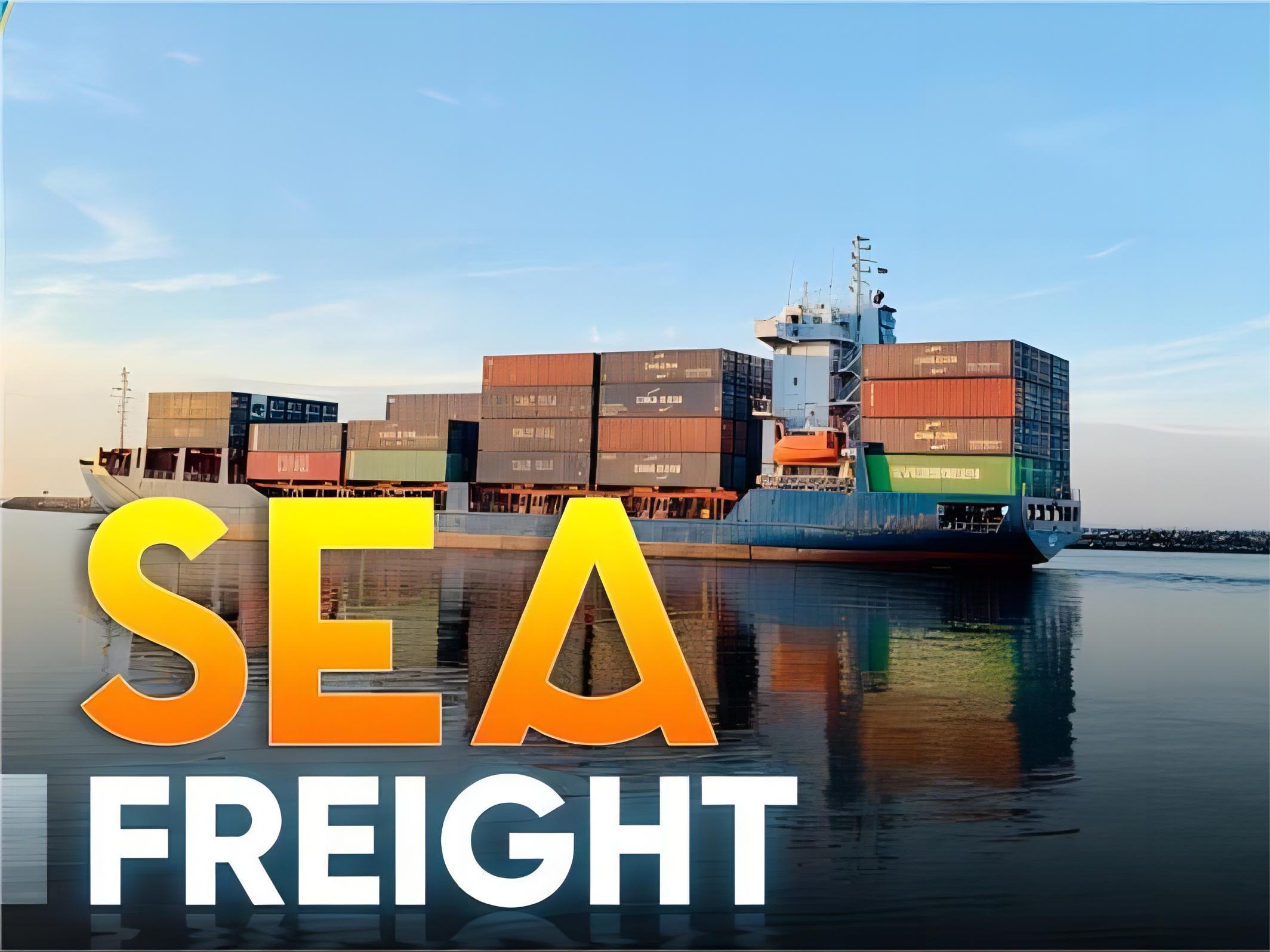
Sea freight remains the most common and often the most economical method for shipping goods from China to the Middle East. However, it is not always the best fit. Therefore, understanding its advantages and limitations compared to air freight is essential for informed decision-making.
Moreover, hybrid solutions can sometimes offer a balance between speed and cost. Market data suggests that current freight rates from China to the Middle East have seen fluctuations, but sea freight generally offers stability for larger volumes. As of Q1 2025, rates have largely stabilized after the 2024 Red Sea disruptions.
| Shipping Method | Cost Range (China-Middle East) | Transit Time | Best For | Limitations |
|---|---|---|---|---|
| FCL Sea Freight | $2,500 – $4,500 (40HQ) | 18-35 days | Large volume, heavy cargo, non-urgent | Slowest, port congestion risk |
| LCL Sea Freight | $60 – $120 per CBM | 25-45 days | Smaller volume, cost-sensitive, non-urgent | Slower than FCL, consolidation delays |
| Air Freight | $4 – $8 per kg | 3-7 days | Urgent, high-value, perishable goods | Most expensive, size/weight restrictions |
| Door-to-Door (Hybrid) | Varies greatly | 10-25 days | Convenience, integrated logistics | Higher cost than pure sea, relies on multiple modes |
Which Shipping Option Should You Choose?
Choosing the optimal shipping method involves a careful assessment of your specific business needs and cargo characteristics. Each option presents a unique set of advantages and compromises. Therefore, a clear decision framework helps streamline this selection process.
Consider your priorities, cargo type, and volume thresholds before making a final decision. This strategic approach ensures efficient logistics and cost-effective delivery of your goods.
Budget Priority
If minimizing shipping costs is your main concern, sea freight, particularly FCL for larger volumes or LCL for smaller shipments, is generally recommended. While transit time is longer, the cost savings are substantial. This is especially true for non-time-sensitive commodities.
Speed Priority
For urgent deliveries, high-value goods, or products with a short shelf life, air freight is the superior choice. Although significantly more expensive, it offers rapid transit from China to the Middle East. Consider this for time-critical components or fashion items.
Cargo Type Considerations
Heavy, bulky, or hazardous materials are often best suited for sea freight due to capacity and safety regulations. Conversely, fragile, high-tech, or temperature-sensitive items might benefit from the faster, more controlled environment of air cargo. Furthermore, specialized handling may dictate the method.
Volume Thresholds for Switching Methods
For shipments under 15 CBM, LCL sea freight is typically more economical than FCL. However, once cargo exceeds 15-20 CBM, an FCL container often becomes more cost-effective. For very small, urgent parcels, air express service is usually preferred. Always compare the total landed cost.
Navigating Incoterms and Payment Terms
Understanding Incoterms (International Commercial Terms) is fundamental to defining responsibilities and costs between buyer and seller. These terms dictate who pays for and manages each part of the shipping journey. Consequently, clear agreement on Incoterms prevents disputes and ensures smooth transactions.
Moreover, payment terms, such as Letters of Credit or Telegraphic Transfers, also play a vital role. They impact cash flow and financial risk for both parties. Therefore, aligning these terms with your chosen shipping method and documentation is crucial for successful import/export operations.
Final Thoughts on Export Documentation China to Middle East
Successfully navigating the complexities of export documentation from China to the Middle East is vital for any international trade venture. From commercial invoices to specific product certificates, each document plays a critical role in ensuring compliance and avoiding delays. Therefore, partnering with an experienced freight forwarder is invaluable.
By understanding the requirements, choosing the right shipping method, and meticulously preparing your paperwork, you can ensure a seamless and efficient supply chain. This proactive approach minimizes risks and optimizes your logistics, ultimately contributing to your business success. Always remember that effective freight forwarding services China Middle East are key.
Need a tailored shipping solution?
Streamline your shipping operations from China to the Middle East with expert guidance. Contact us today for a personalized quote and ensure your export documentation China to Middle East is handled with precision and efficiency. Our team is ready to assist you.