
Cargo Handling China to Middle East: Your Ultimate Guide
“Shipping goods from China to the Middle East presents unique logistical challenges. Effectively managing cargo handling China to Middle East routes requires specialized expertise and a deep understanding of regional regulations. This guide explores shipping methods, customs procedures, and strategies to optimize your supply chain for efficient, cost-effective delivery.”
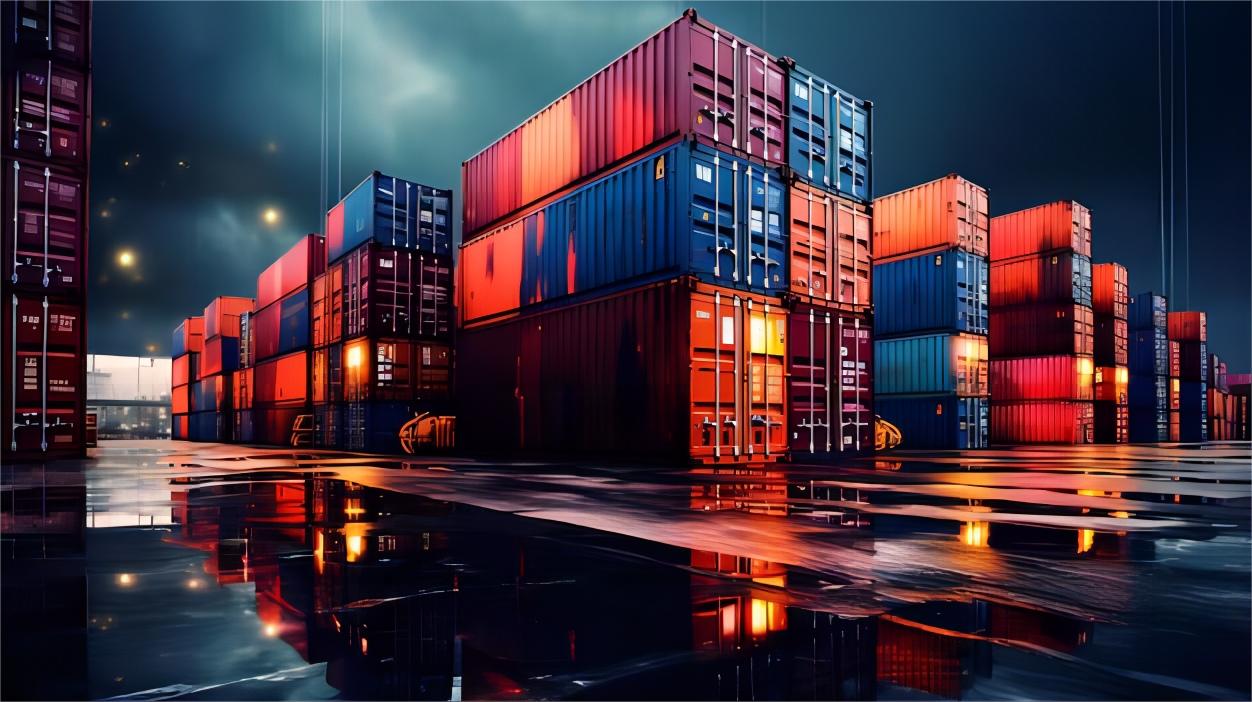
Why is Efficient Cargo Handling China to Middle East Crucial?
❖Efficient cargo handling from China to the Middle East is paramount for businesses. Delays, damages, or unexpected costs significantly impact profitability and customer satisfaction. Therefore, a streamlined process ensures goods arrive on time and in perfect condition.
The Middle East, particularly UAE and Saudi Arabia, represents a rapidly growing market. Businesses must establish reliable supply chains to capitalize on this demand. Consequently, mastering international logistics is a strategic imperative.
Key Shipping Methods for China to Middle East Routes
❖Selecting the right shipping method is fundamental for successful cargo handling China to Middle East. Options vary by cost, speed, and capacity. Understanding these differences is crucial for informed decision-making.

Primary modes include sea freight and air freight. Sea freight is economical for large volumes, while air freight offers unparalleled speed for urgent shipments.
| Shipping Method | Cost Range (per kg/CBM) | Transit Time | Best For | Limitations |
|---|---|---|---|---|
| Sea Freight (FCL) | $30-60/CBM | 20-35 days | Large volume, non-urgent goods | Slower transit, port congestion risks |
| Sea Freight (LCL) | $50-100/CBM | 25-40 days | Smaller shipments, cost-sensitive | Longer transit, potential for delays |
| Air Freight | $4-8/kg | 3-7 days | Urgent, high-value, perishable goods | High cost, volume/weight restrictions |
Sea Freight: The Backbone of Trade
Sea freight remains popular for sea freight from China to the Middle East due to its cost-effectiveness for bulk goods. Ships depart from major Chinese ports to hubs like Jebel Ali and Dammam, suitable for non-time-sensitive, large-volume shipments.
Businesses choose between Full Container Load (FCL) and Less than Container Load (LCL). FCL leases an entire container, offering security; LCL allows shared space, reducing costs for smaller consignments.
Air Freight: Speed and Urgency
For time-critical shipments, air freight from China to the Middle East is preferred. It drastically reduces transit times, ideal for high-value or urgent e-commerce, connecting major airports swiftly.
However, air freight costs significantly more than sea freight. Businesses must weigh urgency against increased shipping costs, reserving it for absolute speed priority.
Navigating Customs and Documentation for Middle East Imports
❖Customs clearance is critical for successful cargo handling China to Middle East. Each Middle Eastern country has specific import regulations and documentation.
Meticulous preparation is essential to avoid delays and penalties. Commonly required documents include commercial invoice, packing list, bill of lading/air waybill, and certificate of origin.
| Document | Purpose | Remarks |
|---|---|---|
| Commercial Invoice | Goods description, value, terms of sale | Must match actual transaction details |
| Packing List | Detailed contents of each package | Aids customs inspection and inventory |
| Bill of Lading/Air Waybill | Contract of carriage, title to goods | Proof of shipment, required for release |
| Certificate of Origin | Proves country of manufacture | May impact import duties/tariffs |
| Import License | Required for certain restricted goods | Specific to destination country regulations |

Key Documents for Middle East Customs
Commercial invoices detail goods, value, and terms. Packing lists itemize contents, aiding inspection, and accurate documentation prevents port hold-ups.
A Certificate of Origin verifies manufacturing origin, impacting tariffs. Professional customs brokerage streamlines this complex process, handling specific health or religious certifications.
Optimizing Your Supply Chain: Strategies for Cost & Time Efficiency
❖Optimizing the supply chain for cargo handling China to Middle East involves strategic planning, risk management, and leveraging technology. The goal is to reduce logistics costs and improve delivery reliability.
Consolidate multiple shipments into FCL if possible for regular trade, reducing per-unit costs compared to frequent LCL. Negotiating favorable freight rates also yields significant savings.
Leveraging Technology and Partnerships
Advanced logistics platforms provide real-time tracking and shipment visibility. This transparency allows proactive addressing of delays and effective inventory management.
Partnering with experienced freight forwarders is crucial. They handle all aspects from origin pickup to final delivery, reducing administrative burden and minimizing errors.
Real-World Scenarios: Cargo Handling China to Middle East
❖Real-world examples illustrate effective cargo handling China to Middle East. These scenarios highlight diverse shipping needs and successful logistics solutions.
Case Study 1: E-commerce Goods to Saudi Arabia
This case highlights efficient delivery of consumer electronics for an e-commerce platform. The client sought a balance between cost and reasonable transit time for Saudi Arabia.
| Route: Guangzhou, China -> Riyadh, Saudi Arabia | Details |
|---|---|
| Cargo | Consumer electronics, 18 CBM, 2,500 kg |
| Container | LCL 18 CBM |
| Shipping Details: | |
| – Carrier/Service | Major NVOCC |
| – Port of Loading | Nansha, Guangzhou |
| – Port of Discharge | Dammam, then inland transport |
| – Route Type | Transshipment via Jebel Ali |
| Cost Breakdown (Estimated – Based on Q3 2024 market rates): | |
| – Ocean Freight | $1,440 (80/CBM) |
| – Origin Charges (THC, documentation) | $280 |
| – Destination Charges | $350 |
| – Customs & Duties (estimated) | $1,200 |
| – Total Landed Cost | $3,270 |
| Timeline: | |
| – Booking to Loading | 5 days |
| – Sea Transit | 28 days |
| – Customs Clearance | 4 days |
| – Total Door-to-Door | 37 days |
| Key Insight | LCL was cost-effective for this volume, but transshipment added days. Careful documentation prevented customs delays. |
Case Study 2: Industrial Machinery to UAE
This scenario involved shipping heavy industrial machinery, demanding secure handling and a direct route. The client prioritized safety and timely arrival for a factory installation.
| Route: Shanghai, China -> Jebel Ali, UAE | Details |
|---|---|
| Cargo | Industrial machinery parts, 25,000 kg, 40 CBM |
| Container | 40GP |
| Shipping Details: | |
| – Carrier/Service | COSCO |
| – Port of Loading | Shanghai |
| – Port of Discharge | Jebel Ali |
| – Route Type | Direct Service |
| Cost Breakdown (Estimated – Typical rates as of early 2025): | |
| – Ocean Freight | $3,500 |
| – Origin Charges (THC, documentation) | $450 |
| – Destination Charges | $550 |
| – Customs & Duties (estimated) | $2,000 |
| – Total Landed Cost | $6,500 |
| Timeline: | |
| – Booking to Loading | 7 days |
| – Sea Transit | 20 days |
| – Customs Clearance | 3 days |
| – Total Door-to-Door | 30 days |
| Key Insight | Direct service reduced transit time and risk. Pre-arranged heavy lift equipment at both ports was crucial for efficient cargo handling. |
How Does Sea Freight Compare to Other Shipping Options?
❖Understanding shipping alternatives is essential for cargo handling China to Middle East. While sea freight dominates for volume, other methods offer distinct advantages.
Air freight provides unmatched speed for urgent shipments, though at higher cost. Express delivery caters to smaller, time-sensitive parcels, enabling optimized logistics.
| Shipping Method | Cost Range (40HQ / 100kg Air) | Transit Time | Best For | Limitations |
|---|---|---|---|---|
| Sea Freight (FCL) | $3,000-4,500 (40HQ) | 20-35 days | Large volume, heavy, non-urgent, cost-sensitive goods | Slow, susceptible to port delays, higher inventory costs |
| Sea Freight (LCL) | $50-100/CBM | 25-40 days | Smaller shipments (under 15 CBM), flexible volumes | Longer transit, more handling, potential for damage |
| Air Freight | $400-800 (100kg) | 3-7 days | Urgent, high-value, perishable, small volume goods | Very high cost, strict weight/dimension limits |
| Express Service | $700-1500 (100kg) | 2-5 days | Documents, samples, small urgent parcels, e-commerce | Highest cost, limited weight/volume, less flexible |
Alternative Strategies and Hybrid Solutions
Businesses explore alternative strategies for shipping from China to the Middle East. LCL services for smaller, regular shipments prevent inventory build-up, while consolidating multiple LCLs into one FCL saves if volumes grow.
Hybrid solutions, like sea-air options, exist for specific scenarios. Goods ship by sea to a hub, then air freighted regionally, balancing speed and cost.
Which Option Should You Choose? A Decision Framework
Determining the best shipping method for cargo handling China to Middle East depends on key factors. Prioritizing these guides towards suitable, cost-effective logistics.
If budget is primary, sea freight (LCL/FCL) is recommended. If speed is paramount for high-value goods, air freight or express service is better.
Consider cargo type and volume thresholds. Small, lightweight items suit express couriers; over 2 CBM usually benefits from LCL sea freight; over 15 CBM, FCL sea freight is more economical.

Market Insights and Future Trends in China-Middle East Logistics
❖The logistics landscape for cargo handling China to Middle East continuously evolves. Current market conditions and geopolitical events influence freight rates and transit times.
As of Q1 2025, freight rates have stabilized after volatility. However, potential disruptions, like in the Red Sea, can still impact schedules, making flexibility and contingency planning vital.
Industry trends suggest increasing demand for integrated logistics, including warehousing and distribution in the Middle East. Sustainable shipping practices also gain traction, focusing on reducing carbon footprints.
Conclusion: Mastering Your China to Middle East Cargo Flow
In conclusion, effective cargo handling China to Middle East is complex but manageable with the right strategies and partners. Understanding shipping methods, customs, and optimizing your supply chain leads to significant efficiencies and safeguards your valuable cargo. Partnering with a knowledgeable freight forwarder ensures seamless logistics, protecting your delivery schedules.
Ready to streamline your logistics?
Ready to streamline your cargo handling China to Middle East operations? Contact Top China Freight today for a personalized consultation and a competitive shipping quote tailored to your specific needs.
Request Quote