

Cargo Handling China to Australia: Your Complete Shipping Guide
Navigating the complexities of cargo handling from China to Australia requires precise planning and expert execution. Businesses often face challenges like fluctuating freight rates, intricate customs regulations, and varying transit times, which can impact profitability and delivery schedules. This comprehensive guide aims to demystify the process, offering practical insights and strategies to ensure your shipments reach Australia efficiently and cost-effectively.
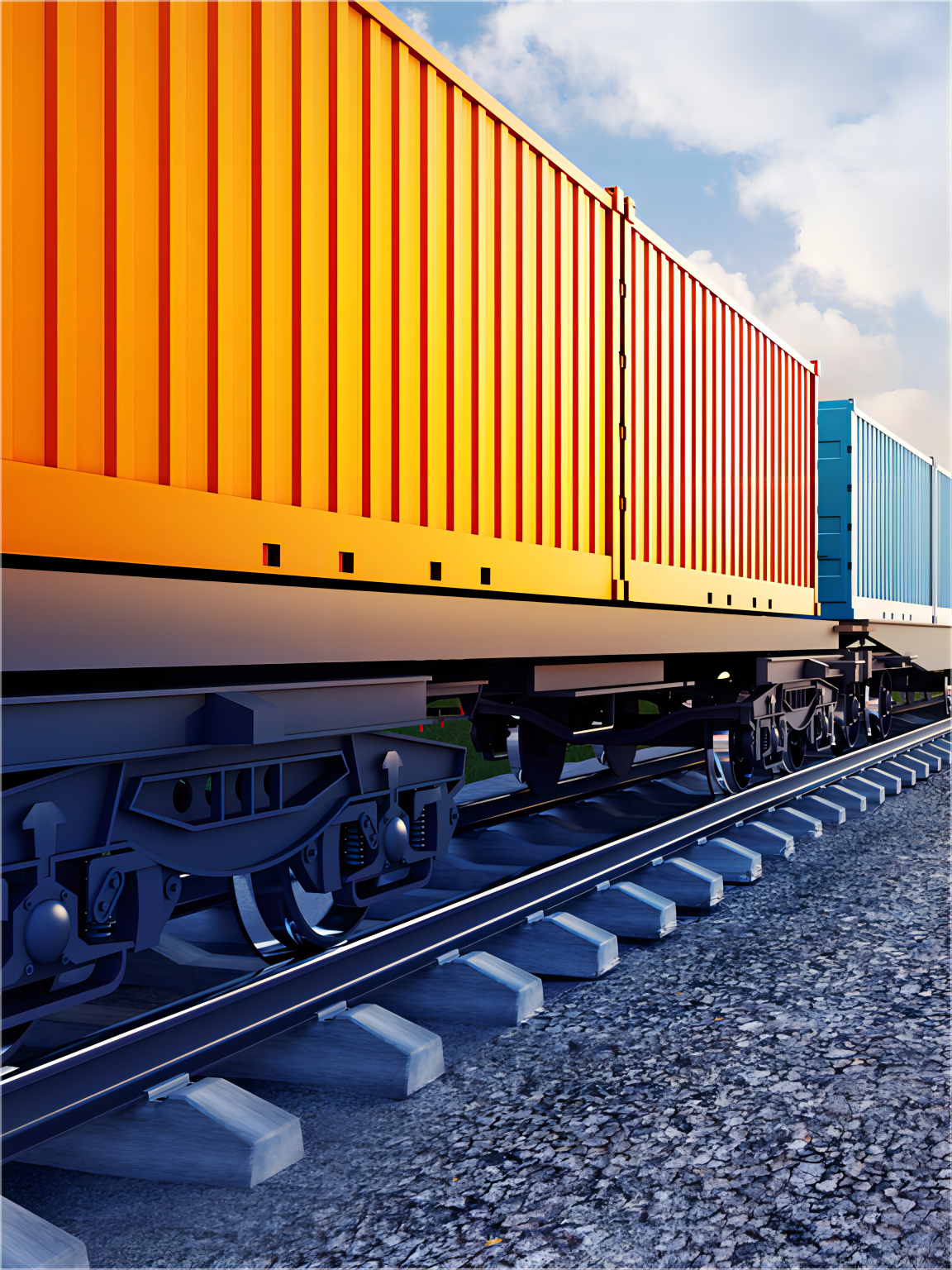
What is Cargo Handling and Why is it Crucial for China-Australia Shipping?
Cargo handling encompasses all processes involved in moving goods, from origin warehouse to final destination. This includes loading, unloading, storage, and transportation management. For shipments between China and Australia, efficient handling is paramount to ensure product integrity and timely delivery.
Indeed, the journey across the Pacific presents unique logistical challenges. Proper cargo handling minimizes risks such as damage, delays, and unexpected costs, thereby safeguarding your supply chain. Therefore, understanding each stage is vital for successful import/export operations.
Moreover, effective cargo handling directly influences your overall shipping costs and delivery schedule. It involves meticulous coordination between suppliers, freight forwarders, carriers, and customs authorities. Consequently, optimizing these processes can significantly enhance your business’s efficiency and customer satisfaction.
Which Shipping Methods are Best for Cargo Handling from China to Australia?
When shipping cargo from China to Australia, two primary methods stand out: sea freight and air freight. Each offers distinct advantages and disadvantages, largely dependent on your specific cargo type, urgency, and budget. Choosing wisely is the first step toward efficient logistics.
Sea freight remains the most popular choice for bulk and non-urgent shipments due to its cost-effectiveness. It accommodates large volumes and various cargo types, including oversized goods. However, transit times are considerably longer compared to air options.
Conversely, air freight provides unparalleled speed for urgent or high-value goods. While significantly more expensive, it drastically reduces transit times, making it ideal for perishable items or time-sensitive inventory. Consequently, it minimizes warehousing needs and accelerates market entry.
| Shipping Method | Cost Range (per kg/CBM) | Transit Time | Best For | Limitations |
|---|---|---|---|---|
| Sea Freight | $0.05-$0.20/kg or $50-$150/CBM | 12-30 days | Bulk, heavy, non-urgent goods | Slower, less flexible schedule |
| Air Freight | $3-$8/kg | 3-8 days | Urgent, high-value, small volume | High cost, size/weight restrictions |
Optimizing Sea Freight: FCL, LCL, and Specialized Cargo Handling
For sea freight, understanding the difference between Full Container Load (FCL) and Less than Container Load (LCL) is crucial. This decision significantly impacts both your shipping costs and delivery schedule. Each option caters to different shipment volumes and business needs.
FCL involves booking an entire container, whether 20GP, 40GP, or 40HQ, for your exclusive use. This method is generally more cost-effective for larger volumes, typically exceeding 15-20 CBM. Moreover, it often results in faster transit times as there’s no need for consolidation or deconsolidation with other cargo.
On the other hand, LCL allows you to ship smaller volumes, where your goods share container space with other shippers’ cargo. This is an excellent solution for businesses with insufficient goods to fill a full container, offering flexibility and reduced upfront costs. However, LCL shipments may experience slightly longer transit times due to the consolidation process at origin and deconsolidation at destination.
| Method | Volume | Cost Structure | Speed | Flexibility |
|---|---|---|---|---|
| FCL | Full container (20-68 CBM) | Flat rate per container | Faster, direct route | Less flexible for small volumes |
| LCL | Less than a container (1-15 CBM) | Per CBM or per kg | Slower, consolidation required | Highly flexible for small volumes |
How Does Customs Clearance Impact Cargo Handling from China to Australia?
Customs clearance is a critical, often complex, stage in cargo handling from China to Australia. Accurate documentation and compliance with Australian import regulations are non-negotiable. Errors can lead to significant delays, penalties, and increased storage costs.
Therefore, it is essential to prepare all necessary paperwork meticulously. This includes commercial invoices, packing lists, bills of lading, and certificates of origin. Engaging a professional customs brokerage service can streamline this intricate process, ensuring smooth entry for your goods.
Furthermore, understanding Australian import duties, taxes (like GST), and prohibited items is paramount. Regulations can change, consequently requiring continuous vigilance. Proper classification of goods using Harmonized System (HS) codes is also vital for accurate duty assessment and faster clearance.
| Document | Purpose | Key Details Required |
|---|---|---|
| Commercial Invoice | Proof of sale, customs valuation | Seller/buyer details, goods description, value, terms |
| Packing List | Details of package contents | Itemized list, weight, dimensions, package count |
| Bill of of Lading (B/L) | Contract of carriage, title to goods | Shipper, consignee, carrier, ports, goods description |
| Certificate of Origin | Country of manufacture | Origin country, goods description, exporter details |
Streamlining Your Supply Chain with Door-to-Door Cargo Handling
For many businesses, managing each segment of the shipping process from China to Australia can be overwhelming. This is where comprehensive, end-to-end logistics solutions, particularly door-to-door services, offer immense value. They simplify the entire supply chain.
A door-to-door service means your freight forwarder handles everything from pickup at your supplier’s factory in China to final delivery at your warehouse in Australia. This includes inland transportation, port handling, customs clearance, and last-mile delivery. Consequently, it significantly reduces administrative burden and potential points of failure.
Choosing an integrated service ensures a single point of contact and accountability, thereby improving communication and oversight. This holistic approach to cargo handling allows businesses to focus on their core operations, confident that their goods are managed by experts every step of the way. Ultimately, it optimizes the entire delivery schedule.
Practical Examples: Successful Cargo Handling from China to Australia
To illustrate the practical application of effective cargo handling strategies, let’s examine a few real-world scenarios. These examples highlight how different factors influence shipping decisions and outcomes for shipments from China to Australia. Each case demonstrates a unique approach.
These case studies are based on typical market rates and transit times as of early 2025. Please note that actual costs and timelines can vary due to market fluctuations, seasonal demand, and specific carrier services. Always obtain a current quote for precise planning.
Case Study 1: E-commerce Apparel – LCL Efficiency
| Field | Value |
|---|---|
| Route | Guangzhou, China -> Sydney, Australia |
| Cargo | Fashion apparel, 8 CBM, 1200 kg |
| Container | LCL 8 CBM |
| Shipping Details | |
| – Carrier/Service | Major carrier |
| – Port of Loading | Nansha, Guangzhou |
| – Port of Discharge | Sydney |
| – Route Type | Direct |
| Cost Breakdown | |
| – Ocean Freight | $720 (approx. $90/CBM) |
| – Origin Charges (THC, documentation) | $250 |
| – Destination Charges | $300 |
| – Customs & Duties (estimated) | $450 |
| – Total Landed Cost | $1720 |
| Timeline | |
| – Booking to Loading | 5 days |
| – Sea Transit | 18 days |
| – Customs Clearance | 3 days |
| – Total Door-to-Door | 26 days |
| Key Insight | LCL provided a cost-effective solution for a mid-volume, non-urgent shipment, optimizing freight rates without needing a full container. |
Case Study 2: Industrial Components – FCL for Volume
| Field | Value |
|---|---|
| Route | Ningbo, China -> Melbourne, Australia |
| Cargo | Machine components, 25 CBM, 15,000 kg |
| Container | 20GP |
| Shipping Details | |
| – Carrier/Service | MSC |
| – Port of Loading | Ningbo |
| – Port of Discharge | Melbourne |
| – Route Type | Direct |
| Cost Breakdown | |
| – Ocean Freight | $1100 (for 20GP) |
| – Origin Charges (THC, documentation) | $350 |
| – Destination Charges | $400 |
| – Customs & Duties (estimated) | $700 |
| – Total Landed Cost | $2550 |
| Timeline | |
| – Booking to Loading | 7 days |
| – Sea Transit | 20 days |
| – Customs Clearance | 4 days |
| – Total Door-to-Door | 31 days |
| Key Insight | Using an FCL 20GP container was ideal for the large volume and weight, offering better security and a predictable delivery schedule compared to LCL. |
Case Study 3: Urgent Product Samples – Air Freight Expedited
| Field | Value |
|---|---|
| Route | Shanghai, China -> Perth, Australia |
| Cargo | Electronic samples, 0.5 CBM, 150 kg |
| Container | Air Cargo |
| Shipping Details | |
| – Carrier/Service | Major airline cargo |
| – Port of Loading | Shanghai Pudong (PVG) |
| – Port of Discharge | Perth (PER) |
| – Route Type | Direct flight |
| Cost Breakdown | |
| – Air Freight | $900 (approx. $6/kg) |
| – Origin Charges (handling, documentation) | $150 |
| – Destination Charges | $100 |
| – Customs & Duties (estimated) | $120 |
| – Total Landed Cost | $1270 |
| Timeline | |
| – Booking to Loading | 2 days |
| – Air Transit | 4 days |
| – Customs Clearance | 1 day |
| – Total Door-to-Door | 7 days |
| Key Insight | Air freight was the only viable option for urgent product samples, despite the higher shipping costs, ensuring rapid market response. |
Smart Strategies for Reducing Cargo Handling Costs to Australia
Reducing shipping costs from China to Australia is a priority for most businesses. Several strategic approaches can help optimize your freight rates and overall expenditure. Proactive planning is key to achieving significant savings.
Firstly, consider consolidating multiple smaller orders into a single, larger shipment whenever possible. This can often convert several LCL shipments into a more cost-effective FCL, or at least reduce the per-unit cost of LCL. This strategy directly impacts your bottom line.
Secondly, flexible delivery schedules can open opportunities for better rates. Opting for standard services over expedited ones, especially during peak seasons, can lead to considerable savings. Moreover, booking in advance often secures more favorable terms.
Furthermore, carefully evaluate Incoterms (International Commercial Terms) with your supplier. Choosing terms like FOB (Free On Board) or EXW (Ex Works) gives you more control over the main freight cost and carrier selection, potentially leading to lower overall shipping costs.
Market intelligence also plays a crucial role. As of Q1 2025, freight rates from China to Australia have shown some stability after earlier global disruptions. However, rates typically increase by 15-25% during the August-October peak season. Therefore, planning around these periods can yield better freight rates.
Why Professional Cargo Handling Expertise Matters for Your China-Australia Shipments
Given the complexities of international shipping, partnering with an experienced freight forwarder is invaluable for cargo handling from China to Australia. A reliable logistics partner acts as an extension of your business, managing the intricacies on your behalf. This partnership ensures peace of mind.
A professional freight forwarder, like Top China Freight, possesses deep knowledge of both Chinese export procedures and Australian import regulations. They can navigate customs hurdles, optimize routes, and negotiate competitive freight rates, ultimately saving you time and money. Their expertise directly impacts your supply chain efficiency.
Moreover, they offer comprehensive services beyond basic transportation, including warehousing, insurance, and real-time tracking. This integrated approach ensures seamless communication and proactive problem-solving throughout your shipment’s journey. Consequently, choosing the right partner is a strategic business decision.
How Does Sea Freight Compare to Other Shipping Options for China-Australia?
While sea freight is the backbone of China-Australia cargo handling, evaluating its alternatives and hybrid solutions is essential for a truly optimized supply chain. Understanding the trade-offs between speed, cost, and capacity enables informed decision-making. Each method serves distinct needs.
For instance, air freight, though significantly faster, comes at a premium. A 40HQ container via sea might cost $1,400-$2,000, arriving in 12-18 days. The equivalent volume by air could easily cost $15,000-$25,000 but would arrive in 3-8 days. This stark difference highlights the importance of cargo type and urgency.
Furthermore, for shipments under 15 CBM, LCL sea freight, priced around $50-$150/CBM, is often more economical than paying for an entire container. However, if your cargo is small but extremely urgent, express service by air or courier can be the fastest, albeit most expensive, option.
Direct sea routes generally cost 10-15% more but can save 5-7 days compared to transshipment options via intermediate ports like Singapore or Port Klang. This trade-off between speed and cost is a common consideration in logistics planning.
| Shipping Method | Cost Range | Transit Time | Best For | Limitations |
|---|---|---|---|---|
| Sea Freight (FCL) | $800-$2,000/container | 12-25 days | Large volume, heavy, non-urgent goods | Slower, less frequent departures |
| Sea Freight (LCL) | $50-$150/CBM | 18-30 days | Small to medium volumes, cost-sensitive | Longer transit, potential for delays |
| Air Freight (Standard) | $3-$8/kg | 3-8 days | Urgent, high-value, perishable, smaller cargo | High cost, volume/weight restrictions |
| Express Service (Courier) | $8-$20/kg | 2-5 days | Very urgent, small parcels, documents | Highest cost, strict size/weight limits |
Making the Right Choice: A Decision Framework for Your Shipments
Selecting the optimal cargo handling method from China to Australia depends on a clear understanding of your priorities and shipment characteristics. A structured decision framework can guide you. Consider these key factors.
**Budget Priority**: If minimizing shipping costs is your primary concern, LCL or FCL sea freight is almost always the most economical choice. Plan well in advance to avoid expedited services.
**Speed Priority**: For time-sensitive goods, air freight or express courier services are indispensable. The higher cost is justified by rapid delivery and reduced inventory holding times.
**Cargo Type Considerations**: For bulky, heavy, or hazardous materials, sea freight (FCL) is typically the only viable option. Delicate or high-value electronics might benefit from secure air freight with specialized handling.
**Volume Thresholds**: LCL suits under 15 CBM. Between 15-28 CBM, a 20GP FCL might be more efficient. For anything larger, 40GP or 40HQ FCL containers are ideal.
Ultimately, the best approach often involves a blend of these strategies, tailored to each specific shipment. Consulting with an expert freight forwarder can provide personalized recommendations for your unique cargo handling needs.
Conclusion
In conclusion, effective cargo handling from China to Australia is a multifaceted process that significantly impacts your business’s success. By understanding the nuances of sea and air freight, mastering customs procedures, and leveraging professional logistics services, you can ensure efficient and cost-effective shipments. Ultimately, partnering with experts who can navigate these complexities is key to a robust supply chain.
Start Your Shipment
Ready to optimize your cargo handling from China to Australia? Contact Top China Freight today for a personalized consultation and a competitive quote tailored to your specific shipping requirements. Let us streamline your logistics and ensure a smooth, efficient delivery.
Request Quote