Duty Handling China to Europe: A Comprehensive Guide
“Shipping goods from China to Europe involves intricate processes, especially when it comes to duty handling. Understanding the complexities of customs, taxes, and regulations is crucial for a smooth supply chain. At Top China Freight, we aim to demystify these challenges, ensuring your shipments arrive efficiently and compliantly.”
Understanding Duty Handling from China to Europe
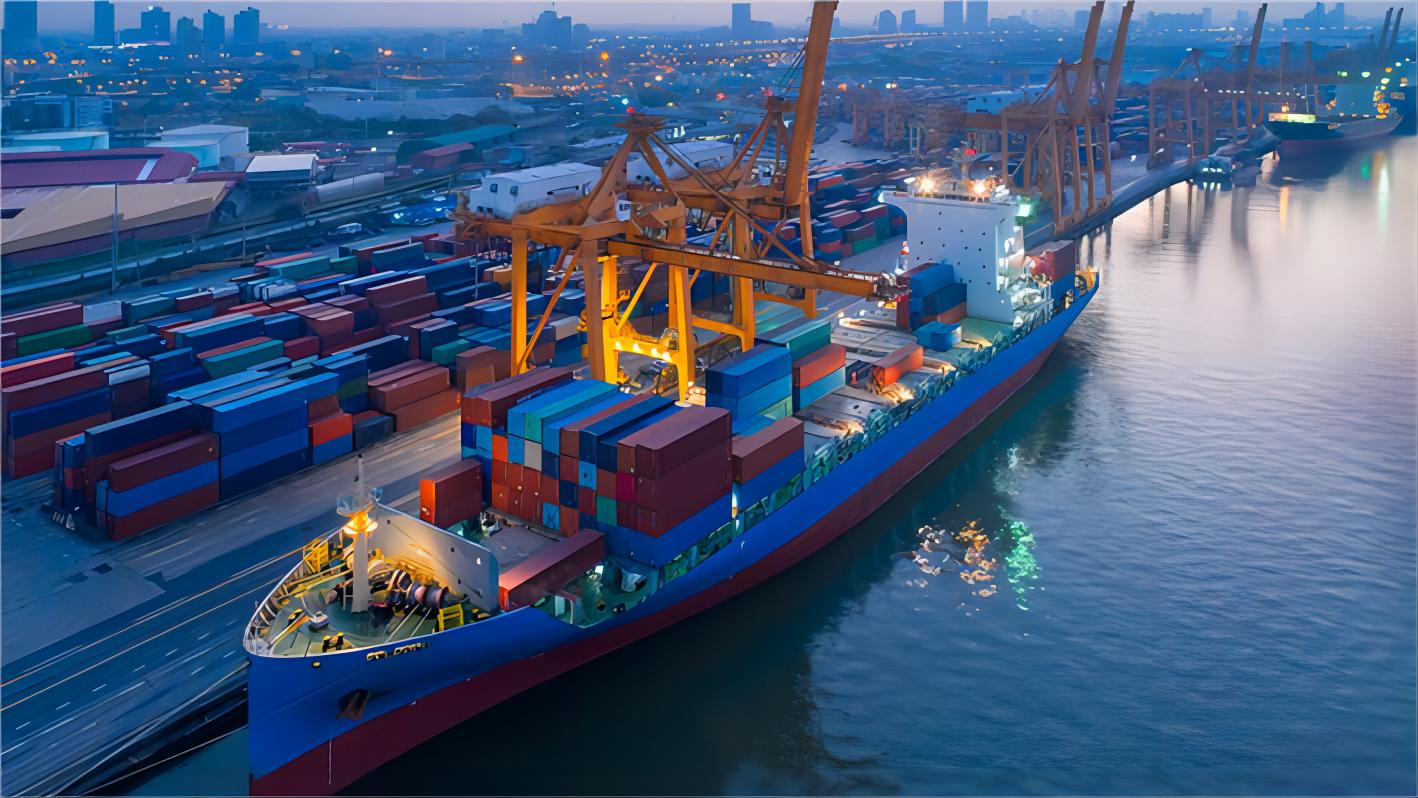
❖Navigating the import duties and taxes for goods shipped from China to Europe can be a complex endeavor. These charges, levied by the destination country, significantly impact your total landed cost. Therefore, accurate classification and declaration are paramount for compliance and avoiding delays.
Crucially, duties are generally calculated based on the Harmonized System (HS) code of the product, its declared value, and the country of origin. Additionally, VAT (Value Added Tax) or GST (Goods and Services Tax) will apply, varying by European Union member state.
Key Factors Influencing Duties and Taxes
❖Several factors directly influence the amount of duty and tax you will pay on imports. Firstly, the HS code precisely identifies your product, dictating the applicable tariff rate. Incorrect classification can lead to penalties or overpayment.
Secondly, the declared value of your goods, including freight and insurance, forms the basis for duty calculation. Lastly, preferential trade agreements, though less common for China-EU routes, can sometimes reduce or eliminate duties for specific products.
Navigating Customs Clearance: A Step-by-Step Guide
❖Efficient customs clearance is vital to prevent delays and additional costs. This process typically begins with submitting a commercial invoice, packing list, and bill of lading (or air waybill). Furthermore, specific products may require import licenses or certificates of origin.
Engaging a reliable customs brokerage service is highly recommended. These experts ensure all documentation is correct, duties are calculated accurately, and goods comply with all import regulations. Consequently, this minimizes risks and streamlines the entire import process into Europe.
How Does Sea Freight Compare to Other Shipping Options?
❖When shipping from China to Europe, selecting the right transportation method is a critical decision. Each option offers distinct advantages in terms of cost, speed, and capacity. Therefore, understanding these differences is essential for optimizing your supply chain.
For instance, sea freight remains the most economical choice for large volumes, though with longer transit times. Conversely, air freight provides unparalleled speed but at a significantly higher cost. Meanwhile, rail freight offers a balanced solution.
| Shipping Method | Cost Range (40HQ/CBM) | Transit Time | Best For | Limitations |
|---|---|---|---|---|
| Sea Freight (FCL) | $3,000-4,200 | 28-35 days | Large volume, non-urgent | Slowest, port congestion risk |
| Sea Freight (LCL) | $50-80/CBM | 35-45 days | Small volume, non-urgent | Slower, consolidation delays |
| Rail Freight | $8,000-12,000 | 18-25 days | Medium urgency, balanced cost | Limited capacity, specific routes |
| Air Freight | $15,000-25,000+ | 5-7 days | Urgent, high-value, small volume | Most expensive, size/weight restrictions |
Air Freight Considerations
Opting for air freight is ideal for urgent, high-value, or time-sensitive shipments. While it incurs higher costs, the speed can significantly reduce lead times and inventory holding costs. However, volumetric weight can heavily influence pricing.
Rail Freight for Balanced Speed and Cost
The New Silk Road railway offers a compelling alternative, blending speed with cost-effectiveness. Rail freight is faster than sea and cheaper than air, making it suitable for a wide range of goods. Additionally, it offers greater environmental benefits compared to air shipping.
Real-World Scenarios: Effective Duty Handling
❖Exploring practical examples helps illustrate effective duty handling and shipping strategies. These case studies highlight how different choices impact overall cost and delivery schedules for various cargo types. Furthermore, they demonstrate the importance of meticulous planning.
Case Study 1: Electronics Shipment to Germany
This scenario involved a tech retailer importing consumer electronics. The focus was on optimizing transit time while managing duties efficiently. Careful HS code classification was crucial to avoid customs delays.
| Detail | Description |
|---|---|
| Route | Shenzhen, China -> Hamburg, Germany |
| Cargo | Consumer electronics, 25 CBM, 4,500 kg |
| Container | LCL 25 CBM |
| Shipping Method | Rail Freight |
| Carrier/Service | Major rail operator |
| Port of Loading | Xi’an (via truck from Shenzhen) |
| Port of Discharge | Hamburg |
| Route Type | Direct rail |
| Ocean/Rail Freight | $9,500 (approx) |
| Origin Charges | $350 |
| Destination Charges | $450 |
| Customs & Duties (est.) | $1,200 (based on 5% duty + 19% VAT) |
| Total Landed Cost | $11,500 |
| Booking to Loading | 5 days |
| Rail Transit | 20 days |
| Customs Clearance | 3 days |
| Total Door-to-Door | 28 days |
| Key Insight | Rail offered a fast, cost-effective balance for mid-range electronics, avoiding air freight’s high cost. |
Case Study 2: Textile Import to France
A fashion brand needed to import a large volume of textiles. The primary goal was cost efficiency for a non-urgent shipment. Consequently, sea freight was the most suitable option, requiring careful duty calculation for textiles.
| Detail | Description |
|---|---|
| Route | Shanghai, China -> Le Havre, France |
| Cargo | Garments and fabrics, 40HQ |
| Container | 40HQ |
| Shipping Method | Sea Freight (FCL) |
| Carrier/Service | COSCO |
| Port of Loading | Shanghai |
| Port of Discharge | Le Havre |
| Route Type | Direct |
| Ocean Freight | $3,800 (approx) |
| Origin Charges | $500 |
| Destination Charges | $600 |
| Customs & Duties (est.) | $2,500 (based on 12% duty + 20% VAT) |
| Total Landed Cost | $7,400 |
| Booking to Loading | 7 days |
| Sea Transit | 30 days |
| Customs Clearance | 4 days |
| Total Door-to-Door | 41 days |
| Key Insight | FCL sea freight provided significant cost savings for bulk textiles, despite the longer transit time. |
Which Shipping Option Should You Choose?
❖Deciding on the best shipping method requires evaluating your priorities. If budget is paramount, sea freight, especially full container load (FCL), is almost always the most cost-effective. However, be prepared for longer transit times.
Conversely, if speed is your top concern, air freight is the clear winner for urgent deliveries. For a balance of speed and cost, rail freight presents an excellent middle-ground. Always consider your cargo’s nature, volume, and urgency.
Streamlining Your Supply Chain with Door-to-Door Service
❖Managing multiple logistics providers can be a headache for businesses. Opting for a door to door service simplifies the entire shipping process. This comprehensive solution covers everything from pickup at origin to final delivery at your European destination.
Moreover, a single point of contact significantly reduces administrative burden and potential communication errors. This approach is particularly beneficial for businesses looking to minimize their involvement in complex logistics, ensuring efficient duty handling from start to finish.
Mastering Duty Handling from China to Europe
Successfully navigating duty handling from China to Europe requires a clear understanding of regulations, careful planning, and reliable logistics partners. From accurate HS code classification to choosing the optimal shipping method, every step impacts your bottom line and delivery schedule. By prioritizing compliance and efficiency, businesses can mitigate risks and ensure smooth, cost-effective international trade. Remember, freight rates are subject to change based on fuel costs, carrier capacity, and seasonal demand. Contact us for a current quote tailored to your specific shipment.
Ready to streamline your logistics?
Ready to simplify your duty handling from China to Europe? Contact us today for a tailored quote and expert advice. Our team is here to ensure your shipments are efficient, compliant, and cost-effective.
Request Quote