

Container Shipping China to Middle East: Your Complete Guide
Shipping goods from China to the Middle East requires careful planning and expert execution. Businesses face challenges like fluctuating freight rates, customs complexities, and ensuring timely delivery. Understanding the intricacies of container shipping from China to the Middle East is therefore crucial for maintaining efficient supply chains. This guide provides comprehensive insights to help you optimize your logistics.
What Makes Container Shipping Ideal for China to Middle East Routes?
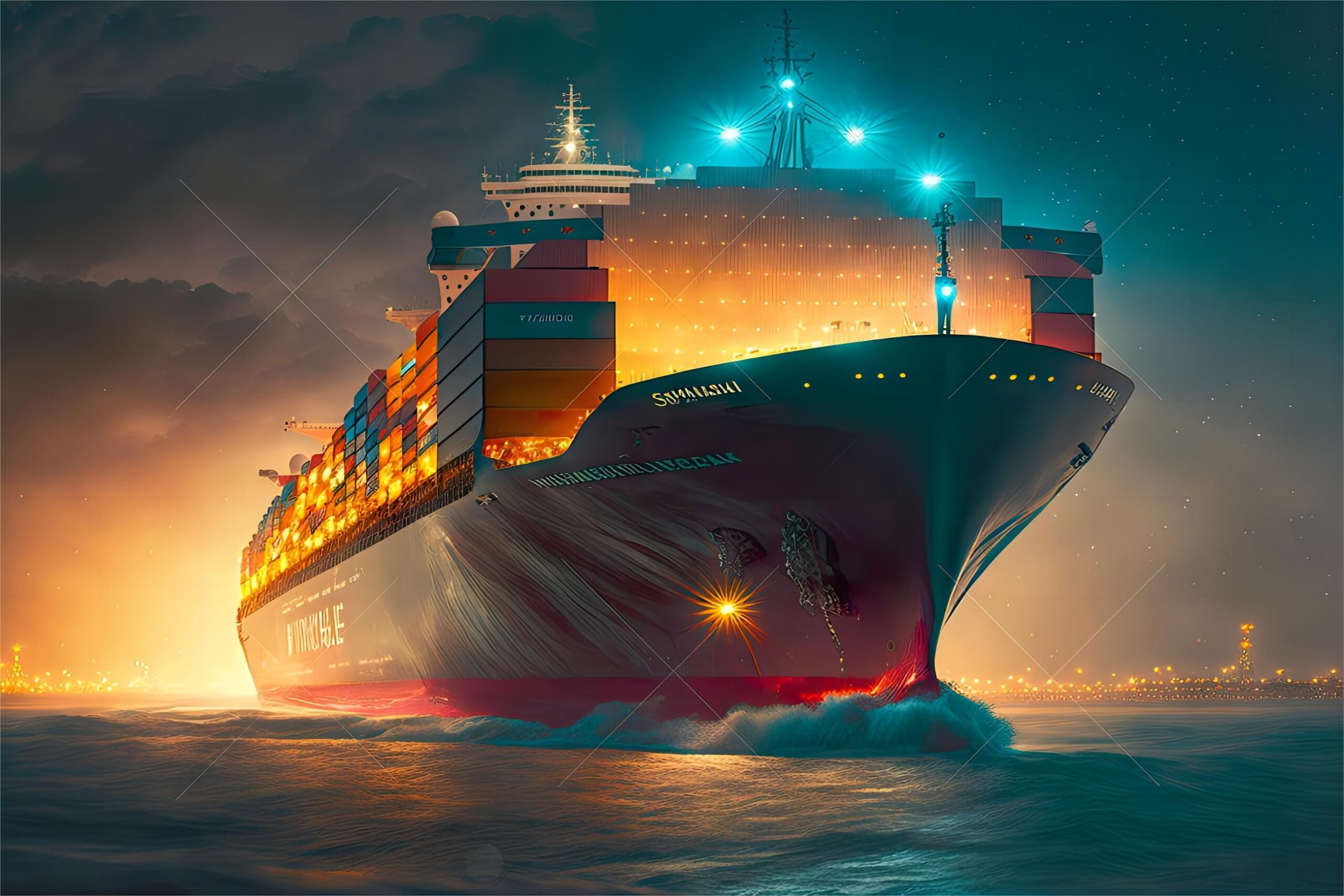
Container shipping offers unparalleled efficiency for goods moving from China to the Middle East. It provides a reliable and cost-effective solution for businesses managing international supply chains. This method is particularly well-suited for high-volume trade.
What Key Factors Influence Your Container Shipping from China to the Middle East?
Many variables impact the success and cost of your shipments. Understanding these elements is crucial for effective logistics planning. Strategic consideration of each factor can lead to significant savings and improved delivery times.
Shipping Costs and Freight Rates
Ocean freight rates are dynamic, influenced by fuel prices, carrier capacity, and global demand. Additional costs include terminal handling, documentation, and various surcharges. Therefore, obtaining detailed quotes is always recommended.
Market trends, such as peak seasons or geopolitical events, can significantly affect overall `shipping costs China to Middle East`. For instance, recent Red Sea disruptions have led to increased rates and longer `transit time`s.
Transit Times and Delivery Schedules
`Transit times China to UAE` can vary from 20 to 40 days, depending on the origin, destination, and service type. Direct routes offer faster delivery, while transshipment options might extend schedules but sometimes reduce costs. Effective `delivery schedule` planning is key.
Port congestion and customs delays can also impact overall timelines. Choosing a reliable carrier and forwarder helps mitigate these risks, ensuring a smoother `supply chain` flow.
Customs Clearance and Documentation
Navigating `customs clearance China to GCC` requires precise documentation, including commercial invoices, packing lists, and bills of lading. Errors can lead to significant delays and penalties. Proper preparation is essential for `import/export` compliance.
Engaging a professional for customs brokerage services can simplify this complex process. They ensure all regulations are met, facilitating quicker entry for your goods into the destination country.
How Does Sea Freight Compare to Other Shipping Options from China to the Middle East?
Selecting the optimal shipping method depends on your cargo’s characteristics, budget, and urgency. While sea freight is often the default for `container shipping China to Middle East`, exploring alternatives can reveal more suitable solutions for specific needs. Each method presents distinct advantages and limitations.
| Shipping Method | Cost Range | Transit Time | Best For | Limitations |
|---|---|---|---|---|
| Sea Freight (FCL) | Low | 20-40 days | Large volumes, non-urgent | Slow, prone to port delays |
| Sea Freight (LCL) | Moderate | 25-45 days | Smaller volumes, non-urgent | Slower, more handling, limited control |
| Air Freight | High | 3-7 days | Urgent, high-value, perishable goods | Very expensive, volume/weight limits |
| Sea-Air Hybrid | Moderate-High | 15-20 days | Moderately urgent, balance cost/speed | Complex coordination, limited routes |
Full Container Load (FCL) vs. Less Than Container Load (LCL)
For large volumes, FCL shipping offers exclusive use of a container, providing better security and faster transit. It is generally more cost-effective when your `cargo volume` exceeds approximately 15 CBM.
Conversely, LCL shipping consolidates multiple smaller shipments into one container. This method is ideal for businesses with lower volumes, reducing `shipping costs` by only paying for the space used.
What are the Major Ports and Routes for Shipping from China to the Middle East?
The efficiency of your `container shipping China to Middle East` journey largely depends on the choice of origin and destination ports. Strategic port selection can significantly impact `transit time` and overall `logistics trends`. Therefore, understanding key hubs is crucial.
Key Chinese Ports
Major export hubs include Shanghai, Ningbo, Shenzhen, and Guangzhou. These ports offer extensive carrier networks and frequent sailings, providing diverse options for `shipping from China to Saudi Arabia` and other GCC nations.
Each port specializes in different cargo types and offers varying `delivery schedule` frequencies. For instance, Shenzhen is excellent for electronics, while Shanghai handles a wide range of manufactured goods.
Key Middle Eastern Ports
Jebel Ali in the UAE is the largest and busiest port in the Middle East, serving as a vital transshipment hub. Other significant ports include Dammam (Saudi Arabia), Hamad (Qatar), and Sohar (Oman).
These ports are gateways for `import/export` into their respective countries and often serve as distribution centers for the wider region. Knowing the capabilities of each port helps optimize `cargo handling`.
Common Shipping Routes
Direct routes offer the fastest sea transit, typically from major Chinese ports straight to Jebel Ali or Dammam. These are preferred for time-sensitive FCL shipments.
Alternatively, transshipment routes might involve a stopover, often in Singapore or Port Klang. While potentially extending `transit times`, these options can sometimes offer more competitive `freight rates` or access to less frequented ports.
What is the Step-by-Step Process for Container Shipping from China to the Middle East?
The journey of `container shipping from China to the Middle East` involves several distinct stages. Each step requires meticulous attention to detail to ensure a smooth and compliant delivery. Understanding this process empowers businesses to manage expectations and plan effectively.
Booking and Preparation
Initially, you must secure a booking with a freight forwarder or carrier, providing details about your cargo and desired service. This includes specifying the `container types` (e.g., 20GP, 40HQ) and required `delivery schedule`.
Proper packaging and labeling are critical to prevent damage during transit. Ensuring all necessary `documentation` is ready, such as the commercial invoice and packing list, is also paramount before cargo pickup.
Loading and Ocean Transit
Once prepared, your cargo is loaded onto the vessel at the `port of loading`. The ship then embarks on its journey across the ocean, typically following established `shipping routes`.
During `ocean transit`, carriers provide tracking updates, allowing you to monitor your shipment’s progress. Effective `cargo handling` at both ends minimizes risks.
Destination Handling and Delivery
Upon arrival at the `port of discharge`, the container undergoes customs inspection and clearance. This stage requires accurate `customs documentation` and payment of any applicable duties and taxes.
Finally, after clearance, your goods are transported to their ultimate destination. Opting for door-to-door shipping simplifies this last mile logistics, ensuring seamless delivery directly to your warehouse.
Real-World Scenarios: Container Shipping China to Middle East
Examining specific examples provides practical insights into the complexities and solutions involved in `container shipping China to Middle East`. These case studies illustrate how different factors impact `shipping costs` and `transit time`s. They also highlight potential challenges and successful strategies.
Case Study 1: Electronics from Shenzhen to Dubai
A client needed to ship 20 CBM of consumer electronics from China’s tech hub to Dubai for retail distribution. Speed was moderately important, but cost-efficiency was key for profitability.
| Detail | Description |
|---|---|
| Route | Shenzhen, China -> Jebel Ali, UAE |
| Cargo | Consumer Electronics, 20 CBM, 8,500 kg |
| Container | LCL (Less Than Container Load) |
| Shipping Details | |
| – Carrier/Service | Major carrier consolidation |
| – Port of Loading | Shenzhen |
| – Port of Discharge | Jebel Ali |
| – Route Type | Direct service |
| Cost Breakdown | |
| – Ocean Freight | $1,600 (based on CBM) |
| – Origin Charges (THC, documentation) | $350 |
| – Destination Charges | $400 |
| – Customs & Duties (estimated) | $500 (5% VAT + 0% duty for electronics) |
| – Total Landed Cost | $2,850 |
| Timeline | |
| – Booking to Loading | 5 days |
| – Sea Transit | 22 days |
| – Customs Clearance | 3 days |
| – Total Door-to-Door | 30 days |
| Key Insight | Consolidating cargo via LCL proved cost-effective for this `shipping electronics China to Middle East` scenario, balancing speed with budget. |
Case Study 2: Textiles from Guangzhou to Riyadh
A fashion brand required a 40HQ container of textiles from Guangzhou to Riyadh, Saudi Arabia, ahead of a seasonal launch. Reliability and a predictable `delivery schedule` were paramount.
| Detail | Description |
|---|---|
| Route | Guangzhou, China -> Dammam, Saudi Arabia |
| Cargo | Textiles and Apparel, 65 CBM, 12,000 kg |
| Container | 40HQ (Full Container Load) |
| Shipping Details | |
| – Carrier/Service | COSCO Shipping |
| – Port of Loading | Nansha (Guangzhou) |
| – Port of Discharge | Dammam |
| – Route Type | Direct service |
| Cost Breakdown | |
| – Ocean Freight | $3,500 |
| – Origin Charges (THC, documentation) | $450 |
| – Destination Charges | $550 |
| – Customs & Duties (estimated) | $1,200 (5% VAT + 5% duty for textiles) |
| – Total Landed Cost | $5,700 |
| Timeline | |
| – Booking to Loading | 7 days |
| – Sea Transit | 28 days |
| – Customs Clearance | 4 days |
| – Total Door-to-Door | 39 days |
| Key Insight | Choosing a direct FCL service provided the necessary predictability and capacity for this large `shipping textiles China to Saudi Arabia` order, crucial for a timely market entry. |
Case Study 3: Industrial Parts from Ningbo to Doha (Urgent LCL)
A manufacturer needed urgent industrial spare parts (5 CBM) from Ningbo to Doha, Qatar, to prevent production downtime. While air freight was an option, a faster LCL sea freight service was chosen to balance speed and `shipping costs`.
| Detail | Description |
|---|---|
| Route | Ningbo, China -> Hamad, Qatar |
| Cargo | Industrial Spare Parts, 5 CBM, 2,000 kg |
| Container | LCL (Less Than Container Load) – Express Service |
| Shipping Details | |
| – Carrier/Service | Maersk Line (premium LCL) |
| – Port of Loading | Ningbo |
| – Port of Discharge | Hamad |
| – Route Type | Transshipment via Jebel Ali (faster connection) |
| Cost Breakdown | |
| – Ocean Freight | $800 (premium LCL rate) |
| – Origin Charges (THC, documentation) | $250 |
| – Destination Charges | $300 |
| – Customs & Duties (estimated) | $350 (5% VAT + 0% duty for machinery parts) |
| – Total Landed Cost | $1,700 |
| Timeline | |
| – Booking to Loading | 4 days |
| – Sea Transit | 20 days |
| – Customs Clearance | 2 days |
| – Total Door-to-Door | 26 days |
| Key Insight | A premium LCL service with optimized transshipment reduced `transit time`, proving a viable alternative to costly air freight for urgent but smaller `cargo handling` needs. |
How Can You Optimize Your Supply Chain for Shipping from China to the Middle East?
Optimizing your `supply chain` for `container shipping China to Middle East` involves strategic decisions beyond just choosing a carrier. Implementing smart practices can significantly enhance efficiency, reduce `shipping costs`, and improve `delivery schedule` reliability.
Choosing the Right Incoterms
Selecting appropriate Incoterms (International Commercial Terms) defines responsibilities and costs between buyer and seller. This choice impacts `freight rates`, insurance, and `customs` obligations. For example, DAP (Delivered At Place) or DDP (Delivered Duty Paid) simplify logistics for the buyer.
Cargo Consolidation (LCL)
For multiple smaller orders from various suppliers, consolidating cargo into an LCL shipment can be highly economical. This strategy reduces per-unit `shipping costs` and streamlines `cargo handling`.
Negotiating Freight Rates
Partnering with a freight forwarder that handles high volumes can give you access to better `freight rates` and preferential service. They possess the market knowledge and leverage to negotiate effectively with `carrier`s.
Insurance and Risk Management
Cargo insurance protects against loss or damage during transit, a vital consideration given the long journey. Moreover, understanding potential risks like `port congestion` or weather delays allows for proactive mitigation strategies.
For businesses utilizing platforms like Amazon FBA, precise `logistics trends` and risk management are even more critical to avoid stockouts or penalties.
Which Container Shipping Option from China to the Middle East is Right for You?
Deciding on the best `container shipping China to Middle East` strategy depends entirely on your specific business priorities. A clear framework helps you weigh the trade-offs between speed, cost, and cargo characteristics. Consider these key factors before making your choice.
Budget Priority
If minimizing `shipping costs` is your primary concern, sea freight, particularly FCL for large volumes or LCL for smaller, non-urgent goods, is typically the most economical option. This approach allows for greater capital preservation.
Speed Priority
For urgent shipments, high-value goods, or time-sensitive projects, air freight offers the fastest `transit time`. While more expensive, it ensures quick delivery, crucial for fast-moving consumer goods or critical components.
Cargo Type and Volume
Large, bulky, or heavy items are best suited for FCL `sea freight`. Smaller, less dense cargo can benefit from LCL. Specialized `container types`, such as refrigerated or open-top, are available for unique `cargo handling` requirements.
Reliability and Flexibility
Partnering with a reputable freight forwarder provides access to diverse `logistics trends` and flexible solutions. They can navigate `port congestion`, optimize routes, and manage `customs documentation` efficiently, offering peace of mind.
Conclusion
Navigating `container shipping from China to the Middle East` involves understanding various factors, from costs and transit times to customs regulations. By carefully planning and leveraging expert logistics partners, businesses can achieve seamless and efficient supply chain operations. Ultimately, choosing the right strategy ensures your goods arrive safely and on schedule.
Need a tailored shipping solution?
To streamline your container shipping from China to the Middle East, partnering with an experienced logistics provider is essential. We offer tailored solutions to meet your specific needs, ensuring efficient and cost-effective delivery. Contact us today for a personalized quote and expert guidance.