

Computer Parts Shipping China to USA: Your Ultimate Guide
Navigating the complexities of computer parts shipping China to USA can be a daunting task for businesses and individuals alike. From managing intricate logistics to understanding customs regulations, the process demands careful planning. This comprehensive guide will illuminate the most efficient and cost-effective strategies, ensuring your valuable components reach their destination safely and on time.

Why is Reliable Computer Parts Shipping China to USA Critical?
The global supply chain for electronics relies heavily on efficient computer parts shipping China to USA. Furthermore, timely delivery of components directly impacts manufacturing schedules and product launches. Delays can lead to significant financial losses and damage brand reputation in a competitive market.
Consequently, ensuring a robust logistics strategy is paramount for businesses importing computer hardware. This includes everything from processors and memory to motherboards and peripherals. Every component requires careful handling and precise transit management to prevent damage and meet market demand.

Understanding Key Shipping Methods from China to USA
When considering computer parts shipping China to USA, several primary methods are available. Each option offers distinct advantages and disadvantages regarding speed, cost, and suitability for different cargo types. Selecting the correct method is crucial for optimizing your supply chain.
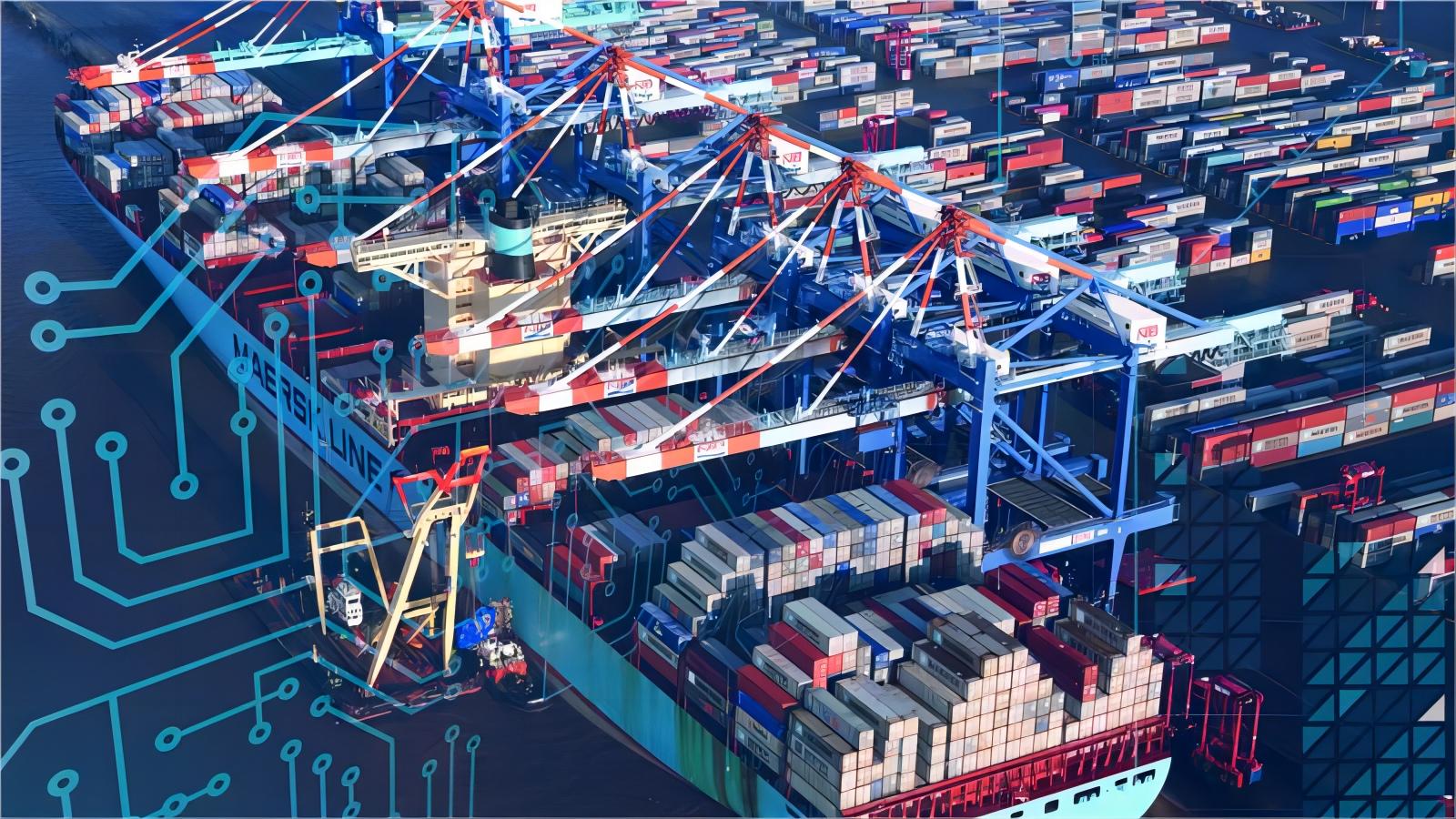
Therefore, evaluating your specific needs, such as urgency, budget, and cargo volume, is essential. Understanding these options will help you make an informed decision for your import strategy.

Here is a detailed comparison of the main shipping methods.
| Shipping Method | Cost Range | Transit Time | Best For | Limitations |
|---|---|---|---|---|
| Sea Freight | Low ($1,500-$6,000 per container) | 14-35 days | Large volume, heavy, non-urgent shipments | Slow, port congestion risks, longer lead times |
| Air Freight | Medium-High ($4-$8 per kg) | 3-8 days | Time-sensitive, high-value, smaller shipments | Higher cost, weight/volume restrictions, environmental impact |
| Express Service | High ($8-$15+ per kg) | 1-5 days | Urgent, small packages, samples, prototypes | Most expensive, strict size/weight limits |
| Door-to-Door (DDP) | Variable (includes all costs) | Varies by method | Convenience, minimal importer involvement | Higher overall cost, less control over individual segments |
How Does Air Freight Compare to Sea Freight for Computer Parts?
Choosing between air freight and sea freight is a primary decision for computer parts shipping from China to USA. Air freight offers unparalleled speed, making it ideal for urgent components or products with short market windows. However, its cost per kilogram is significantly higher.
Conversely, sea freight provides a much more economical solution for larger, less time-sensitive shipments. While transit times are considerably longer, the cost savings can be substantial, especially for bulk orders of robust computer components. For instance, a 40HQ container via sea might cost $2,800-$6,000, whereas an equivalent volume by air could be $15,000-$25,000.
Businesses often utilize a hybrid strategy, employing air freight for critical, fast-moving items and sea freight for standard inventory. This balanced approach helps manage both speed and cost efficiencies within the supply chain. Moreover, understanding the trade-offs is key to effective logistics planning.
Navigating Customs and Regulations for Computer Parts Imports
Importing computer parts from China to USA involves navigating complex customs regulations and tariffs. Therefore, understanding these requirements is essential to avoid delays and unexpected costs. Proper documentation and classification are critical steps in this process.
Furthermore, certain electronic components may be subject to specific import duties or restrictions. Engaging a reliable customs brokerage service can streamline this process significantly. They ensure compliance with all U.S. Customs and Border Protection (CBP) requirements.
This proactive approach minimizes the risk of penalties and ensures a smooth customs clearance for your computer parts.
Essential Documentation Checklist
Accurate and complete documentation is non-negotiable for importing computer parts. Missing or incorrect paperwork can lead to severe delays and potential fines. Consequently, meticulous preparation is paramount for successful customs clearance.
Always double-check all details before submission to avoid any issues during the import process.
| Document | Purpose | Notes |
|---|---|---|
| Commercial Invoice | Details of goods, value, seller, buyer | Crucial for customs valuation and duties |
| Packing List | Itemizes contents of each package | Aids in cargo inspection and verification |
| Bill of Lading (Sea) / Air Waybill (Air) | Contract of carriage, title to goods | Proof of shipment and ownership |
| Certificate of Origin | Confirms country of manufacture | May impact duty rates under trade agreements |
| Import License / Permits | Required for certain regulated goods | Check for specific electronic component restrictions |
| Power of Attorney | Authorizes customs broker to act on your behalf | Standard requirement for third-party brokerage |
What are the Costs Involved in Shipping Computer Parts?
The total cost of computer parts shipping China to USA extends beyond just the freight rate. Several factors contribute to the overall landed cost, and understanding each element is vital for accurate budgeting. These costs can significantly impact your product’s final price.
Initially, consider the base freight charges, which vary by method, weight, and volume. Moreover, origin charges, such as terminal handling fees and documentation, are added. Destination charges, including customs clearance, duties, taxes, and local delivery, also contribute significantly.
Furthermore, insurance costs, which are highly recommended for sensitive electronics, should always be factored in. Unexpected surcharges, like fuel surcharges or peak season rates, can also arise. As of Q1 2025, ocean freight rates have stabilized after 2024 disruptions, but remain subject to market fluctuations.
Note: Freight rates are subject to change based on fuel costs, carrier capacity, and seasonal demand. Contact us for a current quote tailored to your specific shipment.
Optimizing Your Supply Chain for Computer Parts Imports
Effective supply chain management is crucial for the efficient import of computer parts. This involves more than just selecting a shipping method; it encompasses strategic planning from procurement to final delivery. Moreover, a streamlined process can lead to significant cost savings and improved reliability.
Consider consolidating multiple smaller shipments into one larger consignment. This approach, often facilitated by Amazon FBA or general warehouse services, can reduce per-unit shipping costs significantly. Additionally, implementing robust inventory management helps avoid both overstocking and stockouts.
Utilizing door-to-door shipping services can simplify logistics, as a single provider manages the entire journey. This reduces the administrative burden and provides a single point of contact, enhancing overall efficiency. Ultimately, a well-optimized supply chain ensures consistent availability of components.
Real-World Scenarios: Successful Computer Parts Shipments
Examining real-world examples illustrates how different strategies are applied in practice. These case studies highlight the diverse needs of businesses importing computer parts from China to the USA. Each scenario presents unique challenges and optimal solutions.
These examples demonstrate the flexibility and expertise required in modern logistics for electronics.
Case Study 1: Urgent GPU Shipment for a New Product Launch
This case involved a tech startup needing high-performance GPUs quickly for a product launch. Speed was the absolute priority over cost, given the competitive market window. They opted for an expedited air freight solution.
The rapid transit ensured they met their launch deadline, albeit at a higher shipping cost. This decision protected their market entry strategy.
| Detail | Description |
|---|---|
| Route | Shenzhen, China -> Los Angeles, USA |
| Cargo | 500 units of high-end GPUs, 2.5 CBM, 450 kg |
| Container | Air cargo (palletized) |
| Shipping Details | Carrier: Major air cargo carrier, Port of Loading: Shenzhen Bao’an (SZX), Port of Discharge: Los Angeles (LAX), Route Type: Direct flight |
| Cost Breakdown | Air Freight: $3,600 (approx. $8/kg), Origin Charges: $250, Destination Charges: $300, Customs & Duties (estimated): $500, Total Landed Cost: $4,650 |
| Timeline | Booking to Loading: 2 days, Air Transit: 3 days, Customs Clearance: 1 day, Total Door-to-Door: 6 days |
| Key Insight | Prioritizing speed with air freight was crucial for meeting a strict product launch deadline, despite the higher cost. Typical rates as of early 2025. |
Case Study 2: Bulk Motherboard Import for Assembly Line
A medium-sized PC manufacturer required a large volume of motherboards for their assembly line, with a steady supply schedule. Cost-effectiveness and consistency were key considerations for this ongoing requirement. They chose full container load (FCL) sea freight.
This method provided the necessary volume capacity and kept per-unit costs low, supporting their production demands. The longer transit time was managed through careful inventory planning.
| Detail | Description |
|---|---|
| Route | Shanghai, China -> Chicago, USA |
| Cargo | 15,000 units of motherboards, 28 CBM, 12,000 kg |
| Container | 1 x 40GP |
| Shipping Details | Carrier: COSCO, Port of Loading: Shanghai (CNSHA), Port of Discharge: Long Beach (USLGB), Route Type: Ocean Freight (then rail to Chicago) |
| Cost Breakdown | Ocean Freight: $3,200, Origin Charges: $400, Destination Charges: $600 (includes rail to Chicago), Customs & Duties (estimated): $800, Total Landed Cost: $5,000 |
| Timeline | Booking to Loading: 5 days, Sea Transit: 18 days, Customs Clearance: 2 days, Total Door-to-Door: 28 days |
| Key Insight | FCL sea freight offered the best balance of cost and volume for a regular, large-scale component import. Based on Q3 2024 market rates. |
Case Study 3: Small Batch of Custom PCB Prototypes
An R&D firm needed a small batch of custom PCBs for testing and development. The value was high, but the volume was low, and rapid delivery was essential for project progression. An express courier service was the ideal solution.
The expedited delivery minimized downtime for their engineering team. This choice allowed them to quickly iterate on their designs. Express service provided the necessary speed for critical small shipments.
| Detail | Description |
|---|---|
| Route | Guangzhou, China -> Dallas, USA |
| Cargo | 100 custom PCBs, 0.1 CBM, 15 kg |
| Container | Express parcel |
| Shipping Details | Carrier: DHL Express, Port of Loading: Guangzhou (CAN), Port of Discharge: Dallas/Fort Worth (DFW), Route Type: Express Air Courier |
| Cost Breakdown | Express Service: $225 (approx. $15/kg), Origin Charges: $0 (included), Destination Charges: $0 (included), Customs & Duties (estimated): $50, Total Landed Cost: $275 |
| Timeline | Booking to Loading: 1 day, Air Transit: 2 days, Customs Clearance: 1 day, Total Door-to-Door: 4 days |
| Key Insight | For small, high-value, and extremely urgent items, express service is unparalleled in speed and convenience. Market data suggests this is typical for small parcel delivery. |
Which Option Should You Choose for Your Computer Parts Shipment?
Deciding on the best shipping method for your computer parts shipping China to USA depends on several factors. Consider your budget, the urgency of the shipment, and the nature of the cargo. Each scenario calls for a tailored approach.
For budget-conscious importers with large volumes, sea freight remains the most cost-effective solution. Conversely, if speed is your top priority for high-value or time-sensitive components, air freight or express service is indispensable. Always balance cost against transit time and potential market impacts.
Cargo type also plays a significant role. Fragile or sensitive electronics often benefit from air freight’s faster, less turbulent journey. However, robust components shipped in bulk can withstand longer sea voyages. A freight forwarder can help you make an informed decision.
Decision Framework
Use this framework to guide your choice for computer parts shipping China to USA:
– Budget priority: Recommend sea freight for cost savings.
– Speed priority: Recommend air freight or express service for urgent deliveries.
– Cargo type considerations: Fragile, high-value items often benefit from air; bulk, durable items suit sea.
– Volume thresholds: For shipments under 15 CBM, LCL sea freight or a combination of air/express might be more economical than a full container. For larger volumes, FCL sea freight is usually best.
Conclusion: Streamlining Your Computer Parts Shipping China to USA
Navigating the landscape of <a href=”https://Top China Freight.com/”>computer parts shipping China to USA</a> requires strategic planning and an understanding of various logistics options. Choosing the right shipping method, managing customs, and optimizing your supply chain are all crucial for success. By carefully considering speed, cost, and cargo type, businesses can ensure efficient and reliable delivery.
Partnering with an experienced freight forwarder like Top China Freight offers invaluable expertise and support. We help streamline your import process, from initial booking to final delivery. This ensures your valuable computer components reach their destination without unnecessary delays or expenses. Make your next shipment a success with professional guidance.
Get Your Shipping Quote Today
Ready to optimize your computer parts shipping from China to USA? Contact our experts today for a personalized quote and tailored logistics solutions. We simplify complex international shipping, ensuring your components arrive efficiently and securely. Visit Top China Freight to learn more.
Request Quote