

Textiles Sea Freight China to UK: Your Ultimate Shipping Guide
The global textile industry relies heavily on efficient international shipping. When importing textiles from China to the UK, businesses often face complexities related to logistics, costs, and compliance. This comprehensive guide, brought to you by Top China Freight, aims to demystify the process of textiles sea freight from China to UK, ensuring your supply chain remains smooth and cost-effective. Indeed, understanding the nuances of shipping fabrics and garments can significantly impact your bottom line and delivery schedules.

Why Choose Sea Freight for Textiles from China to UK?
For businesses importing large volumes of textiles, such as apparel or raw fabrics, sea freight consistently offers the most economical solution. It allows for significant cost savings per unit compared to faster alternatives. Consequently, this method is ideal for goods where transit time is not the absolute top priority.
Furthermore, sea vessels boast immense carrying capacity, accommodating vast quantities of textiles in containers. This is particularly advantageous for bulk orders or seasonal collections, ensuring your entire inventory can be transported efficiently. Moreover, the environmental footprint per ton-mile is generally lower for ocean shipping.
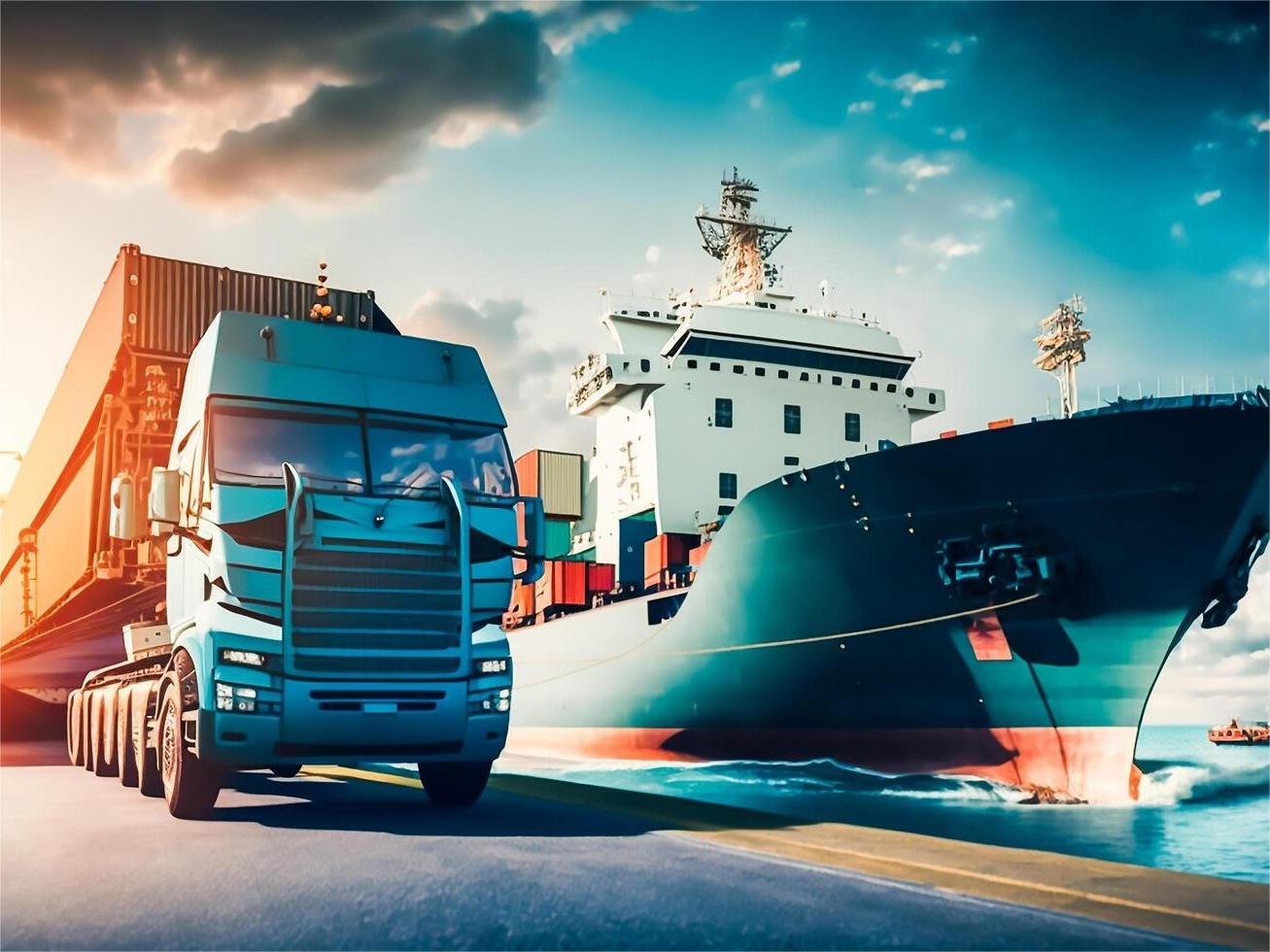
Generally, the transit time for textiles sea freight from China to UK ranges from 30 to 40 days, depending on the specific ports and service chosen. This predictable schedule allows for effective inventory planning and supply chain management. Therefore, if your textile products are not highly time-sensitive, sea freight presents a robust and reliable option.
Moreover, sea freight offers enhanced security for your valuable textile cargo. Containers provide excellent protection against damage and theft throughout the journey. Consequently, many businesses shipping high-value fabrics or garments from China to the UK prefer the secure environment of containerized ocean transport.
Understanding Your Textile Cargo: FCL vs. LCL
When planning your textiles sea freight from China to UK, a critical decision involves choosing between Full Container Load (FCL) and Less than Container Load (LCL) shipping. Each option caters to different cargo volumes and budget requirements. Understanding these differences is paramount for efficient logistics planning.
FCL shipping means your textiles occupy an entire container, whether it is a 20-foot or 40-foot unit. This option is generally more cost-effective for larger shipments, typically exceeding 15-20 cubic meters (CBM). Additionally, FCL offers faster transit times and less handling, reducing the risk of damage to your fabric shipping from China to UK.
Conversely, LCL shipping involves sharing container space with other importers’ goods. This is an excellent solution for smaller textile shipments, usually under 15 CBM, where an FCL would be uneconomical. Although LCL might have slightly longer transit times due to consolidation and deconsolidation processes, it provides a flexible and affordable option for smaller-scale textile imports.
Ultimately, the choice between FCL and LCL depends on your specific cargo volume, budget, and urgency. For instance, if you are importing a full range of clothing from China to UK, FCL might be preferable. However, for smaller fabric rolls or sample collections, LCL often proves more practical and budget-friendly.
Key Factors Influencing Textiles Sea Freight China to UK Costs
Several dynamic factors influence the overall cost of shipping textiles from China to UK via sea freight. Understanding these elements helps businesses accurately budget and plan their import operations. Therefore, a comprehensive cost analysis is essential before committing to a shipping method.
Firstly, the base ocean freight rates are determined by supply and demand, fuel costs, and carrier capacity. These rates can fluctuate significantly, especially during peak seasons or due to global events. Additionally, various surcharges, such as Bunker Adjustment Factor (BAF) and Peak Season Surcharge (PSS), are applied, impacting the total freight rates.

Secondly, origin and destination charges play a substantial role. Origin charges include terminal handling charges (THC) at the loading port, documentation fees, and local transport in China. Similarly, destination charges in the UK cover THC at the discharge port, customs clearance fees, and local delivery to your warehouse. These charges collectively contribute to the total landed cost of your textile goods.
Finally, customs duties and Value Added Tax (VAT) are significant components of the total import cost for textiles to the UK. These are calculated based on the Harmonized System (HS) codes of your specific textile products and their declared value. Consequently, accurate classification and valuation are crucial to avoid delays and unexpected expenses in customs.
Navigating Customs and Compliance for Textile Imports to the UK
Successful textiles sea freight from China to UK hinges on meticulous adherence to customs regulations and compliance requirements. Navigating the complex landscape of international trade laws is critical to prevent delays and penalties. Therefore, proper documentation and understanding of UK import rules are non-negotiable.
Key documentation typically includes the commercial invoice, packing list, bill of lading, and certificate of origin. For certain textile products, additional licenses or certifications related to safety or material composition might be required. Preparing these documents accurately and completely is a fundamental step in the customs clearance textiles UK process.
The UK, post-Brexit, has specific import procedures, including the need for a UK EORI number and understanding of VAT implications. Importers must be aware of potential duties, which vary based on the textile’s HS code and country of origin. Moreover, ensuring your products meet UK product safety and labeling standards is paramount.
Many businesses opt to utilize a professional customs brokerage service to manage these complexities. A reliable broker can ensure all declarations are correct, duties and taxes are properly calculated, and your textile cargo clears customs efficiently. This expertise minimizes risks and streamlines your import process, safeguarding your supply chain management textiles UK.
How Does Sea Freight Compare to Other Shipping Options?
When considering textiles sea freight from China to UK, it is vital to evaluate its advantages and disadvantages against alternative shipping methods. Each option presents a unique balance of cost, speed, and capacity. Therefore, selecting the right mode of transport directly impacts your delivery schedule and profitability.
As a primary comparison, air freight offers significantly faster transit times, typically 5-7 days from China to the UK. However, this speed comes at a much higher cost, making it suitable only for urgent, high-value, or small-volume textile shipments. Conversely, sea freight, while slower, provides unparalleled cost-effectiveness for bulk garment logistics China to UK.
Rail freight, an increasingly popular option for shipping to Europe, offers a middle ground in terms of speed and cost compared to air and sea. While direct rail links to the UK are less common and often involve transshipment, it can be a viable alternative for certain European destinations. However, for direct China to UK textile routes, sea and air remain the most straightforward choices.
Consequently, understanding the trade-offs is crucial for your supply chain. For example, if you need to quickly restock a popular clothing line, air freight might be justified. However, for regular inventory replenishment of fabrics or apparel, textiles sea freight from China to UK is almost always the more sustainable and economic choice.
| Shipping Method | Cost Range (40HQ) | Transit Time | Best For | Limitations |
|---|---|---|---|---|
| Sea Freight | $3,500 – $4,500 | 30-38 days | Large volumes, heavy goods, non-urgent, cost-sensitive textiles | Slower transit, potential port congestion |
| Air Freight | $15,000 – $25,000 | 5-7 days | Urgent, high-value, perishable, small-volume textile samples | Very high cost, volume/weight restrictions |
| Rail Freight | $8,000 – $12,000 | 18-25 days | Mid-sized shipments, less urgent than air, more reliable than sea for certain European routes | Limited direct UK routes, potential transshipment, higher cost than sea |
Optimizing Your Textiles Sea Freight China to UK Supply Chain
Effective supply chain management is paramount for businesses relying on textiles sea freight from China to UK. Optimizing every stage of the shipping process can lead to significant cost savings and improved efficiency. Therefore, a proactive approach to logistics planning is highly beneficial.
Choosing a reputable freight forwarder is perhaps the most critical step. A knowledgeable partner can navigate complex shipping routes, manage documentation, and offer valuable insights into import/export regulations. They can also provide comprehensive door-to-door service, simplifying the entire process from factory floor to your warehouse.
Consider consolidating multiple orders or suppliers into a single shipment to maximize container utilization. This strategy, especially for LCL, can significantly reduce the per-unit cost of shipping fabrics from China to UK. Furthermore, planning your orders well in advance helps avoid peak season surcharges and secures better rates.
Finally, leverage technology for tracking and communication. Real-time updates on your textile cargo’s location and estimated arrival time allow for better inventory management and warehouse planning. This transparency helps mitigate potential delays and ensures a smoother flow of goods into your UK market.
Which Shipping Option Should You Choose for Your Textiles?
Deciding on the optimal shipping method for your textiles from China to UK requires a careful assessment of several key criteria. There is no one-size-fits-all solution; instead, the best choice aligns with your specific business needs and priorities. Thus, a strategic evaluation is essential.
If budget is your primary concern, and you are shipping large quantities of non-time-sensitive items like bulk fabric rolls or everyday apparel, textiles sea freight from China to UK is undoubtedly the most cost-effective option. The lower per-unit cost allows for greater profit margins, especially for heavy or voluminous goods. Consider this if your lead time permits.
Conversely, if speed is paramount, such as for urgent fashion collections, critical samples, or to avoid stockouts during peak sales periods, air freight is the preferred choice. While more expensive, the rapid transit time ensures your garments arrive quickly, allowing you to capitalize on market trends or meet tight deadlines. This is often a strategic investment.
For businesses with moderate volumes or those seeking a balance between cost and speed, hybrid solutions or a mixed approach might be ideal. For instance, you could use air freight for initial samples or urgent top-sellers, and then switch to sea freight for the main bulk order. This flexible strategy optimizes both cost and delivery schedule for your textile imports.
Real-World Scenarios: Textiles Sea Freight Case Studies
Exploring actual case studies provides practical insights into the complexities and successes of shipping textiles from China to UK. These examples highlight various strategies employed to meet diverse logistical challenges. Consequently, understanding these scenarios can inform your own shipping decisions.
Case Study 1: Large Volume Apparel Shipment
A UK-based fashion retailer needed to import a new season’s collection of 20,000 units of apparel from multiple factories in Shenzhen. The priority was cost-efficiency for the large volume, with a reasonable transit time for their launch schedule. They opted for an FCL shipment.
| Detail | Value |
|---|---|
| Route: | Shenzhen, China Felixstowe, UK |
| Cargo: | Cotton apparel, 58 CBM, 9,500 kg |
| Container: | 1 x 40HQ FCL |
| Shipping Details: | |
| – Carrier/Service: | Major carrier (e.g., Maersk) |
| – Port of Loading: | Shenzhen (Yantian) |
| – Port of Discharge: | Felixstowe |
| – Route Type: | Direct |
| Cost Breakdown: | (Based on Q3 2024 market rates) |
| – Ocean Freight: | $3,850 |
| – Origin Charges (THC, documentation): | $450 |
| – Destination Charges: | $600 |
| – Customs & Duties (estimated): | $2,800 |
| – Total Landed Cost: | $7,700 |
| Timeline: | |
| – Booking to Loading: | 7 days |
| – Sea Transit: | 32 days |
| – Customs Clearance: | 3 days |
| – Total Door-to-Door: | 45 days |
| Key Insight: | Consolidating from multiple suppliers into one FCL significantly reduced per-unit shipping costs and streamlined customs. |
Case Study 2: Niche Fabric Samples LCL
A small UK textile designer required urgent delivery of specialty fabric samples (less than 5 CBM) from Shanghai for an upcoming exhibition. Speed was more important than absolute minimum cost, but air freight was too expensive for the weight. They chose an LCL shipment with a reliable forwarder.
| Detail | Value |
|---|---|
| Route: | Shanghai, China Southampton, UK |
| Cargo: | Silk and wool fabric samples, 4.5 CBM, 800 kg |
| Container: | LCL 4.5 CBM |
| Shipping Details: | |
| – Carrier/Service: | Consolidated LCL service |
| – Port of Loading: | Shanghai |
| – Port of Discharge: | Southampton |
| – Route Type: | Transshipment via Singapore |
| Cost Breakdown: | (Typical rates as of early 2025) |
| – Ocean Freight: | $480 |
| – Origin Charges (THC, documentation): | $180 |
| – Destination Charges: | $250 |
| – Customs & Duties (estimated): | $350 |
| – Total Landed Cost: | $1,260 |
| Timeline: | |
| – Booking to Loading: | 5 days |
| – Sea Transit: | 38 days |
| – Customs Clearance: | 4 days |
| – Total Door-to-Door: | 50 days |
| Key Insight: | LCL provided a cost-effective solution for a smaller volume, though transshipment added a few days to the total transit time. |
Case Study 3: Urgent Seasonal Collection
A fast-fashion brand needed to rush a new collection of 15 CBM of garments from Guangzhou to London, with a strict 3-week delivery deadline. Sea freight was too slow; air freight was cost-prohibitive for the volume. They opted for a strategic air freight solution for critical items and a faster LCL for the rest.
| Detail | Value |
|---|---|
| Route: | Guangzhou, China London, UK (Heathrow) |
| Cargo: | Polyester garments, 15 CBM, 2,500 kg |
| Container: | Air Freight (critical items) & Express LCL (remaining) |
| Shipping Details: | |
| – Carrier/Service: | Air Cargo (critical) / Express LCL (bulk) |
| – Port of Loading: | Guangzhou (for both) |
| – Port of Discharge: | Heathrow (Air) / Felixstowe (LCL) |
| – Route Type: | Direct Air / Direct Sea |
| Cost Breakdown: | (Based on Q1 2025 market rates) |
| – Air Freight (5 CBM, 800kg): | $4,500 |
| – Express LCL (10 CBM, 1,700kg): | $1,200 |
| – Origin & Destination Charges: | $800 |
| – Customs & Duties (estimated): | $1,500 |
| – Total Landed Cost: | $8,000 |
| Timeline: | |
| – Air Freight Door-to-Door: | 8 days |
| – Express LCL Door-to-Door: | 28 days |
| Key Insight: | A hybrid approach allowed the brand to meet urgent deadlines for critical items while managing costs for the larger volume, showcasing flexible garment logistics China to UK. |
Conclusion
Navigating textiles sea freight from China to UK effectively is crucial for businesses aiming for competitive advantage and efficient operations. By understanding the intricacies of FCL vs. LCL, managing costs, and adhering to customs regulations, importers can significantly optimize their logistics. Ultimately, partnering with a reliable freight forwarder like Top China Freight ensures a smooth and successful import process, bolstering your overall supply chain management.
Need a tailored shipping solution?
Ready to optimize your textiles sea freight from China to UK? Our team of experts is prepared to provide tailored solutions for your unique shipping needs. Contact us today for a personalized quote and let us streamline your textile supply chain, ensuring timely and cost-effective delivery.