

Container Shipping China to Dubai: The Ultimate 2025 Logistics Guide
Navigating container shipping china to dubai requires a deep understanding of global logistics routes and local UAE regulations. At Top China Freight, we specialize in streamlining this complex process for businesses looking to expand their Middle Eastern presence. Whether you are managing small parcel deliveries or massive industrial projects, finding the right freight partner is the first step toward a successful supply chain.
What Are the Primary Methods for Container Shipping China to Dubai?
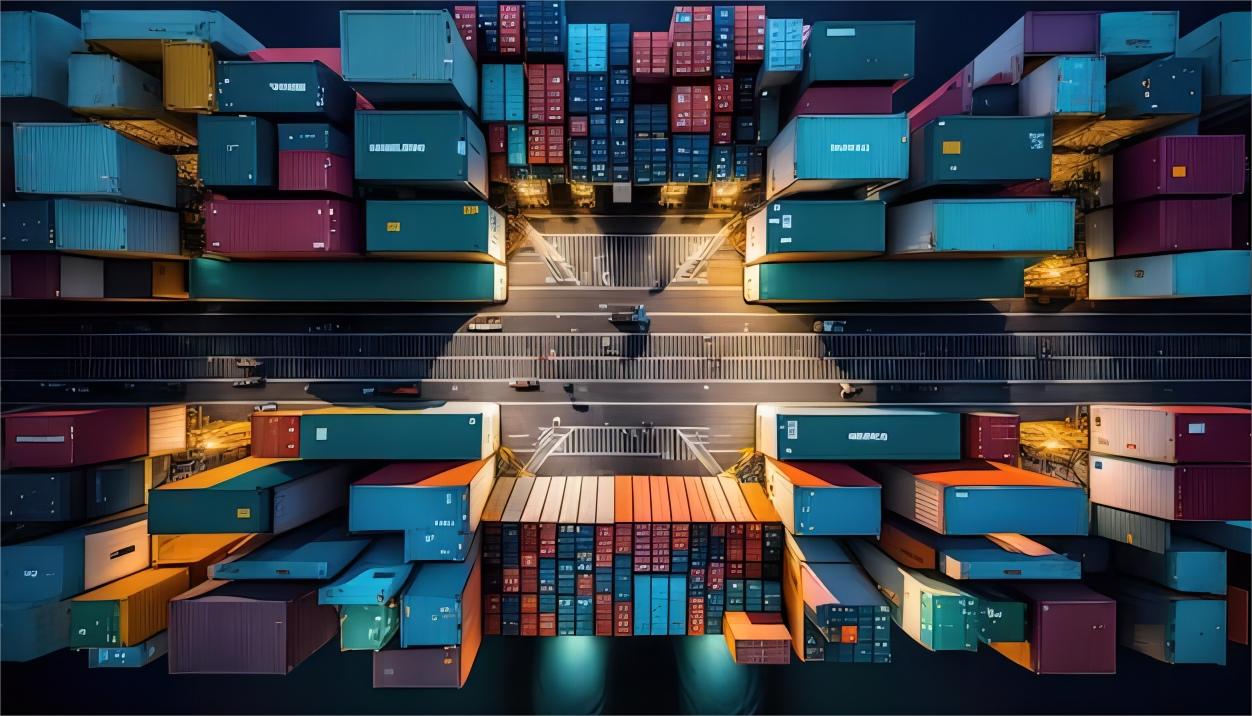
Choosing the right transportation mode is essential for balancing your budget and delivery deadlines. Most businesses opting for sea freight find it to be the most economical solution for large volumes. This method allows for the transport of massive quantities of goods across the Indian Ocean directly to major UAE ports.

Furthermore, sea transport offers two main configurations depending on your cargo size. Full Container Load (FCL) provides you with an entire container for your goods, ensuring maximum security and faster handling. Conversely, Less than Container Load (LCL) allows you to share space with other shippers, which significantly reduces costs for smaller batches.
Additionally, some high-value or time-sensitive items might require air freight to reach Dubai quickly. While more expensive, this method reduces the transit time from weeks to just a few days. Consequently, it remains a favorite for electronics, fashion items, and perishable goods that cannot afford long sea voyages.
How Much Does Container Shipping China to Dubai Cost?
Freight rates are highly dynamic and fluctuate based on fuel surcharges, seasonal demand, and carrier capacity. Specifically, the cost for a 20-foot container typically ranges between 1,200 and 1,800 USD during standard periods. However, during peak seasons like the lead-up to Chinese New Year, prices can spike by 20 percent or more.
Moreover, destination charges in Dubai must be factored into your total landed cost. These include terminal handling charges (THC), documentation fees, and local delivery costs. Understanding these components helps you avoid unexpected expenses when your cargo arrives at Jebel Ali or Port Rashid.
Indeed, small shipments using LCL are billed per cubic meter (CBM), making it accessible for startups. For instance, shipping 3 CBM of furniture might cost significantly less than booking a full 20GP container. Always request a comprehensive quote to see the breakdown of all origin and destination fees.
| Container Type | Capacity (CBM) | Avg. Freight Cost | Best For |
|---|---|---|---|
| 20GP Container | 33 CBM | $1,200 – $1,700 | Heavy/Dense Cargo |
| 40GP Container | 67 CBM | $2,100 – $2,800 | General Merchandise |
| 40HQ Container | 76 CBM | $2,400 – $3,200 | Voluminous Goods |
| LCL (per CBM) | Shared | $40 – $80 | Small Shipments |
How Long is the Transit Time for Shipments to Dubai?
Transit time is a critical factor for inventory management and customer satisfaction. Typically, a direct sea voyage from major Chinese ports like Shenzhen or Ningbo to Dubai takes between 15 and 22 days. This duration excludes the time required for loading at the origin and customs clearance at the destination.
Consequently, you should plan for a total door-to-door timeline of approximately 30 to 35 days. This buffer accounts for potential port congestion, documentation processing, and inland trucking within the UAE. Meanwhile, shipments from northern ports like Tianjin or Qingdao may take slightly longer due to the increased sailing distance.
Nevertheless, choosing a premium carrier can often shave a few days off the schedule. Carriers like COSCO, Maersk, and MSC offer reliable weekly schedules that help businesses maintain a consistent delivery schedule. Reliability in transit times ensures that your supply chain remains resilient against market fluctuations.
| Port of Loading | Direct Transit | Total Door-to-Door | Frequency |
|---|---|---|---|
| Shenzhen / Guangzhou | 14-16 Days | 25-30 Days | Daily |
| Shanghai / Ningbo | 18-22 Days | 30-35 Days | 3x Weekly |
| Qingdao / Tianjin | 22-26 Days | 35-40 Days | 2x Weekly |
| Xiamen | 16-20 Days | 28-33 Days | Weekly |
How Does Sea Freight Compare to Other Shipping Options?
Analyzing the trade-offs between different transport modes is vital for strategic planning. While container shipping china to dubai via sea is the standard, air and express options serve different logistical needs. Sea freight remains the champion of cost-efficiency for bulky items like machinery and construction materials.
On the other hand, air freight provides unmatched speed for high-turnover inventory. If your stock levels are low and you face a stockout, paying the premium for air transport is often justified. Without a doubt, the choice depends on your specific margin and the urgency of the shipment.
Additionally, hybrid solutions like sea-air services are becoming more popular. These involve shipping goods by sea to a hub like Colombo or Singapore and then flying them to Dubai. This strategy offers a middle ground, providing faster delivery than pure sea freight at a lower cost than pure air freight.
| Method | Cost Range | Transit Time | Key Limitation |
|---|---|---|---|
| Sea Freight (FCL) | Low | 18-25 Days | Slower Speed |
| Air Freight | High | 3-7 Days | Weight Limits |
| Express Service | Very High | 2-4 Days | Small Parcels Only |
| Sea-Air Hybrid | Medium | 10-14 Days | Complex Handling |
Which Option Should You Choose for Your UAE Imports?
Deciding on the best shipping route requires a clear framework based on your business priorities. If your primary goal is budget optimization, sea freight LCL or FCL is the obvious winner. Generally, shipments over 15 CBM should always move via FCL to maximize the value of the container space.
Alternatively, if you are launching a new product or fulfilling urgent orders, air freight is the most reliable choice. For those operating in the e-commerce space, utilizing Amazon FBA services can streamline the process further. This ensures your goods meet strict platform requirements while reaching Dubai warehouses efficiently.
Furthermore, consider the nature of your cargo before making a final decision. Fragile items or those with a short shelf life benefit from the reduced handling associated with air transport. In contrast, durable goods like textiles and hardware are perfectly suited for the longer transit times of ocean containers.
Essential Documents for Customs Brokerage in Dubai
Navigating the legalities of international trade requires meticulous attention to documentation. Every shipment must be accompanied by a commercial invoice, a packing list, and a bill of lading. These documents are the foundation of customs brokerage and determine how your goods are classified.
Additionally, a Certificate of Origin is often required to benefit from trade agreements or to verify the source of the goods. Failure to provide accurate paperwork can lead to significant delays and storage fees at the port. Therefore, working with an experienced forwarder is the best way to ensure compliance with UAE Customs.
Specifically, Dubai Customs uses the Mirsal II system for electronic declarations. Most professional logistics providers will handle this digital filing on your behalf. Consequently, you can focus on your core business while experts manage the technical aspects of import duties and cargo clearance.
Real Case Studies for Container Shipping China to Dubai
Learning from real-world examples provides valuable insights into the practicalities of the China-UAE route. Below are two scenarios based on actual shipments handled in late 2024 and early 2025. These cases highlight the importance of choosing the right container size and service level.
Case Study 1: Office Furniture from Shanghai. A startup in Dubai needed to furnish their new headquarters. They opted for a 20GP container to transport 28 CBM of desks and chairs. By choosing a direct sea route, they managed to keep their total landed cost under 2,500 USD including local delivery.
Case Study 2: Electronics from Shenzhen. A retailer required a fast restock of mobile accessories. They utilized LCL shipping for 4 CBM of goods. Although the per-CBM rate was higher than FCL, the total investment was much lower than booking a full container, allowing them to maintain healthy cash flow.
Case Study 1: Furniture Import Success
Route: Shanghai, China to Jebel Ali, Dubai
Cargo: Office Furniture, 28 CBM, 4,500 kg
Container: 20GP Full Container Load
Shipping Details: Major carrier (COSCO), Direct Route
Cost Breakdown: Ocean Freight $1,450, Origin/Destination Charges $600, Customs $300, Total $2,350
Timeline: Sea Transit 20 days, Total Door-to-Door 32 days
Key Insight: Using a 20GP for a nearly full load maximized the cost-per-item efficiency for the importer.
Case Study 2: LCL Tech Accessories
Route: Shenzhen, China to Dubai
Cargo: Tech Accessories, 5 CBM, 1,200 kg
Container: LCL (Less than Container Load)
Shipping Details: Weekly LCL consolidation service
Cost Breakdown: Ocean Freight $350, Local Fees $400, Customs $200, Total $950
Timeline: Sea Transit 16 days, Total Door-to-Door 28 days
Key Insight: LCL was the perfect solution for this mid-sized shipment, avoiding the high cost of air freight while keeping logistics spending low.
Cost-Saving Strategies for Your Supply Chain
Reducing your logistics spend is possible through smart planning and optimization. One effective method is to consolidate shipments from multiple suppliers in China into a single FCL container. This reduces the number of individual entries and lowers the overall terminal handling charges in Dubai.
Moreover, booking your shipments at least two to three weeks in advance can secure better rates. Last-minute bookings often come with premium pricing due to limited space on vessels. Additionally, opting for door to door services can often be cheaper than managing each leg of the journey separately.
Indeed, choosing the right Incoterms is another critical factor in cost control. Terms like FOB (Free on Board) allow you to have more control over the freight costs compared to CIF (Cost, Insurance, and Freight). By managing the shipping yourself, you can often negotiate better rates with your own freight forwarder.
Final Thoughts on Shipping to Dubai
To summarize, successful container shipping china to dubai depends on selecting the right method, understanding the costs, and preparing accurate documentation. While sea freight remains the most popular choice for its balance of cost and capacity, air freight serves as a vital tool for urgent needs.
By leveraging the insights provided in this guide, you can navigate the complexities of international trade with confidence. Remember that the logistics landscape is always evolving, so staying informed about current rates and trends is essential. Partnering with a reliable expert like Top China Freight ensures that your cargo arrives safely and on time, every time.
Ready to streamline your logistics?
Optimizing your container shipping china to dubai strategy is the key to maintaining a competitive edge in the UAE market. Whether you need a quick quote for a 40HQ container or expert advice on customs clearance, our team is ready to assist you. Visit Top China Freight today to request your personalized shipping quote and experience hassle-free logistics.
Request Quote