

Home Goods Freight China to Europe: The Complete Shipping Guide
Transporting furniture, kitchenware, and textiles requires a specialized approach to logistics and cargo handling. Top China Freight provides comprehensive solutions for businesses managing home goods freight china to europe. This guide explores the most efficient methods to move your inventory while maintaining high safety standards and cost-effectiveness.

Why Home Goods Freight China to Europe is a Growing Market
Consumer demand for affordable and stylish interior products has surged across the continent in recent years. Consequently, many retailers are looking for reliable ways to manage shipping from China to Europe to keep their shelves stocked. This trade route represents one of the most active corridors for consumer products globally.

Moreover, the diversity of products including flat-pack furniture, lighting, and home electronics requires versatile shipping options. Manufacturers in hubs like Foshan and Guzhen depend on efficient logistics to reach European markets. Therefore, understanding the nuances of this route is essential for maintaining a competitive edge.
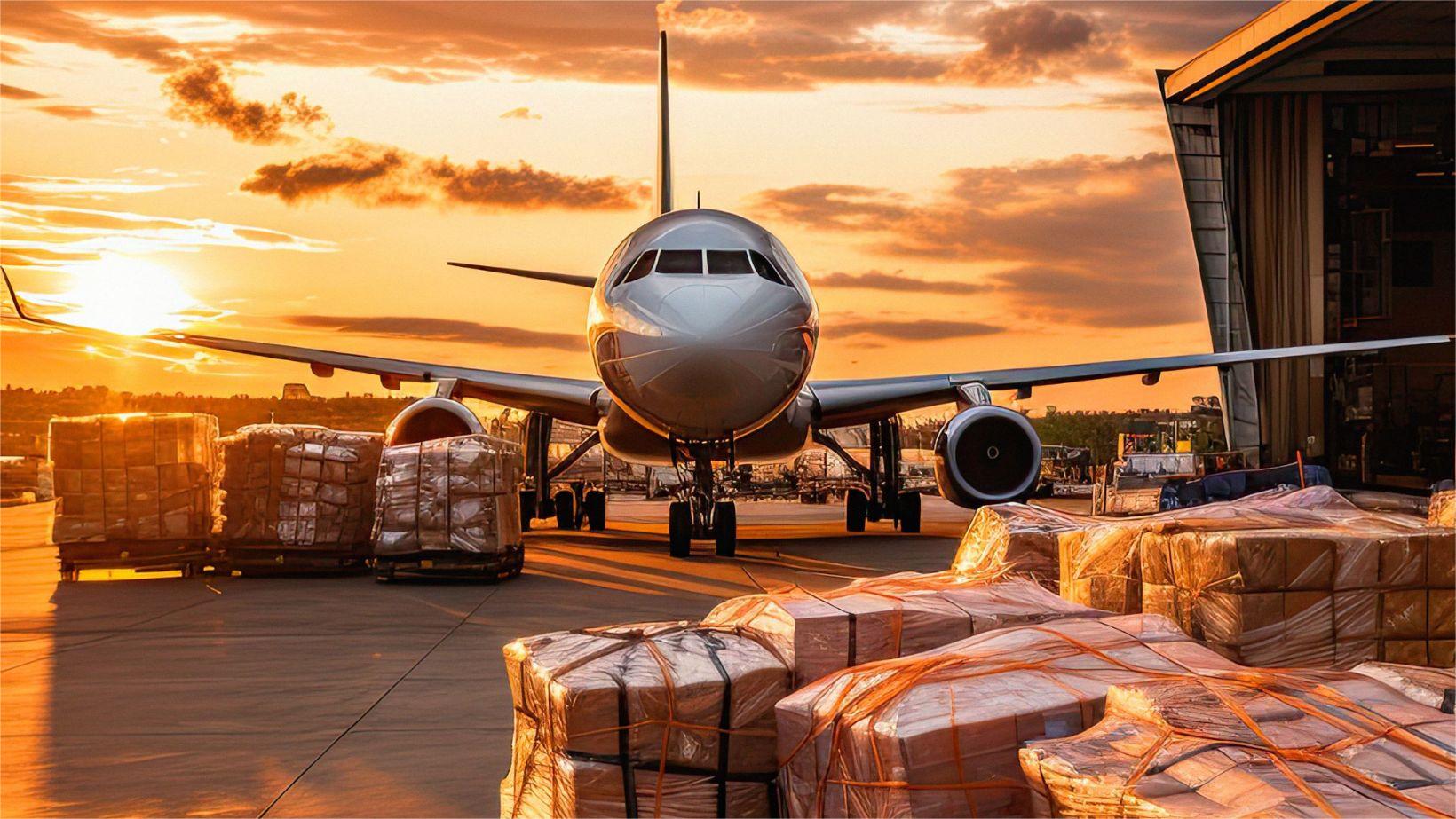
How Does Sea Freight Compare to Other Shipping Options?
Choosing the right transport mode depends heavily on your budget, volume, and urgency. For instance, sea freight remains the most popular choice for bulky items like sofas and dining tables due to its low cost per cubic meter. However, it requires significant lead time compared to other methods.
In contrast, air freight offers unmatched speed but comes at a premium price point. Meanwhile, rail freight has emerged as a balanced alternative for those who need faster delivery than the ocean but cannot afford air rates. Each method has specific trade-offs regarding reliability and environmental impact.
| Shipping Method | Cost Range | Transit Time | Best For |
|---|---|---|---|
| Sea Freight | $2,500 – $4,200 | 30-45 Days | Bulky furniture, high volume |
| Rail Freight | $4,500 – $6,500 | 18-24 Days | Medium urgency, seasonal decor |
| Air Freight | $5.00 – $9.00/kg | 5-8 Days | Small high-value items |
| Express Service | $8.00 – $12.00/kg | 3-5 Days | Samples and urgent parts |
Understanding Costs for Home Goods Freight China to Europe
Determining the total landed cost involves more than just the base ocean or rail rate. For example, you must account for origin charges, destination handling, and local trucking fees. Additionally, fuel surcharges and seasonal fluctuations can impact your final invoice significantly.
As of early 2025, market data suggests that rates have stabilized after previous global disruptions. Nevertheless, importers should budget for a 15-20 percent increase during the peak season from August to October. Indeed, early booking is the most effective way to secure lower rates during these busy periods.
| Container Type | Base Rate (Est.) | Handling Fees | Total Door-to-Door |
|---|---|---|---|
| 20GP Container | $1,900 – $2,600 | $400 – $600 | $2,300 – $3,200 |
| 40HQ Container | $3,200 – $4,500 | $600 – $900 | $3,800 – $5,400 |
| LCL (per CBM) | $60 – $110 | $150 – $250 | $210 – $360 |
Rail Freight: The Middle Ground for Home Decor
Utilizing the Trans-Siberian or New Silk Road routes has revolutionized the supply chain for many European brands. Specifically, rail freight offers a stable transit time that is roughly half that of sea freight. This makes it ideal for seasonal home goods that must arrive just before a holiday rush.
Furthermore, rail transport is generally considered more eco-friendly than air or sea freight in terms of carbon emissions per ton-kilometer. Consequently, companies with strict ESG goals often prefer this method. Without a doubt, the rail network provides a vital link between inland Chinese manufacturing hubs and Central Europe.
Essential Customs Documentation for European Imports
Navigating the regulatory landscape is often the most challenging part of international trade. Therefore, hiring a professional customs brokerage service is highly recommended to avoid costly delays. You must ensure all commercial invoices, packing lists, and certificates of origin are perfectly accurate.
Additionally, certain home goods like wooden furniture may require specific phytosanitary certificates to enter the EU. Failure to provide these documents can lead to cargo seizure or expensive fumigation requirements. Accordingly, verifying compliance before the goods leave the factory is a critical step for every importer.
Door to Door Delivery for Furniture Shipments
Managing the final mile of delivery is crucial for heavy and fragile home products. By choosing a door to door service, you simplify the logistics chain by dealing with a single point of contact. This approach reduces the risk of damage during multiple handling stages.
Moreover, integrated tracking allows you to monitor your home goods freight china to europe from the warehouse in Shenzhen to the final warehouse in Paris. For instance, real-time updates help you coordinate your own warehouse staff for the arrival of new inventory. Consequently, this visibility improves overall business efficiency and customer satisfaction.
Which Option Should You Choose?
Budget priority often dictates that sea freight is the only viable choice for low-margin home goods. If your primary goal is to minimize costs, plan your inventory cycles 4-5 months in advance. On the other hand, if you are launching a new product line and need stock quickly, rail is the superior choice.
Volume thresholds also play a major role in the decision-making process. For shipments under 15 CBM, LCL sea freight is usually more economical than a full container. However, once you exceed 15-20 CBM, booking a 20GP container becomes more cost-effective and offers better security for your goods.
Case Study 1: Large Scale Furniture Distribution
Route: Foshan, China to Hamburg, Germany. Cargo: 40HQ Container of flat-pack bedroom furniture. Shipping Method: Sea Freight via a major carrier like COSCO. Port of Loading: Nansha. Port of Discharge: Hamburg.
Cost Breakdown: Ocean freight cost $3,850. Origin and destination charges totaled $1,100. Customs duties were estimated at $950. Total landed cost reached $5,900. Timeline: 5 days for booking, 33 days for sea transit, and 3 days for customs clearance. Total door-to-door time was 41 days. Key Insight: Consolidating multiple factory orders into one 40HQ saved the client 22 percent compared to individual LCL shipments.
Case Study 2: Seasonal Kitchenware Launch
Route: Ningbo, China to Warsaw, Poland. Cargo: 12 CBM of stainless steel kitchen sets. Shipping Method: Rail Freight (LCL). Port of Loading: Ningbo (Trucked to Xi an rail terminal). Port of Discharge: Małaszewicze terminal.
Cost Breakdown: Rail freight and handling cost $2,450. Customs and duties added $600. Total landed cost was $3,050. Timeline: 4 days for domestic transit, 18 days for rail transit, and 2 days for local delivery. Total door-to-door time was 24 days. Key Insight: Rail freight allowed the retailer to hit their marketing launch date which would have been missed by 2 weeks if using sea freight.
Tips to Reduce Shipping Costs and Transit Times
Optimizing your packaging can lead to significant savings on home goods freight china to europe. For example, reducing the size of your boxes by just 5 percent can sometimes allow for an extra row of products in a container. Additionally, consider using pallets only when necessary, as they consume valuable cubic space.
Another effective strategy is to negotiate long-term contracts with freight forwarders if you have regular volumes. Meanwhile, staying informed about port congestion levels helps you choose the fastest entry point into Europe. Indeed, small adjustments in your logistics strategy can result in thousands of dollars in annual savings.
Final Thoughts on Shipping Home Goods to Europe
Successfully managing home goods freight china to europe requires a balance of cost, speed, and reliability. By understanding the differences between sea, rail, and air options, you can tailor your logistics strategy to your specific business needs. Remember that proper documentation and packaging are just as important as the shipping method itself.
As market conditions evolve, staying flexible and working with an experienced freight forwarder will ensure your inventory arrives safely and on time. Whether you are importing luxury furniture or everyday kitchenware, the right logistics partner makes all the difference in your bottom line.
Ready to streamline your logistics?
Ready to streamline your supply chain? Contact us today for a personalized quote on home goods freight china to europe and let our experts handle your logistics needs. Send Inquiry
Request Quote