

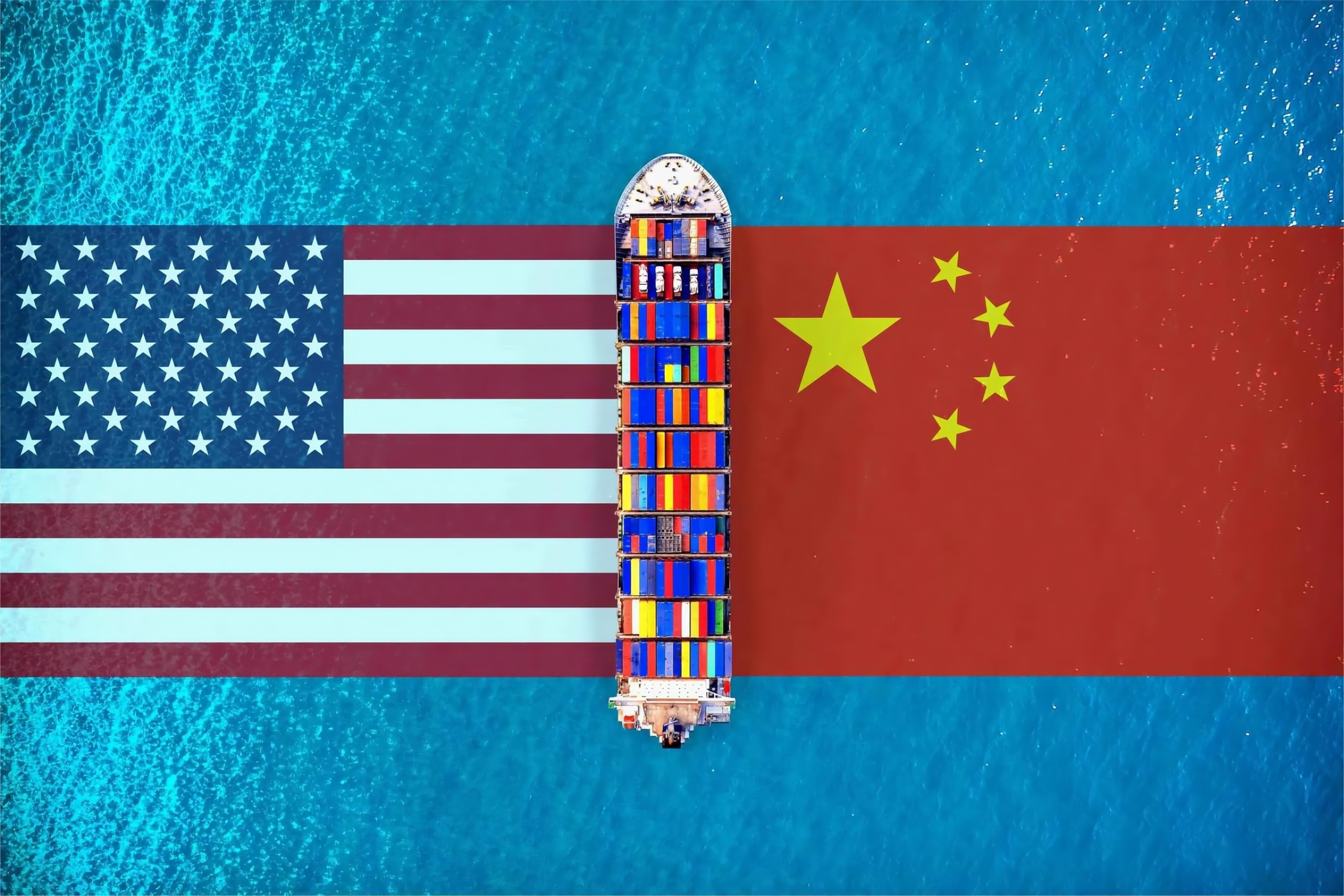
Clothing Air Freight China to UK: The Ultimate Logistics Guide
Rapidly changing fashion trends require a supply chain that moves at the speed of light. Many retailers now rely on Top China Freight to manage their clothing air freight China to UK shipments because speed is the ultimate competitive advantage. Consequently, understanding the nuances of air logistics is essential for maintaining inventory levels and meeting customer demand in the United Kingdom.
Why Choose Clothing Air Freight China to UK for Your Business?
Speed remains the primary reason businesses choose air freight over other transport methods. Moreover, clothing items often have a short shelf life due to seasonal shifts and fast-fashion cycles. Therefore, reducing transit time from weeks to days ensures your latest collections reach the retail floor while they are still relevant.

Security is another significant factor when shipping high-value designer garments. Indeed, airports maintain much tighter security protocols compared to seaports, which significantly reduces the risk of theft or damage. Additionally, the reduced handling time in air transport minimizes the chances of delicate fabrics being crushed or soiled during transit.

Inventory management becomes much more flexible when you utilize air cargo solutions. For instance, brands can operate with lower stock levels and restock quickly based on actual sales data rather than long-term forecasts. Consequently, this lean approach to logistics helps businesses minimize capital tied up in unsold inventory.
How Does Clothing Air Freight China to UK Compare to Other Shipping Options?
Choosing the right shipping method involves balancing cost, speed, and reliability. While air freight is the fastest, it is important to understand how it stacks up against sea and rail alternatives. For example, express service might be better for small samples, while sea freight suits bulk basic items.
Shipments under 100kg are almost always more cost-effective via air or express courier. On the other hand, massive shipments of heavy winter coats might justify the longer wait times associated with ocean transport. Nevertheless, for the majority of mid-to-high-end fashion retailers, the speed of air freight justifies the higher initial expenditure.
Hybrid solutions like sea-air are also gaining popularity in the current market. These routes typically involve sea transport to a hub like Dubai, followed by air transport to London. To summarize, each method has specific trade-offs that depend on your budget and delivery schedule.
| Shipping Method | Cost Range | Transit Time | Best For |
|---|---|---|---|
| Air Freight | $4.50 – $8.50 per kg | 5 – 8 Days | High-value, seasonal fashion |
| Sea Freight | $2,000 – $4,500 per 40HQ | 30 – 40 Days | Bulk basics, low-cost items |
| Rail Freight | $120 – $180 per CBM | 18 – 25 Days | Mid-range budget shipments |
| Express Courier | $6.00 – $12.00 per kg | 3 – 5 Days | Samples and urgent stock |
Estimating Costs for Clothing Air Freight China to UK
Freight rates for air cargo are calculated based on either actual weight or volumetric weight, whichever is higher. For clothing, which is often bulky but light, the volumetric weight (Length x Width x Height / 6000) frequently determines the price. Therefore, optimizing your packaging is a critical step in reducing overall shipping costs.
Market rates fluctuate based on fuel surcharges and carrier capacity. As of early 2025, rates from major hubs like Guangzhou and Shanghai to London Heathrow have stabilized. However, you should expect to pay a premium during the Q4 peak season when demand for cargo space skyrockets.
Note: Freight rates are subject to change based on fuel costs, carrier capacity, and seasonal demand. Contact us for a current quote tailored to your specific shipment.
How to Handle Customs Clearance and Documentation?
Navigating UK customs requires precise documentation to avoid costly delays at the border. You must ensure that your commercial invoice, packing list, and Air Waybill (AWB) are perfectly aligned. Furthermore, working with an experienced customs brokerage can help you identify the correct commodity codes for different textile materials.
Import duties and VAT are calculated based on the total landed cost of the goods. Since the UK has specific trade regulations for textiles, ensuring accuracy in your declarations is paramount. Accordingly, missing a single document can lead to your shipment being held in a bonded warehouse, incurring daily storage fees.
Proper labeling is also required for clothing imports into the UK market. For instance, garments must include fiber content and care instructions that comply with local standards. In addition, you should verify if any specific anti-dumping duties apply to the particular types of clothing you are importing.
| Document Name | Purpose | Required By | Timeline |
|---|---|---|---|
| Commercial Invoice | Value declaration | UK Customs | At Booking |
| Packing List | Itemized contents | Warehouse/Customs | At Loading |
| Air Waybill | Contract of carriage | Airline/Carrier | Upon Departure |
| Certificate of Origin | Proof of manufacture | UK Customs | Pre-arrival |
Transit Times for Major Air Routes to the UK
The total transit time for clothing air freight China to UK depends on the departure city and the specific service level chosen. Direct flights from Shanghai or Shenzhen to London usually take about 10-14 hours in the air. Meanwhile, the total door-to-door time including pickup and clearance typically ranges from 5 to 9 days.
Shipping to regional airports like Manchester or Birmingham might involve a transshipment through a European hub. Because Europe serves as a major logistics gateway, these routes are often very reliable. However, they may add 1-2 days to the total delivery schedule compared to direct London routes.
Weather conditions and airport congestion can occasionally cause minor disruptions. Nevertheless, air freight remains the most predictable shipping method available for the China-UK corridor. Consequently, it is the preferred choice for brands launching time-sensitive marketing campaigns.
Real-World Case Studies: Clothing Shipments to the UK
Case Study 1: Fast Fashion Restock. Route: Guangzhou to London. Cargo: 500kg of summer dresses. Method: Standard Air Freight. Cost: $3,250. Transit Time: 6 days. Key Insight: Using a direct flight avoided transshipment delays during the busy summer season.
Case Study 2: Luxury Brand Launch. Route: Shanghai to Manchester. Cargo: 200kg of high-end silk garments. Method: Express Air Service. Cost: $2,100. Transit Time: 4 days. Key Insight: Specialized garment-on-hanger (GOH) containers were used to ensure the items arrived wrinkle-free.
Case Study 3: Winter Coat Import. Route: Shenzhen to London. Cargo: 1,200kg of heavy outerwear. Method: Economy Air Freight. Cost: $6,800. Transit Time: 9 days. Key Insight: Booking 2 weeks in advance allowed the client to secure a lower rate during the Q3 peak.
Case Study 1: Seasonal Garment Rush
Route: Shenzhen, China to London, UK. Cargo: Cotton T-shirts, 4 CBM, 650 kg. Shipping Details: Major carrier, direct route. Cost Breakdown: Air Freight $3,900, Origin Charges $250, Destination Charges $300, Customs Clearance $150. Total Landed Cost: $4,600. Timeline: 7 days total. Key Insight: Rapid clearance was achieved by pre-filing customs documents 48 hours before arrival.
Case Study 2: Bulk Outerwear Inventory
Route: Shanghai, China to London, UK. Cargo: Synthetic jackets, 12 CBM, 1,800 kg. Shipping Details: Transshipment via Dubai. Cost Breakdown: Air Freight $9,800, Origin Charges $400, Destination Charges $550, Customs Clearance $200. Total Landed Cost: $10,950. Timeline: 10 days total. Key Insight: Choosing a transshipment route saved the client 15% on freight costs compared to a direct flight.
Which Option Should You Choose for Your Fashion Business?
Determining the best shipping strategy depends on your specific business priorities. If your main goal is budget conservation, sea freight for bulk orders is unbeatable. However, if your priority is capturing a sudden market trend, clothing air freight China to UK is the only viable solution.
Many successful brands utilize a door to door service to simplify their logistics. This approach allows the business to focus on design and marketing while the freight forwarder handles everything from the factory floor to the UK warehouse. Indeed, this end-to-end management reduces the risk of communication errors.
For smaller boutique owners, combining shipments through a consolidation service can offer the speed of air at a lower price point. Consequently, you can maintain a fresh inventory without the massive overhead of chartered flights. Without a doubt, a flexible logistics partner can help you scale your operations effectively.
Mastering Your Clothing Air Freight China to UK Strategy
In conclusion, clothing air freight China to UK offers the speed, security, and flexibility that modern fashion brands require. While the costs are higher than sea or rail, the ability to respond to market demands in real-time provides an invaluable advantage. By understanding the factors that influence rates and transit times, you can make informed decisions that protect your profit margins.
Furthermore, partnering with a professional logistics provider ensures that your customs documentation and cargo handling are managed with precision. As the global supply chain continues to evolve, staying adaptable with your shipping methods will be key to long-term success. Start optimizing your UK fashion imports today with a tailored air freight solution.
Ready to streamline your logistics?
Streamline your fashion supply chain today by choosing the most reliable clothing air freight China to UK services. Contact our experts now to receive a competitive quote and ensure your garments arrive on time and in perfect condition. Visit our website to start your inquiry.
Request Quote