

Computer Parts Freight from China: The Ultimate 2025 Shipping Guide
Computer parts freight from china requires a strategic approach to balance high shipping costs with the need for rapid delivery. Consequently, technology businesses must navigate complex logistics landscapes to ensure their sensitive hardware components arrive in perfect condition. Working with a dedicated professional like Top China Freight helps you streamline these operations while maintaining high security for your valuable electronic cargo.
Why Choose Professional Computer Parts Freight from China?
Importing electronics involves handling fragile items like motherboards, GPUs, and delicate storage drives that are sensitive to static and physical shock. Furthermore, these items often carry a high market value, which increases the financial risk during the transit process. Therefore, selecting a freight forwarder with experience in tech logistics is paramount for your business success.

Moreover, professional logistics providers understand the specific packaging requirements needed to prevent damage during long-haul transport. They use specialized materials to mitigate risks from humidity and temperature fluctuations. Consequently, your hardware maintains its integrity from the factory floor to the final destination.

Additionally, the regulatory environment for electronics is constantly shifting, requiring expert knowledge of international trade laws. Indeed, having a partner who can manage these complexities allows you to focus on your core business operations. Without a doubt, professional handling reduces the likelihood of costly delays at the border.
Key Shipping Methods for Electronics and Hardware
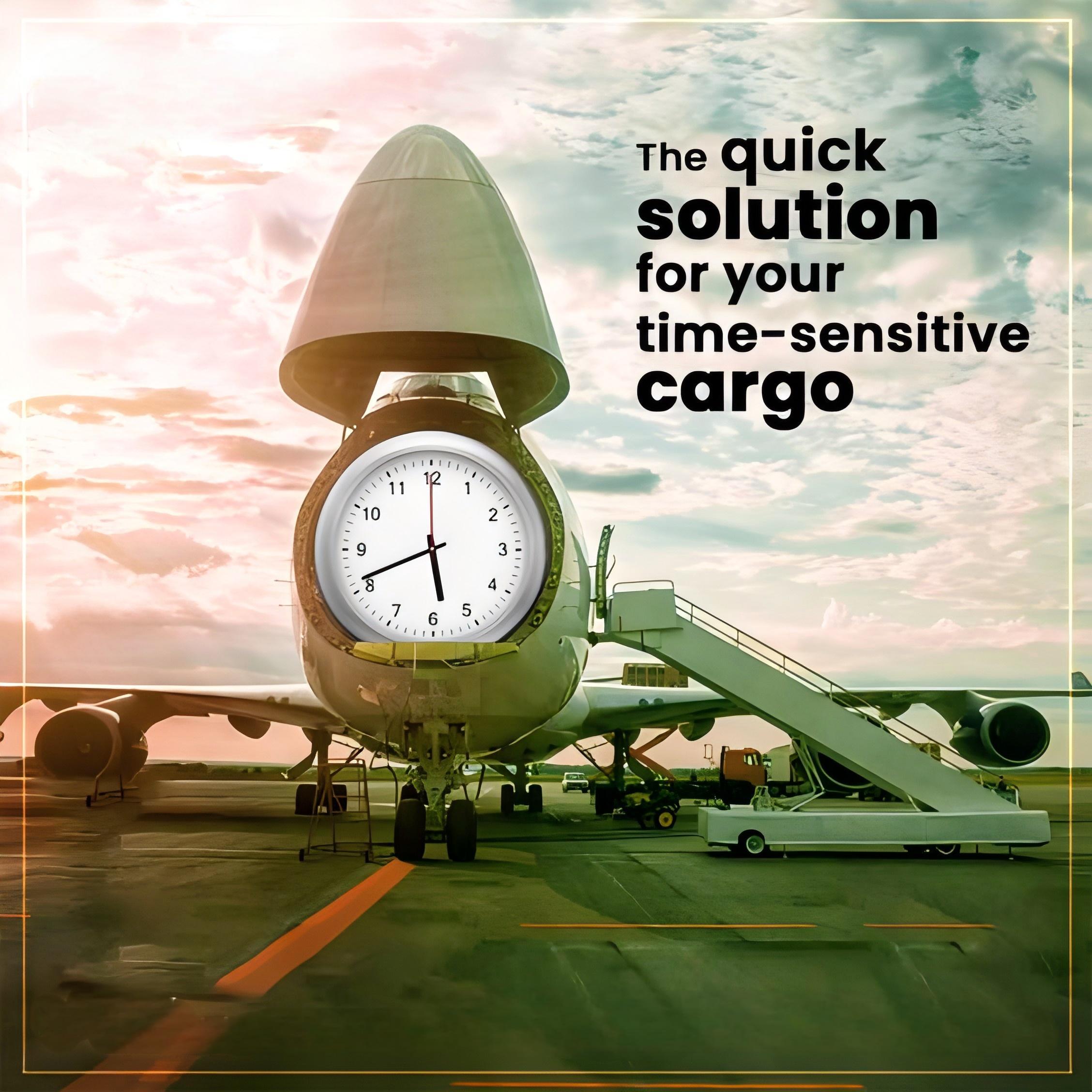
Several transport modes exist for moving hardware, each offering distinct advantages depending on your specific volume and urgency. For instance, air freight stands as the preferred choice for high-value components that need to reach the market quickly. While this method is more expensive, the reduced transit time often justifies the investment for fast-moving tech products.
On the other hand, sea freight is the most economical solution for bulkier items such as PC cases, power supplies, or large monitors. Although it takes longer to arrive, the cost savings per unit are significant for large-scale inventory replenishment. Most businesses use a mix of both methods to balance their inventory needs and shipping budgets.
Meanwhile, for shipments bound for Central Asia or Europe, rail freight offers a middle ground between speed and cost. This method provides a reliable schedule and is less affected by the seasonal price spikes often seen in the air and sea markets. In addition, rail transport is considered a more environmentally friendly option for sustainable supply chains.
How Does Air Freight Compare to Other Shipping Options?
Choosing between different transport modes requires an objective analysis of cost, speed, and reliability. Specifically, air freight typically costs between 4.00 and 8.00 dollars per kilogram, whereas sea freight is calculated by the cubic meter. Consequently, for small shipments of lightweight components like CPUs, air transport is often more efficient than waiting for a sea container.
In contrast, sea freight becomes much more attractive when you are moving several pallets or full containers of hardware. For example, a 40HQ container can hold thousands of units, driving the shipping cost per item down to just a few cents. However, you must account for the 30 to 45 days of transit time required for sea routes to North America or Europe.
Hybrid solutions like sea-air combinations are also gaining popularity for those who need a compromise. These routes involve shipping by sea to a hub like Dubai or Singapore and then flying the cargo to the final destination. This strategy can save up to 40 percent in costs compared to pure air freight while still being faster than pure sea transport.
| Shipping Method | Cost Range | Transit Time | Best For |
|---|---|---|---|
| Air Freight | $4.50 – $9.00 / kg | 3 – 7 Days | GPUs, CPUs, RAM |
| Sea Freight (LCL) | $150 – $300 / CBM | 25 – 45 Days | PC Cases, Monitors |
| Rail Freight | $1.50 – $3.00 / kg | 15 – 22 Days | Bulk Europe Orders |
| Express Service | $7.00 – $12.00 / kg | 2 – 4 Days | Prototypes, Samples |
Which Option Should You Choose?
Deciding on the right logistics strategy depends heavily on your budget priority and the nature of your cargo. If your primary goal is speed to market for a new product launch, air transport or an express service is the logical choice. These methods ensure that you can capitalize on market trends before your competitors do.
Conversely, if you are managing a steady supply of commodity parts where margins are thin, sea freight is the superior option. For shipments under 15 CBM, using Less than Container Load (LCL) services allows you to pay only for the space you use. For larger volumes, a Full Container Load (FCL) provides better security and faster handling at the port.
Volume thresholds also play a role in this decision-making process. Once your shipment exceeds 100 kilograms, the price gap between express and standard air freight widens significantly. Therefore, it is often wise to switch to standard air freight for medium-sized shipments to maximize your cost-efficiency.
Understanding Customs and Duties for Computer Components
Navigating the customs process is one of the most challenging aspects of computer parts freight from china. Each country has specific HTS codes for different types of hardware, which determine the amount of duty you must pay. Incorrectly labeling your goods can lead to significant fines or even the seizure of your entire shipment.
Furthermore, many electronics are subject to specific safety certifications like CE, FCC, or RoHS. Ensuring that your supplier provides the correct documentation is essential for a smooth clearance process. Utilizing a professional customs brokerage service can prevent these technical errors and keep your cargo moving through the border.
Additionally, some regions have implemented additional tariffs on certain Chinese electronics. For instance, the United States has specific Section 301 tariffs that apply to various computer components. Staying informed about these trade policies helps you calculate the true landed cost of your products before you place an order.
| Document Name | Purpose | Provider | Requirement |
|---|---|---|---|
| Commercial Invoice | Valuation of goods | Supplier | Mandatory |
| Packing List | Details of contents | Supplier | Mandatory |
| Bill of Lading | Title to the goods | Carrier | Mandatory |
| Certificate of Origin | Verify source country | Supplier | Often Required |
Case Study 1: Shipping High-End GPUs to Los Angeles
Route: Shenzhen, China to Los Angeles, USA. This shipment involved 2,500 high-end graphics cards packed into a 40HQ container. Because the client needed to meet a Q4 holiday demand, they initially considered air freight but opted for a fast sea service to save costs.
Shipping Details: The cargo was loaded at the Port of Shenzhen and shipped via a direct carrier service to Long Beach. Total volume was 65 CBM with a weight of 12,000 kg. The carrier provided a priority discharge service to minimize port wait times.
Cost Breakdown: Ocean freight cost $3,200, while origin and destination charges added $850. Customs duties were calculated at 25 percent under current trade regulations. The total landed shipping cost per unit remained under $2.00, preserving the client’s profit margins.
Timeline: Booking to loading took 4 days, followed by a 14-day sea transit. Customs clearance and door to door delivery took another 5 days. The total door-to-door time was 23 days, which was well within the client’s 30-day requirement.
Case Study 2: Bulk Motherboard Distribution to Hamburg
Route: Ningbo, China to Hamburg, Germany. A European distributor required 10 pallets of motherboards for their regional warehouse. They chose a rail freight option to balance their budget with a moderate delivery schedule.
Shipping Details: The pallets were consolidated in Ningbo and transported via the China-Europe Railway Express. This route avoids the potential disruptions of the Red Sea and provides a stable transit time. The cargo was handled with anti-static protection throughout the journey.
Cost Breakdown: The rail freight rate was $2.10 per kilogram, totaling $5,250 for the 2,500 kg shipment. Documentation and terminal fees added $400. This represented a 50 percent saving compared to the air freight quotes received for the same volume.
Timeline: The rail transit took 18 days from terminal to terminal. Including local pickup in China and final delivery in Germany, the entire process was completed in 26 days. This case demonstrates the efficiency of rail for high-value electronics in the European market.
Cost-Saving Strategies for Importing Computer Parts
Reducing your expenses for computer parts freight from china requires looking beyond the base freight rate. One effective strategy is to consolidate multiple small orders into a single larger shipment. By doing this, you can move from expensive express rates to more economical air or sea freight brackets.
Another approach involves optimizing your product packaging to reduce volumetric weight. Since air freight carriers charge based on the larger of actual weight or dimensional weight, smaller boxes can lead to direct savings. Indeed, many manufacturers now use slimmer retail packaging specifically to lower international shipping costs.
Furthermore, timing your shipments can lead to significant variations in pricing. Rates typically increase by 15 to 25 percent during the peak season from August to October. Planning your inventory arrivals for the quieter months of March through May can help you secure the lowest possible rates from carriers.
Final Thoughts on Shipping Hardware from China
Navigating the world of computer parts freight from china is a demanding task that requires attention to detail and market expertise. By understanding the differences between air, sea, and rail options, you can make informed decisions that protect your bottom line. Transitioning to a professional freight partner ensures that your sensitive electronics are handled with the care they deserve.
Ultimately, the goal is to create a resilient supply chain that can adapt to changing market conditions and trade regulations. Whether you are shipping small batches of CPUs or full containers of PC cases, the right strategy will keep your business moving forward. Start planning your next shipment today to ensure your hardware reaches its destination safely and efficiently.
Ready to streamline your logistics?
Ready to optimize your supply chain? Contact us today to receive a competitive quote for your next computer parts freight from china shipment. See how our expert logistics team can save you time and money.
Request Quote