


Time to Ship Auto Parts from China to USA: 2025 Logistics Guide
Managing an automotive supply chain requires precision and a deep understanding of international logistics timelines. At Top China Freight, we recognize that delays in receiving components can halt production lines and lead to significant financial losses. Consequently, calculating the precise time to ship auto parts from China to USA is the first step toward building a resilient and efficient inventory management system.
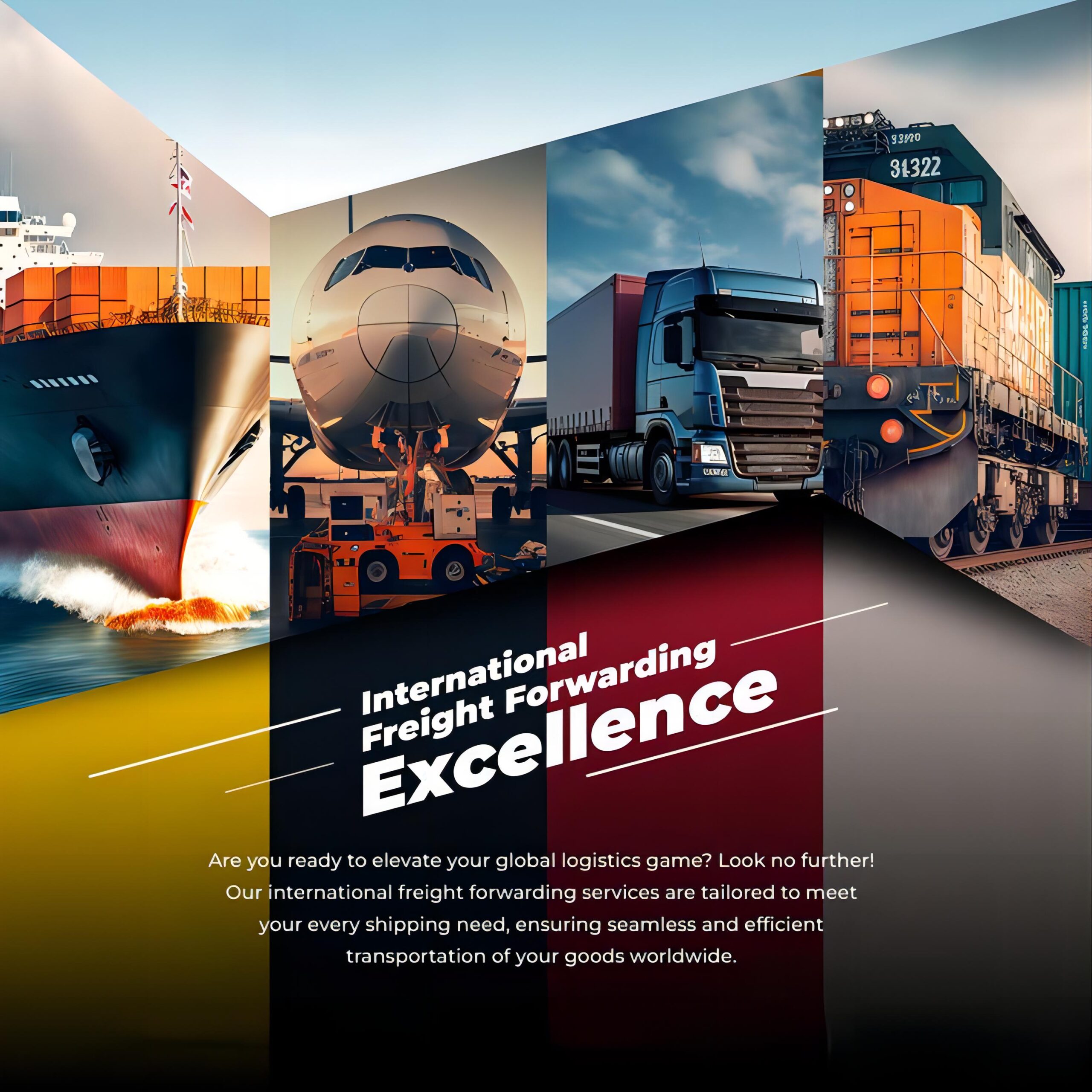
What Is the Average Time to Ship Auto Parts from China to USA by Method?
Determining the duration of your shipment depends primarily on the transport mode you select for your cargo. For instance, air freight typically delivers auto parts within 3 to 7 business days, making it the preferred choice for urgent repairs or high-value components. However, businesses looking to minimize costs often opt for ocean transport despite the longer lead times involved.

Sea freight offers two main options: Full Container Load (FCL) and Less than Container Load (LCL). Generally, FCL shipments to the US West Coast take between 15 and 20 days, while East Coast destinations require 30 to 40 days. In contrast, LCL shipments often add an extra 5 to 7 days to the schedule because the carrier must consolidate and de-consolidate goods from multiple shippers.

Express courier services represent the fastest possible route for small parcels and samples. Most major couriers deliver these items in 2 to 5 days directly to your doorstep. Therefore, selecting the right method requires a careful balance between your budget constraints and your required delivery deadline.
| Shipping Method | Transit Time | Best For | Cost Level |
|---|---|---|---|
| Express Courier | 2-5 Days | Samples and Urgent Parts | Very High |
| Air Freight | 5-10 Days | High-Value Components | High |
| Sea Freight (FCL) | 18-35 Days | Bulk Orders | Low |
| Sea Freight (LCL) | 25-45 Days | Small to Mid-sized Batches | Moderate |
How Does Sea Freight Compare to Other Shipping Options?
While sea freight remains the backbone of the automotive industry, comparing it against alternatives is essential for strategic planning. For example, while sea freight costs approximately 2,000 to 4,000 dollars for a 40HQ container, air freight for the same volume could exceed 20,000 dollars. Nevertheless, the time to ship auto parts from China to USA via ocean is significantly longer than air cargo.
Furthermore, sea freight is subject to port congestion and weather-related delays that rarely affect air transport to the same degree. If your production line is at risk of shutting down, the higher cost of air freight becomes a necessary investment. On the other hand, for routine stock replenishment, the cost savings of ocean shipping usually outweigh the benefits of speed.
Hybrid solutions like Sea-Air shipping also exist for those seeking a middle ground. This method involves shipping by sea to a hub like Dubai or Singapore and then flying the goods to the USA. Consequently, you can reduce transit times by 40 percent compared to pure sea freight while keeping costs lower than pure air freight.
| Shipping Method | Cost Range | Transit Time | Limitations |
|---|---|---|---|
| Sea Freight | $1,500 – $5,500 | 15-40 Days | Slowest speed, port delays |
| Air Freight | $5 – $12 per kg | 3-7 Days | Weight and size limits |
| Express | $8 – $20 per kg | 2-5 Days | Highest cost per unit |
| Sea-Air Hybrid | Moderate | 12-22 Days | Complex handling |
Which Option Should You Choose for Your Auto Parts?
Choosing the right shipping strategy depends on your specific business priorities and the nature of the automotive components. If your priority is budget and you are moving large volumes like bumpers or engines, FCL sea freight is the logical choice. However, if you are importing small electronic sensors or urgent replacement parts, express courier services provide the necessary speed.
Volume thresholds also play a critical role in this decision. For shipments under 15 CBM, LCL is often more economical than paying for a full container. Meanwhile, once your volume exceeds 15-20 CBM, the cost of a 20GP container usually becomes more competitive per unit. Additionally, consider the fragility of the parts, as air freight involves less handling and reduces the risk of damage.
To summarize, use air freight for items with high value-to-weight ratios or strict deadlines. Use sea freight for heavy, bulky, or low-urgency inventory. Always factor in an extra week for customs and local trucking to ensure your parts arrive when needed.
Factors Influencing the Time to Ship Auto Parts from China to USA
Several external variables can fluctuate the time to ship auto parts from China to USA throughout the year. For instance, the Chinese New Year holiday in January or February often causes a total shutdown of factories and ports for two weeks. Consequently, backlogs created during this period can delay shipments well into March.
Peak season, which typically runs from August to October, also impacts transit times due to increased demand for carrier space. During these months, you might experience ‘rolled’ cargo, where your container is bumped to a later vessel. Moreover, port congestion at major US hubs like Los Angeles or Savannah can add several days to the discharge process.
Weather conditions, such as typhoons in the South China Sea or winter storms in the Pacific, occasionally force vessels to take longer routes. Therefore, we always recommend adding a 5 to 10 day buffer to your estimated arrival dates to account for these unpredictable events.
Real Case Studies: Shipping Auto Parts to the United States
Case Study 1: Brake Pads from Ningbo to Los Angeles. Cargo: 1,500 kg of ceramic brake pads, 4 CBM. Method: LCL Sea Freight. Port of Loading: Ningbo. Port of Discharge: Los Angeles. Total Landed Cost: $1,850. Timeline: Booking to Loading: 3 days. Sea Transit: 16 days. Customs Clearance: 3 days. Total Door-to-Door: 26 days. Key Insight: Choosing a direct route to the West Coast saved 14 days compared to an East Coast route.
Case Study 2: Aluminum Radiators from Shanghai to New York. Cargo: 500 units, 40HQ Container. Method: FCL Sea Freight. Port of Loading: Shanghai. Port of Discharge: New York (via Panama Canal). Total Landed Cost: $5,800. Timeline: Booking to Loading: 5 days. Sea Transit: 32 days. Customs Clearance: 4 days. Total Door-to-Door: 45 days. Key Insight: Booking 3 weeks in advance during Q3 peak season avoided a 20 percent rate hike.
Case Study 3: Emergency Transmission Sensors from Shenzhen to Chicago. Cargo: 50 kg, small box. Method: Express Courier. Origin: Shenzhen. Destination: Chicago. Total Landed Cost: $650. Timeline: Pickup to Delivery: 4 days. Key Insight: Using express service prevented a factory line stoppage that would have cost $5,000 per day.
Navigating Customs and Documentation for Automotive Imports
The complexity of US customs can significantly extend the time to ship auto parts from China to USA if your paperwork is incomplete. Automotive parts are subject to specific safety standards and duties that require precise classification. Utilizing a professional customs brokerage service ensures that your HTS codes are accurate and your ISF filings are submitted on time.
Missing the 24-hour rule for ISF filing can result in heavy fines and mandatory cargo inspections. Furthermore, certain parts like tires or glass may require additional certifications from the Department of Transportation (DOT). Consequently, ensuring all compliance documents are ready before the ship leaves China is vital for a smooth entry.
Commonly required documents include the Commercial Invoice, Packing List, Bill of Lading, and the Certificate of Origin. In addition, for automotive components, you should have technical specifications ready in case Customs and Border Protection (CBP) requests a physical inspection. Proper preparation reduces the risk of your cargo being held at the port for weeks.
How to Reduce Your Shipping Duration and Costs
Efficiency in your logistics chain can shave days off the total time to ship auto parts from China to USA. One effective strategy is to consolidate shipments from multiple suppliers into a single FCL container. This reduces the time spent in LCL warehouses and simplifies the customs clearance process upon arrival.
Another approach is to utilize door to door shipping services, which manage every step from the factory floor to your warehouse. By eliminating the need for you to coordinate between different carriers, you reduce the risk of communication gaps that cause delays. Additionally, booking your shipments at least 15 days in advance helps secure space on faster, direct vessels.
Note: Freight rates and transit times are subject to change based on fuel costs, carrier capacity, and seasonal demand. Market data suggests that rates typically increase by 15-25 percent during the August-October peak season. Contact us for a current quote tailored to your specific shipment.
Mastering Your Auto Parts Logistics
To summarize, the time to ship auto parts from China to USA varies greatly depending on the shipping method, destination port, and seasonal factors. While air freight offers unmatched speed for critical components, sea freight remains the most cost-effective solution for bulk inventory.
By understanding the nuances of customs clearance and choosing the right logistics partner, you can ensure your parts arrive on time and within budget. Always plan for potential delays and maintain a buffer in your schedule to keep your operations running smoothly.
Ready to streamline your logistics?
Ready to optimize your automotive supply chain? Contact Top China Freight today to get a precise quote and expert advice on reducing the time to ship auto parts from China to USA. Send Inquiry: https://Top China Freight.com/contact-us/
Request Quote